Looking to create that perfect outdoor retreat? More and more homeowners are discovering the charm and luxury of a Wood Hot Tub outside. As we gear up for 2025, these natural soaking tubs just keep gaining popularity — combining beauty and relaxation in a way that’s pretty hard to beat. The warm feel of real wood, paired with the soothing hot water, turns any backyard into your personal little escape.
Picking out the right Outdoor Wood Hot Tub isn’t something you want to rush. There are a bunch of things to think about — from size and shape to the type of wood and heating options. Every little detail counts and can really make a difference in how well it fits into your lifestyle and outdoor vibe. Since there are so many options out there, I put together this guide to help you figure out what works best for you, so your hot tub complements your space and adds that extra touch of nature’s serenity.
A wood hot tub isn’t just a thing — it’s a statement, a calming centerpiece that can totally transform your backyard. As you dive into this project, take some time to think about what you really want and need. Knowing your priorities and understanding your outdoor space will help you make a smart choice, one that’ll give you countless relaxing hours and good times for years to come.
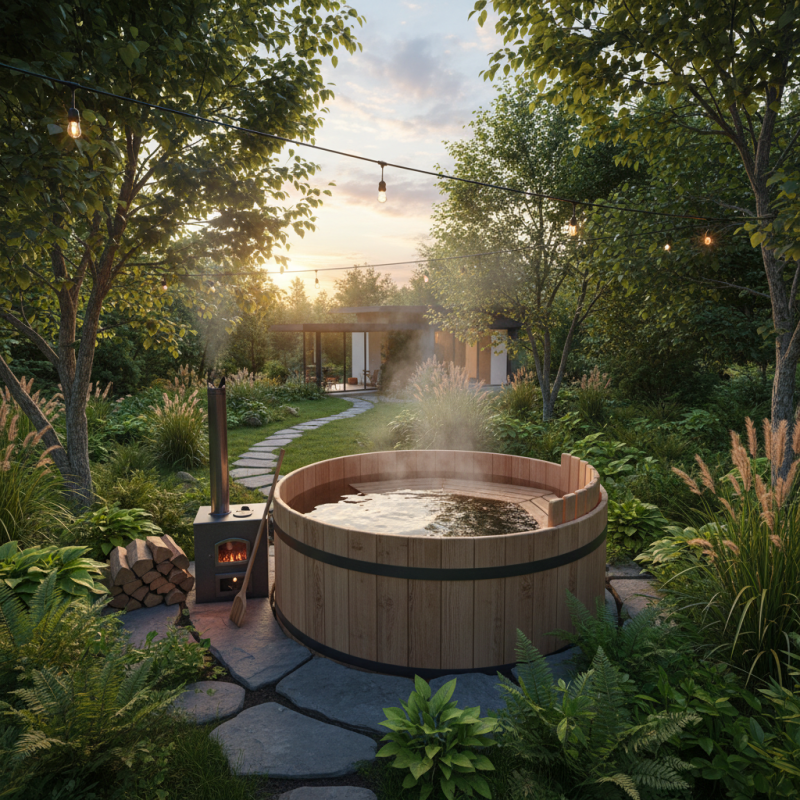
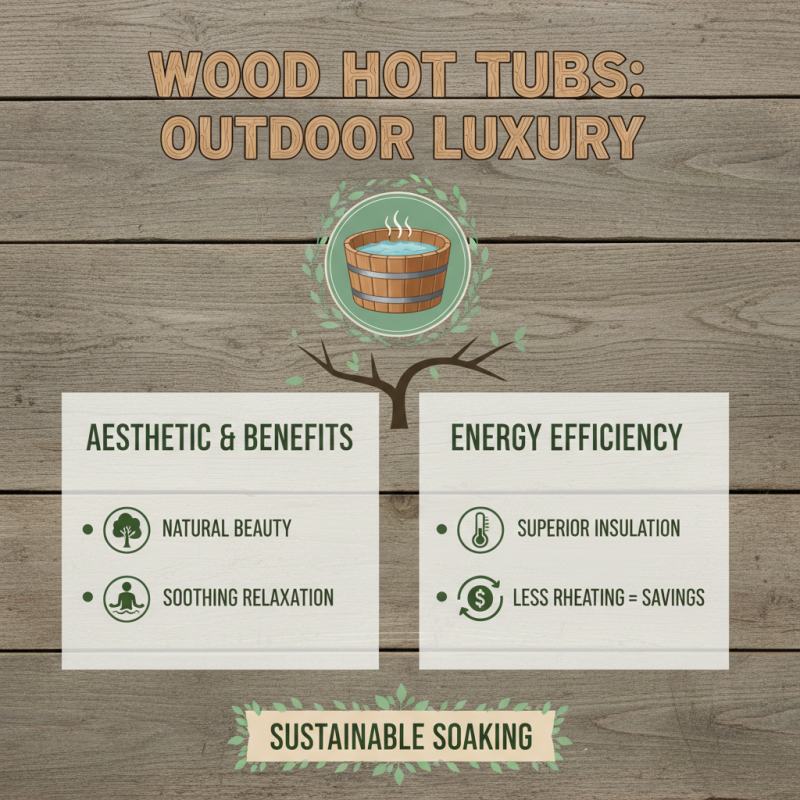
Wood hot tubs have gained popularity for outdoor spaces due to their aesthetic appeal and numerous benefits. One of the most significant advantages of wood hot tubs is their natural insulating properties. Wood retains heat remarkably well, ensuring that the water stays warm longer than typical materials. This energy efficiency means less heating required and a more sustainable experience, allowing users to enjoy soothing soaks without excessively impacting their utility bills.
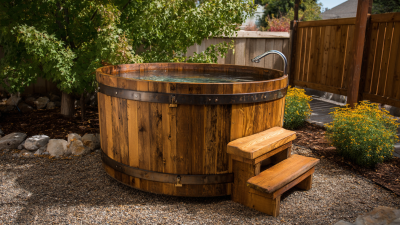
Another benefit is the natural ambiance that wood hot tubs create in any outdoor setting. The rustic charm of wood complements various landscaping styles, from traditional gardens to modern patios. The earthy elements of the wood not only provide an inviting atmosphere but also promote a sense of tranquility that's perfect for relaxation. Additionally, many users appreciate the unique, handcrafted nature of wooden tubs, often made from durable woods like cedar or redwood, which can enhance the overall outdoor experience through their natural scents and organic appeal.
Furthermore, wood hot tubs often feature ergonomic designs that promote comfort. Their spacious interiors allow for leisurely bathing, making them ideal for both solo relaxation and social gatherings. The versatility of wood tubs makes them suitable for year-round use, whether providing warmth in winter or a cool retreat in the summer. This multifaceted functionality ensures that a wood hot tub can become a cherished focal point in any outdoor space.
When selecting a wood hot tub for your outdoor space, there are several crucial factors to consider to ensure a fulfilling experience. One of the primary considerations is the type of wood used. Cedar and redwood are often favored for their natural resistance to decay and insects. According to a report from the Wood Components Manufacturers Association, these woods not only provide durability but also enhance the thermal properties of hot tubs, making them energy-efficient and reducing heating costs by up to 30% when compared to traditional materials.
Another significant factor is the size and capacity of the hot tub. It’s essential to assess your space and how many people you expect to accommodate. Industry research indicates that the average wood hot tub accommodates 4 to 6 people comfortably, allowing for a social experience without overcrowding. Moreover, having the right depth and width can significantly impact the overall enjoyment, as a well-sized tub ensures comfortable seating and relaxation. Additionally, evaluate the placement in your outdoor area, as proximity to utilities and scenic views can enhance your soaking experience. Integrating these factors will guide you to selecting the ideal wood hot tub that complements both your aesthetic and practical needs for 2025.
This chart illustrates the importance of various factors to consider when selecting a wood hot tub. Each factor is rated on a scale from 1 to 10 based on its significance in the decision-making process.
When choosing a wood hot tub for your outdoor space, understanding the types of wood used in hot tub construction is essential. Popular choices include Western Red Cedar, Redwood, and Teak. Western Red Cedar is renowned for its natural resistance to decay and insects. Its unique aromatic properties contribute not only to the sensory experience of soaking but also aid in preventing mold growth. This wood expands and contracts well with temperature changes, ensuring longevity and durability for your hot tub.
Redwood is another favored option due to its splendid appearance and durability. It possesses a rich color and is naturally resistant to water, making it ideal for outdoor use. Its lightweight nature allows for easier transportation and installation. Additionally, the smooth grain of redwood provides a comfortable surface for relaxation. On the other hand, Teak wood is celebrated for its exceptional strength and resilience. Often considered the best for outdoor furniture, its high natural oil content protects against moisture and extremes in weather, making it a great candidate for hot tub construction as well.
Ultimately, each wood type offers unique benefits that can enhance your hot tub experience. Careful consideration of the wood’s properties will ensure that your selection not only complements your outdoor aesthetic but also withstands the elements for years to come.
When choosing a wood hot tub for your outdoor space, the first step is to evaluate the size and capacity requirements that best suit your needs. Consider the dimensions of your patio or backyard, as well as the layout of your outdoor area. A larger space can accommodate a big tub that holds multiple people, creating an inviting social hub for family and friends. Conversely, if you're working with a smaller space, a compact model may be a better fit, allowing for a cozy experience without overcrowding your area.
Next, think about the capacity based on how many people you plan to enjoy the hot tub with regularly. Hot tubs vary in size, often ranging from small two-person models to larger configurations that can seat eight or more. Keep in mind that each additional person requires more space, not just for comfort but also for safety. It’s also essential to reflect on how you plan to use the hot tub – whether for relaxation, entertainment, or therapeutic benefits. By carefully assessing both the space available and your intended use, you can select the perfect wood hot tub that enhances your outdoor living experience while fitting harmoniously within your environment.
| Size (ft) | Capacity (People) | Area Required (sq ft) | Water Volume (Gallons) | Recommended Space Type |
|---|---|---|---|---|
| 5 x 5 | 2-3 | 25 | 150 | Small Backyard |
| 6 x 6 | 3-4 | 36 | 200 | Medium Backyard |
| 7 x 7 | 4-5 | 49 | 280 | Large Backyard |
| 8 x 8 | 5-6 | 64 | 400 | Spacious Garden |
| 9 x 9 | 6-7 | 81 | 500 | Outdoor Retreat |
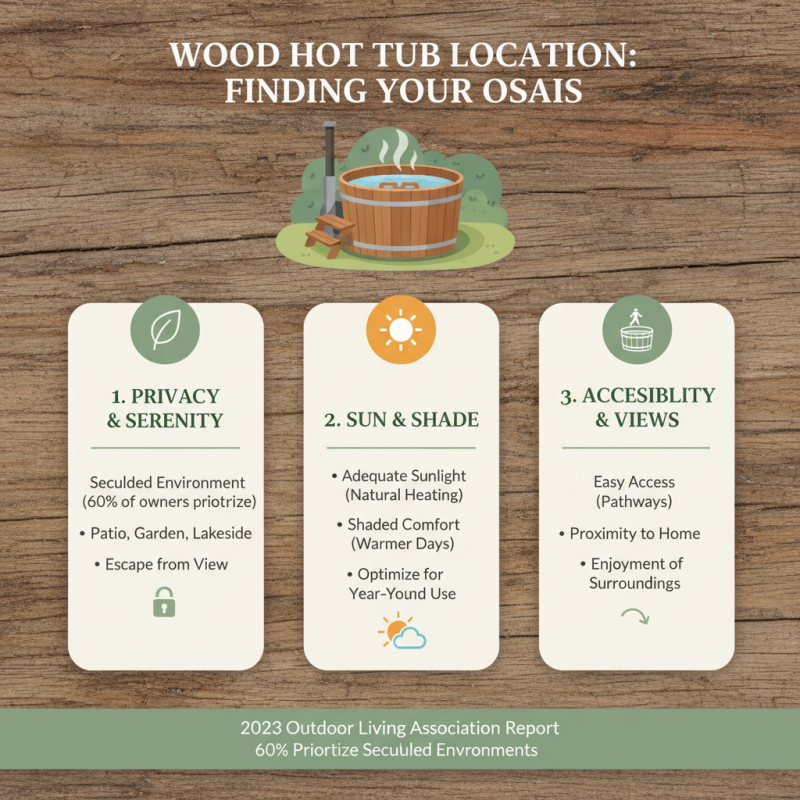
When selecting the perfect location for your wood hot tub, consider factors such as privacy, aesthetics, and accessibility. According to a 2023 industry report from the Outdoor Living Association, approximately 60% of hot tub owners prioritize a serene and secluded environment. Ideal placements include patio areas, gardens, or even next to a naturally occurring body of water. Ensure the location receives adequate sunlight during the day to warm the water naturally, while also providing shaded areas for comfort on warmer days.
Installation guidelines are equally crucial. A flat, sturdy foundation is essential to support the weight of the filled hot tub, which can exceed 3,000 pounds. It’s recommended to use paving stones or a reinforced deck. Additionally, positions close to existing plumbing or electrical sources streamline maintenance and enhance safety. The National Spa and Pool Institute suggests a minimum distance of 10 feet from structures to help prevent any potential overheating issues and allow for proper airflow.
Tips: To enhance your hot tub experience, consider planting fragrant flowers or installing privacy screens around the area. Using natural landscaping can create a tranquil atmosphere, promoting relaxation and enjoyment during your outdoor soak. Regularly assess the seasonality of your chosen location; for example, trees can lose leaves in autumn, requiring more upkeep to maintain cleanliness in your tub.
When investing in a wood hot tub, understanding its maintenance and care is crucial to ensure longevity and a delightful bathing experience. According to a recent report from the Outdoor Industry Association, nearly 60% of hot tub owners prioritize durability and maintenance ease when choosing their spa. Regular upkeep not only prolongs the life of the tub but also enhances its aesthetic appeal and functionality.
To maintain a wood hot tub, it’s essential to perform regular inspections of the wood condition and apply protective treatments to stave off rot and degradation. Routine cleaning with mild soap and water, along with periodic checking of the seals and joints, can prevent water leaks and structural damage. The report also emphasizes the importance of maintaining water chemistry; keeping pH levels balanced can reduce corrosion and biofilm buildup, which significantly enhances the installation's lifespan. In fact, improperly managed water chemistry can cut the life expectancy of a wood hot tub by up to 30%, so it's vital for owners to invest time in regular testing and treatment of their water.
Additionally, seasonal care plays a crucial role in longevity. In colder months, it's advisable to drain the tub and perform comprehensive inspections to prevent ice damage. A recent study highlighted that 45% of hot tub damage occurs due to negligence during off-peak seasons. Building a routine around both regular maintenance and seasonal care ensures that your wood hot tub remains a welcoming retreat for years to come.
When considering a wood hot tub for your outdoor space in 2025, it’s crucial to explore additional features and accessories that can significantly enhance your relaxation and enjoyment. Recent industry reports indicate that the incorporation of modern technology into traditional hot tubs is gaining traction, with approximately 60% of consumers expressing interest in integrated hot tub features such as Bluetooth speakers, LED lighting, and customizable water temperature controls. These amenities not only improve the overall experience but also cater to the growing trend of creating a luxurious spa-like atmosphere in residential settings.
Moreover, the accessory market for wood hot tubs has expanded, providing options that enhance comfort and utility. Adding an insulated cover can help maintain heat, reducing energy costs and making your hot tub more eco-friendly, as highlighted in the 2023 Eco-Friendly Hot Tub Study. Furthermore, accessories like built-in seating or removable steps increase accessibility and comfort, ensuring that users of all ages can enjoy the soothing benefits of a wood hot tub.
Incorporating additional features such as Aromatherapy diffusers and water purification systems can greatly improve the bathing experience. Research from the Outdoor Spa Association shows that around 45% of hot tub users value a clean and tranquil environment, making these additions particularly appealing. By combining traditional wood craftsmanship with contemporary enhancements, you can create a truly personalized oasis that meets your relaxation needs while aligning with the evolving lifestyle trends of 2025.
: The main advantages of wood hot tubs include their natural insulating properties, which retain heat well, creating energy efficiency and a sustainable experience. They also enhance outdoor aesthetics with their rustic charm and promote an inviting atmosphere suitable for relaxation.
Wood hot tubs are more energy-efficient compared to other materials as they retain heat longer, requiring less energy for heating. This results in reduced utility bills and a more sustainable bathing experience.
Common types of wood used in hot tubs include durable options like cedar and redwood, known for their longevity and natural scents, which enhance the overall outdoor experience.
Regular inspections of the wood condition, applying protective treatments, routine cleaning with mild soap and water, and maintaining balanced water chemistry are essential for prolonging the life of a wood hot tub.
Properly managing water chemistry is crucial as imbalanced pH levels can lead to corrosion and biofilm buildup, potentially reducing the tub's lifespan by up to 30%.
In colder months, it’s advisable to drain the tub and perform comprehensive inspections to prevent ice damage, which is a significant cause of hot tub damage during off-peak seasons.
Modern enhancements for wood hot tubs include integrated Bluetooth speakers, LED lighting, customizable water temperature controls, and features like aromatherapy diffusers and water purification systems.
Accessories such as insulated covers, built-in seating, and removable steps can significantly enhance accessibility, comfort, and energy efficiency for users of all ages.
Landscaping that complements the rustic charm of wood can create a tranquil environment, making the outdoor space more inviting and enhancing the overall relaxation experience.
There is a growing trend towards customizing wood hot tubs with various features and accessories to create a luxurious spa-like atmosphere that caters to individual relaxation needs.
Choosing the perfect wood Hot Tub Outdoor can significantly enhance your backyard experience, offering both relaxation and aesthetic appeal. This guide emphasizes the numerous benefits of wood hot tubs, highlighting their natural look and thermal efficiency. When selecting the ideal model, consider factors such as the types of wood used in construction, which can affect durability and maintenance needs.
Equally important are size and capacity requirements to ensure the hot tub fits seamlessly into your outdoor space. Proper placement and installation are crucial for safety and usability, while regular maintenance can help prolong the life of your wood hot tub. Additionally, exploring various features and accessories can elevate your outdoor experience, ensuring that your investment provides enjoyment for years to come.