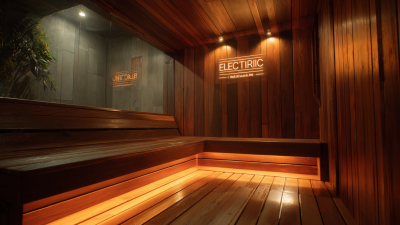
You know, with everyone getting more into wellness and self-care these days, it’s no wonder that home saunas are becoming super popular. In fact, the global sauna market is expected to hit a whopping $6.2 billionby 2027, as noted in a report from MarketWatch! Choosing the right sauna for your home isn’t just about what looks good; it’s also a pretty big investment in your health and relaxation. But here’s the thing: it can get a bit tricky. You’ve got to consider different types of saunas, like traditional versus infrared, the space you have available, and what materials are best for construction.

Here at Huizhou VapaSauna and Swimming Pool Equipment Co., Ltd. in Huizhou, China, we’ve got over 10,000 square meters of cutting-edge manufacturing space and a talented team of more than 20 technicians who are dedicated to creating quality sauna options. Our motto is "Made in China, Shared Globally, Quality You Can Trust," and we really aim to give homeowners the best choices for their sauna needs, blending style, function, and value that lasts.
Understanding the Different Types of Saunas for Home Use
So, if you're thinking about adding a sauna to your home, it’s super important to know about the different types out there. You’ve probably heard of Traditional Saunas, right? Often called Finnish Saunas, these bad boys use heated stones to create a really high temp with low humidity. If you’re after that classic sauna vibe that totally helps you chill out and detox, this is your go-to. The heat gets you sweating, which can do wonders for things like circulation and muscle relaxation—who doesn’t want that?
But then there’s the newer trend: Infrared Saunas. They're kind of taking over the wellness scene since they work at lower temperatures but still penetrate deep into your tissues. Instead of heating up the air, these saunas use infrared heaters to deliver heat directly to your body. So, if you think traditional saunas are a bit too steamy for you or you just want a softer experience, infrared might be your jam. Plus, they tend to use less energy and can be easier to set up, which is definitely a win if you’re looking to boost your wellness space without too much hassle.
Key Factors to Consider When Choosing a Home Sauna
Picking the right sauna for your home can be a bit of a challenge, right? There are a few key things you really want to think about. First off, the size of the sauna is super important. You need to make sure it fits in the space you have, plus consider how many people are likely to use it. If it’s just for you, a smaller sauna might do the trick, but if you’ve got a family or like entertaining friends, you might want to go for something larger. And don’t forget to measure your area so you get a nice fit without it crowding your living space.
Then there’s the type of sauna to consider. You can choose between traditional Steam Saunas and infrared ones, each with its own perks. Traditional saunas offer that classic, steamy experience, while infrared saunas run at lower temps and are praised for their ability to penetrate deeper into your muscles. It’s really about what you're aiming for health-wise, what feels good to you, and how much upkeep you're willing to manage.
And of course, let’s talk budget. You want a sauna that not only fits your wallet but also meets your quality standards and comes with a good warranty for peace of mind. After all, it’s an investment in your relaxation and wellness!
Comparing Traditional vs. Infrared Saunas: Pros and Cons
So, if you’re thinking about putting a sauna in your home, it’s really important to get a grasp on the main differences between traditional and infrared saunas. Each type has its own perks and downsides, you know? Traditional saunas heat up the air using a stove, usually cranking the temperature up to somewhere between 150°F and 195°F. The World Health Organization points out that using a traditional sauna might boost your heart rate and help your cardiovascular system work better because the heat gets you sweating and detoxing. But here’s the kicker—they can take a while to warm up and tend to use a lot more energy, which might not sit right with all homeowners.
Now, when we look at infrared saunas, they’re a bit different. They warm you up directly using infrared light, and usually, the temps are a bit lower, like around 120°F to 140°F. Some studies from the Journal of Clinical Medicine say that you can still get pretty similar health benefits from an infrared sauna, like better blood circulation and muscle relaxation, plus they usually use about 30% less energy! Many folks find them a lot more comfortable too, thanks to the cooler air. Yet, some people say that it doesn't have that classic sauna vibe, missing out on that intense heat you get with traditional setups. At the end of the day, it really comes down to what you’re into, how much space you have, and what kind of health benefits you’re aiming for.

Space and Installation Requirements for Home Saunas
So, you're thinking about adding a sauna to your home? That sounds awesome! But before you dive in, it's super important to take a good look at the space you're working with and what it’ll take to get everything set up. Ideally, you'll want at least 4 to 6 feet in width and a solid 8 feet in height. This way, you’ll have enough room to stretch out and breathe easy. Oh, and don't forget about ventilation – it’s a big deal! Good airflow helps keep the humidity in check and makes your sauna experience way more enjoyable and safe. On top of that, make sure your power supply is sorted; most home saunas need a 240-volt electrical connection to run smoothly.

At Huizhou VapaSauna and Swimming Pool Equipment Co., Ltd., we totally get that picking the right sauna can feel like a bit of a maze. Our place in Huizhou, China, is pretty big – over 10,000 square meters! Plus, we’ve got a talented team of tech wizards who are all about innovation. We aim to provide tailored solutions that fit your specific needs, making sure your sauna is just right for your home.
Here are a few tips:
- Be sure to measure your space accurately before you choose a sauna model; you don’t want any surprises during installation!
- Think about what kind of sauna you’re leaning toward – whether it's traditional, infrared, or steam. Each type has its own quirks when it comes to space and setup.
- And one last thing: check that your home’s electrical system can handle the extra load, just to keep everything safe and sound.
Evaluating Costs: Budgeting for Your Home Sauna Purchase
So, if you’re thinking about getting a home sauna, budgeting really is a big deal. It can seriously affect how much you enjoy the experience. The price tag on a sauna can jump around a lot, depending on what type you want and what features you're looking for. Generally, traditional saunas are on the more affordable side, but infrared ones can be a bit more expensive – though they’re super efficient and tend to cost less to run in the long run. You want to think about the long-term perks of whatever you decide to invest in. For example, having an infrared sauna might mean you save some bucks on your energy bills since they don’t use as much power.
Oh, and don't forget about installation and maintenance costs! It’s usually a good idea to have a pro come in to set it up, especially if you’re going for one of the bigger models. That can definitely add to your overall budget. Plus, there are ongoing costs to consider too, like electricity, water usage, and supplies for keeping everything in shape. By taking a step back and looking at all these factors together, you’ll get a clearer picture of what it really means to own a sauna. If you budget wisely for both that upfront cost and what you’ll spend down the road, you can soak up all those awesome health benefits without feeling like you’re breaking the bank.
Health Benefits of Regular Sauna Use: What to Know Before You Buy
Thinking about adding a sauna to your home? You’re in for a treat! But seriously, let’s chat about some pretty awesome health benefits you could get from using it regularly. A sauna isn't just a fancy luxury; it can actually do wonders for your body. For instance, hopping into a sauna often can give your heart a little workout. It improves blood circulation and can help bring down your blood pressure. The heat gets your heart pumping, which is kind of like a light exercise session—great for people who can’t go all out with intense workouts, right?
And that’s not all! Regular sauna sessions can be a win for detoxing and skin health too. You know when you sweat it out in there? It’s like your body’s way of flushing out toxins, which can leave your skin looking clearer and more refreshed. Plus, the soothing heat might help ease the pain from stuff like arthritis or sore muscles, which means you get that chill relaxation while also finding some relief. So, before you go picking one out, it’s a good idea to make sure the sauna you’re eyeing really packs those health benefits. That way, you’re investing in something that truly fits your wellness vibe!
Health Benefits of Regular Sauna Use
Exploring the Benefits of Sauna Experience: How the Sauna Accessory Set Enhances Relaxation and Wellness According to Industry Reports
Sauna experiences offer a unique way to unwind and promote wellness, and enhancing that experience with the right accessories can make all the difference. Industry reports consistently highlight the positive impact of saunas on both physical and mental health, revealing that the inclusion of quality sauna accessories can further amplify these benefits. One such essential addition to any sauna session is the Aluminium Bucket & Ladle Set from Vapasauna. Designed with both functionality and comfort in mind, this set is an indispensable tool for anyone looking to elevate their sauna rituals.
The lightweight yet durable construction of the Vapasauna Aluminium Bucket & Ladle Set makes it easy to handle, allowing users to effortlessly scoop and pour water over heated stones, creating that sought-after steam that enhances the sauna experience. Reinforced seams and rust-proof coatings ensure that the set stands the test of time, even in the high humidity of sauna environments. This is crucial for maintaining the quality and longevity of your accessories, providing peace of mind while you focus on relaxation.
Moreover, the ergonomic design of the ladle ensures a smooth pouring action, minimizing spills and maximizing enjoyment. By integrating such thoughtful sauna essentials, users can unlock the full potential of heat therapy, benefiting from increased relaxation and improved circulation. As wellness trends continue to emphasize holistic health practices, investing in high-quality sauna accessories like the Vapasauna Aluminium Bucket & Ladle Set can lead to a more fulfilling and revitalizing sauna experience.
FAQS
: A typical sauna requires a minimum of 4 to 6 feet in width and at least 8 feet in height for comfortable use and proper ventilation.
Proper ventilation is essential as it mitigates humidity, enhances user experience, and ensures safety during use.
Most residential saunas need a 240-volt electrical connection to operate efficiently.
It is important to measure your designated space accurately before selecting a sauna model to avoid potential installation issues.
Consider the type of sauna—traditional, infrared, or steam—as each has unique space and installation requirements that may impact your overall design.
Be sure to include the initial purchase price, installation costs, ongoing electricity and water usage, and maintenance supplies in your budget.
Infrared saunas can sometimes be pricier than traditional saunas, but they may lead to savings on energy bills due to their lower power consumption.
Yes, professional installation is often recommended, especially for larger models, as it can help avoid potential issues.
Expect ongoing expenses for electricity, water usage, and maintenance supplies to ensure your sauna operates safely and efficiently.