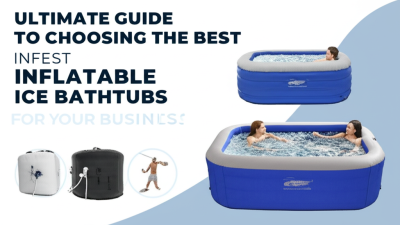
Hey there! So, you know how wellness and recovery have become pretty much a big deal these days? Well, the Cold Plunge Ice Barrel is really making waves among athletes and health buffs alike. Recent research shows that exposing yourself to cold water can do some pretty awesome things—like helping your muscles recover faster, cutting down inflammation, and just making you feel overall better. I read in the Journal of Sports Sciences that athletes who take a dip in cold water regularly notice about half the muscle soreness compared to those who skip it. Over here at Huizhou VapaSauna and Swimming Pool Equipment Co., Ltd., in Huizhou, China, we're all about delivering top-notch Cold Plunge Ice Barrels, made right in our cutting-edge facilities. We really focus on innovation and rely on science to make sure our customers get effective solutions that help them get the most out of their cold plunge routines. In this guide, I’ll share seven key tips so you can really maximize the benefits of using your Cold Plunge Ice Barrel—whether it helps with recovery, health, or just feeling good overall.
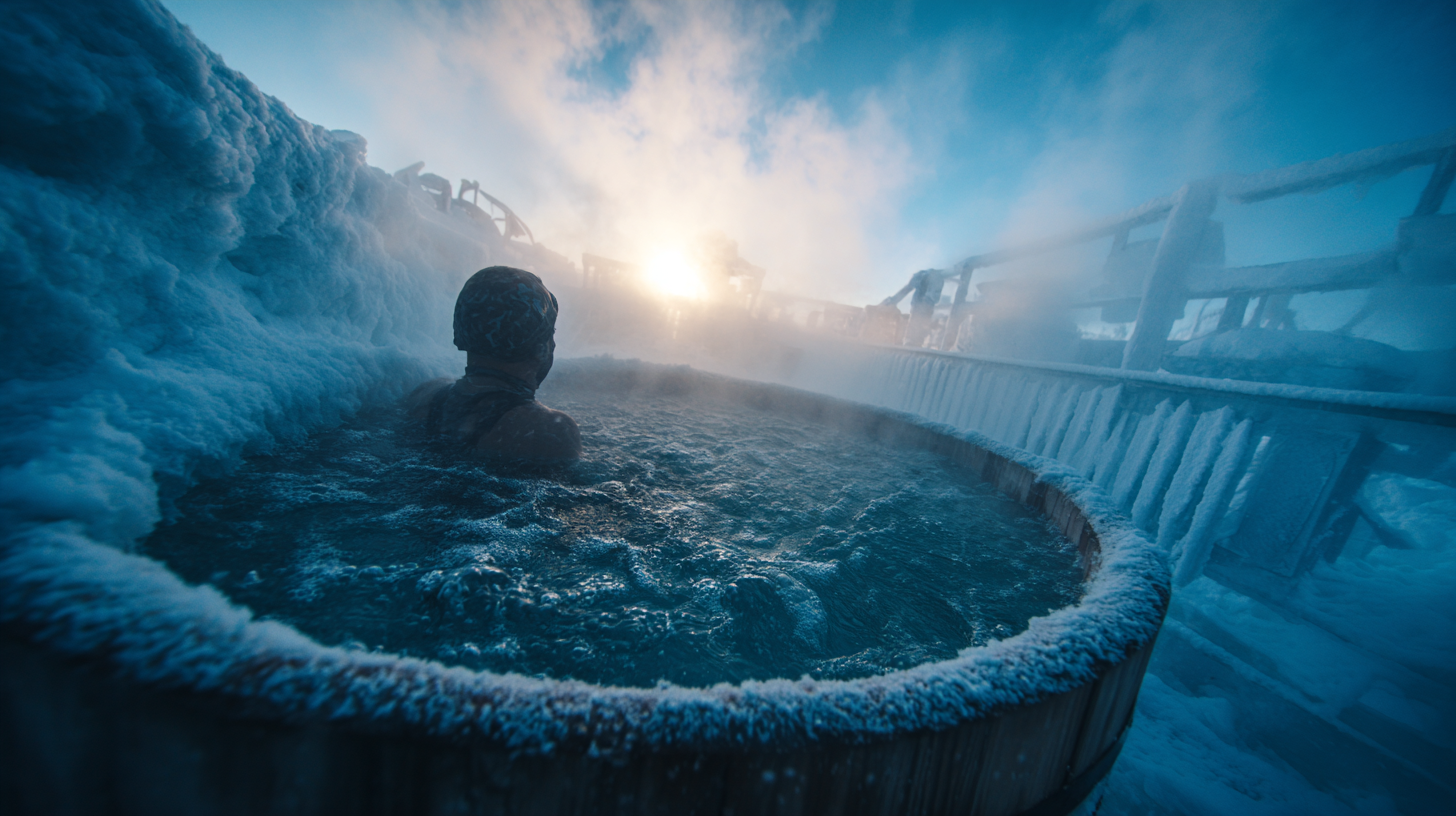
Choosing the Right Temperature for Your Cold Plunge Sessions
When you're trying to get the most out of your cold plunge sessions, picking the right temperature really matters. From what I’ve read, the sweet spot for Ice Baths usually falls somewhere between50°F and 59°F (that's about 10°C to 15°C). At this range, a lot of folks notice a pretty big drop in muscle soreness and inflammation, which means you can bounce back faster after those tough workouts. There was a study in the Journal of Strength and Conditioning Research that showed people who soaked at these temps actually saw better recovery results compared to those who didn’t do Cold Water Immersion.
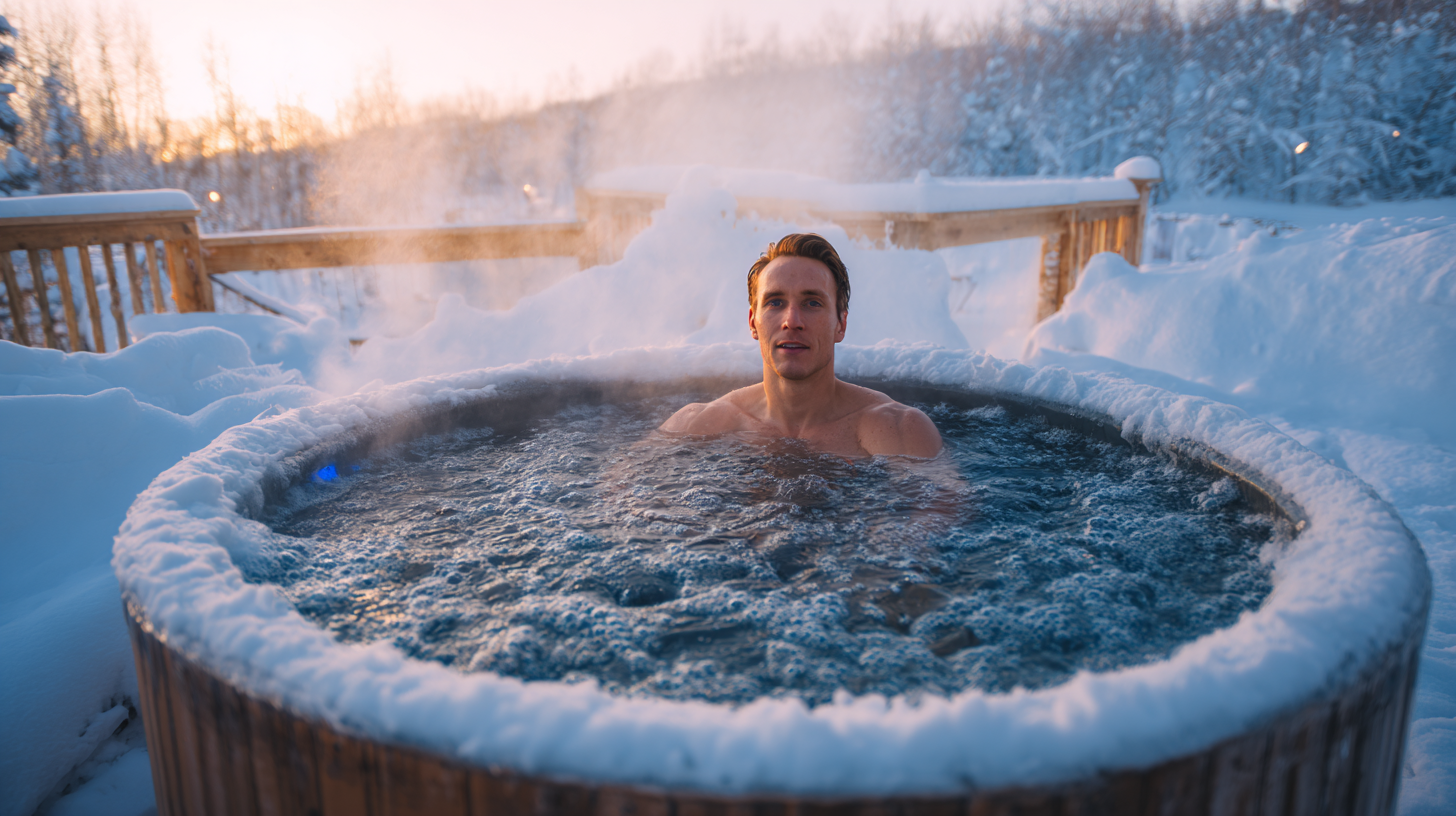
If you're new to this, a good tip is to start slow and get your body used to colder temps gradually. This way, your circulatory system gets a chance to adapt, and you’ll probably get more out of each session. Also, don’t go overboard—sticking to around 10 to 15 minutes is usually enough. Staying in much longer could lead to some not-so-great stuff like hypothermia or just feeling pretty drained afterward. Keep an eye on how your body reacts during and after, and you’ll find that sweet spot that works best for you. Over time, this little routine can turn into a seriously powerful tool to boost your recovery and performance.
Timing Your Cold Plunge: Optimal Duration for Maximum Benefits
When you're trying to get the most out of your cold plunge, timing really matters. Usually, staying in an ice barrel anywhere from 3 to 10 minutes hits that sweet spot. It gives your body enough time to respond well to the cold— boosting circulation and helping with inflammation— without pushing you over the edge. If you’re just starting out, it’s totally smart to go for shorter sessions at first and then gradually crank up the time as your body gets used to it. That way, you’ll maximize all the good stuff without feeling overwhelmed.
Also, paying attention to how your body feels is super important. Many people find that after that initial shock, they can kind of settle into a peaceful, focused state, which makes the benefits even bigger. Consistency is key, so maybe try to fit cold plunges into your weekly wellness routine. Sticking with it not only helps your body get used to the cold more easily, but over time, you’ll notice things like better mood and faster muscle recovery. Finding that perfect duration— your personal 'sweet spot'— makes each plunge feel more like a rewarding part of your self-care routine, rather than a chore.
Optimal Duration for Cold Plunge Sessions and Their Benefits
Preparing Your Mind and Body Before Each Cold Plunge
Getting your mind and body ready before jumping into a cold plunge is really important if you want to get the most out of this invigorating routine. Cold water therapy isn’t just about feeling refreshed—it’s been shown to help with quicker recovery, lift your mood, and even ease some aches. So, honestly, it’s a pretty awesome addition to your wellness toolkit. If you’re new to it, the key is to go in with a positive mindset. Sometimes, visualization helps—a quick imagination of that icy, refreshing sensation or just focusing on your breathing can make the shock of the cold a lot easier to handle.
Tip 1: Start small. If you’re just beginning, try diving in for about 30 seconds, and then slowly work your way up as your body gets used to it. Taking it step by step helps you build up resilience and makes the experience more manageable.
Tip 2: Do a quick warm-up beforehand. Some light exercise—like a brisk walk or some stretches—can get your heart rate up and prepare your body for the cold. It’s a simple trick that can make the plunge safer and way more comfortable.
As you get into the routine, always listen to your body. Don’t push too hard too fast—go at a pace that feels right for you. Doing this regularly can really boost your physical and mental health, especially as more research keeps showing how beneficial cold water therapy can be. So, take it slow, stay consistent, and enjoy the process!
Incorporating Breathing Techniques to Enhance Your Experience
Breathing techniques really matter when you're jumping into a cold plunge or ice barrel. I read somewhere — like in the Journal of Applied Physiology — that controlling your breath can actually change how your body reacts to the cold. It’s pretty wild! For example, diaphragmatic breathing, which is basically breathing deep from your belly, can activate the vagus nerve. That’s the one that helps slow your heart rate and make you feel more relaxed. When you do this right, it helps you handle that shocking cold a lot better and stay in longer, so you can really get the most out of your cold therapy.
And if you’re really into it, trying out the Wim Hof breathing method can take things up a notch. A study in the International Journal of Environmental Research and Public Health showed that people practicing Wim Hof’s technique reported feeling less anxious and thinking more clearly while in the cold. With ice baths becoming more popular lately, it’s pretty important to pick up some good breathing habits — not just to make the cold easier, but also to give your mental toughness a bit of a boost. When you focus on your breath, you don’t just get physically better at handling the cold — you also build mental resilience, which can really help with recovery and overall well-being. It’s all about using your breath to make the whole experience better, stronger, and more beneficial for body and mind.
Post-Plunge Recovery: Best Practices for After Your Ice Barrel Session
Recovering well after your cold plunge is super important if you want to get the most out of it. After stepping out of that icy barrel, your body’s going through some serious changes, and how you look after yourself now can really make a difference. One thing I always recommend is taking it slow with rewarming— resist the urge to jump straight into a hot shower. Instead, try wrapping yourself in a warm towel or doing some light stretching in a cozy spot. Trust me, letting your body warm up naturally, bit by bit, is way better in the long run.
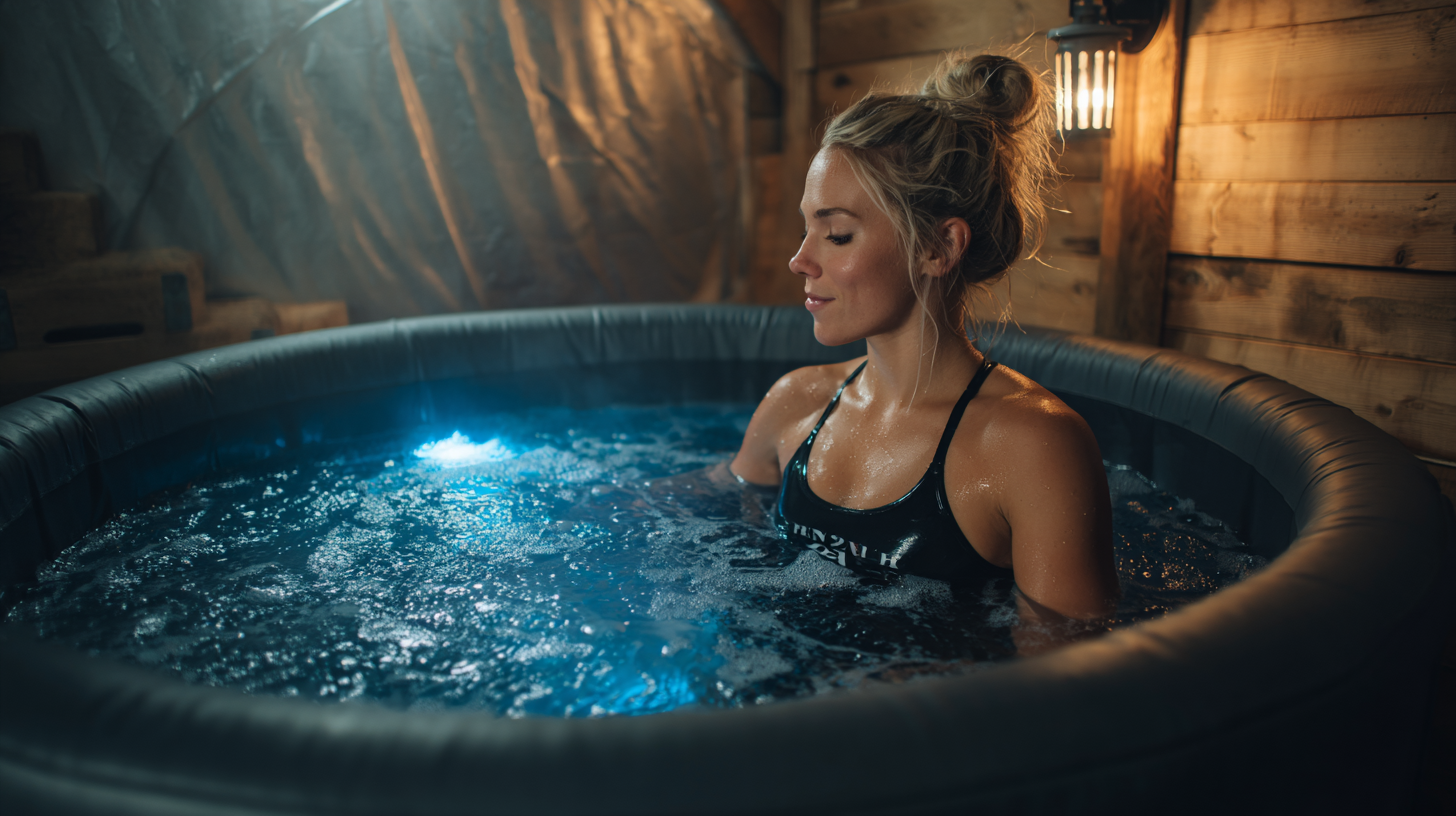
Also, don’t forget about hydration. Cold exposure can dehydrate you a little, so make sure to drink plenty of water or an electrolyte drink to rehydrate. It’s also a good idea to snack on something nutritious—think protein or healthy fats—to support muscle recovery and boost your energy levels. And if you have a few moments, doing some gentle movement like yoga or even just some deep breathing and mindfulness can really help relax your mind and deepen the calming effects of the cold plunge. Adding these little routines after your cold exposure can not only speed up your recovery but also magnify the overall benefits. Once it becomes part of your regular habit, you’ll start to notice even more positive changes.
Tracking Your Progress: How to Measure the Benefits of Cold Therapy
Keeping track of how you’re doing during your cold plunge sessions isn’t just helpful—it’s pretty much essential if you wanna really understand how cold therapy works for you. One way I’ve found that works pretty well is to keep a journal. Just jot down how you’re feeling before and after each dip—stuff like how long you were in, how your body feels afterwards, and whether any soreness or inflammation shows up. It might sound simple, but seeing your progress in black and white can be super motivating. Plus, it’s kinda satisfying to watch those improvements add up over time.
Oh, and if you're into tech, you might wanna toss in some extra data—like tracking your heart rate variability or your sleep quality with a fitness tracker. These little insights can really give you a better idea of how cold plunges are helping your recovery and overall health. When you mix those subjective feelings with some hard data, you get a pretty complete picture of how this whole cold therapy thing is impacting both your mind and body. That way, you can tweak your routine to get the max benefits. Basically, just find what works best for you and stay consistent—because that’s how you really see the results happen.
Unlocking the Benefits of Cold Water Therapy: Insights from Recent Hydrotherapy Research and Vapasauna CT006 Highlights
Cold water therapy has gained significant attention in recent years, especially with the latest research highlighting its numerous health benefits. This practice not only aids in reducing inflammation and muscle soreness but also enhances mental clarity and boosts overall wellbeing. Recent studies have shown that exposure to cold water can stimulate the body's natural healing processes and improve circulation, making it an essential component for athletes and wellness enthusiasts alike.
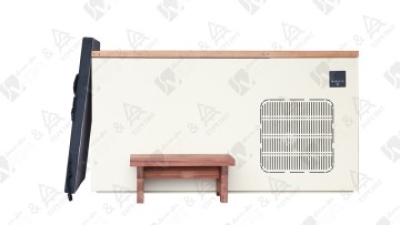
At the forefront of this therapeutic trend is our icetub, crafted from robust 1.2mm thick 304 stainless steel. This innovative design not only ensures durability and longevity but also elevates the bathing experience, allowing users to fully immerse themselves in the invigorating power of cold water therapy. The icetub is engineered for both comfort and efficiency, making it a perfect addition to any home or wellness center. Embracing cold water therapy through our icetub can transform your health routine, offering a refreshing approach to relaxation and recovery that is backed by science.
FAQS
: Breathing techniques help manage the body's physiological response to cold exposure, improving stress management and overall performance.
Diaphragmatic breathing stimulates the vagus nerve, reducing heart rate and promoting relaxation, which helps individuals tolerate the shock of cold water.
Practicing the Wim Hof breathing technique can reduce anxiety levels and improve mental clarity during cold exposure sessions.
Breathing practices ease discomfort and enhance mental resilience, allowing individuals to better handle cold temperatures and maximize recovery benefits.
Maintaining a dedicated journal to record feelings, immersion duration, and post-plunge responses is an effective way to track your progress.
Tracking heart rate variability (HRV) and sleep quality using wearable devices can provide insights into the effects of cold therapy on recovery and well-being.
Combining subjective experiences from journaling with objective data from wearable devices gives a well-rounded understanding of the impact of cold plunges.
Record your feelings before and after each session, the duration of your immersion, and any changes in soreness or inflammation levels.
Conclusion
Adding a Cold Plunge Ice Barrel to your wellness routine can really boost your health — but only if you go into it with the right knowledge and prep. Honestly, picking the right temperature and knowing when to do your sessions makes all the difference; it helps get the most out of the therapy. Before jumping in, take a moment to get your mind and body ready, and try some breathing tricks — they can make the whole experience feel a lot smoother.
After your plunge, it’s super important to do some recovery routines. This helps your body adapt and feel refreshed faster. And, of course, keeping track of how you’re doing along the way is a great way to see the benefits and stay motivated on your wellness journey.
Here at Huizhou VapaSauna and Swimming Pool Equipment Co., Ltd., we're all about helping you get the most out of your Cold Plunge Ice Barrel — because a healthier lifestyle is totally within reach, and we’re here to support you every step of the way.