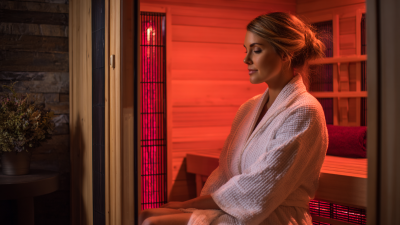
Lately, Sauna Baths have really taken off—not just as a trendy wellness thing, but as something folks genuinely find benefits in. I came across a study in the 'Journal of Preventive Medicine' that says hitting the sauna regularly can seriously lower your chances of heart problems and boost your overall health. Dr. Richard K. Hurst, who's pretty well-known in the health world, puts it simply: "A sauna isn't just about kicking back; it’s actually a powerful tool for boosting both your body and mind."
More and more people are looking for natural ways to unwind and feel better, and the healing perks of sauna sessions are becoming more recognized both scientifically and personally. Turns out, using the sauna often can improve blood flow, give your skin a nice boost, and even help you snooze better at night. With a bit of good info and some smart prep, pretty much anyone can enjoy the rejuvenating magic of a sauna and make it a regular part of their self-care routine.
This guide's here to highlight all those amazing benefits of Sauna Bathing while tossing in some handy tips to help you create a truly relaxing, effective experience. By understanding the science behind it and following some best practices, you can make the most out of your time in this warm, calming retreat. So, go ahead—embrace the peace and all the health perks that come with the art of sauna bathing. You’ll be surprised how good it feels—and how much it can do for you!
Understanding the Basics of Sauna Baths: History and Types
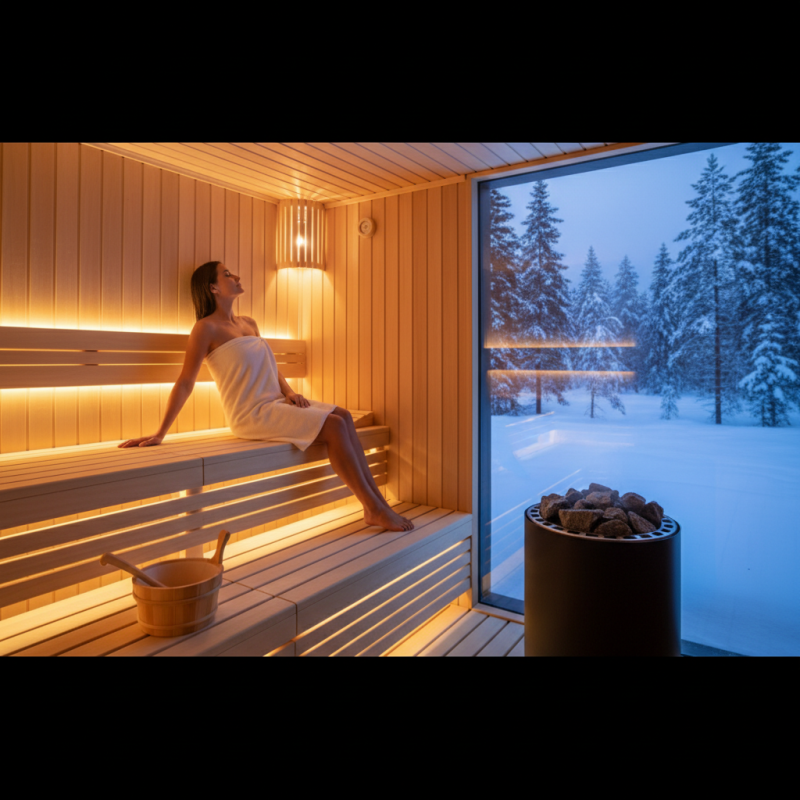
Sauna baths have a rich history that dates back thousands of years, with origins traced to various ancient cultures, particularly in Finland, where they are an integral part of daily life. The traditional Finnish Sauna features a wooden structure, often heated by stones that create a dry heat environment, promoting relaxation and well-being. Over time, the practice of sauna bathing spread across Europe and even to Asia, adapting various forms and incorporating unique cultural elements. This historical significance highlights the sauna's role not only as a means of physical relaxation but also as a social gathering space.
There are several types of saunas, each offering different experiences to bathers. Traditional Dry Saunas, like the Finnish sauna, utilize high temperatures with low humidity, while steam saunas, or steam rooms, provide a moist heat environment that can be particularly soothing for the respiratory system. Infrared saunas, a modern alternative, use infrared heaters to emit radiant heat, allowing for a deeper tissue penetration at lower temperatures. Each type caters to different preferences and health benefits, making sauna bathing a versatile practice that can enhance physical and mental well-being across various populations.
Health Benefits of Regular Sauna Use: Physical and Mental Well-Being
Regular sauna use offers an array of health benefits that significantly contribute to both physical and mental well-being. Physiologically, a sauna induces an increase in heart rate and blood circulation, mimicking the effects of moderate exercise. This cardiovascular workout can improve overall heart health, lower blood pressure, and enhance endurance. Furthermore, the heat from the sauna helps to relieve muscle tension, reduce joint pain, and promote faster recovery from exercise, making it an excellent addition to any fitness routine.
On the mental health front, the tranquil environment of a sauna fosters relaxation and stress relief. The heat encourages the release of endorphins, which can elevate mood and alleviate feelings of anxiety and depression. Moreover, the practice of taking time for oneself in a sauna serves as a valuable moment for mindfulness and self-reflection, allowing individuals to disconnect from daily stresses and rejuvenate their mental state. Enhanced sleep quality is another added benefit observed by many, as regular sauna sessions can help regulate the body’s circadian rhythms and promote deeper, more restorative rest.
The Ultimate Guide to Sauna Bath Benefits and Tips for a Relaxing Experience
| Benefit | Description | Frequency of Use | Duration of Session |
| Improved Circulation | Sauna use increases blood flow and promotes healthy circulation. | 3-4 times a week | 15-20 minutes |
| Stress Relief | Relaxation in a sauna helps lower cortisol levels and ease tension. | As needed | 10-30 minutes |
| Detoxification | Sweating in a sauna helps eliminate toxins from the body. | Weekly | 20-30 minutes |
| Muscle Relaxation | Heat from the sauna helps relieve tension in muscles and joints. | Post-workout | 15-25 minutes |
| Enhanced Skin Health | Steam and heat can help clear pores and improve skin texture. | 2-3 times a week | 20 minutes |
Essential Tips for Preparing for Your Sauna Session
Preparing for your sauna session is essential to maximize its benefits and ensure an enjoyable experience. First and foremost, hydration is key. According to a study published in the Journal of Human Kinetics, sauna use can lead to significant fluid loss—up to 1-2 liters during a single session. To counteract this, make sure to drink plenty of water before entering the sauna. Electrolyte-rich beverages can also be beneficial, especially if you plan to stay in the sauna for an extended period.
Another crucial aspect of preparation involves choosing the right time and environment for your sauna experience. Ideally, aim for a time when you are feeling mentally and physically relaxed, as stress can diminish the therapeutic effects of the sauna. A report by the Mayo Clinic suggests that setting the sauna’s temperature between 150°F and 195°F can promote cardiovascular benefits, such as improved circulation and relaxation. Additionally, consider wearing loose, breathable clothing or using a towel for comfort, allowing your body to absorb the heat effectively while preventing any restrictive feeling. By taking these steps, you can enhance your sauna experience, leaving you feeling rejuvenated and refreshed.
Recommended Sauna Duration and Frequency for Optimal Benefits
When it comes to maximizing the benefits of sauna bathing, understanding the recommended duration and frequency is crucial. According to a study published in the Journal of the American College of Cardiology, specific sauna use patterns correlate with improved cardiovascular health, highlighting that individuals who use saunas several times per week experience a 50% lower risk of cardiovascular-related deaths compared to those who use them less frequently. This suggests that aiming for 4-7 sessions per week, each lasting between 15 to 20 minutes, can significantly enhance these health benefits.
In addition to cardiovascular advantages, regular sauna use has been linked to decreased levels of stress and improved mental well-being. Research indicated that engaging in sauna sessions at least twice a week can promote relaxation and enhance mood due to the heat-induced release of endorphins. A typical sauna session should not exceed 20 minutes to avoid dehydration or overheating, particularly for individuals new to the practice. Maintaining this frequency and duration can create a consistent routine that yields not only physical benefits but also a profound sense of mental clarity and relaxation.
Post-Sauna Practices: Hydration and Cooling Down Techniques
Post-sauna recovery is a crucial aspect of maximizing the benefits of your sauna experience, centering primarily around proper hydration and cooling down techniques. Research indicates that during a sauna session, individuals can lose significant amounts of fluid, with some studies suggesting it can range from 0.5 to 1.5 liters, depending on the duration and temperature of the sauna. Therefore, rehydration is essential post-session to replenish lost electrolytes and maintain optimal bodily functions. Experts recommend drinking water or electrolyte-rich beverages to effectively restore hydration levels.
In addition to hydration, effective cooling down techniques are vital to conclude the sauna experience. A gradual cooldown helps the body return to its normal temperature and can prevent sudden changes that might cause dizziness or discomfort. Many practitioners suggest stepping out of the sauna and taking a cool shower, allowing the skin to adjust before fully cooling off. Taking deep breaths of cooler air can also assist in regulating body temperature. According to a survey conducted by the Journal of Thermal Biology, individuals who practice these cooling techniques report a higher level of relaxation and enhanced recovery, highlighting the importance of these post-sauna practices in achieving a truly rejuvenating experience.
Common Myths and Misconceptions About Sauna Baths
Sauna baths have long been celebrated for their myriad health benefits, but several myths and misconceptions continue to cloud public perception. One prevalent myth is that sauna use is unsafe for individuals with heart conditions. In fact, a study published in the Journal of the American College of Cardiology found that regular sauna bathing can improve cardiovascular health and reduce the risk of heart-related issues. The heat exposure in a controlled environment can enhance circulation and may even mimic the effects of moderate exercise, which is beneficial for heart health.
Another common misconception is that sauna baths contribute to significant weight loss through sweating. While it is true that saunas induce sweating, leading to temporary weight loss primarily from water loss, this does not equate to fat loss. According to the International Journal of Obesity, any weight lost during a sauna session is quickly regained with rehydration. Instead, the true benefits of sauna bathing lie in its ability to promote relaxation, improve skin health, and relieve muscle tension through increased blood flow. Understanding these nuances can help sauna enthusiasts maximize their experience without falling prey to misinformation.
Safety Guidelines for a Relaxing and Enjoyable Sauna Experience
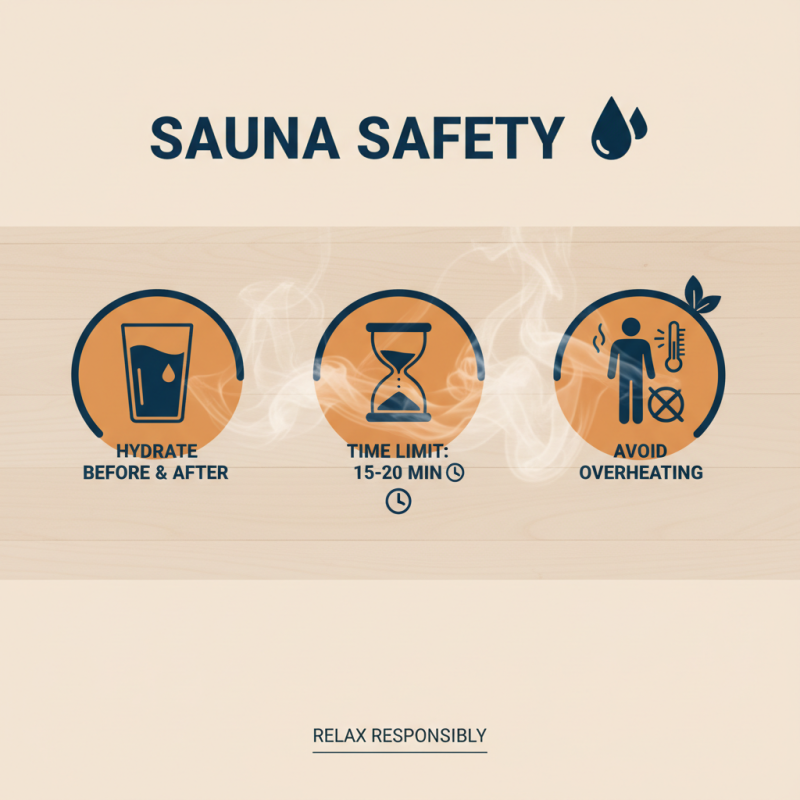
When enjoying a sauna, ensuring safety is paramount for a truly relaxing experience. Begin by hydrating adequately before entering to prevent dehydration. The high heat levels of the sauna can lead to excessive sweating, so it's crucial to drink water both before and after your session. Additionally, be mindful of your time inside the sauna; most sessions should last between 15 to 20 minutes to avoid overheating, especially for those new to saunas.
Another important guideline is to listen to your body. If you start feeling lightheaded or uncomfortable, it’s best to exit the sauna immediately. Wearing appropriate clothing—like a swimsuit or a towel—can help to regulate your body temperature. It's also wise to avoid using the sauna after consuming alcohol or heavy meals, as this can strain your body and hinder your ability to cool down effectively.
Here are some tips to enhance your sauna experience: consider using a towel to sit on, which promotes hygiene and comfort. To elevate relaxation, try incorporating calming music or aromatherapy using essential oils. Lastly, avoid intense physical activity immediately after your sauna session to allow your body to recover and fully enjoy the soothing effects of the heat. By adhering to these guidelines, you can maximize the benefits of sauna bathing while ensuring a safe and enjoyable experience.
Conclusion
Sauna baths have a rich history and come in various types, each offering unique benefits for relaxation and health. Regular use of sauna baths has been linked to improved physical and mental well-being, providing a soothing escape from daily stresses. To maximize the experience, it's essential to prepare effectively, understand the ideal duration and frequency of sessions, and adopt proper post-sauna practices like hydration and cooling down.
Moreover, misconceptions about sauna baths often lead to misunderstandings regarding their safety and effectiveness. By adhering to safety guidelines and educating oneself about common myths, individuals can enjoy a relaxing and rejuvenating sauna experience, ensuring they reap all the potential benefits of this timeless practice.