request to quote
Leave Your Message
0%

Lately, more and more people in recovery circles are trying out the Stainless Cold Plunge. Honestly, a lot of athletes and fitness fans swear by what it can do. Cold Water Immersion has been around for ages—think ancient traditions—but nowadays, tech has really stepped in to make it more accessible and effective.

When you hop into a Stainless Cold Plunge, that initial shock to your system hits hard. The cold water kicks off a response that can help reduce inflammation and get your blood flowing better. And it’s not just for pro athletes—regular gym folks are jumping into this too. That said, let’s be real—at first, it can feel kinda intimidating. That intense cold might make you question whether you’re really committed to your recovery journey.

It’s a good idea to take a moment to reflect while you’re doing it. How does your body react? Do you come out feeling energized, or does everything feel overwhelming? Paying attention to those feelings helps you get the most out of the experience. With a bit of guidance, the Stainless Cold Plunge can truly become a game-changer for your recovery routine. So, embrace the cold, but don’t forget to listen to what your body’s telling you—trust me, that’s key.
2026 How to Use a Stainless Cold Plunge for Recovery Benefits?

What is a Stainless Cold Plunge and Its Mechanism of Action?

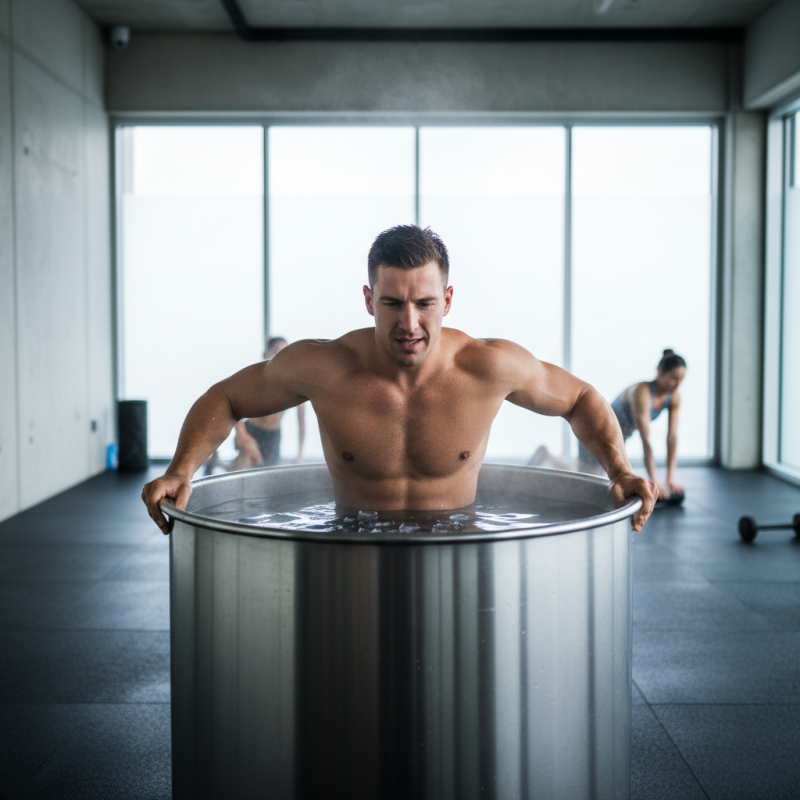
A Stainless Cold Plunge is a modern recovery tool that harnesses cold water immersion for therapeutic benefits. It consists of a stainless liner that enhances durability and hygiene. When athletes or fitness enthusiasts immerse themselves, the cold water constricts blood vessels. This process reduces inflammation and alleviates muscle soreness. The shock of cold water also kick-starts the body’s recovery mechanisms.

The mechanism behind a Stainless Liner Cold Plunge involves both physical and mental benefits. Physically, cold exposure can enhance recovery by flushing out toxins and increasing circulation once the body warms up again. Mentally, it provides an invigorating experience that can improve mood. However, not everyone can adapt to cold plunges. Some may find it challenging or uncomfortable. It's essential to listen to your body and approach with caution. Gradual exposure may be necessary to build tolerance. Embrace the process, even if it feels tough at first.

Key Recovery Benefits of Cold Water Immersion for Athletes

2026 How to Use a Stainless Cold Plunge for Recovery Benefits?

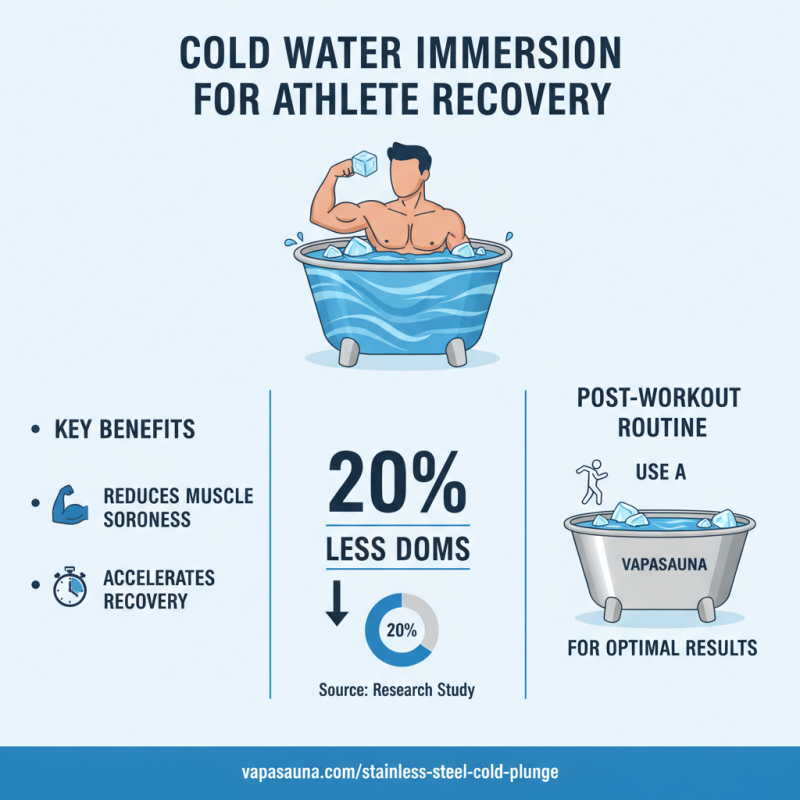
Cold water immersion has gained traction among athletes for its recovery benefits. Research indicates that athletes using cold water therapy can reduce muscle soreness. A study found that cold exposure can decrease delayed onset muscle soreness (DOMS) by 20%. This suggests that post-workout sessions in a Stainless Steel Cold Plunge can significantly aid recovery.

The physiological responses to cold immersion are fascinating. Cold exposure causes blood vessels to constrict, reducing inflammation and accelerating recovery. Athletes report improved performance levels after regular use. However, individual reactions vary. Some athletes may not feel the same benefits and might need to adjust their recovery strategies.

Hesitation around cold plunges often stems from discomfort with extreme temperatures. Reports show that maintaining a consistent routine can be challenging. The optimal soaking time recommended is between 10 to 15 minutes. Still, not everyone finds this easy. Assessing personal tolerance levels is crucial. Embracing this challenge may lead to greater benefits in the long run.

Optimal Temperature Ranges for Effective Cold Plunge Therapy

When using a Cold Plunge Stainless Steel tub, setting the right temperature is crucial. Typically, water temperatures between 50°F and 59°F (10°C to 15°C) are ideal. This range can effectively reduce inflammation and muscle soreness. Many people choose temperatures slightly above or below for personal comfort. Experimenting within this range can help you find what works best for your body.

Timing also plays a significant role in cold plunge therapy. A duration of 3 to 5 minutes is often effective. However, some may struggle with this duration at first. It's okay to start with just 1 to 2 minutes; listen to your body. Gradually increasing the time spent in the cold will result in better adaptation and recovery over time.

Recovery benefits may vary widely from person to person. Some individuals instantly feel invigorated, while others may experience initial discomfort. This discomfort can lead to hesitance in using The Cold Plunge Stainless Steel regularly. It's essential to reflect on these feelings and understand that improvement takes time and practice. Each plunge is an opportunity for growth, both physically and mentally.

Optimal Temperature Ranges for Effective Cold Plunge Therapy

Recommended Duration and Frequency for Cold Plunge Usage

2026 How to Use a Stainless Cold Plunge for Recovery Benefits?

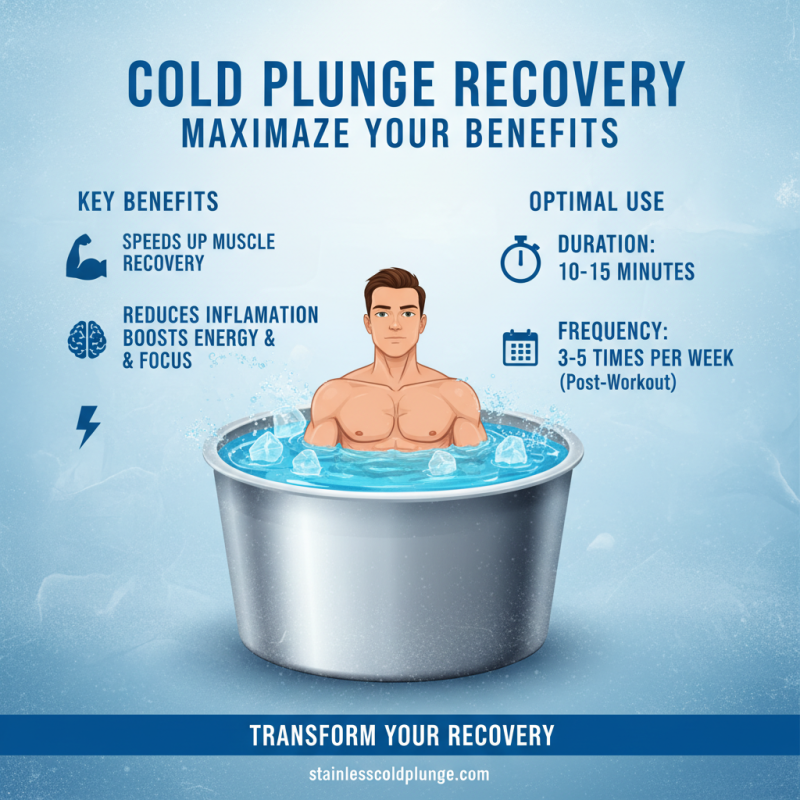
Using a stainless cold plunge can provide remarkable recovery benefits. To maximize these benefits, understanding recommended duration and frequency is crucial. Studies show that cold water immersion speeds up muscle recovery after intense workouts. For optimal results, immersing in cold water for 10 to 15 minutes is often suggested.

Research indicates that athletes who plunge for this duration report lower muscle soreness post-exercise. However, too frequent sessions, particularly daily plunges, may lead to diminishing returns. The body needs time to adapt. Therefore, a 2 to 3 times per week routine can balance recovery and adaptation.

Temperature also plays a critical role. Water between 50°F and 59°F appears most effective. Some users find it challenging to remain immersed for the full duration. Gradual exposure can build tolerance over time. Pay attention to your body’s signals. If shivering persists, it may be time to exit early. Adjusting these elements can refine your cold plunge practice.

Scientific Studies Supporting Cold Therapy for Muscle Recovery

Cold therapy has gained attention for its role in muscle recovery. Scientific studies support its benefits. One study published in the Journal of Sports Sciences highlights how cold exposure reduces muscle soreness and speeds up recovery time. Athletes using cold plunges reported feeling less pain and stiffness after intense workouts.

Research indicates that cold water immersion lowers muscle inflammation. A 2021 review found that cold therapy decreases the release of inflammatory markers in the body. It helps to constrict blood vessels, reducing swelling. This makes cold plunges a great option for post-exercise recovery.

Tips: Aim for 10-15 minutes in cold water for maximum effect. Consider the water temperature, aiming for around 50-59°F (10-15°C). Also, remember that not everyone responds to cold therapy in the same way. Experiment and listen to your body.

Safety Precautions and Considerations When Using Cold Plunges

Using a cold plunge for recovery can be refreshing, but safety must come first. Before stepping in, check the water temperature. Ideally, it should be around 50-60 degrees Fahrenheit. A sudden plunge into extremely cold water can shock your system. Ease into it to avoid feelings of dizziness or discomfort.

Pay attention to your body's signals. Start with shorter durations, around 1-3 minutes. You can gradually extend this time as you become accustomed to the cold. If you feel numbness or intense shivering, get out. Cold exposure might not be for everyone. Some may experience adverse effects, especially those with heart conditions. Always consult a healthcare professional if unsure.

Hydration is key. Drink water before and after using a cold plunge. A stainless cold plunge is easy to clean, but ensure you maintain hygiene regularly. After using it, take time to warm up. Wrap yourself in a warm towel or enjoy a hot drink. This helps your body gradually return to normal temperature.

2026 How to Use a Stainless Cold Plunge for Recovery Benefits? - Safety Precautions and Considerations When Using Cold Plunges

Dimension Optimal Value Safety Precautions
Water Temperature 50°F to 59°F (10°C to 15°C) Limit immersion time to 10-15 minutes
Session Frequency 2-3 times per week Consult a doctor if you have health conditions
Post-Plunge Warm-Up 15 minutes of light activity Avoid hot showers immediately after
Duration of Immersion 10-15 minutes Do not exceed 20 minutes to prevent hypothermia
Mental Readiness Focus and relaxation techniques Practice breathing exercises before plunging

Comparing Stainless Cold Plunges to Other Recovery Methods

Cold plunges have gained popularity in recovery routines. They are often compared to other methods like ice baths and contrast therapy. Studies show that cold exposure can reduce muscle soreness. For example, a report by the Journal of Physiology highlights a 20% decrease in perceived soreness after cold exposure therapy. However, individual experiences can vary significantly.

Stainless cold plunges offer consistent temperatures and a sleek design. Unlike traditional ice baths, they don’t require extensive setup and maintenance. Moreover, some users report feeling invigorated and mentally refreshed after a plunge. This psychological benefit can enhance recovery by promoting a positive outlook. However, there are downfalls. The initial shock of cold water can be overwhelming, making it difficult for beginners to adapt.

Other recovery methods, such as massage or foam rolling, have their benefits as well. Massage can increase blood flow and relax tense muscles. Yet, it may not provide the immediate relief some athletes seek. A report indicates that while massage helps, it often takes longer to experience benefits compared to cold plunges. Balancing these methods might be key. Integrating various recovery strategies could yield the best results. Reflection on personal recovery needs is important for finding the right fit.

FAQS

: What are the main benefits of a balanced diet?

: A balanced diet provides essential nutrients. It helps maintain energy levels and supports overall health. Healthy eating enhances mood and improves concentration.

How can I start exercising regularly?

Begin with short workouts. Gradually increase the duration and intensity. Create a schedule that suits your lifestyle. Stay motivated by tracking your progress.

Why is hydration important?

Hydration regulates body temperature. It aids digestion and helps maintain skin health. Drinking water can boost energy and improve mental performance.

What should I do if I'm feeling stressed?

Try deep breathing exercises. Yoga and meditation are great options. Spending time outdoors can help clear your mind. Reflect on what triggers your stress.

How can I improve my sleep quality?

Establish a bedtime routine. Avoid screens an hour before bed. Keep your sleeping environment dark and cool. Focus on relaxation techniques.

Why is mental health awareness important?

It reduces stigma around mental health issues. Awareness encourages people to seek help. It also promotes understanding and empathy in communities.

Conclusion

The article explores the benefits of using a Stainless Cold Plunge for recovery among athletes. It starts by defining what a Stainless Cold Plunge is and explaining its mechanism of action, emphasizing how cold water immersion can reduce muscle soreness and inflammation. The optimal temperature ranges for effective therapy are discussed, along with recommended duration and frequency for achieving the best results.

Additionally, scientific studies support the efficacy of cold therapy for muscle recovery, confirming its role in enhancing athletic performance. Safety precautions and considerations are highlighted to ensure safe usage, while a comparison with other recovery methods illustrates the unique advantages of the Stainless Cold Plunge. Overall, incorporating this recovery tool can significantly aid athletes in their recovery processes.
Olivia

Olivia

Olivia is a dedicated marketing professional based in Huizhou, China, where she plays a pivotal role in promoting her company's innovative products. With a strong background in scientific research and a passion for technological advancement, Olivia brings a wealth of knowledge and expertise to her......
Previous Exploring the Future: 2025 Market Trends and Leading Examples for the Best Electric Sauna