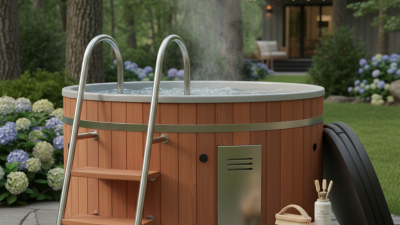
Lately, more and more folks are looking for ways to kick back and find some wellness right at home, and the Wood Hot Tub is really gaining popularity. According to a report from the Global Spa & Wellness Coalition, spending on home wellness stuff — hot tubs included — shot up by about 25% over the past couple of years. It’s pretty clear that people are shifting focus toward personal care and outdoor leisure, and honestly, wood hot tubs are becoming a go-to choice for many. They just hit that sweet spot between looking good and working well.
Experts always say that taking good care of these hot tubs is key if you want them to last a long time and keep giving you that relaxing experience. John Smith, who's pretty well-known at Wood Spa Innovations, mentioned, 'A hot tub made of wood can last for decades — but only if you actually care for it.' Sadly, though, a lot of owners tend to overlook some simple but really important maintenance tasks. Things like cleaning the wood regularly and checking for leaks are pretty straightforward, but many people only deal with them when something actually goes wrong.
It’s also worth thinking about how your habits can impact the hot tub’s performance. Climate and how often you use it really matter. A properly taken care of hot tub can totally elevate your outdoor chill time, but neglect it, and you might end up facing costly repairs or needing a full replacement. Basically, owning a Wood Hot Tub is all about finding that balance — enjoying it but also being responsible. Knowing how to care for it properly makes sure your investment pays off and that you get to keep relaxing in your personal slice of heaven for years to come.
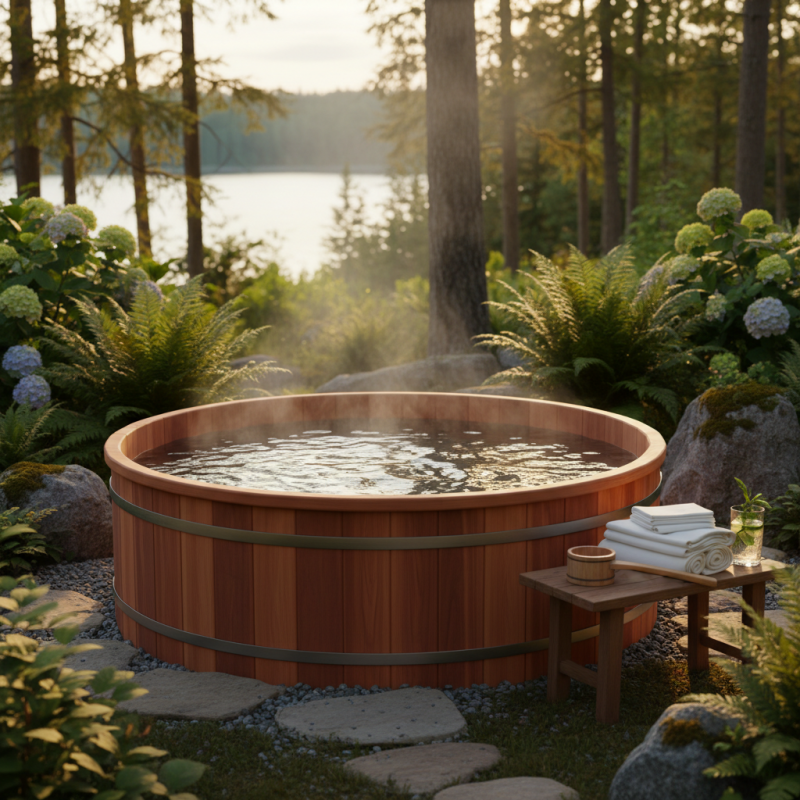
Wood hot tubsoffer a unique experience, combining natural aesthetics with relaxation. Understanding the materials used and their construction can enhance both enjoyment and maintenance. Wood types likecedar and redwood are popular choices. These woods boast resilience against moisture and rot due to their natural oils. According to industry reports, Cedar Hot Tubs can last for over 20 years with proper care.
The construction of a wood hot tub involves careful craftsmanship. Thick walls provide insulation, ensuring heat retention. A well-constructed tub should have proper drainage to prevent water accumulation. However, even the best tubs need regular inspection for cracks or splinters. Small imperfections may lead to bigger problems later on. Regular checks can save you money on costly repairs or replacements.
In addition to material and construction, maintenance is key to enjoyment. Regular cleaning with non-toxic products is crucial. Some experts recommend seasonal treatments with natural oils to prolong the lifespan of the wood. Despite the solidity of wood, neglect can result in deterioration. The challenge lies in balancing enjoyment with necessary upkeep. Each tub requires attention to retain its beauty and functionality.
Wooden Hot Tubs offer a unique experience, blending relaxation with nature. However, maintaining them requires attention to several essential practices. Proper maintenance can extend your hot tub’s life and enhance your enjoyment. Regularly check the water chemistry. Maintaining pH levels between 7.2 and 7.8 ensures optimal sanitation and prevents deterioration of the wood.
Cleaning is paramount. It is suggested to scrub the tub’s surface with a non-abrasive cleaner once a week. This removes dirt and prevents algae growth. Wood naturally absorbs water and can warp if not treated properly. Applying a protective sealant every six months is recommended. According to the National Association of State Boards of Geology, untreated wood can absorb moisture, leading to splits and cracks, decreasing the hot tub’s lifespan by over 30%.
Temperature management is crucial, too. Keeping the water temperature between 100°F and 104°F helps prevent damage. Research shows that excessive heat can weaken wood fibers over time. Always use a cover when not in use. Covers not only help retain heat but also protect against debris, prolonging the life of the wood. Regular attention to these details can lead to a more satisfying hot tub experience.
Cleaning the interior of a Wood Hot Tub is essential for maintenance and enjoyment. Start by draining the water completely. Then, use a soft scrub brush to remove any debris. Avoid harsh chemicals, as they can damage the wood. Instead, a mix of vinegar and water works wonders. It’s effective and safe for the wood hot tub materials.
After scrubbing, rinse thoroughly. Ensure you remove all cleaning residue, as this can affect water quality. One often overlooked aspect is the wood’s natural oils. Over time, these can be stripped away through regular cleanings. Periodically apply a wood conditioner. This keeps the tub in great shape and enhances its appearance.
However, cleaning isn’t without challenges. Stains or mold can develop, especially in humid conditions. Pay close attention to corners and crevices. If mold persists, consider deeper cleaning methods. It’s okay to feel uneasy about certain cleaning approaches. Reflect on what works best for your wood hot tub over time, and adjust the methods as necessary. Your goal is a clean, inviting hot tub experience.
Maintaining water quality in your Wood Fire Hot Tub is essential for a pleasant experience. One key aspect is regular testing of the water. Using test strips, check pH and alkalinity levels weekly. Ideal pH should range from 7.2 to 7.8. This balance prevents skin irritations and ensures effective sanitation. It’s easy to overlook these tests, but small adjustments can make a big difference.
Chlorine or bromine are commonly used for sanitation. However, overusing them can lead to chemical imbalance. Monitor sanitizer levels closely. Too much can cause discomfort, while too little invites bacteria growth. Regularly changing the water is also crucial. Aim for a complete change every three to four months for the best quality.
Consider using natural alternatives, such as enzymes, to help manage water quality. They can break down organic materials, reducing chemical usage. While some may find this method less reliable, many enthusiasts report great success. Evaluate your own experience and adjust accordingly. Keep an eye on your water; a little effort goes a long way in ensuring a delightful soak in your wood fire hot tub.
Preparing your wood hot tub for seasonal changes is crucial for maximum enjoyment. In winter, make sure to check the water temperature. Wood hot tubs can freeze if not properly heated. Insulate the tub with a cover to retain heat and keep it safe from snow. Remove any snow buildup regularly to prevent excess weight on the cover.
In the warmer months, cleanliness becomes more important. Bacteria thrive in warm waters, so always change the water regularly. Utilize a natural, non-chemical cleaner for the tub's surfaces. It is beneficial to scrub the insides with a soft brush to keep the wood in good condition. This helps maintain the aesthetic appeal and prevents decay.
Rain and humidity can also affect your hot tub. Monitor for mold or mildew on the wood. If you detect these, act quickly to clean them. Check the wood for any damages from moisture. Lastly, remember that Wood Hot Tub Fire is a major concern. Properly dry your tub after use to maintain its integrity and safety.
When using and enjoying your wood hot tub, safety is paramount. Always check the water temperature before entering. A safe range is between 100°F and 104°F. Sudden changes in temperature can lead to shock. If it's your first time, test the water with your hand before getting in.
Keep the water clean and safe. Regularly check the chemical balance. Use a test strip to measure pH and chlorine levels. This ensures a healthy soak. Also, make sure the wooden surface is free from splinters. Apply a natural sealant to protect the wood. This extends the life of your hot tub and enhances enjoyment.
Never leave children unattended near the hot tub. Accidents can happen quickly. Install a safety cover when not in use. It's a simple step that protects everyone. Enjoying your wood hot tub means being mindful of these safety tips. They help create a relaxing and worry-free environment.
Enhancing your wood hot tub experience can transform relaxation into pure bliss. Adding accessories is key. For example, using a wooden deck around your hot tub creates an inviting space. It also offers a comfortable setting while you soak. Consider cushions and pillows for your seating. Some options are not weather-resistant, though. So, be mindful of where you place them.
Another great addition is a Hot Tub Wood Stove. This feature keeps water at the perfect temperature and adds an authentic touch. However, remember that maintenance is vital. Always check for buildup and clean the stove accordingly. It’s also essential to monitor water levels and quality. Using easy-to-read testing strips can help.
Lighting plays a crucial role too. Soft LED lights can create a soothing atmosphere for evening soaks. However, don’t forget about safety. Ensure the lights are waterproof and designed for outdoor use. Thoughtful accessories can elevate your experience, yet they require care and attention. Finding a balance between aesthetics and function is often a reflective journey.
This chart illustrates the effectiveness of various maintenance tips for wood hot tubs, providing insights on how to enhance your experience.
: Cedar and redwood are popular choices. They resist moisture and rot due to natural oils.
With proper care, cedar hot tubs can last over 20 years. Regular maintenance is crucial for longevity.
Thick walls ensure insulation. Proper drainage prevents water accumulation and protects the structure.
Drain the tub, use a soft scrub brush, and avoid harsh chemicals. A vinegar-water mix is effective and safe.
Focus on corners and crevices. If mold persists, consider deeper cleaning methods and adapt your approach as needed.
Always check water temperature before entering. Maintain proper chemical balance and ensure the surface is free from splinters.
Apply a natural sealant to protect the wood. Regular inspections for cracks or splinters are also important.
Yes, periodically applying a wood conditioner keeps it in good shape. This helps maintain its beauty over time.
Never leave children unattended near the hot tub. Use a safety cover when not in use to prevent accidents.
Regular cleaning can strip natural oils. Balance enjoyment with necessary upkeep to avoid deterioration and future costs.
Wood hot tubs provide a unique and enjoyable experience, but maintaining them is essential for longevity and comfort. Understanding the materials and construction of wood hot tubs is the first step to ensuring proper care. Essential maintenance practices include regular inspections and treatment of the wood to prevent rot and deterioration. Cleaning the interior effectively is crucial to maintaining a hygienic environment, and managing water quality through proper chemical balance is equally important.
Seasonal care involves preparing your wood hot tub for varying weather conditions, ensuring it remains functional year-round. Additionally, safety tips for using a wood hot tub help enhance the enjoyment while minimizing risks. Lastly, enhancing the experience with accessories can transform a simple soak into a luxurious retreat, making your wood hot tub a cherished feature of your outdoor space.