



How to Enjoy an Outdoor Hot Tub in Winter: Practical Tips for Cold Weather
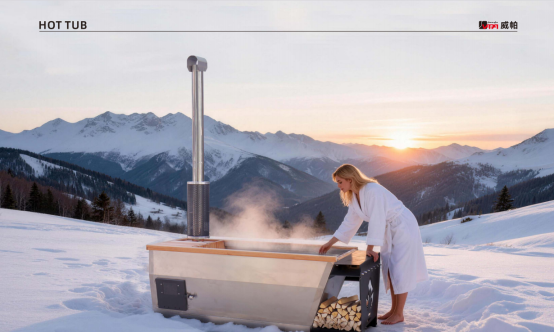
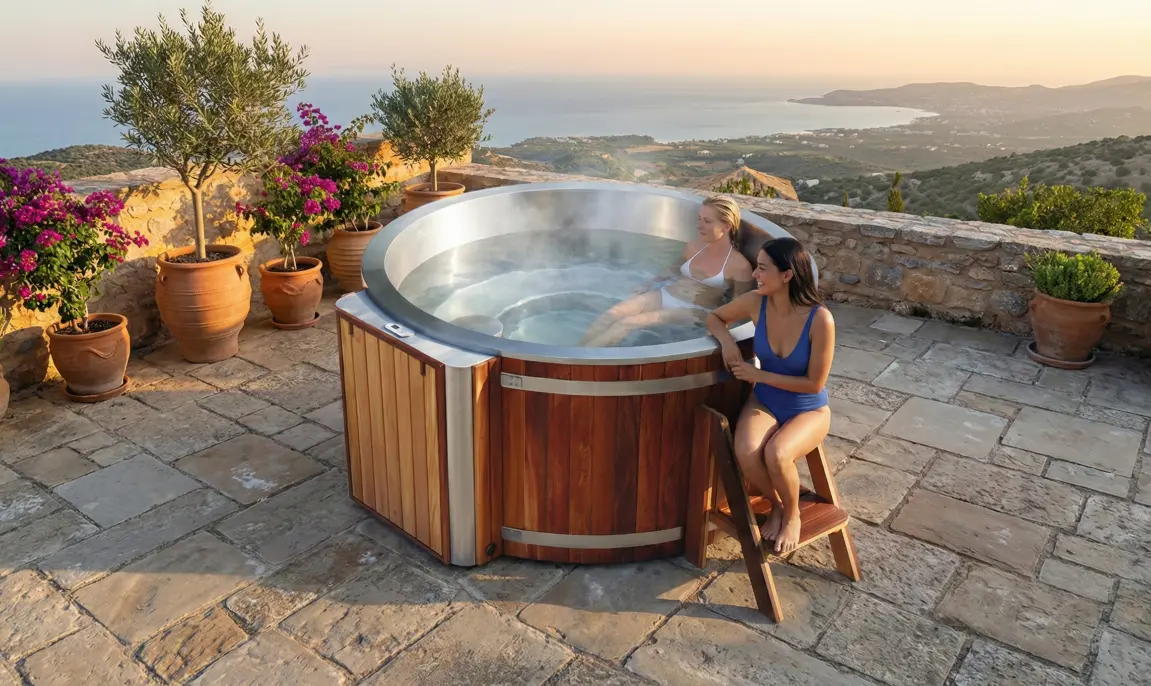
Winter does not mean you have to stop enjoying your outdoor Hot Tub. In fact, soaking in warm water while surrounded by cold air can create a relaxing and memorable outdoor experience.
However, using a hot tub during colder months requires more preparation than during summer. Heat retention, water quality, cover performance, personal comfort, and safe access should all be considered.
With the right preparation, your outdoor hot tub can remain a comfortable part of your backyard wellness routine throughout the winter.
1. Use a Well-Insulated Hot Tub Cover
A properly fitted cover is one of the simplest ways to reduce unnecessary heat loss during winter.
Cold air, wind, and evaporation can cause the water temperature to drop more quickly when the hot tub is uncovered. A well-insulated cover helps reduce heat transfer from the water surface and protects the tub from snow, rain, leaves, and other outdoor debris.
The cover should fit securely around the tub without large gaps. It should also remain dry and in good condition. A damaged, waterlogged, or poorly fitted cover may provide much less insulation than expected.
If you are purchasing a new outdoor hot tub, consider the cover as part of the overall thermal design rather than treating it as an optional accessory.
For additional information about heating performance and heat loss, see our guide on Why Is My Hot Tub Heating So Slowly?.
2. Keep the Water Clean During Winter
Water maintenance remains important even when outdoor temperatures are low.
In winter, users may be less likely to drain and refill an outdoor hot tub frequently, particularly when temperatures are close to freezing. This makes regular water-quality monitoring even more important.
Before entering the hot tub, taking a quick shower can help reduce lotions, cosmetics, body oils, and other contaminants entering the water.
The filtration and sanitation systems should also be maintained according to the manufacturer's recommendations. Clean filters help support proper water circulation, while appropriate sanitation helps maintain better water quality.
A consistent maintenance routine makes winter hot tub use more convenient and reduces the risk of water-quality problems.
For more maintenance guidance, see VapaSauna Hot Tub: Less Maintenance. More Relaxation..
3. Prepare the Hot Tub Before Your Soak
Winter conditions can change quickly, so take a few minutes to check the hot tub before getting in.
Make sure the water has reached the desired temperature and that the water level is within the recommended range. Check the control panel for any warning messages and make sure the circulation and heating systems are operating normally.
The surrounding area should also be safe to walk across. Snow, ice, and wet surfaces can become slippery, especially around an outdoor hot tub.
Keeping a suitable path between the hot tub and the house can make winter use much more comfortable and safer.
4. Use Smart Controls for More Convenient Winter Operation
Modern hot tubs can make winter operation easier with smart temperature-control systems.
Depending on the model and configuration, smart controls can allow users to monitor temperature, adjust settings, and manage operating schedules without constantly checking the equipment manually.
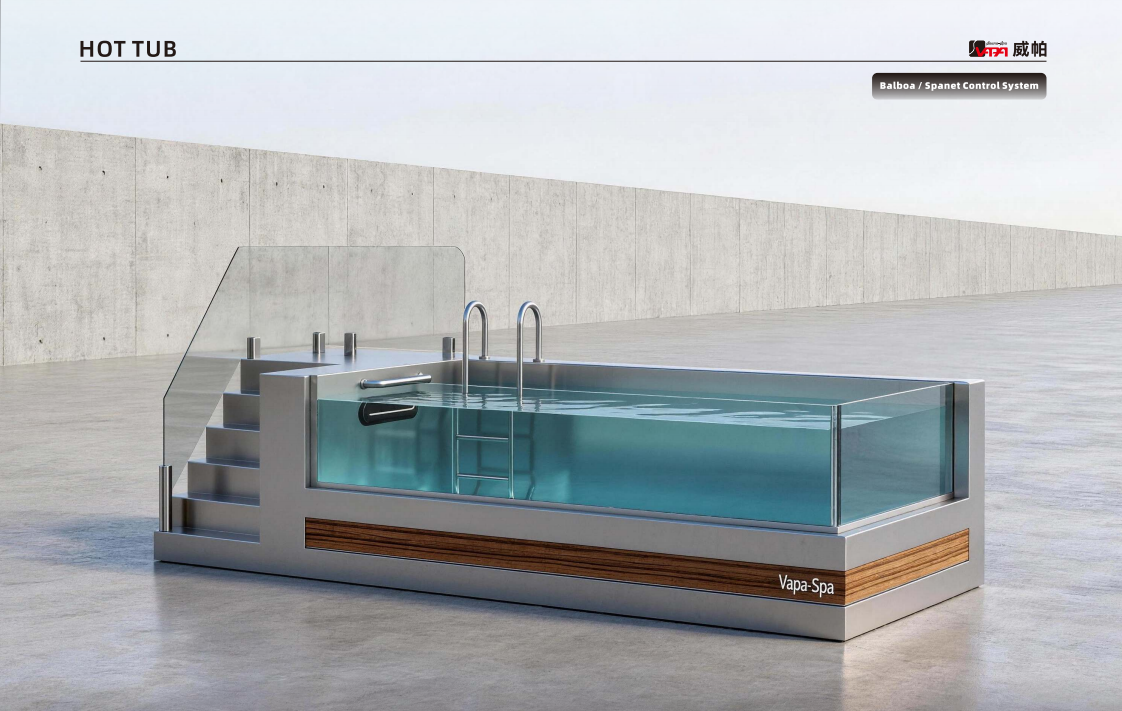
For example, selected Vapasauna hot tub systems use Spanet smart control technology to provide more convenient temperature and equipment management.
This can be particularly useful during winter, when maintaining a consistent water temperature is more important and outdoor conditions can change quickly.
Smart controls should be viewed as a convenience feature rather than a replacement for regular equipment checks and maintenance.
5. Keep Winter Soaks Comfortable
Cold outdoor temperatures can make getting into and out of a hot tub less comfortable than the actual soak.
Prepare towels, bathrobes, slippers, and other warm clothing before entering the water. Keeping these items within easy reach means you do not have to walk through the cold while wet.
It is also a good idea to keep the area around the hot tub well lit, particularly when using it after sunset.
A comfortable outdoor setup can make a significant difference to the overall winter experience.
6. Avoid Staying in the Water for Too Long
Warm water can feel especially relaxing when the surrounding temperature is cold, which may make it tempting to stay in the hot tub for an extended period.
Instead of focusing on a fixed soaking time for everyone, users should pay attention to how they feel and follow the hot tub manufacturer's operating guidance.
If you feel dizzy, light-headed, unusually uncomfortable, or overheated, leave the water and cool down.
Children should always be supervised, and users with specific health concerns should seek appropriate professional advice before using a hot tub.
7. Protect Your Hot Tub During Extreme Weather
Winter weather is not always limited to cold temperatures. Strong winds, heavy rain, snow, freezing conditions, and sudden temperature changes can also affect an outdoor hot tub.
When severe weather is expected, keep the cover securely fastened and check the surrounding area for objects that could fall or blow into the tub.
If the hot tub will not be used for an extended period during freezing conditions, follow the manufacturer's winterization instructions rather than assuming the system can simply be left unused.
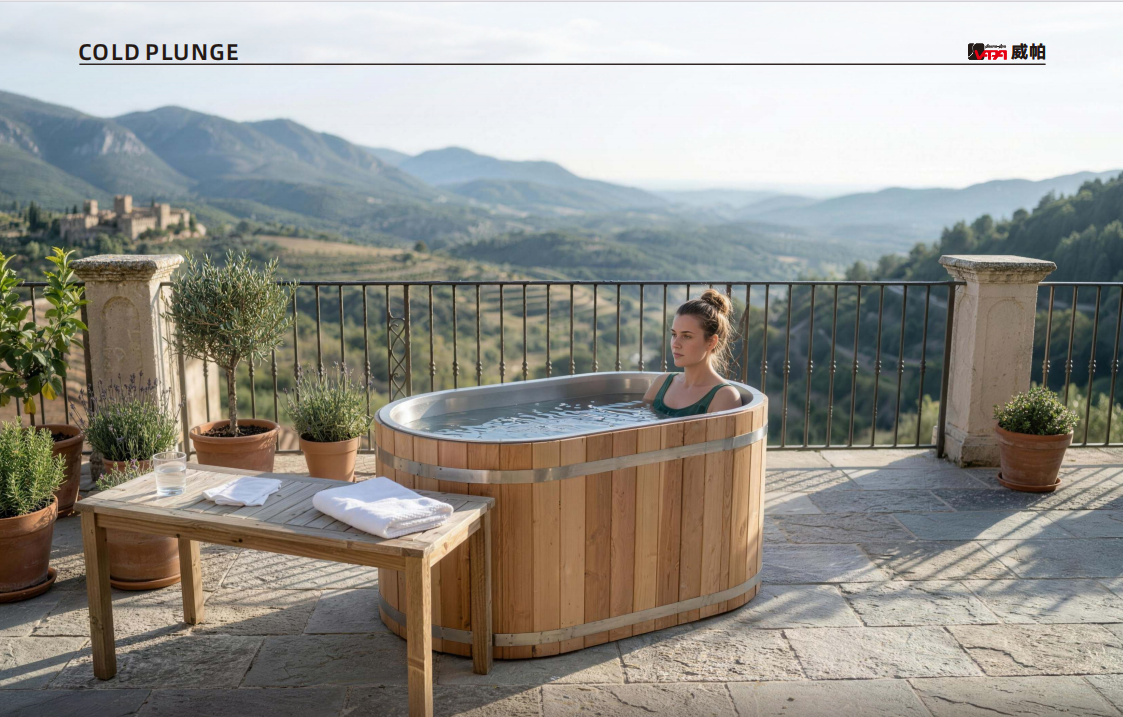
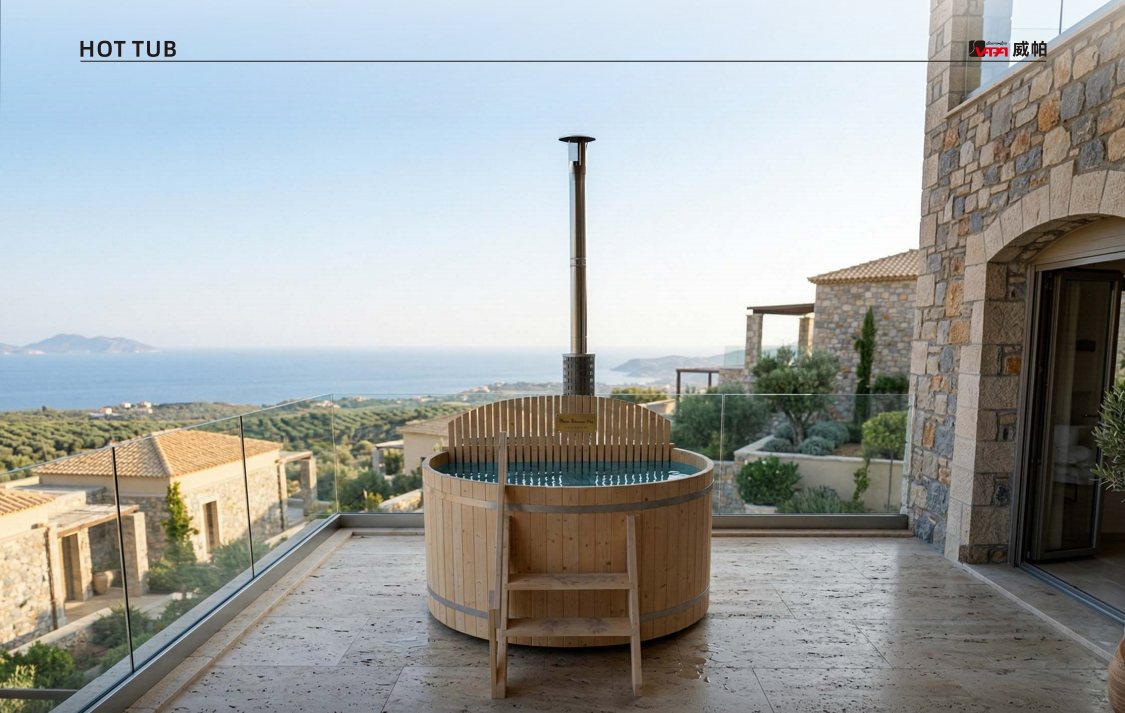
For Wooden Hot Tubs, additional seasonal maintenance may also be necessary. Regular inspection and appropriate protection can help preserve the exterior material during prolonged exposure to winter weather.
8. Choose a Hot Tub Designed for Outdoor Use
Not every hot tub is equally suited to year-round outdoor operation.
When choosing a model for winter use, consider more than heating power. Look at insulation, cover design, water circulation, filtration, temperature control, construction materials, and the manufacturer's recommended operating conditions.
For outdoor projects, stainless steel construction can provide durability and resistance to weather-related wear, while effective insulation and temperature management help support more consistent operation.
Vapasauna offers different outdoor hot tub configurations for residential, hospitality, and commercial applications, allowing buyers to select a system based on their climate, installation environment, capacity, and preferred heating method.
Winter Outdoor Hot Tub Checklist
Before using your hot tub during winter, check:
- The cover fits securely and is in good condition.
- The water level is within the recommended range.
- The filter is clean and water circulation is normal.
- The water quality and sanitation are properly maintained.
- The control system shows no warning or error messages.
- The path around the hot tub is free from snow, ice, and other slipping hazards.
- Towels, robes, slippers, and warm clothing are ready.
- The hot tub is protected from severe weather when necessary.
Frequently Asked Questions
Can I use an outdoor hot tub in winter?
Yes. Many Outdoor Hot Tubs are designed for year-round use, provided they are operated and maintained according to the manufacturer's instructions.
Insulation, heating performance, water circulation, and weather protection all become more important during colder months.
Should I leave the hot tub cover on in winter?
Yes. The cover should generally remain securely in place whenever the hot tub is not being used.
A properly fitted insulated cover helps reduce heat loss, evaporation, and contamination from outdoor debris.
How can I make my outdoor hot tub more comfortable in winter?
Prepare everything before entering the water. Keep towels, bathrobes, slippers, and warm clothing nearby, maintain good lighting, and make sure the walking surface is free from snow and ice.
Do I need to winterize my hot tub?
It depends on whether you plan to continue using it.
If the hot tub will remain operational throughout winter, follow the manufacturer's cold-weather operating and maintenance instructions.
If it will be shut down for an extended period, follow the manufacturer's winterization procedure to protect the plumbing, heating system, and other components.
Conclusion
An outdoor hot tub can be just as enjoyable in winter as it is during warmer months when it is properly prepared and maintained.
A good insulated cover helps reduce unnecessary heat loss, while regular water care keeps the system ready for use. Smart controls can make temperature management more convenient, and simple preparation such as warm towels, safe pathways, and adequate lighting can make the entire experience more comfortable.
The key is not simply to heat the water as quickly as possible, but to create an outdoor hot tub environment that retains heat efficiently, remains easy to maintain, and is practical to use in cold weather.
With the right equipment and preparation, winter can become one of the most enjoyable seasons for outdoor hot tub relaxation.