request to quote
Leave Your Message
0%

Picking the right Cold Plunge Wood isn’t just about how it looks — it’s actually a pretty big deal when it comes to water stability, maintenance, insulation, comfort, and even what you’ll end up paying in the long run. Different places around the world have their own climates, suppliers, treatment standards, and installation conditions. So, a type of timber that does great in Finland might not perform as well in coastal Australia or humid Southeast Asia. It’s all kinda dependent on where it’s going to be used.

Lena Hartmann, a seasoned timber durability expert, puts it simply: "The best wood is chosen based on the environment, not just its looks." That’s a key idea behind how we compare seven popular options — cedar, larch, spruce, thermally modified pine, oak, teak, and hinoki. Each of these woods has its own mix of resin content, grain stability, smell, availability, and price. And let’s be honest — none of them are perfect.

Some woods naturally resist moisture better than others. For others, it’s all about proper drying, tight joinery, and regular upkeep. Something often overlooked! No matter how premium a species is, it won’t save you from poor drainage or sloppy installation. And don’t forget — it’s important to check with your supplier about moisture content, where the wood came from, what treatments were used, and what kind of support they offer for replacements if needed.

This guide is really aimed at importers, wellness brands, hospitality developers, and private buyers who are comparing different Cold Plunge Wood options around the world. We’re offering practical advice rather than trying to crown one wood as the absolute best. Conditions change, new information comes up, and even seasoned buyers sometimes need to rethink their assumptions once they see how the wood performs in real-world settings.

In the sections that follow, we’ll look at each of these seven options — weighing their performance, looks, how much maintenance they need, sustainability, regional availability, and overall value. The goal isn’t to push one species over another, but to help you make a clearer, more confident choice that really makes sense for your needs.
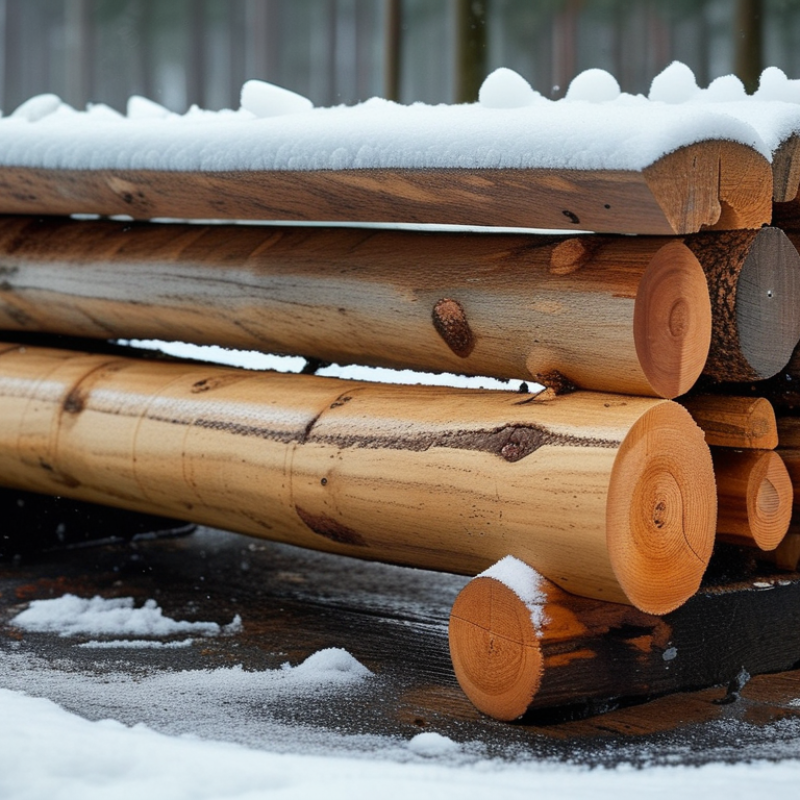
What Are 7 Cold Plunge Wood Options for Global Buyers?

Western Red Cedar: 350 lbf Janka Hardness and EN 350 Durability

What Are 7 Cold Plunge Wood Options for Global Buyers?

Western Red Cedar deserves close attention because its properties suit demanding outdoor installations. The USDA Forest Products Laboratory’s Wood Handbook reports a Janka hardness near 350 lbf for this species. That is relatively soft. A cedar rim may dent under sharp tools, heavy covers, or rough handling, so rounded edges and careful installation matter.

Softness also improves everyday comfort. Wet feet feel less harsh against cedar decking, especially during cold mornings. However, buyers should separate hardness from durability. EN 350:2016 classifies Western Red Cedar heartwood as durable against wood-destroying fungi, generally Durability Class 2. Its sapwood performs less reliably. The standard evaluates biological durability, not waterproofing, structural strength, or hygiene.

That distinction is practical. A cedar plunge should still use effective drainage, sealed end grain, and ventilation beneath the vessel. ASTM D143 test data can vary with moisture content, growth conditions, and sample direction. The 350 lbf figure is therefore a useful benchmark, not an absolute promise.

In my experience, cedar looks refined after installation but needs honest maintenance planning. Staining every surface may also trap moisture if the design cannot dry properly. Builders should inspect knots, grain runout, and fastener areas before approving large panels.

Teak: 1,070 lbf Janka Hardness and EN 350 Class 1 Durability

Teak remains a strong wood option for cold plunge construction. The USDA Forest Products Laboratory’s *Wood Handbook* reports teak at approximately 1,070 lbf on the Janka hardness scale. This rating reflects resistance to denting, useful around steps, benches, and exposed rim edges. Cold water does not eliminate wear. Wet feet, moving covers, and repeated cleaning still mark poorly finished surfaces.

EN 350:2016 classifies durable teak heartwood as Durability Class 1 against wood-destroying fungi. That classification supports its use in demanding, moisture-prone settings. However, it does not guarantee waterproof construction. The heartwood matters. Teak sapwood has significantly lower natural durability and should not be treated as equivalent. Ask suppliers for species identification, heartwood content, moisture readings, and test documentation.

The wood also contains natural oils. These oils can complicate bonding, coating, and end-grain sealing. A clean, properly prepared surface is essential. Drainage details matter more than appearance. Water trapped beneath the tub can still damage surrounding components. Teak is not maintenance-free. That is worth admitting. Buyers should compare certified material, joinery quality, liner design, and local climate before selecting it for a global cold plunge project.

What Are 7 Cold Plunge Wood Options for Global Buyers?

Comparative view of representative Janka hardness and EN 350 natural durability classifications for commonly considered outdoor wood species.

Teak combines 1,070 lbf Janka hardness with EN 350 Durability Class 1. Ipe provides the highest hardness in this comparison, while western red cedar offers a lightweight option with lower hardness. EN 350 Class 1 indicates very durable heartwood; Class 5 indicates not durable. Actual performance depends on heartwood selection, water detailing, drainage, sealing, and maintenance.

Iroko: 1,190 lbf Janka Hardness and EN 350 Class 1–2 Durability

Iroko is a serious candidate for a Wood Cold Plunge, especially where moisture resistance matters. Its reported Janka hardness is about 1,190 lbf, giving the timber useful resistance against dents, dropped tools, and repeated entry. However, hardness varies between boards, so buyers should request species identification and batch documentation.

Under EN 350, properly selected Iroko heartwood is commonly rated in durability Classes 1–2. This indicates durable to very durable performance against wood-destroying fungi in suitable conditions. The rating is not a guarantee for every plank. Sapwood, poor drainage, and trapped moisture can still cause early deterioration. That detail is easy to overlook.

The timber feels substantial under bare feet. Its grain can show warm brown tones, while natural oils may complicate bonding and finishing. Clean, accurately machined surfaces are essential around joints and drain openings. Use fasteners suited to wet environments, and leave enough movement allowance for changing humidity. A compatible finish should be verified for continuous water contact, not assumed safe. Regular inspection remains necessary, particularly around the base, rim, and fittings. No wood is maintenance-free. That is the part many product descriptions miss.

Thermally Modified Ash: 660 lbf Janka Hardness and Lower Moisture Uptake

Thermally modified ash is a practical wood option for cold plunge surrounds, steps, and exterior panels. Its reported Janka hardness is about 660 lbf, giving it moderate resistance to dents from wet feet, buckets, and routine handling. The exact value can vary by species, moisture condition, and test method. Buyers should request supporting test data.

The heat treatment changes the wood’s cellular structure. It reduces the material’s tendency to absorb and release moisture. This can mean less swelling, shrinking, and surface checking than untreated ash in changing outdoor conditions. Still, lower moisture uptake does not mean waterproof performance. Water can remain around joints, end grain, and fastener holes. Good drainage remains essential.

In practical installation, keep boards slightly separated for airflow. Seal exposed end grain, then inspect it after seasonal movement. Use corrosion-resistant fasteners, especially where splash water is frequent. A small sample test helps reveal color changes, splintering, and coating behavior before full production. The wood may feel stable, but it is not a magic shield. Some buyers may also dislike its darker, toasted appearance. That preference deserves attention before ordering large volumes. Suppliers should document treatment temperature, moisture content, hardness testing, and maintenance guidance for each shipment.

What Are 7 Cold Plunge Wood Options for Global Buyers? - Thermally Modified Ash: 660 lbf Janka Hardness and Lower Moisture Uptake
Wood Option Typical Janka Hardness
(lbf)
Typical Density
(kg/m³, air-dry)
Moisture Uptake Behavior Natural or Modified Durability Cold-Plunge Suitability Key Buyer Consideration
Thermally Modified Ash Approximately 660 About 500–600 Lower than untreated ash
Heat treatment reduces hygroscopicity and dimensional movement.
Improved decay resistance compared with untreated ash; still requires sound detailing and maintenance. Excellent for premium exterior cladding, benches, and tub surrounds. Combines a clean grain appearance with reduced moisture response, but thermal modification can reduce impact toughness.
Western Red Cedar Approximately 350 About 330–390 Low to moderate
Lightweight wood with relatively good dimensional stability.
Naturally durable because of extractives; heartwood performs better than sapwood. Very suitable for lightweight tubs, siding, trim, and seating. Easy to work and naturally aromatic, but its softer surface can dent or scratch more easily.
Alaska Yellow Cedar Approximately 580 About 480–550 Low to moderate
Generally stable in changing outdoor humidity.
High natural decay resistance, especially in heartwood. Suitable for exposed panels, benches, and structural trim where a durable softwood is preferred. Offers more hardness than western red cedar while retaining good outdoor performance.
Hinoki Cypress Approximately 510–550 About 400– 歧450 Low to moderate
Stable when properly dried and detailed.
Moderate to high natural resistance to decay, depending on grade and exposure. Suitable for interior contact surfaces, seating, and premium bathing environments. Fine texture and distinctive aroma; availability and long-length supply may vary by region.
Teak Approximately 1,000–1,150 About 630–750 Low
Natural oils help limit water penetration and dimensional movement.
Very high natural durability and strong resistance to moisture-related deterioration. Excellent for wet-area decking, benches, trim, and high-contact components. Hard-wearing and stable, but cost, responsible sourcing, and surface oiliness require attention.
Ipe Approximately 3,500–3,700 About 950–1,150 Very low
Dense structure limits water movement, although end sealing remains important.
Very high natural durability and strong resistance to insects and decay. Excellent for heavy-duty exterior decking and high-wear platforms. Extremely hard and heavy; machining, fastening, weight, and responsible sourcing need careful planning.
Acetylated Radiata Pine Approximately 650–700 About 500–550 Very low
Acetylation permanently reduces water-related swelling and shrinkage.
High engineered durability without relying primarily on surface coatings. Suitable for exterior cladding, surrounds, decking, and components requiring predictable stability. Consistent performance and low movement are advantages, while availability and higher processing cost may affect budgets.

Note: Janka hardness and density values are typical ranges for commonly traded wood; actual results vary with species, growing region, moisture content, grade, and thermal or chemical modification. Moisture performance depends on end-grain sealing, drainage, ventilation, joinery, and ongoing maintenance.

European Larch: 660 lbf Janka Hardness and EN 350 Class 3 Durability

## What Are 7 Cold Plunge Wood Options for Global Buyers?

European larch offers a practical balance for a **Wood Cold Plunge Tub**. Its reported Janka hardness is approximately 660 lbf, according to published wood-property data from The Wood Database. This rating suggests moderate resistance to dents, impacts, and everyday handling. However, hardness does not equal waterproof performance. That distinction matters.

Under EN 350:2016, European larch heartwood is commonly classified as durability Class 3, meaning moderately durable against wood-destroying fungi. The standard does not promise a fixed service life. Moisture exposure, joint design, ventilation, and maintenance remain decisive. The USDA Forest Products Laboratory’s *Wood Handbook*, FPL-GTR-282, also explains that repeated wetting and drying can increase wood movement, checking, and joint stress.

For global buyers, inspect grain direction and end-grain sealing carefully. Larch can feel warm and resinous, with visible knots adding character. Yet knots may complicate machining and create small leakage risks if poorly sealed. A lined interior can reduce direct water exposure, but it should not replace sound construction. Cold water does not eliminate maintenance. It only changes the stress pattern. That is easy to overlook. European larch is capable, not indestructible. Regional building requirements and installation conditions should guide the final specification.

Western Red Cypress: 510 lbf Janka Hardness and Natural Decay Resistance

Western Red Cypress is a practical wood option for global cold plunge construction. Its reported 510 lbf Janka hardness offers a useful balance between surface durability and workable machining. The wood can resist dents from benches, steps, and repeated entry. It also provides natural decay resistance in damp environments. This matters when water, condensation, and outdoor air meet every day.

For a Cold Plunge All Wood design, material preparation remains important. Select clear, properly seasoned boards with consistent grain. Check moisture content before assembly. Poorly dried wood may twist, open joints, or create uneven gaps during seasonal changes. Apply a finish suitable for continuous moisture exposure, but do not treat finishing as a complete solution. Good drainage and ventilation still protect the structure.

Janka figures can vary by species, region, and testing method. Buyers should request test documents and confirm the exact botanical species. “Natural decay resistance” also has limits. Standing water, trapped debris, and neglected surfaces can shorten service life. A slightly imperfect board may still perform well after careful inspection. I would reject pieces with deep checks or soft spots. Local climate should guide the final choice, especially in freezing or humid regions.

Accoya Wood: 50-Year Above-Ground Warranty and Enhanced Dimensional Stability

When choosing a Cold Plunge Tube Wood, buyers often compare appearance, durability, and maintenance demands. Acetylated wood deserves close attention because its modified cell structure absorbs less moisture. This can improve dimensional stability during repeated wetting and drying cycles.

Some certified acetylated wood products offer a 50-year above-ground warranty, subject to documented installation and maintenance conditions. That warranty is meaningful, but it is not a promise of zero care. A cold plunge may sit beside splash zones, paving, and changing temperatures. End cuts, fasteners, drainage, and ventilation still require careful planning. Small construction details matter.

The timber can help reduce swelling, shrinking, and surface movement around the tub frame. Its clean grain also suits modern gardens, hospitality spaces, and compact terraces. However, buyers should verify the warranty scope before ordering internationally. Coverage may differ by region, application, and approved installation method. Ask for technical documents, moisture guidance, and coating recommendations.

I have seen attractive woodwork fail through trapped water, not weak material. That lesson is easy to overlook. A stable species cannot correct poor drainage or sealed joints. Color may also change under sunlight, even when structural performance remains reliable. Some buyers prefer natural weathering; others choose a compatible finish and accept periodic maintenance. Test samples first.

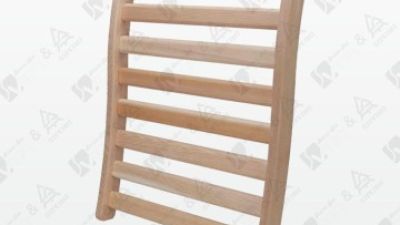
Sauna Wellness Market Trends (Grand View Research, 2024): Vapasauna KB009 S-Shape Backrest Product Guide

Sauna wellness is moving toward more personalized, comfort-focused experiences. Grand View Research’s 2024 market analysis identifies growing consumer interest in home wellness facilities, supported by rising disposable income, renovation activity, and demand for convenient relaxation solutions. The report projects continued expansion of the global sauna market through 2030, while the Global Wellness Institute estimates that the wider wellness economy reached approximately $6.3 trillion in 2023. These trends highlight the importance of ergonomic accessories that make regular sauna sessions more comfortable and appealing.

An S-shape Sauna Backrest is designed to support the natural curves of the upper and lower back while encouraging a relaxed seated posture. Its contoured profile can help reduce pressure against flat sauna walls, improving comfort during heat sessions, meditation, or recovery routines. For installation, buyers should check the backrest’s wood quality, smooth finish, ventilation, moisture resistance, and compatibility with the sauna’s bench dimensions. Proper spacing from the heater and secure mounting are also essential for safe use. As home sauna ownership becomes more connected with daily wellness routines, a thoughtfully shaped backrest offers a practical upgrade that combines ergonomic support with a clean, spa-inspired appearance.

FAQS

Why is teak suitable for cold plunge construction?

Teak has a Janka hardness of about 1,070 lbf. It resists dents around steps, benches, and exposed rim edges. Wet feet still create wear.

How durable is teak in wet conditions?

Durable teak heartwood is rated EN 350 Class 1 against wood-destroying fungi. This supports use in moisture-prone areas. It does not make the entire structure waterproof.

Does teak sapwood perform like heartwood?

No. Teak sapwood has much lower natural durability. Ask for species identification, heartwood content, moisture readings, and test records. Do not assume every board is equal.

What problems can teak oils create?

Natural oils may complicate bonding, coating, and end-grain sealing. Surfaces need careful cleaning and preparation. Poor preparation can weaken joints and finishes.

How hard is Iroko compared with teak?

Iroko measures about 1,190 lbf on the Janka hardness scale. It can resist dents from dropped tools and repeated entry. Hardness still varies between boards.

How durable is Iroko for a cold plunge?

Selected Iroko heartwood commonly falls within EN 350 Classes 1–2. This means durable to very durable performance against wood-destroying fungi. Sapwood and trapped moisture remain concerns.

What construction details matter most with either wood?

Keep water moving away from the base, joints, and drain openings. Use suitable wet-environment fasteners. Allow movement as humidity changes. Drainage matters more than appearance.

Is teak or Iroko maintenance-free?

No. Inspect the rim, base, fittings, and finish regularly. Check for standing water beneath the tub. That uncomfortable truth matters. Climate and workmanship can outweigh the species name.

Conclusion

Choosing the right Cold Plunge Wood requires balancing hardness, durability, moisture resistance, and long-term dimensional stability. Western Red Cedar offers a lightweight option with 350 lbf Janka hardness and EN 350 durability, while teak provides greater strength at 1,070 lbf and Class 1 durability. Iroko is even harder at 1,190 lbf, with EN 350 Class 1–2 durability, making it suitable for demanding outdoor conditions.

Thermally modified ash combines 660 lbf hardness with lower moisture uptake, while European larch offers similar hardness and EN 350 Class 3 durability. Western Red Cypress provides 510 lbf hardness and natural resistance to decay. Acetylated wood delivers enhanced dimensional stability and may be supported by a 50-year above-ground warranty, depending on the supplier. By comparing these seven Cold Plunge Wood options, global buyers can select materials that match their climate, maintenance expectations, design preferences, and project budget.
Alexander

Alexander

Alexander is a dedicated marketing professional based in Huizhou, China, where his company operates out of a modern manufacturing facility spanning over 10,000 square meters. With a robust team of more than 20 skilled technicians, Alexander plays a vital role in bridging the gap between innovative......
Previous How to Choose a Commercial Cold Plunge Chiller in China?