request to quote
Leave Your Message
0%

Picking out a Commercial Cold Plunge Chiller in China isn’t just about matching prices or cooling power—there’s more to it. You know, the Global Wellness Institute’s 2024 Global Wellness Economy Monitor put the global wellness market at a whopping $6.3 trillion in 2023, and they’re expecting it to jump close to $9 trillion by 2028. That kind of growth? Naturally, it’s driving up the demand for dependable recovery gear in gyms, hotels, clinics, and sports centers alike.

When you’re choosing the right chiller, it’s gotta match a bunch of factors—water volume, how many people are using it daily, the ambient temperature, the temperature you’re aiming for, and how long it’s running. And if you're buying in China, don’t forget to check the voltage, what refrigerant it uses, how its compressors are protected, filtration systems, noise levels, and whether local support is available. A tiny unit meant for a small private bathtub? Definitely not going to cut it for a busy gym. Skimp on that, and you might end up paying much more later. Trust me, that mistake could be costly.

Dr. Susanna Søberg, a well-known researcher in cold exposure, calls cold exposure “a hormetic stressor,” which basically means a little stress can be good if controlled properly. Her point? Temperature control shouldn’t be about extremes for the sake of it—it needs to be precise. The CDC’s Model Aquatic Health Code echoes this, emphasizing water quality, circulation, and disinfection standards for shared aquatic setups. While these guidelines don’t replace professional engineering expertise, they definitely give you a solid safety baseline.

So, choosing a commercial chiller? Start with real-world data—ask for cooling curves, energy consumption info, warranty details, and factory test results. Also, check how well it meets international standards like ISO and local Chinese electrical requirements—these things matter when it comes to installation and long-term use. Sometimes, a spec sheet might look fantastic, but actual performance can be a whole different story.

Make a careful choice, and you’ll get better comfort, safer hygiene, less downtime, and of course, lower operating costs in the long run. Not every cheap option is a bad pick, and not every high-end unit is right for your needs—they each have their place. It’s all about finding the right fit for what you’re actually using it for.
How to Choose a Commercial Cold Plunge Chiller in China?

What Is a Commercial Cold Plunge Chiller?

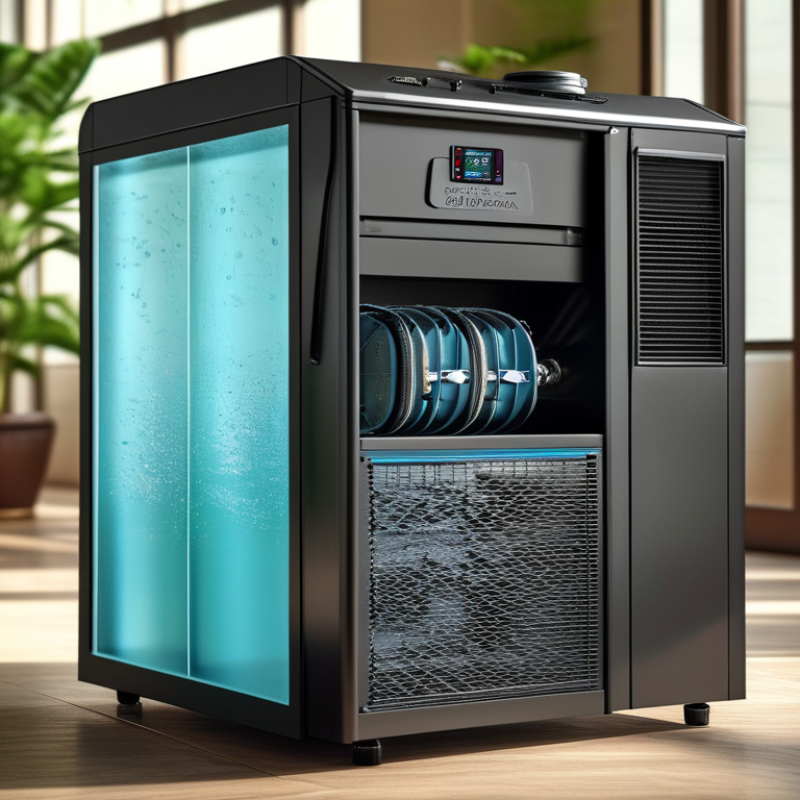
A commercial cold plunge chiller is a refrigeration system designed to cool and maintain water for repeated user sessions. It usually combines a compressor, condenser, heat exchanger, circulation pump, controller, and insulated water loop. Unlike a household cooling unit, commercial equipment must recover temperature after frequent use. That duty cycle matters.

The Global Wellness Institute reported that the global wellness economy reached approximately $6.3 trillion in 2023. This growth is increasing demand for reliable recovery facilities, including cold-water installations. However, wellness market figures do not prove medical benefits. They only indicate business momentum. In China, buyers should check local voltage, plug standards, ambient temperature, drainage, noise limits, and service availability before comparing prices.

Cooling performance depends on water volume, starting temperature, target temperature, insulation, and user turnover. A 1,000-liter tank requires a different capacity from a 300-liter tank. The IEA’s The Future of Cooling projected global space-cooling energy demand could more than triple by 2050. That report concerns buildings, not plunge tanks, but it highlights the value of efficient heat rejection. A neat specification sheet can still mislead. Ask for tested pull-down time, continuous-duty conditions, flow rate, and power consumption. I would also request testing records under realistic Chinese summer temperatures. They are often more useful than an impressive horsepower number.

How to Match Chiller Capacity with Pool Size and Usage

Choosing a commercial cold plunge chiller in China requires more than matching equipment to pool volume. A2 Person Cold Plunge Commercial setup may hold 500–800 liters, but its real load depends on daily users, room temperature, insulation, and water turnover.

Estimate the heat load first. Water volume determines the energy needed for cooling, while usage determines how quickly heat returns. Two users entering after exercise can add noticeable heat within minutes. An uncovered pool in a warm workshop also recovers more slowly. Ask suppliers for cooling capacity at your actual inlet and outlet temperatures, not only the rated horsepower.

Plan for pull-down time and continuous operation. A chiller that cools a lightly used pool overnight may struggle during ten busy sessions. Leave practical capacity for peak periods. Better insulation, a fitted cover, and shaded installation can reduce the required chiller size. Check pump flow, filter resistance, drainage, electrical supply, and ambient operating limits before ordering.

The first estimate is rarely perfect. Real facilities change. Track water temperature during busy hours, then adjust operating schedules or capacity after installation. Oversizing can increase purchase and operating costs, while undersizing creates long recovery periods and unhappy users. Clear records make the next decision more reliable.

How to Choose a Commercial Cold Plunge Chiller in China? - How to Match Chiller Capacity with Pool Size and Usage

Pool Water Volume Typical Pool Size Recommended Cooling Capacity Recommended Flow Rate Suitable Usage Expected Pull-Down Time* Suggested Features
500–1,000 L 1.0–2.0 m³ 1.5–2.5 kW 40–70 L/min Low traffic; up to 10 sessions/day 4–8 hours Basic filtration, insulated cover, timer control
1,000–2,000 L 2.0–4.0 m³ 2.5–4.0 kW 60–100 L/min Medium traffic; 10–25 sessions/day 5–10 hours Continuous filtration, digital thermostat, water-level protection
2,000–4,000 L 4.0–8.0 m³ 4.0–7.0 kW 80–140 L/min Busy commercial use; 25–50 sessions/day 6–12 hours High-capacity filter, flow switch, remote monitoring, insulated piping
4,000–6,000 L 8.0–12.0 m³ 6.0–10.0 kW 120–200 L/min High traffic; 50–80 sessions/day 8–16 hours Commercial filtration, corrosion-resistant heat exchanger, alarm output
6,000–10,000 L 12.0–20.0 m³ 9.0–15.0 kW 180–300 L/min Very high traffic; 80+ sessions/day 10–20 hours Duty-rated filtration, redundant pumps, remote control, service access
Sizing Notes
  • Ratings are indicative cooling capacities for maintaining approximately 5–15°C water under commercial operating conditions.
  • As a basic calculation, cooling 1,000 L of water by 10°C requires approximately 11.6 kWh of heat removal before accounting for heat gain.
  • Select the upper end of the capacity range when the pool is outdoors, the ambient temperature is high, the cover is used infrequently, or the pool receives frequent user turnover.
  • A well-fitted insulated cover can significantly reduce heat gain, evaporation, operating cost, and recovery time.
  • Confirm the chiller's rated capacity at the intended water temperature and ambient temperature; nominal motor power is not the same as cooling capacity.
  • For China installations, verify the available electrical supply, including voltage, phase, frequency, circuit protection, drainage, ventilation, and local electrical requirements.
*Pull-down time assumes an initial water temperature of approximately 20–25°C, a target temperature of 10°C, adequate water circulation, limited direct sunlight, and a fitted insulated cover. Actual results vary with insulation, ambient conditions, humidity, pool construction, and user activity.

Which Cooling Performance Factors Should You Compare?

# How to Choose a Commercial Cold Plunge Chiller in China?

When choosing a commercial cold plunge chiller in China, compare cooling performance under real operating conditions. Do not rely only on the lowest advertised temperature. Start with pull-down time, or how quickly the system cools warm water. Minutes matter. Ask for measured cooling capacity at a stated water volume, inlet temperature, and ambient temperature. A chiller reaching 5°C in a small test may struggle with 1,000 liters and repeated users. That difference is easy to miss.

Check continuous-duty performance, especially for gyms, hotels, and recovery facilities. The system must remove heat consistently after frequent use. Compare temperature stability, not only the lowest setting. A narrow control range can reduce uncomfortable temperature swings. Review water flow requirements and pipe restrictions carefully. Weak circulation can make the chiller appear underpowered. Heat rejection also matters. Poor ventilation or a hot equipment room can reduce actual performance. Energy use, measured in kilowatts during operation, affects long-term costs. Noise levels deserve attention too. Small details become operating costs.

**Tips:** Create a simple test sheet. Record water volume, starting temperature, target temperature, pull-down time, ambient temperature, and running power. Request test conditions and service records from the supplier. Check filter access, alarm functions, and sensor accuracy before installation. Leave cooling capacity margin for busy periods. Published figures often reflect ideal conditions, not daily reality. A spreadsheet may look perfect, yet the installation can still disappoint. Recheck the assumptions.

How to Evaluate Energy Efficiency and Operating Costs

When selecting commercial cold therapy solutions, energy efficiency should be measured at operating conditions, not advertised peak performance. The International Energy Agency reports that cooling already uses about 10% of global electricity. Its Future of Cooling analysis also projects cooling demand could more than triple by 2050. These figures make daily chiller efficiency commercially important.

Ask suppliers for input power, cooling capacity, and COP at your actual water temperature. A chiller drawing 2.4 kW for six hours consumes 14.4 kWh daily. Multiply that figure by your local electricity tariff and operating days. Simple, but often missed.

Record water temperature, ambient temperature, user frequency, and recovery time during a seven-day trial. A busy facility may need continuous operation, while a private studio may benefit from scheduled cooling.

Compare standby consumption, pump power, filter pressure, and heat rejection requirements. COP alone can mislead.

ASHRAE guidance emphasizes rating equipment under defined conditions, so request test conditions and independent laboratory documentation. The U.S. Department of Energy also recommends evaluating motor-driven systems across their full operating range, rather than relying on nameplate efficiency. Look for variable-speed control, insulated plumbing, accessible filters, and clear service intervals. These features can reduce avoidable losses.

Yet real savings depend on installation quality. A poorly ventilated equipment room can erase impressive laboratory numbers. Measure first. Recheck later.

What Water Filtration and Sanitation Features Are Essential?

Choosing a commercial cold plunge chiller in China requires more than checking cooling capacity. Water filtration and sanitation deserve equal attention. A reliable system should combine a removable pre-filter, fine cartridge filtration, and continuous circulation. The filter housing should allow tool-free inspection, because hair, skin particles, and textile fibers can block flow quickly. NSF/ANSI 50 provides recognized performance criteria for filtration and recirculation equipment used in aquatic facilities.

Disinfection must be measurable, not based on clear-looking water. The CDC’s Healthy Swimming guidance recommends pH between 7.0 and 7.8, with at least 1 ppm free chlorine for pools and at least 3 ppmfor Hot Tubs. Cold plunge water may require a different operating plan, so those figures should not be copied blindly. Ask suppliers for documented dosing tests, ORP monitoring, flow alarms, and automatic shutoff protection. A commercial controller should record pH, sanitizer levels, temperature, and service events.

Small details matter. Look for UV or ozone as supplementary treatment, never as a substitute for residual sanitizer. NSF/ANSI 50-listed components can improve procurement confidence, but certification must cover the actual model. For a facility pairing a Commercial Sauna with cold plunges, separate plumbing and cleaning tools reduce cross-contamination risks. One practical mistake is trusting a “maintenance-free” claim. Filters still need scheduled replacement, and operators still need testing logs. I would also request Chinese-language manuals and local service records; imported equipment can become difficult to repair during peak season.

How to Check Safety, Noise, Installation, and Maintenance Needs

How to Choose a Commercial Cold Plunge Chiller in China?

Safety should be checked before cooling performance. Ask the manufacturer for electrical test reports, grounding details, and protection against leakage current. The control panel should remain dry and easy to reach. Emergency shutoff access matters in busy facilities. Inspect the refrigerant information and service documentation carefully. Do not accept vague promises.

Noise becomes important when the chiller operates near treatment rooms or reception areas. Request measured sound data, preferably taken at a stated distance and operating load. A unit may sound quiet in a factory but louder in a tiled room. Vibration pads can reduce floor noise. Check whether airflow will disturb nearby users. Quiet is not always silent.

Installation needs clear space around the condenser and safe drainage for condensation. Confirm the required voltage, pipe connections, water flow, and lifting method before delivery. Maintenance access should include filters, pumps, sensors, and electrical parts. Ask how often filters need cleaning and which parts are locally available in China. Keep a written service schedule. It is easy to overlook this. A cheaper purchase may become expensive when technicians cannot reach a blocked filter. Review the manual with the installer, record the commissioning readings, and leave room for later mistakes.

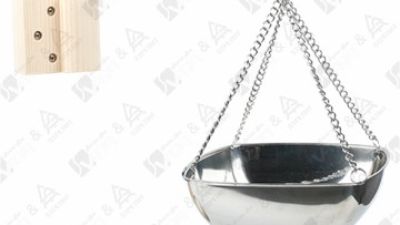
VAPA SA002 Sauna Bowl: Enhancing Home and Commercial Steam Rooms with Aromatherapy Tradition

Transform an ordinary sauna session into a more immersive ritual with a premium sauna aromatherapy bowl, thoughtfully designed for both home and commercial steam rooms. Its elegant form complements a range of interior styles, while its durable, high-quality construction supports regular use in warm, humid environments. More than a decorative accessory, the bowl provides a practical way to introduce gentle aromatic elements into your wellness routine.

Inspired by the long-standing tradition of sauna aromatherapy, the bowl can hold water blended with suitable essential oils, allowing warmth and humidity to help distribute a subtle, refreshing fragrance throughout the room. Choose calming lavender, invigorating eucalyptus, or another preferred scent to create an atmosphere that suits relaxation, meditation, or post-workout recovery. The smooth surface is simple to clean, and the stable design helps it rest securely on an appropriate sauna shelf or heat-resistant surface.

Whether placed in a private home sauna or a professional spa, this aromatherapy bowl adds a refined sensory dimension without overwhelming the natural character of the space. It supports a more personalized steam room experience, combining functional design with the comforting heritage of aromatic sauna practices.

FAQS

: What is a commercial cold plunge chiller?

: It cools and maintains water for repeated user sessions. It usually includes a compressor, condenser, heat exchanger, pump, controller, and insulated water loop. Commercial equipment must recover temperature after frequent use. That duty cycle matters.

How should I choose the correct cooling capacity?

Match capacity to water volume, starting temperature, target temperature, insulation, and user turnover. A 1,000-liter tank needs more capacity than a 300-liter tank. Ask for tested pull-down time and recovery performance. Horsepower alone can mislead.

What operating data should a supplier provide?

Request cooling capacity, input power, flow rate, recovery time, and power use. Ask for testing at your expected water and ambient temperatures. Chinese summer conditions may differ greatly from factory tests. Real conditions matter.

How can I estimate daily electricity costs?

Multiply input power by operating hours and local electricity rates. A 2.4-kilowatt unit running six hours uses 14.4 kilowatt-hours. Record temperatures, user frequency, and recovery time for seven days. Simple, but often missed.

Is COP enough for comparing energy efficiency?

No. COP can hide pump power, standby use, and unusual test conditions. Ask for the tested temperature, ambient conditions, and operating load. Check variable-speed control and insulated plumbing. Installation quality matters too.

What electrical safety details should I check?

Request electrical test reports, grounding information, and leakage-current protection details. Keep the control panel dry and easy to reach. Provide accessible emergency shutoff controls. Do not accept vague promises.

How can I control noise and vibration?

Request sound measurements with distance and operating load clearly stated. A tiled room can sound louder than a factory floor. Use vibration pads when appropriate. Quiet is not silent.

What installation requirements deserve attention?

Confirm voltage, plug standards, pipe connections, water flow, drainage, and lifting arrangements. Leave clear space around the condenser for heat rejection. Provide safe condensation drainage. Measure twice.

How should maintenance be planned?

Keep access open for filters, pumps, sensors, and electrical parts. Ask how often filters require cleaning and which parts are locally available. Record commissioning readings and service dates. A cheaper unit may become costly when access is poor.

Do wellness market figures prove health benefits?

No. Market growth only shows business momentum. It does not prove medical results. Use clear operating evidence instead. That distinction deserves attention.

Conclusion

Choosing A Commercial Cold Plunge Chiller requires more than selecting the lowest purchase price. A commercial unit should be matched to the pool’s water volume, expected user frequency, target temperature, and local climate. Compare cooling capacity, recovery speed, temperature stability, and performance under continuous operation to ensure reliable service during busy periods. Energy efficiency is equally important, so evaluate power consumption, insulation, operating schedules, and long-term maintenance costs rather than focusing only on the initial investment.

Water quality and user safety should also guide the decision. Look for effective filtration, circulation, sanitation compatibility, protective controls, and automatic shutoff features. Before installation, assess noise levels, ventilation requirements, drainage, electrical needs, available space, and connection methods. A practical design should allow easy access to filters, pumps, and internal components for routine cleaning and servicing. By considering performance, operating expenses, hygiene, safety, installation, and maintenance together, commercial operators can choose a dependable chiller that supports consistent water quality and a comfortable cold plunge experience.
Olivia

Olivia

Olivia is a dedicated marketing professional based in Huizhou, China, where she plays a pivotal role in promoting her company's innovative products. With a strong background in scientific research and a passion for technological advancement, Olivia brings a wealth of knowledge and expertise to her......
Previous Top 10 Commercial Cold Plunge Tub Buying Guide Questions