request to quote
Leave Your Message
0%

Picking out Cold Therapy equipment for your fitness center isn’t just about grabbing the chilliest system out there. Honestly, the right choice depends on how you want your members to recover, their comfort, your operating costs, and how well you supervise everything. When deciding how to choose Cold Therapy gear, it’s best to start with what your facility actually needs—nothing beats looking at real-world conditions rather than just drool-worthy product photos. For example, a busy gym might require a sturdy cold plunge that filters water quickly, while a smaller studio might find a compact, localized cooling device more suitable. Each option brings its own set of cleaning, drainage, ventilation, and maintenance quirks, so it’s worth thinking about that upfront.

Experience definitely counts here. Staff should really get hands-on—checking out water temp controls, emergency shut-off options, sanitation systems, electrical demands, and how accessible everything is. They should also dig into manufacturer instructions, warranty details, service support, and independent safety advice. A good supplier will back their claims about cooling performance after regular, daily use. As for those quick recovery claims? It’s smart to look at real Member feedback, incident records, and regular inspection reports instead of simply trusting marketing hype.

Remember, Cold Therapy definitely needs a bit of structure. There should be a clear screening process to flag anyone who might need medical advice before jumping in. Trained staff must thoroughly explain how long the sessions last, what the entry and exit procedures are, and the warning signs of overdoing it with the cold. Floors should stay dry, walkways free of obstacles, and towels should be close by—small details like these really help build trust. Also, a lower upfront cost can sometimes hide hidden expenses, like costly filtration or repairs down the line. We also have to be honest: no checklist can predict every issue that might come up. That’s why doing a trial run—really testing things like noise levels, wait times, cleaning routines, and whether temperatures stay comfortable—is so valuable before making anything permanent. This guide offers a practical, evidence-based way to pick equipment that genuinely supports your members without overpromising what Cold Therapy can deliver.
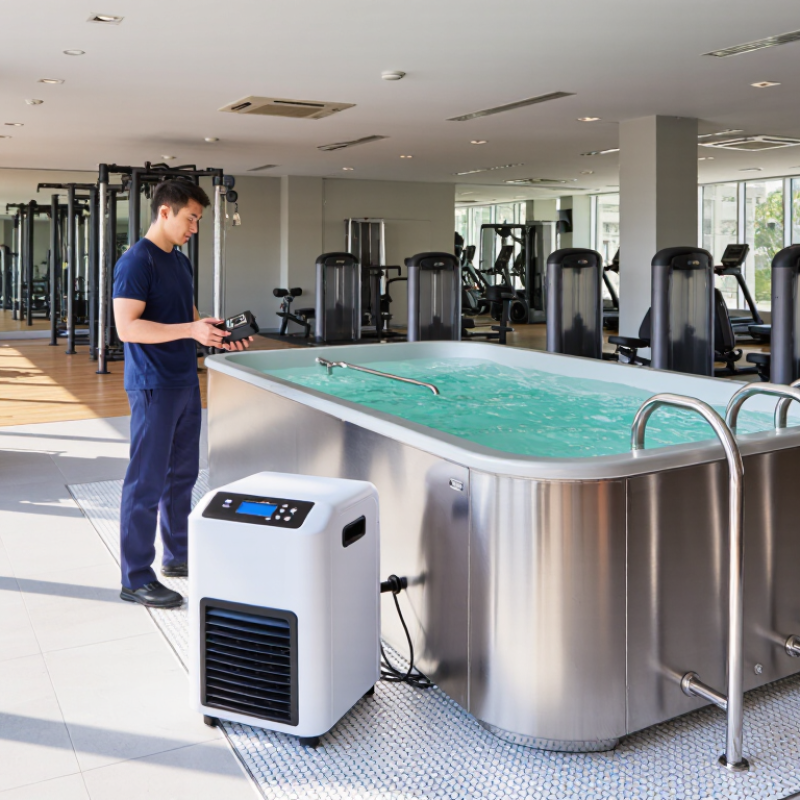
How to Choose Cold Therapy Equipment for Fitness Centers

Defining Cold Therapy and Its Role in Fitness Centers

Cold therapy means controlled exposure to cold water, air, or localized cooling. In fitness centers, it may follow resistance training, endurance sessions, or competition. Users often describe reduced heat, temporary soreness relief, and a sharper feeling afterward. However, cold is not a cure-all. Research findings vary, especially for long-term muscle adaptation and recovery.

The Global Wellness Institute’s 2024 Global Wellness Economy Monitor valued the wellness economy at $6.3 trillion in 2023. It forecasts growth toward $9 trillion by 2028. This market signal shows rising interest, not proof that every cold treatment works. Equipment selection should therefore begin with purpose. Consider session temperature, exposure time, water sanitation, ventilation, electrical safety, staff training, and emergency procedures. A crowded facility also needs simple cleaning access and clear user instructions.

Tips

Match the system to daily capacity, not advertising claims. Record water temperature and session duration. Ask users about cold sensitivity and relevant medical conditions before use. Never treat discomfort as a performance badge. Staff should stop a session when someone reports dizziness, numbness, chest discomfort, or unusual distress. A practical trial can reveal problems: slippery flooring, slow drainage, or unclear controls. I would not assume a colder setting creates better results. That belief sounds impressive, but it needs stronger evidence. (Global Wellness Institute, 2024 Global Wellness Economy Monitor)

Assessing Member Needs and Facility Requirements

# How to Choose Cold Therapy Equipment for Fitness Centers

Choosing cold therapy equipment should begin with member needs, not attractive specifications. Review training levels, recovery goals, accessibility needs, and expected daily demand. A competitive training facility may require faster turnover, while a community gym may need simple, supervised sessions. Ask members directly. Short surveys and staff observations often reveal practical concerns, including privacy, temperature comfort, and changing-room access.

Facility conditions matter just as much. Measure floor space, doorway width, drainage options, electrical capacity, ventilation, and cleaning areas. Place equipment near staff support, but protect member privacy. Clear instructions should explain session limits, preparation, and when to stop. Staff need documented training, maintenance procedures, and an emergency response plan. Local safety and building requirements must also be checked before installation.

A premium cold therapy system is not automatically the best fit. Capacity, operating costs, cleaning time, and service access deserve equal attention. Test the equipment with a small member group before committing to a larger rollout. Their feedback may challenge your assumptions. A colder setting may feel impressive, yet it may not suit every user. Avoid promising medical outcomes, and direct health-related questions to qualified healthcare professionals. Accessibility should remain practical, not decorative. A stable step, readable controls, and enough surrounding space can change the experience. Mistakes happen. Record them, review them, and adjust the facility plan.

Comparing Major Types of Cold Therapy Equipment

# How to Choose Cold Therapy Equipment for Fitness Centers

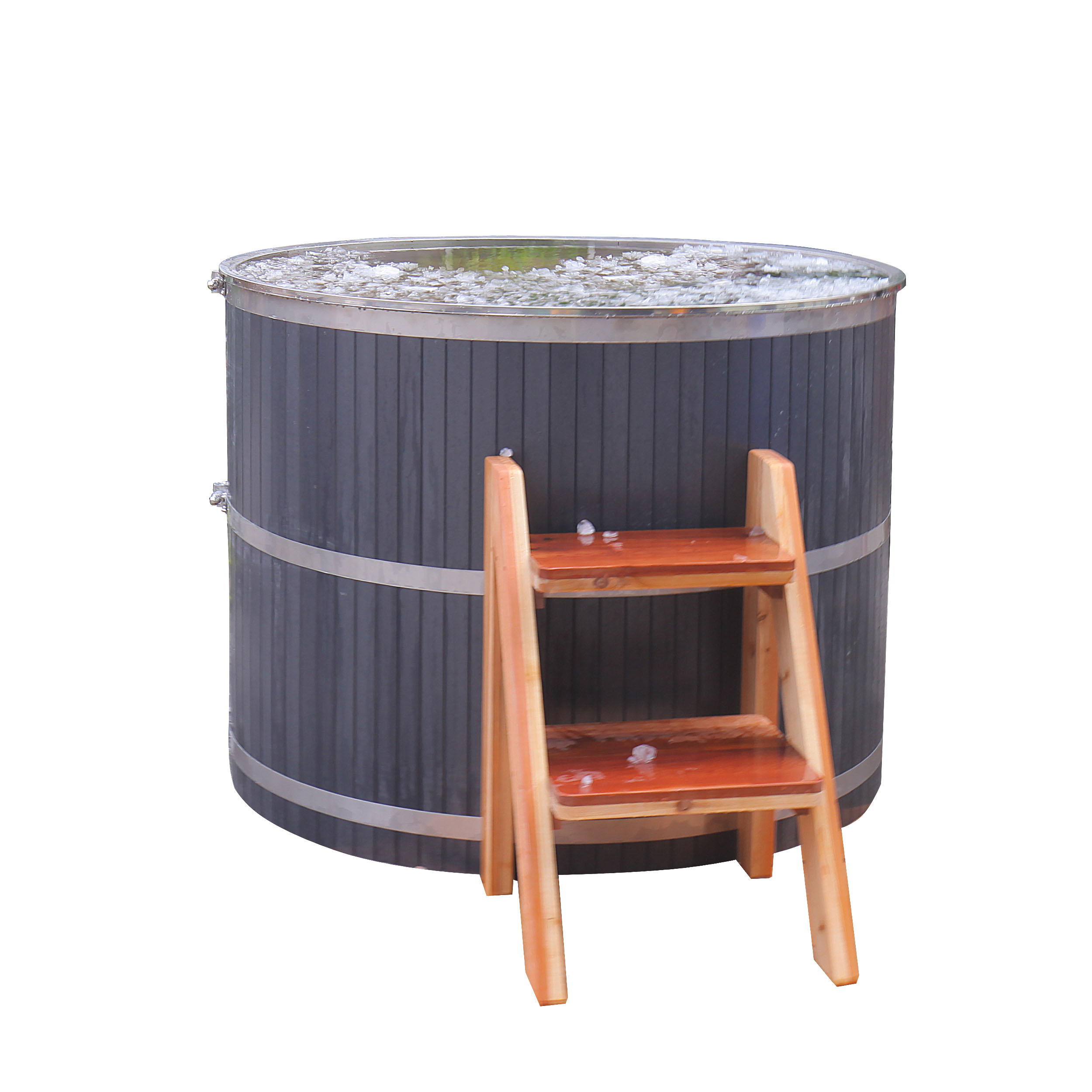
Cold therapy equipment differs in cost, operation, and user experience. Start with the use case, not the trend. Ice-based immersion tubs are simple and flexible, but staff must manage ice, water quality, and temperature checks. Chilled-water plunge systems provide more consistent conditions. They also need plumbing, filtration, electricity, and scheduled sanitation. Both options require clear cleaning records and safe entry procedures.

Localized cooling devices use pads or controlled airflow on a specific body area. They can suit members who prefer shorter, targeted sessions. Whole-body cold-air chambers require more space, stronger staff training, and careful screening. They may also create higher operating costs. Cold is not automatically better. Comfort, accessibility, and supervision matter. Very cold conditions can feel intimidating, especially for first-time users.

Compare each system by capacity, cleaning time, noise, energy use, maintenance access, and emergency controls. Ask for operating manuals, safety documentation, calibration guidance, and service procedures before purchasing. Staff should record session settings and know when to stop a session. They should also explain possible discomfort without making medical promises. In practice, a quieter and easier-to-clean tub may serve members better than a complex system. I would avoid choosing equipment from appearance alone. Member demand can be less predictable than expected. A short trial period, with user feedback and maintenance observations, may reveal problems that a sales demonstration hides.

How to Choose Cold Therapy Equipment for Fitness Centers - Comparing Major Types of Cold Therapy Equipment

Use the comparison below to match equipment capability, operating requirements, member experience, and facility resources.

Comparison of Major Cold Therapy Equipment Types
Evaluation Dimension Ice Bath or Non-Refrigerated Tub Manual ice and water cooling Refrigerated Cold Plunge Integrated temperature control Whole-Body Cryotherapy Chamber Very cold, dry air exposure Localized Cryotherapy Device Targeted cold-air application Cooling Compression System Cold combined with pneumatic compression
Primary cooling method Cold water, usually cooled with ice or frozen packs. Recirculated water cooled by an integrated refrigeration system. Dry, electrically generated cold air circulated around the body. Localized flow of cold air directed at a selected body area. Cold fluid circulated through an adjustable wrap while air chambers provide compression.
Typical operating range 5–15°C (41–59°F), depending on ice quantity and water volume. 8–15°C (46–59°F) for common fitness and recovery use. Approximately −110 to −140°C (−166 to −220°F) air temperature in many systems. Cold air commonly delivered at approximately −30 to −60°C (−22 to −76°F), depending on device design and distance from the skin. Water or coolant temperature commonly set around 10–20°C (50–68°F), with adjustable pressure levels.
Typical session duration 3–10 minutes; shorter exposure is appropriate at lower temperatures. 5–15 minutes, depending on water temperature and user tolerance. Usually 2–3 minutes; sessions must follow the equipment manufacturer's operating procedure. Approximately 5–15 minutes per treatment area. Approximately 20–45 minutes, depending on the selected program and body area.
Users served per session Typically 1 person per tub. Usually 1 person; larger commercial models may accommodate more than one user. Generally 1 person per chamber. Usually 1 person; multiple areas may be treated sequentially. Usually 1 person; some systems can treat two limbs simultaneously.
Approximate throughput About 4–10 sessions per hour, depending on changing, cleaning, and water-management procedures. About 4–10 sessions per hour, depending on session length and sanitation turnover. About 10–20 sessions per hour, depending on cycle time and user preparation. About 4–12 sessions per hour, depending on treatment area and setup. About 1–3 sessions per hour per device.
Space requirement Small to moderate; allow room for safe entry, exit, drainage, and changing. Moderate; allow clearance for ventilation, plumbing or drainage, and user access. Moderate to large; requires clearance, ventilation planning, and a controlled treatment area. Small to moderate; requires a stable treatment chair or table and operator workspace. Small; usually fits in a treatment room or recovery zone with a reclining chair.
Installation complexity Low; commonly requires a level floor, drainage plan, and reliable sanitation process. Moderate to high; may require electrical capacity, ventilation, drainage, and water-quality controls. High; requires dedicated electrical service, ventilation, safety controls, and trained operation. Moderate; requires suitable electrical service, airflow management, and operator training. Low to moderate; generally requires a power outlet and adequate space for the control unit and user.
Water and sanitation needs High; water must be tested, filtered or replaced, and disinfected according to local health requirements. High; filtration, disinfection, water testing, and routine plumbing maintenance are required. Low water demand; focus is placed on surface cleaning, airflow hygiene, and chamber maintenance. Low water demand; focus is placed on cleaning contact surfaces and maintaining the air-delivery system. Moderate; wraps and fluid circuits require cleaning and manufacturer-approved maintenance.
Indicative equipment investment Approximately US$500–$5,000, excluding facility modifications and ongoing ice costs. Approximately US$5,000–$20,000, depending on capacity, controls, and water-management features. Approximately US$40,000–$150,000+, excluding major construction or ventilation upgrades. Approximately US$3,000–$15,000, depending on cooling output and control features. Approximately US$2,000–$12,000 per system, depending on included wraps and treatment programs.
Ongoing operating costs Low equipment cost but potentially high labor, ice, water, cleaning, and disposal costs. Moderate; electricity, filtration, water treatment, cleaning, and preventive maintenance are recurring costs. Moderate to high; electricity, ventilation, scheduled maintenance, and trained staffing may be required. Moderate; electricity, maintenance, cleaning, and replacement components contribute to operating costs. Low to moderate; electricity, cleaning supplies, consumables, and periodic servicing are typical costs.
Member experience Strong traditional cold-water experience with visible preparation and variable temperature. Consistent, repeatable immersion experience with precise temperature selection. Very short session with minimal water contact; users need clear instructions about clothing and exposure. Focused treatment for a specific area, useful when full-body immersion is impractical. Longer, seated recovery session that combines cooling with adjustable compression.
Best suited for Facilities seeking an affordable, simple introduction to cold-water recovery. High-use fitness centers that need consistent temperature, predictable scheduling, and a premium member experience. Facilities with substantial demand, dedicated space, trained staff, and a higher capital budget. Sports performance areas, physical therapy settings, and facilities needing targeted applications. Recovery lounges and training facilities offering seated, lower-mobility recovery sessions.
Key advantages Low initial cost, straightforward concept, and broad user familiarity. Reliable temperature control, repeatable sessions, and high perceived service quality. Very short sessions, high potential throughput, and no immersion tank water. Targeted treatment, compact footprint, and no full-body immersion. Combines cooling and compression in one guided session with relatively low space demand.
Main limitations Manual temperature control, variable operating cost, water hygiene workload, and slower turnover. Higher purchase price, water-management responsibilities, and greater installation requirements. High capital cost, specialist safety requirements, and limited research comparability with cold-water immersion. Requires operator training and does not provide a whole-body cooling experience. Lower throughput and less suitable for users who prefer immersion or rapid treatments.
Safety and staffing priorities Non-slip flooring, stable handholds, supervised entry and exit, health screening, and emergency procedures. All ice-bath controls plus verified temperature monitoring, water-quality logs, and equipment alarms. Trained operators, strict clothing and jewelry rules, ventilation, emergency stop controls, and health screening. Eye and skin protection, correct nozzle distance, trained operation, and protection against excessive localized cooling. Correct wrap placement, pressure screening, skin checks, hygiene procedures, and monitoring for discomfort or numbness.
Selection priority Choose when budget and simplicity are more important than automation and precise control. Choose when consistent service quality, frequent use, and long-term operational control are priorities. Choose only when demand, budget, facility infrastructure, and specialized staffing justify the investment. Choose when the center needs focused treatment in a compact space rather than full-body recovery. Choose when the facility wants a seated recovery service with modest space and flexible session programming.
Important planning note: Temperature ranges, session times, installation requirements, and prices are general industry planning ranges and vary by equipment configuration, local regulations, climate, utility rates, and facility layout. Fitness centers should use manufacturer instructions, local health and electrical codes, formal risk assessments, trained staff, and appropriate user screening before operation.

Evaluating Safety, Hygiene, and User Accessibility

Choosing **commercial cold therapy solutions** starts with risk control, not temperature displays. RNLI guidance classifies water below 15°C as cold and warns about cold-water shock. In a busy facility, provide gradual entry, handrails, non-slip flooring, and clear staff visibility. ACSM’s *Health/Fitness Facility Standards and Guidelines* emphasizes emergency planning, staff training, and documented maintenance. A timer, emergency stop, and clear health screening deserve equal attention. Do not treat a waiver as supervision.

Hygiene must be operational. The CDC’s 2024 *Model Aquatic Health Code* recommends maintaining aquatic water between pH 7.2 and 7.8, while stressing regular disinfectant testing. Local requirements may differ. Record water tests, filter changes, drain cycles, and cleaning between users. Keep towels and footwear outside the splash zone. A cloudy surface is a warning. It is not “probably fine.” CDC infection-control guidance also supports cleaning high-touch surfaces more frequently when many people share them.

**Tips:** Ask suppliers for independent electrical and water-safety documentation. Measure entry height, door clearance, transfer space, and reach range before purchase. The ADA 2010 Standards specify a 32-inch minimum clear door width and a 60-inch turning circle. Adapt the layout to local accessibility rules. Offer seated transfer options, visual instructions, and a private alternative. Test the complete journey with a wheelchair user and a nervous first-time user. That test may expose flaws. It did for us.

Reviewing Installation, Maintenance, and Operating Costs

Choosing **Cold Therapy Solutions** for a fitness center requires more than comparing purchase prices. Installation often includes drainage, waterproof flooring, electrical upgrades, ventilation, and water-treatment controls. The U.S. Energy Information Administration’s 2018 Commercial Buildings Energy Consumption Survey reported 6.8 quadrillion Btu of commercial-site energy use. That scale shows why even small efficiency differences deserve attention.

Measure the full operating load. Request the unit’s electrical demand, cooling capacity, standby consumption, water volume, and filtration schedule. A higher-capacity system may recover temperature faster, yet consume more electricity during busy periods. The 2023 ASHRAE Handbook recommends evaluating equipment performance under actual design conditions, not showroom specifications. Ask an electrician to confirm circuit capacity. Ask a plumber to verify drainage access.

Maintenance creates recurring labor costs. CDC’s Model Aquatic Health Code emphasizes documented water testing, filtration, disinfection, and corrective action. Record readings beside the plunge, not only in a spreadsheet. Filters, pumps, seals, and sensors need replacement intervals. Water treatment also requires staff training and safe chemical storage. Do not assume automation removes responsibility.

Build a twelve-month cost model. Include installation, electricity, water, consumables, inspections, repairs, and downtime. Compare at least three usage scenarios. A quiet weekday and a fully booked Saturday are not equivalent. I would also add a contingency allowance, because maintenance estimates can be optimistic. That part is easy to underestimate.

How to Choose Cold Therapy Equipment for Fitness Centers

Typical commercial planning estimates in USD for installation, annual maintenance, and annual operating costs. Actual costs vary by capacity, utilities, local labor, water treatment requirements, and usage frequency.

A cold plunge with an integrated chiller generally offers a lower entry cost, while whole-body cryotherapy requires substantially higher installation, maintenance, and operating budgets.

Selecting Equipment Based on Space, Budget, and Usage Levels

Choosing cold plunge therapy equipment starts with traffic, not trend appeal. The Health & Fitness Association’s 2024 Consumer Report recorded 72.9 million Americans using fitness facilities in 2023. That figure suggests strong demand, but not every member will use a plunge pool. Count realistic daily users, then allow recovery time for cleaning, temperature checks, and water changes. A single compact unit may suit a private studio with eight to twelve likely users per day. A busy club may need multiple stations, wider access paths, and a dedicated drainage plan.

Space changes the budget quickly. Measure the equipment footprint, service clearance, electrical access, ventilation, and wet-floor distance before requesting quotes. A small room can still work, but crowded layouts create avoidable risks. Budget for installation, filtration, sanitation supplies, staff training, maintenance, and downtime—not only the purchase price. The Global Wellness Institute valued the wellness economy at $6.3 trillion in 2023, showing sustained investment across wellness services, though that does not guarantee payback for one facility. Track sessions, operating costs, cleaning time, and member feedback for 90 days. The numbers may challenge your first assumption. Lower capacity is not always cheaper. A reliable, easy-to-clean system can protect staff time and improve daily consistency, while high-volume facilities may justify two smaller units instead of one crowded installation.

Luxury Cold Plunge Tubs: Insights from GWI’s Wellness Economy Monitor & Grand View Research’s Hydrotherapy Report

Luxury Cold Plunge tubs are becoming a refined feature of modern wellness spaces, reflecting the growing interest in recovery, stress management, and personalized health routines highlighted by the global wellness economy. Rather than serving as simple outdoor basins, premium models are designed as complete hydrotherapy systems, combining temperature control, insulated construction, quiet operation, and carefully considered finishes. Their appeal lies in making cold-water immersion more comfortable, consistent, and visually compatible with high-end homes, hotels, fitness studios, and retreat environments.

Insights from hydrotherapy research also point to the importance of user experience and reliable performance. A well-designed tub should allow precise temperature adjustment, efficient water circulation, straightforward sanitation, and safe entry and exit. Advanced insulation can reduce energy demands, while durable materials help maintain appearance and structural quality over time. Features such as digital controls, filtration systems, adjustable session settings, and discreet maintenance access further support regular use. For buyers comparing luxury options, the strongest choice is not necessarily the most elaborate model, but one that balances therapeutic functionality, operational efficiency, comfort, and elegant design.

FAQS

How should a fitness center identify member needs?

Ask members about recovery goals, temperature comfort, privacy, and changing-room access. Staff observations can reveal problems surveys miss. Keep records.

What facility measurements matter before installation?

Measure floor space, doorway width, drainage, electrical capacity, ventilation, and cleaning areas. Measure the doorway first. Equipment needs staff access and member privacy.

Which cold therapy system suits a busy training facility?

A high-demand facility may need quick turnover and consistent temperatures. Chilled-water systems can help, but plumbing, filtration, electricity, and sanitation add work.

Are ice-based immersion tubs a practical choice?

They can be flexible and simple to operate. Staff must manage ice, water quality, temperature checks, and safe entry procedures. The daily workload may surprise you.

When are localized cooling devices useful?

They suit members wanting shorter, targeted sessions. Pads or controlled airflow may require less space than whole-body systems. Preferences can vary widely.

What should staff explain before a cold therapy session?

Staff should explain preparation, session limits, controls, and when to stop. They should describe possible discomfort without promising medical results. Keep instructions visible.

How can a facility improve accessibility?

Provide a stable step, readable controls, clear floor space, and practical staff support. Accessibility is not decoration. A small height difference can change the experience.

What safety and maintenance documents should buyers request?

Request operating manuals, safety information, calibration guidance, maintenance procedures, and emergency controls. Staff should record settings, cleaning, faults, and service dates.

Should a facility test equipment before buying several units?

Yes. Run a short trial with a small member group and observe cleaning time, noise, comfort, and maintenance access. Our first assumption may be wrong.

How should a facility choose between impressive features and practical value?

Compare capacity, operating costs, energy use, cleaning time, service access, and user comfort. A quieter, easier-to-clean tub may serve members better than complex equipment.

Conclusion

How Fitness Centers Choose Cold Therapy Equipment begins with understanding how controlled cold exposure may support post-workout recovery, comfort, and member experience. Facilities should assess whether members need brief recovery sessions, targeted treatment, or higher-capacity services, while considering available space, electrical requirements, ventilation, and user flow. Major options may include cold immersion systems, localized cooling devices, and other recovery units, each offering different levels of intensity, supervision, and convenience.

Safety, hygiene, and accessibility should guide every purchasing decision. Equipment should provide clear operating instructions, adjustable settings, easy cleaning, reliable temperature control, and features that support safe use by different members. Fitness centers must also compare installation requirements, routine maintenance, energy consumption, staffing needs, and long-term operating costs. The final choice should match the facility’s budget, floor plan, expected usage levels, and service goals, ensuring the equipment is practical, manageable, and valuable for both members and staff.
Olivia

Olivia

Olivia is a dedicated marketing professional based in Huizhou, China, where she plays a pivotal role in promoting her company's innovative products. With a strong background in scientific research and a passion for technological advancement, Olivia brings a wealth of knowledge and expertise to her......
Previous 2026 Commercial Cold Plunge Tub Buying Guide