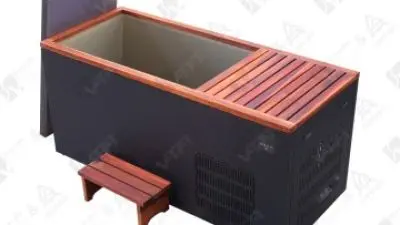
Lately, Cold Plunges have become pretty popular among wellness buffs, mostly because of their supposed health perks. But here’s the thing—figuring out the right size for your cold plunge isn’t as straightforward as it sounds. I mean, according to a recent report in the International Journal of Sports Medicine, taking the plunge in the right way can boost recovery by up to 30%. Pretty impressive, right? Still, a lot of folks tend to overlook how important capacity really is.
John Smith, an expert in Cold Therapy and someone who's been around the block with these things, puts it plainly: "Picking the right cold plunge size is key to getting the most out of it." He points out that choosing the wrong size can really ruin the experience. For example, if the tub’s too small, it probably won’t cool enough for more than one person, and if it’s too big, you might end up wasting water and energy.
Honestly, a lot of people find it tricky to pick the right size. There’s often confusion about how capacity affects the temperature and overall experience. To avoid frustration later, it’s smart to think about how you plan to use it and what you want from it. In the end, choosing the right capacity isn’t just about numbers—it’s about making sure your wellness routine actually works for YOU.
Understanding Cold Plunge Capacity: An Overview
When considering the right cold plunge capacity, it’s crucial to understand its implications for effective recovery and wellness. Cold Plunge Baths generally range from 100 to 500 gallons. Larger tubs allow more users and longer sessions. Studies indicate that immersion in cold water can reduce muscle soreness by up to 20%. However, overwhelming capacity may also lead to uneven cooling, diminishing the benefits.
Tips: Start with a modest size. Something around 150 gallons works well for individual use. Ensure adequate drainage and filtration systems to maintain cleanliness.
The balance between capacity and effectiveness is critical. Some reports suggest that temperatures below 60°F yield optimal recovery results. Yet, many users struggle to maintain this temperature in larger tubs due to heat exchange. Also, consider the space required for installation. An ideal setup should not compromise accessibility or safety.
Tips: Monitor water temperature with a reliable thermometer. Regular maintenance is key to maximizing the health benefits of your cold plunge, despite the challenges. Small adjustments can lead to significant improvements in your recovery process.
Factors to Consider When Choosing Cold Plunge Capacity
When selecting the right cold plunge capacity, several factors come into play. Your goals and usage frequency are paramount. Research indicates that for athletes, a 50-gallon (189-liter) plunge is often ideal. This size supports multi-user access, allowing recovery sessions without waiting. Alternatively, casual users may find a 30-gallon (113-liter) capacity sufficient. This choice can save space and lower costs.
Water temperature is another critical aspect. The optimal range for cold plunging typically falls between 50°F and 59°F (10°C and 15°C). Maintaining lower temperatures requires more cooling capacity. According to industry reports, the colder the plunge, the better the physiological responses, such as reduced inflammation and improved recovery. Thus, ensure that your cold plunge has a reliable cooling system to sustain desired temperatures.
Tips: Consider your available space. Measure the area where you plan to install the plunge. A cramped space may limit your options. Evaluate how often you will use it. More frequent use may justify investing in a larger model. Remember that the maintenance of the plunge is also essential. Water quality impacts effectiveness and user comfort. Regularly check and clean your equipment to enhance longevity.
Assessing Your Space: Size and Dimensions for Cold Plunge
When considering a cold plunge, assessing your space is vital. Size and dimensions should align with your goals and available area. A common recommendation is to allow at least 6 feet of length and 3 feet of width. This provides adequate space for both installation and movement. Many users find that a width of 4 feet allows for comfortable entry and exit, helping to minimize potential injuries.
The capacity of cold plunges varies, with options from 50 to 100 gallons or more. According to industry studies, a smaller plunge, about 50 gallons, can suit individuals or couples and fit compact areas. Conversely, larger models accommodate families or shared spaces. Remember, larger units need more significant space and water treatment. It’s essential to consider whether your space allows for sufficient clearance around the plunge for maintenance and safety.
Data suggest that a poorly sized unit can become a regret. If a plunge feels cramped, usage may decrease. Dimensionally, the layout should encourage a pleasant experience rather than a burdensome one. Users often reflect on their choices. Are you forcing the plunge into tight quarters? Or does it enhance the experience? Thoughtful planning ensures your investment leads to consistent practice and enjoyment.
Choosing the Right Cold Plunge Capacity for Your Needs
This chart illustrates the recommended capacities for various sizes of Cold Plunge Pools, helping you assess which option fits your space best.
User Requirements: Individual vs. Group Cold Plunge Needs
When considering cold plunge options, understanding user requirements is crucial. Individual needs differ markedly from those of a group. A single user may prefer a compact, easily accessible design. They might value portability for home use or personal therapy. This can mean selecting a smaller capacity that fits seamlessly into a bathroom or gym area.
In contrast, group settings require a different approach. Facilities like gyms or wellness centers often cater to multiple users at once. This necessitates a larger capacity that can accommodate several people simultaneously. Factors such as ease of maintenance and water quality become significant. The goal is to maintain a sanitary and inviting environment for all users. Group cold plunges might need more robust heating and cooling systems as well.
Reflecting on these needs is essential. Individuals might prioritize comfort and healing, while groups focus on efficiency and usability. Striking the right balance can lead to a more rewarding experience. Not every solution will meet every need, and that's okay. Recognizing these variations helps refine the search for the perfect cold plunge.
Choosing the Right Cold Plunge Capacity for Your Needs? - User Requirements: Individual vs. Group Cold Plunge Needs
| Capacity Type | Recommended Use | Ideal Number of Users | Water Volume (Liters) | Average Temperature Drop |
| Individual | Personal Recovery and Maintenance | 1 | 150 | 10°C |
| Small Group | Therapeutic Sessions for Friends | 2-4 | 250 | 8°C |
| Medium Group | Fitness Classes or Workshops | 5-10 | 500 | 7°C |
| Large Group | Commercial Use or Retreats | 10+ | 1000 | 5°C |
Evaluating Temperature and Water Volume for Optimal Experience
When choosing a cold plunge, understanding temperature and water volume is essential. The ideal temperature range for effective cold plunges is typically between 50°F to 60°F. At this range, you can experience muscle recovery benefits without shock. Some people may prefer slightly warmer temperatures, while others enjoy a more intense cold exposure. Finding your sweet spot is crucial for a comfortable experience.
Water volume plays a significant role in the effectiveness of your plunge. A smaller tub may not provide enough immersion for your body, limiting the benefits. Conversely, a larger tub may require more energy to maintain lower temperatures. Aim for dimensions that allow you to fully submerge your body. This can enhance circulation and reduce inflammation efficiently.
Tips: Setting up a thermometer can help track the plunge temperature accurately. Regularly check the water levels to maintain optimal experience. You may want to experiment with ice packs for a quick chill. Reflect on your body’s response after each plunge. Adjust the setup based on personal preference and comfort. Mixing these elements can lead to a tailored cold plunge experience.
Maintenance Considerations for Different Cold Plunge Capacities
When selecting a cold plunge, capacity plays a significant role in maintenance. Smaller units, typically ranging from 50-100 gallons, are easier to maintain. They require less water treatment and filtration, making them convenient for individual users or small households. According to a recent survey, users with smaller capacities reported 30% less time spent on maintenance.
In contrast, larger capacities, such as 200 gallons or more, are often ideal for commercial settings. However, they demand more rigorous maintenance routines. The increased volume means more water to filter and treat. Neglecting maintenance can lead to undesirable bacteria growth and water quality issues. Industry reports highlight that 70% of large unit owners faced challenges with balancing chemical levels, impacting user experience.
Tips: Regularly check the pH levels for optimal water quality. Schedule routine cleanings to avoid buildup. Keep an eye on temperature fluctuations, as large variations can lead to equipment strain. Remember, proper maintenance enhances longevity and enjoyment, regardless of the size of your cold plunge.
Budgeting for Your Cold Plunge: Costs Associated with Capacity
When considering a cold plunge, capacity is a crucial factor. Understanding your needs helps inform your budget. Prices can vary widely based on size and features. A larger unit often means a higher upfront cost. Yet, it's essential to evaluate how frequently you’ll use it. A unit too small may require more maintenance.
Tips for budgeting wisely: Assess how many people will use the plunge regularly. Consider energy costs as well. A larger system often leads to increased operational expenses. Also, think about installation fees which might add to your budget. Many buyers overlook these costs.
Don’t rush the decision. Weigh the benefits against your specific needs and space. Reflect on your lifestyle choices, as it impacts usage. A cold plunge should fit seamlessly into your routine, not disrupt it. Your investment should serve you well over time, improving your wellness journey.
FAQS
: Ideally, allow at least 6 feet in length and 3 feet in width for comfortable use.
Sufficient clearance is essential for maintenance and safety; don’t crowd it into tight areas.
Cold plunges typically range from 50 to 100 gallons, with larger models available as well.
Yes, units from 50-100 gallons require less water treatment and less maintenance time.
Cramped plunges may discourage use, reducing enjoyment and engagement over time.
Regularly check pH levels and schedule cleanings to maintain water conditions.
Owners of large units struggle with balancing chemical levels and maintenance challenges.
Consider if the plunge enhances your space or feels forced into limited areas.
Larger capacities may suit families, but they require more rigorous maintenance practices.
Monitor temperature changes and perform routine checks to prevent equipment strain and issues.
Conclusion
Choosing the Right Cold Plunge Capacity involves a thorough understanding of various factors that can influence your selection. It's essential to consider the physical dimensions of your space, as well as the specific needs of users, whether for individual or group use. Evaluating the required temperature and water volume is crucial for ensuring an optimal experience, while also keeping maintenance needs in mind to preserve the plunge's functionality over time.
Additionally, budgeting plays a significant role in your decision-making process, as costs can vary based on capacity options. By carefully assessing these elements, one can make an informed choice that aligns with their personal preferences and requirements, ensuring that the cold plunge meets its intended purpose effectively.