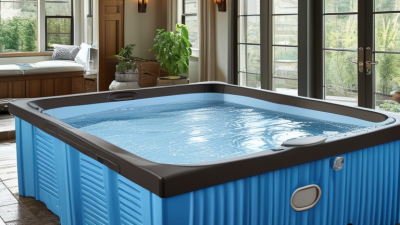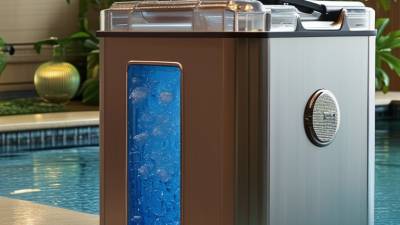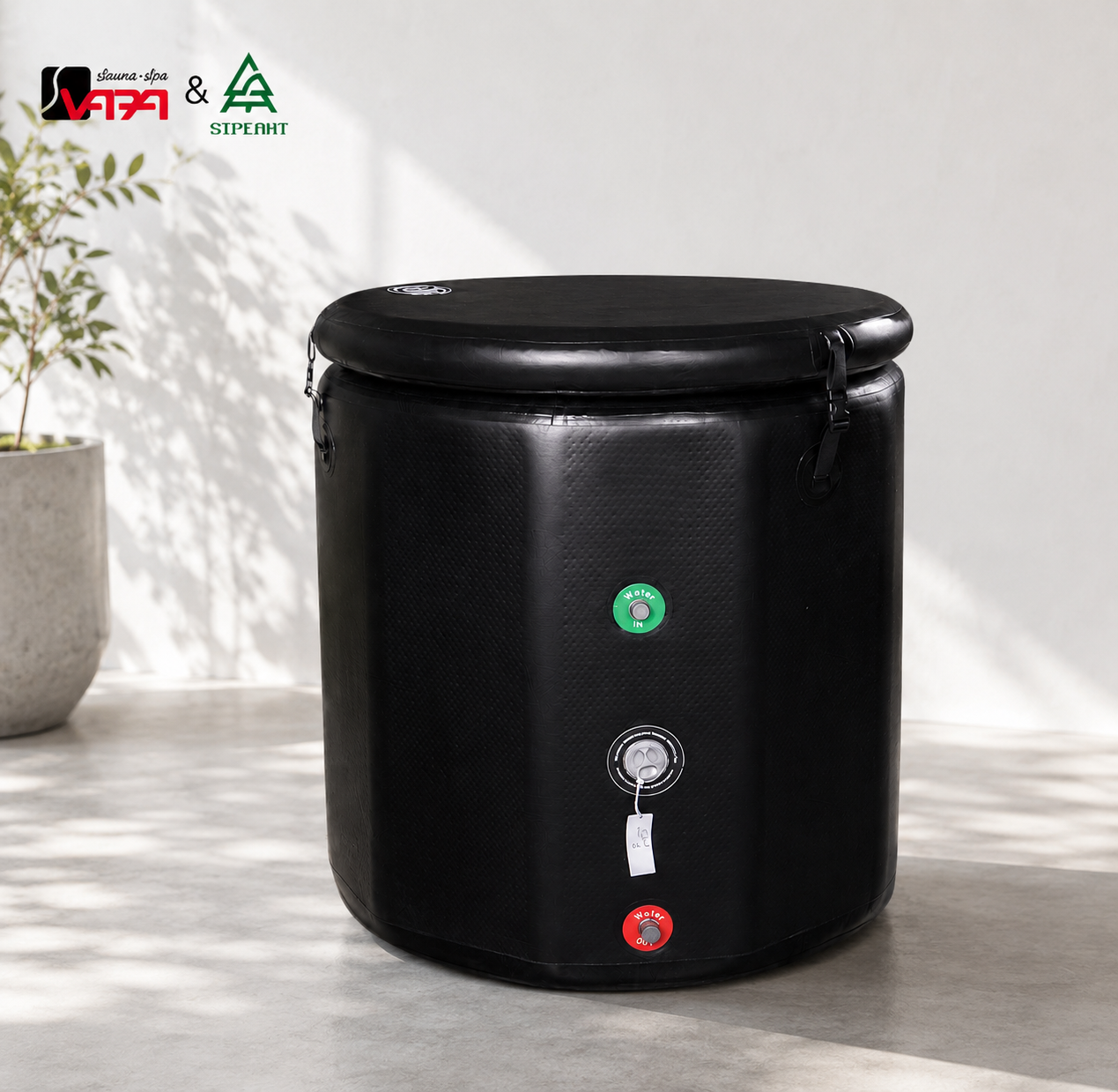
Picking out a commercial cold plunge tub isn’t just about comparing prices or water temps. If you’re running a busy wellness center, you really want something reliable, safe to access, and easy to keep up with day-to-day. This guide on buying a commercial cold plunge tub walks you through the key details you should check out before making any purchase.
First things first, think about how many people will be using it. A small studio probably only needs a compact tub, but if you’re running a hotel or a sports facility, you’ll probably need faster cooling and stronger filtration systems. Also, ask about recovery time between sessions—like, how long does it take for the water to cool back down after multiple uses? That little detail can really impact your customers’ experience, and honestly, it can also bump up your electricity bills.
Water hygiene is super important, so pay close attention here. You’ll want a system with reliable filtration and sanitation controls, along with good insulation and straightforward cleaning instructions. It’s a smart move to chat with qualified technicians about service needs, and don’t forget—any electrical work must follow local safety and installation standards.
Another thing to keep in mind—comfort and easy access. Features like a stable step for getting in and out, rounded edges, and a slip-resistant surface can really help prevent accidents on busy days. Before you order, make sure to measure the doorway, drainage spots, and space for the equipment. Sounds obvious, right? But surprisingly, it’s one of those details that often gets overlooked.
Don’t forget to review the warranty, how easy it is to get replacement parts, what kind of tech support they offer, and how quickly they respond to maintenance issues. These little things can really distinguish durable, professional-grade Hot Tub solutions from cheaper, flashier options that might turn out to be a pain down the line. Of course, no buying guide can cover every site-specific issue—you might still underestimate staff workload or seasonal demand. Doing a thorough site assessment, setting a realistic budget, and asking detailed questions in writing to your supplier are great ways to avoid surprises. After all, the goal is to find a tub that keeps your operation running smoothly, not one more thing on your to-do list that nobody’s got time for.
Before comparing a commercial cold plunge tub, define its daily purpose. A gym may need quick recovery sessions between workouts. A hotel spa may prioritize quiet use, comfort, and longer stays. A sports facility may require frequent access during peak training hours. These goals affect tub size, water turnover, filtration, temperature control, and placement.
Measure real user capacity, not just the advertised number. Count expected users per hour, average session length, cleaning intervals, and staff availability. For example, twelve users arriving within thirty minutes create a different workload from twelve users spread across a day. Leave space around the tub for safe entry, towels, supervision, and wheelchair movement where required. Check electrical, drainage, ventilation, and floor-load requirements with qualified professionals.
Your first estimate may be too optimistic. Staff breaks, maintenance, late arrivals, and longer sessions can quickly reduce capacity. A simple usage log from a trial period can reveal actual demand. Record arrival times, session duration, cleaning needs, and user feedback. Then compare that evidence with the supplier’s technical specifications and local facility requirements. A smaller unit may suit a controlled appointment system, while a larger system may be necessary for open-access use. Capacity should match operations, not marketing language.
When comparing commercial cold plunge tubs, measure the available floor area before reviewing features. Allow space for users to enter safely and staff to clean around the unit. A compact tub may suit a private studio, while larger facilities need wider models for easier supervision. Check internal dimensions, not only the exterior footprint. Tall users may need extra depth.
Material affects durability, cleaning, and long-term maintenance. Stainless steel offers a rigid surface and a professional appearance, but it can increase weight and installation demands. Fiberglass and reinforced composites are often lighter, though surface damage may require careful repair. Inspect seams, corners, insulation, and drain fittings. Small weaknesses become expensive problems. I once underestimated access clearance during planning, and the tub could not pass through the final doorway. Measure doors, elevators, corridors, and turning spaces.
Installation requirements deserve the same attention as tub size. Confirm the filled weight, floor capacity, water supply, drainage route, and ventilation needs. A full commercial tub can place substantial load on a small area. Electrical components should be installed by qualified professionals according to local codes. Keep service panels accessible for filter replacement and inspections. Some facilities may need floor drains or waterproofing beneath the unit. These details are easy to overlook, especially in renovated rooms. Leave room for mistakes. Specification sheets can omit practical access dimensions, so request installation drawings before purchasing.
When comparing commercial cold plunge tubs, cooling performance deserves more than a low temperature claim. Check how quickly the water reaches its target after filling. Then observe temperature stability during repeated sessions. A reliable system should recover without noticeable fluctuations. Measure it with a calibrated thermometer, not only the built-in display.
Temperature range matters because users may prefer different starting points. Confirm the lowest operating temperature, adjustment increments, and control response. Also inspect insulation around the tub and pipes. Poor insulation can increase cooling demand in a warm facility. Ask for test conditions, including room temperature, water volume, and cover use. Results without those details are difficult to trust.
Recovery speed affects busy commercial rooms. Time the return from a realistic user load, rather than an empty-tub demonstration. Ten minutes can feel very different from forty. Check whether the unit maintains flow while cooling, and listen for excessive compressor noise. My first comparison focused too heavily on minimum temperature. That was a mistake. Daily recovery mattered more. Review maintenance access, filter changes, and service records alongside other commercial hot tub options. A practical trial during peak hours may reveal weaknesses that showroom testing misses.
When evaluating a Commercial Ice Tub, inspect its filtration system before its exterior finish. A busy facility can introduce hair, skin oils, and fabric fibers daily. Look inside. Check whether the filter is easy to remove, rinse, and replace. A cartridge that requires special tools may slow routine servicing. Ask for the filter’s rated flow, cleaning interval, and replacement cost. These details reveal more than product photos.
Sanitization also deserves careful attention. Confirm whether the system uses controlled chemical dosing, ultraviolet treatment, or another documented method. No single method removes the need for monitoring. The tub should support accurate water testing, clear adjustment instructions, and written service records. Avoid vague claims about “self-cleaning” performance. Ask how the system responds when sanitizer levels fall outside the operating range. Staff need simple procedures they can follow consistently, even during busy periods.
Water maintenance depends on practical design. Look for accessible drains, smooth internal surfaces, and plumbing that can be fully emptied. Check whether the tub includes temperature controls, water-level protection, and alerts for filter or circulation problems. Request a maintenance schedule covering cleaning, water replacement, component inspection, and winter storage if relevant. One easy detail to overlook is staff training. A well-designed system can still perform poorly when tasks are unclear. I would also budget for extra filters, test supplies, and occasional service. The lowest purchase price may not remain the lowest operating cost.
A commercial cold plunge tub should be judged by its safety details, not its appearance. Look for clearly displayed water temperature, an accessible emergency stop, rounded edges, and secure, non-slip flooring. The electrical system should be professionally installed and suitable for wet environments. Confirm that drainage is fast and complete, because standing water creates cleaning and slip concerns. Ask for maintenance records, filtration instructions, and compliance documentation required in your location.
Accessibility needs practical testing. A wide entry, sturdy handrails, and adjustable steps can help users with different mobility levels. A transfer bench may be valuable, but only if it remains stable when wet. Staff should reach the controls without leaning over the tub. If the facility also offers a Commercial Hot Tub, separate controls and clear temperature labels can prevent unsafe confusion. Good lighting matters, especially around steps and water edges.
Comfort is more than water temperature. Check whether the interior supports different body sizes without forcing awkward positions. Quiet circulation, clean surfaces, and enough personal space can make repeated use less stressful. Some users may prefer a shorter entry route or extra privacy. Test the tub with real staff, not only a showroom model. One common mistake is trusting product specifications too quickly. A beautiful tub may still have slippery steps or poorly placed controls. Reconsider the layout after observing actual users.
A commercial cold plunge tub should be judged by lifetime operating cost, not only its purchase price. Record the tub’s rated input power, water volume, insulation thickness, and expected duty cycle. Then use: **monthly kWh = input kW × operating hours × 30**. For example, a 1.5 kW system running eight hours daily uses about 360 kWh monthly. At roughly $0.14 per kWh, near the 2024 U.S. commercial average reported by the U.S. Energy Information Administration, electricity costs approach $50 monthly. Local tariffs may differ sharply.
Heat enters through the shell, cover, plumbing, and frequent user access. ASHRAE’s *HVAC Applications Handbook* recommends considering transmission, infiltration, and internal heat loads in refrigeration calculations. A thick, well-fitted cover matters. So does a protected installation away from direct afternoon sunlight. Ask for measured energy data under stated water and room temperatures, not vague “low-energy” claims. Real usage is messier.
For long-term durability, inspect replaceable seals, corrosion-resistant fittings, accessible filters, drainage design, and documented refrigerant service requirements. The U.S. Department of Energy’s FEMP life-cycle costing method supports comparing purchase, energy, maintenance, and replacement costs over time. Include water treatment, filter changes, and technician visits in the spreadsheet. My first estimate would probably be too optimistic if I ignored peak summer conditions. Leave a maintenance reserve. Also question unusually long warranty promises without local service support. A cheaper tub can become expensive when one inaccessible pump requires major disassembly.
Estimated annual electricity use and operating cost for a 1,000-liter commercial cold plunge at an electricity rate of $0.16 per kWh. The estimates assume 365 operating days, stable water temperature, regular lid use, and different daily usage levels. Better insulation and lower heat exposure generally reduce energy consumption and may improve long-term equipment durability.
A commercial cold plunge purchase should begin with the warranty, not the showroom finish.
Request the complete warranty document before signing. Check coverage for the tub shell, chiller, pump, controls, and seals separately. Some warranties cover parts but exclude labor, freight, water damage, or improper maintenance. Ask who pays for onsite diagnosis. Get the answer in writing.
Service capacity matters during peak business hours. The Service Council’s 2024 field-service research highlights response time and first-time-fix rate as important performance measures. Ask suppliers to provide both figures, supported by recent service records.
HubSpot’s 2024 State of Service report found that 93% of customers would likely repurchase after excellent service. That finding is general, but it reinforces a practical point: fast support protects operating revenue. Request a parts-stock location, escalation contact, remote troubleshooting process, and guaranteed response window. Test the support line before purchase. A real reply beats a polished promise.
Reputation needs evidence. Review verified commercial installations, maintenance logs, complaint patterns, and references from facilities with similar daily usage. Do not rely on star ratings alone.
The International Organization for Standardization’s ISO 10004 guidance emphasizes monitoring customer satisfaction as a quality practice. Ask how the supplier measures it. I would also inspect exclusions carefully; this step is easy to skip. It may be the costly mistake. Choose a supplier that documents water-care requirements, technician qualifications, repair timelines, and renewal terms for the commercial cold plunge.
## 2-Person Oval Cold Tub: Features, Benefits, Custom Sizes, and Buying Guide
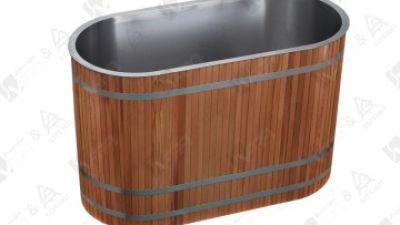
Designed for home wellness spaces, this elliptical, capsule-shaped cold tub combines a refined appearance with practical performance. Its interior is constructed from durable 304 stainless steel, offering a smooth, hygienic surface that is easy to clean and helps maintain lower water temperatures. The two-person format supports shared recovery routines, while custom sizing can make the tub easier to integrate into bathrooms, patios, studios, or compact commercial facilities. Depending on the installation, buyers should also evaluate insulation, filtration, drainage, temperature control, and electrical requirements.
Interest in cold-water recovery is growing alongside the broader wellness economy. The Global Wellness Institute’s *2024 Global Wellness Economy Monitor* valued the global wellness economy at approximately $6.3 trillion in 2023, highlighting continued investment in at-home wellness solutions. A 2024 wellness consumer study by McKinsey & Company, based on more than 9,000 respondents across major markets, also identified wellness as an increasingly important purchasing priority. These trends make material quality and long-term maintenance especially important when comparing cold tubs.
Before buying, confirm the tub’s external dimensions, usable interior space, water capacity, weight when filled, and delivery access. Ask whether the selected configuration includes a compatible chiller, circulation system, cover, sanitation components, and warranty support. For custom orders, request technical drawings and verify that the chosen finish, drainage position, and installation clearance match the available site.
Identify the setting and daily purpose. A gym may need rapid recovery sessions between workouts. A hotel spa may value quiet, comfort, and longer stays. A sports facility may need frequent access during peak training hours. These needs affect size, filtration, temperature control, and placement.
Count users per hour, session length, cleaning intervals, and available staff. Twelve users arriving within thirty minutes create heavy demand. Twelve users spread across a day create less pressure. Plan for the busiest period. Not the quiet morning.
Advertised capacity may ignore staff breaks, cleaning, late arrivals, and extended sessions. Your first estimate may be too optimistic. A usage log can reveal actual demand. Record arrival times, session duration, cleaning needs, and user feedback.
Leave room for safe entry, towels, supervision, and mobility equipment. Check wheelchair movement where required. Confirm electrical, drainage, ventilation, and floor-load needs with qualified professionals. A crowded layout may slow service and increase accidents.
Look for visible temperature readings, an accessible emergency stop, rounded edges, and non-slip flooring. Drainage should be fast and complete. Standing water creates slip and cleaning concerns. Controls should remain reachable without leaning over the tub.
Test a wide entry, sturdy handrails, and adjustable steps with different users. A transfer bench can help, but it must stay stable when wet. Good lighting should cover steps and water edges. Product descriptions are not enough.
Check whether the interior supports different body sizes comfortably. Quiet circulation and clean surfaces make repeated use less stressful. Some users may want privacy or a shorter entry route. Small comfort issues can become significant during busy periods.
Let staff test the actual unit, not only a showroom model. Observe entry, controls, cleaning, drainage, and user movement. Compare those observations with technical specifications and local facility requirements. A beautiful tub may still have slippery steps. Reconsider the layout after real testing.
A Commercial Cold Plunge Tub Buying Guide should begin by clarifying your facility’s goals, expected user volume, available space, and installation conditions. Compare tub dimensions, construction materials, drainage needs, and placement requirements to ensure the unit fits your environment. Cooling performance is also essential, so evaluate the achievable temperature range, temperature stability, and recovery speed between sessions. Reliable filtration, sanitization, and water maintenance systems can help support consistent hygiene while reducing daily maintenance demands.
Safety, accessibility, and user comfort should remain central to the decision. Look for secure entry and exit features, suitable seating, slip-resistant surfaces, and controls that are simple to operate. Before purchasing, estimate energy consumption, routine operating costs, cleaning requirements, and long-term durability. Finally, review warranty terms, service availability, replacement-part support, and the supplier’s reputation for dependable assistance. A careful comparison of these factors will help you select a practical, safe, and cost-effective commercial cold plunge solution for long-term use.