request to quote
Leave Your Message
0%

These days, commercial wellness spots are moving beyond just massage rooms and traditional pools. Operators are looking for recovery spaces that feel precise, solid, and a smart investment for the long run. It’s kind of exciting to see how this industry is evolving!

According to the Global Wellness Institute’s 2024 Wellness Economy Monitor, the whole global wellness market hit around $6.3 trillion in 2023, and it’s projected to grow to nearly $9 trillion by 2028. That’s a lot of money flowing into recovery amenities, but let’s be real — that doesn’t automatically mean Cold Plunges are going to be a goldmine. The success really depends on factors like location, what customers want, staffing levels, and how well the equipment is maintained.

If you’re thinking about buying a commercial cold plunge tub, this guide’s got ten key questions you should ask yourself before pulling the trigger. Each one helps connect what the product offers with the day-to-day realities of running a busy facility. We’ll look at water volume, how quickly it cools, filtration, sanitation, insulation, electrical needs, and how many people it can comfortably hold. Every little detail counts — a badly sealed lid can skyrocket energy bills, an undersized filter might leave the water cloudy during busy times, and a narrow entry could slow down guest turnover.

Safety’s gotta stay at the top of the list, of course. The CDC’s Model Aquatic Health Code is a good starting point for planning safe aquatic facilities, but keep in mind that local rules might be a bit different. It’s always a good idea to get a professional review before making a final decision. Plus, research from the International Spa Association highlights how guest experience, cleanliness, and operational consistency really influence what spa owners choose.

Now, on the topic of cold exposure — yeah, the science is growing, but it’s still kind of inconsistent. Many studies involve small groups or just short-term observations, so don’t buy into any big health promises. Instead, ask for test results, warranty info, how quickly they respond to service issues, and clear cleaning procedures.

Keep in mind, this guide isn’t going to answer every single operational question you might have. But it should definitely help you spot the costly ones.

Oh, and we also take a look at commercial hot tub solutions, especially where plumbing, heating, and recovery systems overlap — because sometimes it’s more about making practical choices rather than chasing after trendy gadgets.
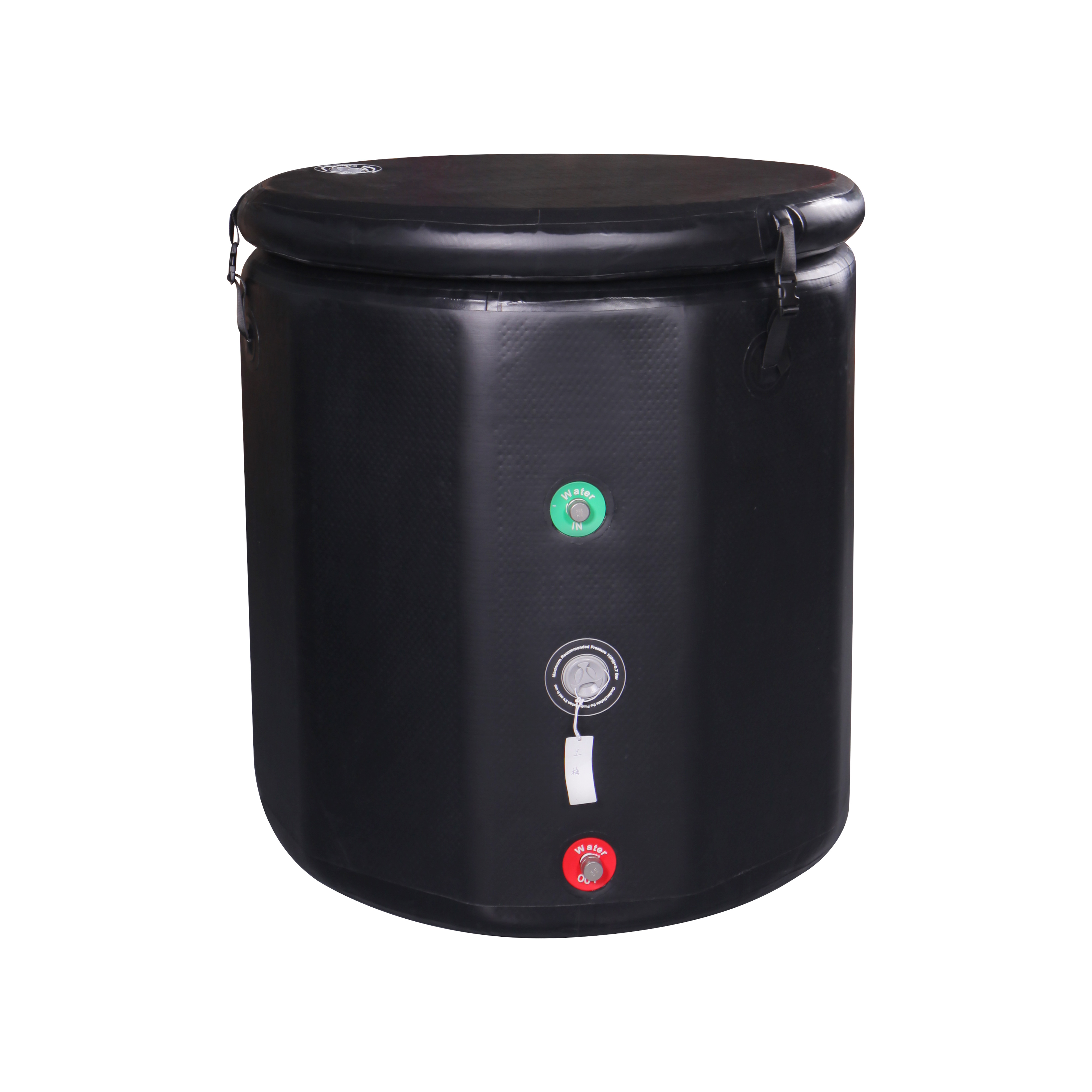
Top 10 Commercial Cold Plunge Tub Buying Guide Questions

What Defines a Commercial Cold Plunge Tub?

A commercial cold plunge tub is more than a large residential bath. It is a facility-grade water system designed for repeated use, controlled sanitation, and dependable operation. There is no single worldwide definition, which makes buying decisions surprisingly unclear. Size alone is not enough.

The Global Wellness Institute valued the global wellness economy at $6.3 trillion in 2023, showing why recovery facilities require more disciplined equipment choices (Global Wellness Institute, 2024 Global Wellness Economy Monitor). Commercial buyers should examine duty cycles, filtration turnover, water temperature control, insulation, drainage, and service access. A tub used twenty times daily needs different pumps and maintenance planning than one used twice weekly. That difference is easy to miss.

Water safety matters more than dramatic design. The CDC’s Model Aquatic Health Code recommends documented water-quality procedures, circulation controls, and operator training for public aquatic environments. Local requirements may differ, so compliance must be verified before installation. Look for testable sanitizer levels, clear cleaning access, slip-resistant entry points, emergency shutoff controls, and accessible steps. Ask how quickly the system can recover after heavy use. Ask what happens during a pump failure.

A commercial unit should also provide records. Temperature logs, maintenance schedules, and replacement-part availability support reliable operation and professional accountability. Some specifications still look impressive but lack independent testing. That deserves skepticism. A cold plunge may feel simple, yet its hidden workload is substantial.

Which Tub Size and Capacity Fit Your Facility?

Choosing a commercial cold plunge starts with people flow, not the tub’s advertised volume. A two-person tub may suit a private recovery room, but it can create queues during peak training hours. Measure your busiest 30-minute period, then estimate bathers by session length, cleaning intervals, and staff access. A practical rule is to allow roughly 1.5–2 square meters around the tub for safe entry, supervision, and towel movement. Space disappears quickly.

Water weight matters. One US gallon weighs about 8.34 pounds, according to the U.S. Geological Survey. A 500-gallon tub therefore holds approximately 4,170 pounds of water, before adding the shell and users. Confirm the floor load with a qualified engineer. My first capacity estimate was too optimistic. A compact room may need a smaller tub, even when demand suggests a larger one. For ventilation planning, ASHRAE 62.1-2022 lists exercise rooms at 20 cfm per person, which helps facilities assess moisture and air movement. The CDC’s 2023 Model Aquatic Health Code also emphasizes documented water-quality procedures and operational controls, although local rules may classify cold plunges differently.

For most gyms, clinics, and recovery centers, compare 2–4-person and 6–8-person layouts against actual traffic. Larger commercial hot tub options are not automatically better. They require more water, cooling capacity, cleaning time, and structural support. Leave room for maintenance access. Undersizing feels inconvenient; oversizing can quietly increase operating costs.

How Powerful Should the Cooling System Be?

For a commercial cold plunge, cooling power should match the tub’s volume, traffic, and surroundings. A Commercial Ice Tub used by several people needs faster heat removal than a private unit. Check the cooling capacity, recovery time, and operating range—not only the advertised temperature.

A practical calculation starts with water volume. Larger volumes usually need stronger refrigeration equipment. Frequent use adds body heat, while warm rooms, direct sunlight, and poor insulation increase the load. A well-insulated cover can reduce recovery demands between sessions. Look for clear technical data, including cooling output, water-flow requirements, and performance at your facility’s highest ambient temperature.

More power is not always better. An oversized system may increase purchase costs, noise, and energy use without improving daily service. A common planning mistake is choosing capacity from tub size alone. Usage patterns matter just as much. How many sessions occur each hour? Does the water need to recover during business hours? These questions deserve measured answers.

Allow some margin.

Still, avoid guessing. Ask for test conditions and expected recovery times in writing. Cooling performance can change after installation, especially when ventilation is limited. Recheck the decision against your actual schedule, water volume, and maintenance routine. The strongest specification is the one your facility can operate reliably, not the largest number on a sales sheet.

Top 10 Commercial Cold Plunge Tub Buying Guide Questions: How Powerful Should the Cooling System Be?

Recommended cooling capacity for reducing water temperature from 20°C to 10°C within approximately two hours. The estimate includes a 25% allowance for heat gain, circulation, and operating conditions.

Larger tubs require substantially more cooling power because water stores about 4.186 kJ of heat per kilogram per degree Celsius. Actual requirements vary with insulation, ambient temperature, cover usage, water turnover, and the number of users.

What Materials and Construction Ensure Long-Term Durability?

Commercial cold plunge tubs face constant moisture, temperature shifts, cleaning chemicals, and heavy daily use. Material selection matters more than glossy finishes.

The NACE IMPACT study estimated global corrosion costs at $2.5 trillion annually, equal to 3.4% of global GDP. That figure makes corrosion prevention a purchasing issue, not a cosmetic upgrade.

Choose 316 stainless steel for wet areas exposed to salts or aggressive cleaners. Its molybdenum content improves resistance against localized corrosion. High-density polyethylene can also perform well, especially with thick, seamless, rotomolded walls.

Look for closed-cell insulation, reinforced bases, and protected plumbing connections.

Welds should appear even, smooth, and free from pinholes.

A thick shell alone is not enough. Weak fittings can still ruin an otherwise durable unit.

Tips: Ask for material grades, wall thickness, weld inspection records, and corrosion-test documentation. ASTM B117 salt-spray results may help compare coatings, but ASTM notes that salt spray does not reliably predict real-world service life. Request testing that reflects actual water chemistry and cleaning routines. Examine access panels, drain valves, and pump mounts. These small parts often receive the most abuse. I would also question impressive warranty language without repair access. Easy maintenance may matter more than a heavier shell.

Which Filtration and Sanitation Features Are Essential?

When evaluating a commercial cold plunge tub, inspect the filtration system before admiring its finish. A washable pre-filter can catch hair and visible debris. A finer cartridge filter helps remove smaller suspended particles. Check its rated flow and replacement cost. A powerful pump means little if water bypasses the filter.

Sanitation needs more than a single treatment feature. UV or ozone systems may reduce microbial load, but they should support—not replace—an approved sanitizer program. Confirm that the equipment allows accurate testing and controlled dosing. Ask how quickly the full water volume passes through filtration. Request written cleaning instructions, service intervals, and water-quality records. In real facilities, neglected logs become a warning sign.

Cold water can change how equipment behaves. Sensors, seals, and chemical systems should be rated for the tub’s operating range. Look for smooth internal surfaces, protected drains, and easy access around the filter housing. A Commercial Hot Tub may use different circulation demands, so do not assume its sanitation package suits cold immersion. Test strips are convenient, but they can be misread. Digital meters offer more consistency when maintained correctly. Staff training matters, too. Even the best system fails when nobody checks it. I would also ask whether the manufacturer explains what happens after heavy daily use, because many specifications seem optimistic.

What Safety Standards and User Protections Are Required?

When buying a commercial cold plunge tub, safety begins with documented compliance. Requirements differ by country, state, and building type, so verify local electrical, plumbing, and public-use codes. Ask for test reports from a recognized laboratory, not only a printed safety label. The unit should include proper grounding, residual-current or ground-fault protection, and sealed electrical components suitable for wet areas. Labels are not enough.

User protection also depends on the physical design. Look for stable steps, slip-resistant flooring, rounded edges, secure handrails, and a cover that cannot fall onto a user. Water circulation should support hygienic operation, while temperature controls must prevent unexpected changes. A visible emergency shutoff is valuable in busy facilities. Clear instructions should explain entry, exit, supervision, cleaning, and when use should be avoided. Keep records.

Operators need practical safeguards, not impressive specifications. A daily inspection can check water clarity, floor condition, drain covers, cables, and control displays. Maintenance logs should show filter changes, sanitation checks, repairs, and staff training. Accessibility deserves attention too; a tub that is difficult to enter safely excludes some users. One imperfect point is often overlooked: certification may cover the equipment, but not poor installation or careless supervision. Request installation guidance, warranty limits, inspection intervals, and incident procedures before purchase. A short trial with staff can reveal awkward handles, slippery steps, or confusing controls that a brochure will never show.

How Should Installation, Maintenance, and Costs Be Evaluated?

When evaluating a commercial cold plunge, installation should begin with the building, not the tub. Measure doorways, drainage routes, floor loading, and electrical capacity. The U.S. Department of Energy notes that commercial refrigeration efficiency depends heavily on equipment sizing and operating conditions. An oversized chiller may cool quickly, yet waste electricity during long idle periods. Confirm voltage, dedicated circuits, ventilation, and water disposal requirements with a qualified contractor. Costs should include delivery, plumbing, electrical work, permits, filters, chemicals, labor, and planned downtime. The purchase price is only the visible part.

Maintenance deserves equal attention. The CDC’s Model Aquatic Health Code provides water-quality benchmarks for public aquatic environments, including pH and disinfectant control, although local rules may differ. NSF/ANSI 50 also addresses equipment used in recreational water facilities. Ask how often filters require replacement, whether sanitation can be logged digitally, and how quickly technicians can access pumps and sensors. A clean-looking basin can still hide biofilm. That uncomfortable possibility matters. Keep written records of water tests, temperature readings, cleaning, and repairs.

Tips: Request a three-year ownership estimate, not just a quotation. Compare daily energy use, service response time, filter costs, and expected water changes. The Global Wellness Institute reported a $6.3 trillion global wellness economy in 2023, but demand does not guarantee profitability. My practical mistake would be trusting an attractive specification sheet without checking local installation limits. Measure twice. Budget for surprises.

Hot Tub Market Growth Insights from Grand View Research: Why Mirror-Finish Elliptical Soaking Elevates Social Wellness

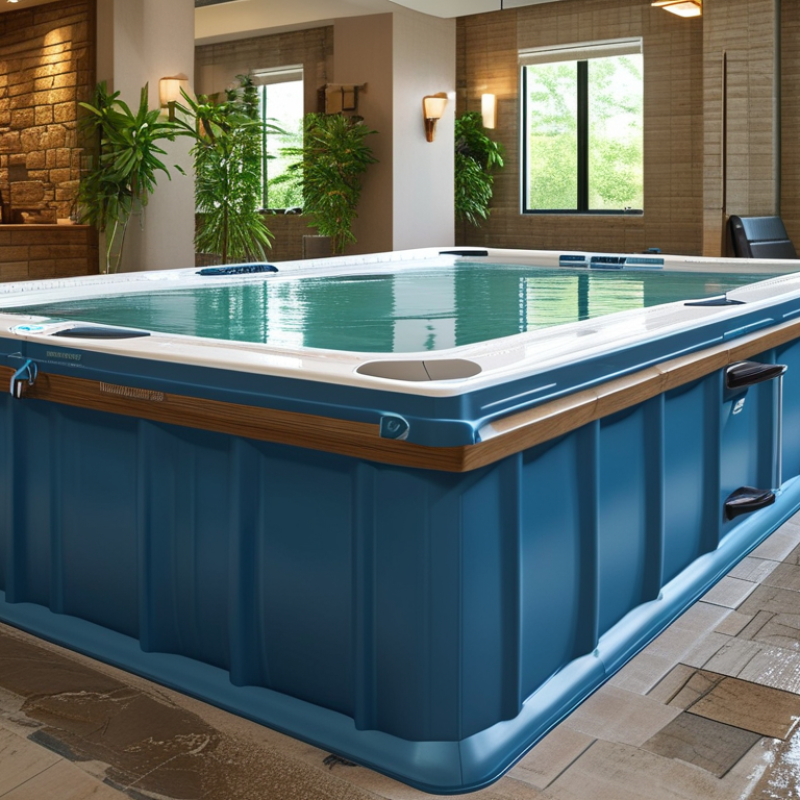
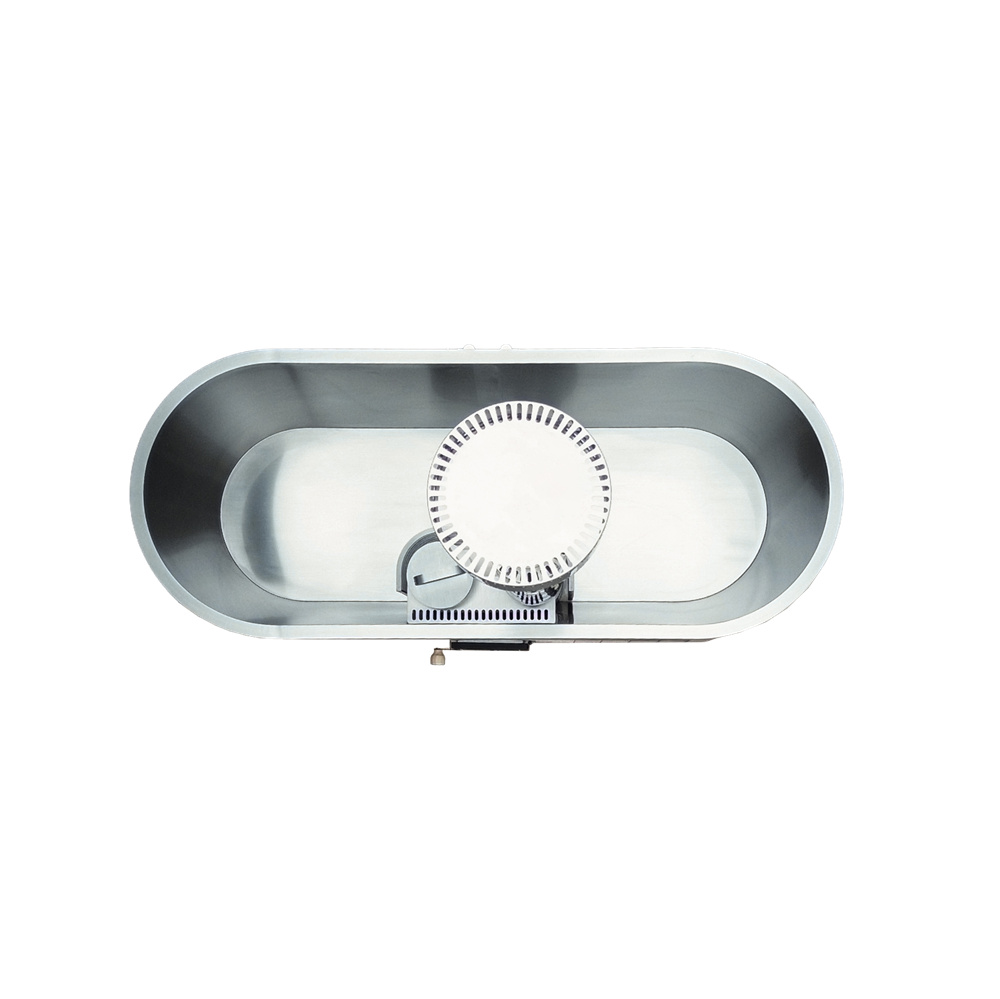
The hot tub market is evolving beyond private relaxation, with social wellness becoming a powerful driver of consumer interest. HT013 reflects this shift through its mirror-finish elliptical soaking design, creating a visually refined centerpiece for outdoor living spaces. Its rounded profile encourages face-to-face interaction, allowing family members and friends to share a comfortable soak while maintaining a natural sense of connection.

The elliptical form offers generous space for conversation, relaxation, and shared rituals, making wellness feel more inclusive and engaging. Rather than treating hydrotherapy as a solitary experience, HT013 supports a lifestyle in which warm water, calm surroundings, and meaningful company come together. The mirror-finish exterior further enhances its contemporary appeal by reflecting light and complementing modern terraces, gardens, and hospitality environments.

As market growth insights continue to highlight the expanding role of wellness at home, designs such as HT013 demonstrate how functionality and social experience can work together. Its polished appearance, welcoming shape, and emphasis on communal soaking position it as a practical choice for consumers seeking both everyday comfort and an elevated entertaining environment.

FAQS

: How should a facility choose the right tub size?

: Measure the busiest 30-minute period. Estimate users, session length, cleaning time, and staff access. A two-person tub may suit a private room, but queues can form quickly. Compare two-to-four-person and six-to-eight-person layouts with actual traffic. More capacity is not always better.

How much space should surround a commercial cold plunge?

Allow about 1.5–2 square meters around the tub. This space supports safe entry, supervision, and towel movement. Leave additional room for filters, pumps, drains, and service panels. A crowded corner may look efficient, but maintenance becomes awkward.

How much floor weight can a filled tub create?

Water weighs about 8.34 pounds per US gallon. A 500-gallon tub holds roughly 4,170 pounds of water. The shell, equipment, and users add more weight. Ask a qualified engineer to confirm the floor load. My first estimate was too optimistic.

Which materials support long-term durability?

Consider 316 stainless steel in wet areas exposed to salts or strong cleaners. Thick, seamless polyethylene can also provide useful durability. Look for closed-cell insulation and reinforced bases. Inspect welds for smooth surfaces and pinholes. A thick shell cannot rescue weak fittings.

What construction details deserve close inspection?

Examine plumbing connections, drain valves, pump mounts, and access panels. These parts often receive heavy daily abuse. Ask for material grades, wall thickness, and inspection records. Salt-spray results can help compare coatings, but they do not predict every service condition. Marketing language can sound stronger than repair access.

What safety features should a commercial tub include?

Look for stable steps, slip-resistant flooring, rounded edges, and secure handrails. Electrical components should be sealed for wet environments. Ground-fault or residual-current protection is important. A visible emergency shutoff helps busy facilities respond quickly. Labels alone are not enough.

How can operators maintain safe daily use?

Check water clarity, drain covers, floors, cables, and control displays each day. Keep records of sanitation checks, filter changes, repairs, and staff training. Instructions should explain entry, exit, supervision, cleaning, and restricted use. Small omissions become large problems. Keep logs.

Why should staff test the tub before purchase?

A short staff trial can reveal slippery steps or awkward handles. It may also expose confusing controls and poor access. Check whether different users can enter and exit comfortably. Accessibility should be evaluated before installation. A brochure will not show every flaw.

Conclusion

A Commercial Cold Plunge Tub Buying Guide should help facility owners evaluate more than appearance and water temperature. A commercial unit must be designed for frequent, demanding use, with a size and user capacity that match the facility’s traffic, available space, and recovery services. Cooling power is equally important, since the system should maintain stable temperatures while serving multiple users throughout the day. Durable materials, strong construction, corrosion resistance, and reliable insulation can support long-term performance and reduce replacement costs.

The guide should also explain essential filtration and sanitation features that help maintain clean, hygienic water between uses. Safety considerations include secure access, slip-resistant surfaces, temperature controls, emergency protections, and compliance with applicable local requirements. Finally, buyers should compare installation needs, plumbing and electrical requirements, routine maintenance, warranty support, energy consumption, and total ownership costs. Evaluating these factors together makes it easier to choose a safe, dependable, and cost-effective cold plunge solution for a professional facility.
Olivia

Olivia

Olivia is a dedicated marketing professional based in Huizhou, China, where she plays a pivotal role in promoting her company's innovative products. With a strong background in scientific research and a passion for technological advancement, Olivia brings a wealth of knowledge and expertise to her......
Previous Why Add Cold Plunge to Hotel Wellness Facilities?