request to quote
Leave Your Message
0%

Picking out a commercial plunge pool isn’t just about finding the coldest water out there. It’s more of a balance—thinking about safety, ongoing costs, the experience your guests have, and whether it’s going to last for the long haul. In this guide, I’m sharing seven practical tips to help you decide, especially if you’re running a gym, hotel, sports clinic, wellness center, or recovery spot. Every little detail counts—things like how much water the tub holds and how long it takes to get the water back to the right temperature after use.

Wim Hof, the guy everyone recognizes for his cold exposure techniques, once said, “The cold is merciless, but righteous.” And honestly, those words ring true even in the commercial world. Cold water needs to be treated with respect—think careful procedures and consistent oversight. When shopping around, it’s smart to compare things like cooling power, filtration quality, sanitation systems, drainage setup, electrical needs, insulation quality, warranty coverage, and how many people can use it daily. I saw a small wellness studio with a pretty nice-looking tub, but the chiller just couldn’t keep up during busy hours—recovery was painfully slow, which is definitely not ideal.

Don’t underestimate how easy maintenance can be overlooked too. Make sure you ask who’s responsible for cleaning the filter, tracking water quality, or fixing stuff when it breaks. It’s also worth digging into manufacturer documentation, response times for service, and installation requirements before you sign that dotted line. And don’t forget about access—check the rules and regulations at your location, because requirements can vary a lot depending on where you are. It’s always a good idea to get professional advice to be on the safe side.

Oh, and while this guide mainly focuses on cold plunge systems, I’ve included some info about Commercial Hot Tubs too. Keep in mind, hot tubs and cold plunges have totally different needs when it comes to heating, cooling, hygiene, and circulation. Not every tip will fit every business—that’s the point. A wise buyer challenges assumptions, measures actual demand carefully, and leaves some wiggle room for unexpected findings before making a final decision on what equipment to get.
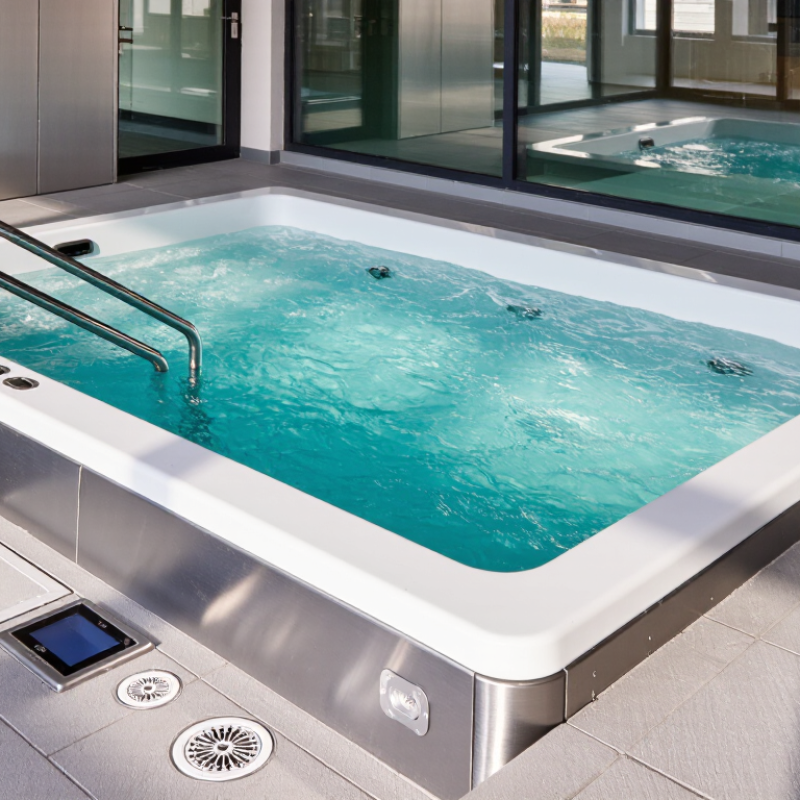
7 Commercial Cold Plunge Tub Buying Guide Tips

Define Commercial Throughput: Size Capacity by Users per Hour and Recovery

Commercial demand is not measured by tub size alone. Measure users per hour, then test recovery. The Health & Fitness Association’s 2024 consumer report recorded 72.9 million U.S. fitness-facility users in 2023. That traffic can create sharp peaks after group training sessions. The Global Wellness Institute valued the global wellness economy at $6.3 trillion in 2023. Recovery facilities are becoming busier, but demand is uneven.

Use a simple capacity model: stations × sessions per hour × operating availability. A four-person tub with a 12-minute session supports about 20 theoretical users hourly. Real output will be lower. Cleaning, entry time, supervision, and temperature recovery reduce capacity. Check the technical sheet for cooling time under full load. Then test it during a busy evening. A display showing the target temperature is useful, but the probe needs independent verification. Small errors become noticeable.

**Tip:** Calculate both nominal and practical throughput. Record water temperature before each session, after each exit, and fifteen minutes later. Recovery is not the same as human recovery. Evidence remains mixed; a 2022 systematic review in *Sports Medicine* found that cold-water immersion may reduce perceived soreness, but protocols varied widely. Do not promise medical outcomes. A commercial buyer should also question noise, drainage speed, filtration service intervals, and whether the electrical system can support repeated cycles. The perfect capacity estimate rarely survives opening week. That is worth planning for.

Commercial Cold Plunge Tub Buying Guide: Throughput, Capacity & Recovery

Throughput is estimated from a 10-minute cold-plunge session plus a 5-minute user changeover and sanitation period. Practical hourly capacity assumes approximately 85% operating efficiency, allowing for staggered arrivals, cleaning, and short delays. Larger tubs can serve more users per hour, but they also require greater water volume, space, filtration capacity, and recovery planning.

Set the Operating Range: 39–59°F (4–15°C) Covers Common Cold-Plunge Use

### Set the Operating Range: 39–59°F (4–15°C) Covers Common Cold-Plunge Use

When comparing commercial Cold Plunge Tubs, check whether the system reliably operates from 39–59°F (4–15°C). This range supports common cold-plunge preferences without forcing every user into one temperature. The lower end feels intense, while the upper end may suit gradual acclimation. Individual tolerance varies. Do not promise identical experiences.

Look for an adjustable digital controller with clear temperature readings. A displayed setting is not enough. Ask how the tub measures water temperature, how quickly it recovers, and whether the reading remains stable during busy periods. Insulation matters, especially in warm rooms or outdoor installations. Poor insulation can increase cooling time and operating costs.

Commercial buyers should also review filtration, sanitation access, drainage, and service requirements. A compact maintenance panel can save staff time, but only if key parts remain reachable. Compare these details with commercial hot tub options, since both categories require dependable circulation and practical cleaning routines. The mistake is focusing only on the lowest temperature. Noise, recovery performance, electrical needs, and user turnover can matter more. Request operating documentation before purchase. Then test the tub under realistic conditions, including repeated use and a partially warmed room. Temperature control is central, but it is not the whole buying decision.

Compare Chiller Capacity: 1 Ton Equals 12,000 BTU/h of Cooling

A one-ton chiller provides 12,000 BTU/h of rated cooling capacity. It does not weigh one ton. The term describes refrigeration performance under specific testing conditions. Always check the listed water temperature, surrounding air temperature, and flow rate. Those details matter.

For a practical comparison, consider a 300-gallon commercial tub. One degree Fahrenheit of water temperature represents roughly 2,500 BTU of heat. In ideal conditions, a one-ton unit could remove that heat in about 13 minutes. Real installations take longer. Heat enters through the cover, plumbing, walls, and repeated user sessions. Sunlight can add more load.

Look beyond the headline number. Compare the chiller’s capacity at your target water temperature, not only its maximum rating. A unit rated at 12,000 BTU/h may perform differently in a warm equipment room. Strong insulation can reduce the required capacity. Poor insulation can make a larger chiller work continuously. Check pump compatibility, electrical demand, filtration, and recovery time. Ask for measured performance data when available. Some specifications remain vague, and that deserves caution.

A useful buying method is to estimate the tub’s water volume, daily usage, indoor or outdoor placement, and desired recovery period. Then compare those needs with the chiller’s tested BTU/h output. Oversizing is not always better. It may increase purchase and operating costs, while undersizing can create slow cooling and unnecessary wear. Heres the imperfect part: real-world performance rarely matches the brochure exactly.

Specify Water Quality: Follow CDC MAHC pH 7.2–7.8 and Sanitizer Rules

A Commercial Ice Tub needs a water-quality plan, not just powerful cooling.

The CDC’s 2023 Model Aquatic Health Code (MAHC) specifies a pH range of 7.2–7.8 for effective disinfection and swimmer comfort. Outside that range, chlorine performance and equipment protection can decline. Test before opening, after heavy use, and whenever the water looks unusual.

Measure free chlorine or bromine with a reliable, calibrated kit. Follow the applicable MAHC sanitizer minimum and your local public-health requirements. Do not copy spa settings blindly. Cold-water systems may have different bather loads, circulation rates, and operating conditions.

Record pH, sanitizer residual, temperature, filter cleaning, and corrective actions in a daily log. Small details matter.

The CDC reported that 48,632 public-pool inspections in 2013 found immediate closure conditions in roughly one out of eight inspections. That figure is older, but it remains a useful warning. Clear water is not proof of safe water. I would inspect the dosing point, return jets, and filter pressure every shift. My own weak point would be assuming automation never drifts. It does. Choose sensors with verification procedures, maintain backup test kits, and train staff to pause use when readings fall outside the approved range. A written response plan is essential.

Verify Electrical Safety: Require GFCI Protection and NEC 680 Compliance

When evaluating a Commercial Hot Tub, electrical safety deserves more attention than water capacity or jet count. Require ground-fault circuit-interrupter (GFCI) protection for the tub’s electrical supply. A GFCI can interrupt power when current leaks through an unintended path, especially around wet surfaces. Test its button during commissioning and record the result. Never assume a factory-installed cord solves every site requirement.

Ask a licensed electrician to verify the installation against NEC Article 680, where applicable. This review should include bonding, grounding, disconnecting means, wiring methods, and equipment approved for wet locations. The disconnect should remain accessible, clearly labeled, and positioned away from splash zones. Inspect the service panel, conduit, junction boxes, and nearby metal components. Small omissions matter.

Local rules may amend or replace NEC requirements. Confirm details with the authority having jurisdiction before purchase or installation. A written inspection record adds useful accountability. It should identify the circuit, GFCI test date, electrician, and corrective actions. Do not treat GFCI protection as a substitute for proper bonding or grounding. That mistake is easy to make. Also, avoid relying only on a seller’s checklist; installation conditions can change after delivery, and a crowded equipment area may reveal problems that looked invisible in product photos.

Check Materials and Filtration: Look for NSF/ANSI/CAN 50 Certification

When choosing a commercial cold plunge, inspect the tub materials before comparing prices. Look for corrosion-resistant stainless steel, reinforced polymer, or another material rated for frequent public use. Smooth, sealed surfaces make cleaning easier and reduce hidden areas where residue may collect. Check the drain, seams, steps, and cover for weak points. Details matter.

Filtration deserves equal attention. Ask how water moves through the system and how often filters require replacement. A practical setup should provide accessible filter housing, clear maintenance instructions, and records for water-quality checks. NSF/ANSI/CAN 50 certification can indicate that specific equipment has been evaluated for aquatic-recreation applications. However, verify the exact model and certified components. Do not rely on a general statement from a sales representative.

Certification is not a substitute for daily inspection. Confirm that the pump, filter, fittings, and sanitizing equipment work together. Request the certificate, testing scope, and current documentation before signing a purchase order. I would also examine a working unit, not only polished photographs. One overlooked detail can become an expensive service call. My own buying checklist is still imperfect; I once focused heavily on insulation and missed how awkwardly the filter housing opened. That small design flaw could slow maintenance during a busy operating day.

Assess Covers, Service, and Warranty: ASTM F1346 and Commercial SLAs

7 Commercial Cold Plunge Tub Buying Guide Tips

Commercial cold plunge buyers should inspect the cover before admiring the tub. A cover should fit tightly, resist waterlogging, and remain easy to remove between sessions. Ask whether it was tested under ASTM F1346, a safety-cover standard for pools, spas, and hot tubs. However, this standard does not automatically certify the entire plunge system. Request the actual test documentation and confirm its intended application.

Service terms often matter more than a longer warranty. Read the commercial SLA carefully. It should state response times, technician availability, replacement-part procedures, and escalation contacts. A vague promise of “priority support” is difficult to use during a busy weekend. Look for practical details, such as remote diagnostics, preventive maintenance, and stocked pumps or control components. Ask who pays for travel and labor.

Warranty language deserves equal attention. Commercial use may have different coverage than residential use, especially with heavy daily operation. Check exclusions for water chemistry, improper installation, freezing conditions, corrosion, and consumable parts. Measure the promised repair timeline against your actual schedule. A beautiful cover can still fail in harsh sunlight. That is easy to overlook. Keep written service records, including photos, temperatures, and error codes. One imperfect assumption can become an expensive delay.

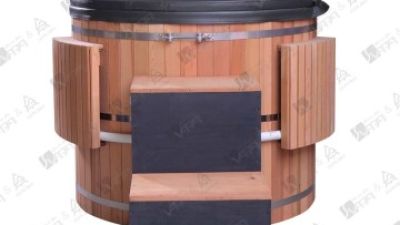
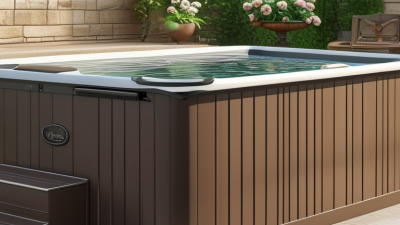
Vapasauna HT017: A Smarter, Safer All-Wood Hot Tub for Healthy Relaxation Anywhere

Designed for people who value simple comfort and thoughtful functionality, this all-wood hot tub brings a natural spa experience to gardens, patios, cabins, and other outdoor spaces. Its warm wooden construction blends easily with surrounding décor while creating a calm, inviting atmosphere for soaking after a long day. The compact design makes it suitable for a variety of settings, offering personal relaxation without the visual bulk of a conventional spa.

Smart details help make everyday use more convenient and secure. An efficient heating system can warm the water with less waiting, while practical controls allow users to adjust the experience with ease. The sturdy structure, smooth interior, and carefully considered fittings support comfortable use, and safety-focused features help provide greater peace of mind during each session. By combining traditional materials with modern usability, this hot tub encourages gentle relaxation, quiet conversation, and refreshing time outdoors in every season.

FAQS

How should commercial capacity be measured?

Measure users per hour, not tub size alone. Multiply stations by sessions per hour and operating availability. Real output is lower. Cleaning, entry, supervision, and temperature recovery reduce capacity.

How many users can a four-person tub serve hourly?

With 12-minute sessions, four stations allow about 20 theoretical users hourly. Practical capacity will be lower. Test it during a busy evening.

What recovery data should operators record?

Record water temperature before each session, after each exit, and fifteen minutes later. Compare readings during peak traffic. The estimate may still miss opening week.

Why does a display temperature need verification?

A display shows the target temperature, but its probe may be slightly inaccurate. Compare it with an independent thermometer. Small errors become noticeable.

What does one ton of cooling capacity mean?

One ton equals 12,000 BTU per hour of cooling. It does not describe equipment weight. Ratings depend on water temperature, air temperature, and flow rate.

How quickly can a one-ton unit cool a 300-gallon tub?

One degree Fahrenheit represents roughly 2,500 BTU in that volume. Under ideal conditions, cooling may take about 13 minutes. Real installations usually take longer.

What can increase cooling demand?

Repeated sessions, warm equipment rooms, sunlight, uncovered water, and weak insulation add heat. Plumbing and tub walls also transfer heat. Covers help, but they are not perfect.

Is a larger chiller always better?

No. Oversizing can raise purchase and operating costs. Undersizing may cause slow cooling and continuous operation. Compare tested output at the actual target temperature.

What other technical details should buyers check?

Check pump compatibility, electrical demand, filtration intervals, drainage speed, noise, and full-load recovery time. Ask for measured performance data. Vague specifications deserve caution.

Can cold-water immersion results be promised to users?

No medical outcomes should be promised. Research suggests perceived soreness may decrease, but study methods vary widely. Recovery claims need careful wording. Evidence remains mixed.

Conclusion

A Commercial Cold Plunge Tub Buying Guide should begin with operational demand rather than appearance. Estimate how many users will cycle through the system each hour, how quickly the water must recover, and whether the tub’s size supports safe, comfortable access. A practical operating range is 39–59°F (4–15°C), while chiller performance should be compared using cooling capacity, with one ton equal to 12,000 BTU/h. These figures help facilities select equipment that can maintain temperature during repeated use.

Water quality and safety are equally important. Specify a treatment system that supports CDC MAHC guidance, including a pH range of 7.2–7.8 and appropriate sanitizer controls. Require GFCI protection and compliance with applicable NEC 680 requirements. Also evaluate durable materials, circulation, and filtration, preferably supported by NSF/ANSI/CAN 50 certification. Finally, review insulated covers, ASTM F1346-related safety considerations, service response times, parts availability, and commercial warranty or SLA terms before making a purchase.
Alexander

Alexander

Alexander is a dedicated marketing professional based in Huizhou, China, where his company operates out of a modern manufacturing facility spanning over 10,000 square meters. With a robust team of more than 20 skilled technicians, Alexander plays a vital role in bridging the gap between innovative......
Previous How To Choose A Commercial Ice Bath Tub In 2026?