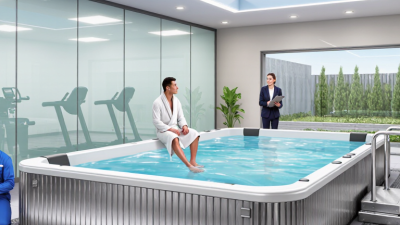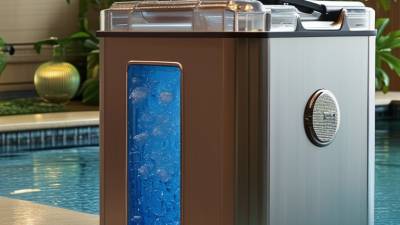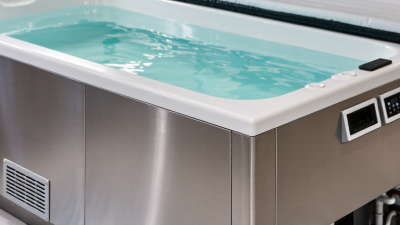
Wellness travel is evolving—it's no longer just about massages and the usual saunas. According to the 2023 Global Wellness Economy Monitor from the Global Wellness Institute, the wellness industry was worth around $5.6 trillion in 2022, and experts are expecting it to grow even more—up to about $8.5 trillion by 2027. That kind of growth really gives hotels a good reason to consider adding Cold Plunges to their wellness facilities. But here’s the thing: just because guests are interested doesn’t mean installing a cold plunge will automatically be a hit.
Imagine pairing a cold plunge with a sauna or steam room—think of a sleek little stainless-steel pool, clear signs showing the right temperature, non-slip floors, and towels within arm’s reach. Small details like that really matter. Hilton’s 2024 Trends Report highlights wellness and sleep as top priorities for many travelers. Still, not everyone is into extreme cold exposure, so hotels should probably test the waters—literally and figuratively—by doing surveys, offering pilot sessions, or checking booking trends.
Getting it right starts with a solid plan: controlled water temperature, good filtration, proper ventilation, drainage, and strict cleaning routines. Staff training is key—practical training, not just handing out pretty brochures. It’s also important to give clear guidance about how long to stay in the plunge, easing in gradually, staying hydrated, and knowing when to steer clear—especially for guests with certain health concerns. While the wellness world is shifting toward more thoughtful, restorative experiences, cold plunges are still a bit new in hospitality and results can vary.
This article digs into how to choose the right equipment, manage guest flow, keep operating costs in check, ensure hygiene, and design the space. Plus, we'll challenge some common assumptions. Sure, a shiny new plunge pool might look impressive, but if maintenance is slow, access feels awkward, or there’s no proper space for recovery, it won’t really deliver. In the end, good wellness design is all about repeat visits, guest safety, and smooth operations—not just trying to impress with something flashy.
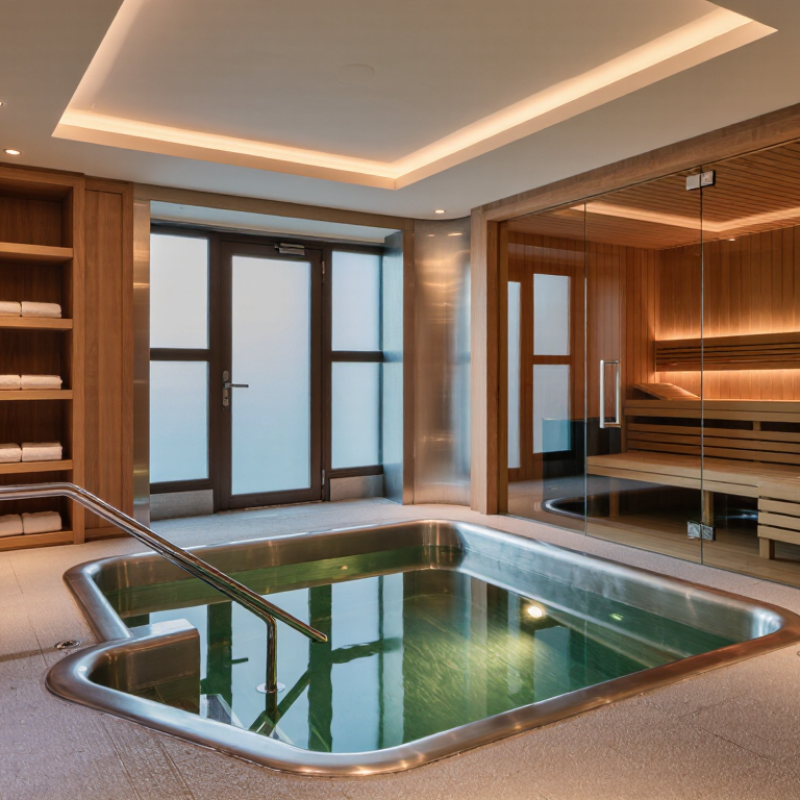
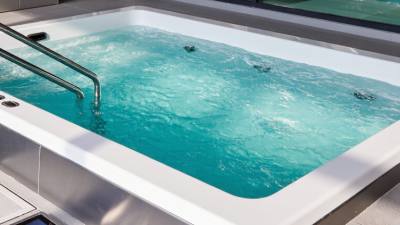
ACold Plunge Pool is a small bathing basin kept noticeably cooler than a standard pool. At a hotel, guests may use it briefly after a sauna or as a separate part of a wellness routine. The first contact can feel sharp: cool water around the ankles, then a quick breath as the body adjusts. It is not for everyone.
Guests often describe cold immersion as invigorating or mentally clarifying. Those are personal experiences, not guaranteed medical outcomes. Some people enjoy the contrast with warmth; others find it uncomfortable or stressful. Claims about recovery or broader health effects should be presented carefully, since individual responses vary and evidence does not support every popular promise. Keep expectations grounded.
For a hotel, the experience depends on more than water temperature. A clean basin, clear instructions, safe entry steps, and attentive supervision help guests make informed choices. Staff should explain how to enter gradually and leave if they feel unwell. Guests with health concerns can be encouraged to seek advice from a qualified healthcare professional before trying cold immersion. A quiet corner, a towel within reach, and a visible clock make the ritual feel considered. Still, even thoughtful design cannot make cold water suitable for every guest.
Before adding a cold plunge, test whether guests will use it. McKinsey’s 2024 *Future of Wellness* survey found that 82% of U.S. consumers considered wellness a top or important priority. It did not measure hotel plunge bookings. The Global Wellness Institute estimated the global wellness economy at $6.3 trillion in 2023, but that figure is not proof of local demand. Treat both reports as context, not a forecast.
Map the proposed pool against peak-hour traffic, treatment rooms, changing areas, and accessible routes. Check floor loading, drainage, water-treatment capacity, ventilation, and nearby power before choosing a unit. A small footprint still needs safe entry and exit space. Ask guests about their interest, then trial bookings or timed sessions. The spreadsheet may say yes; the guest path may disagree.
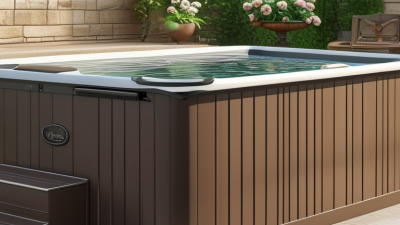
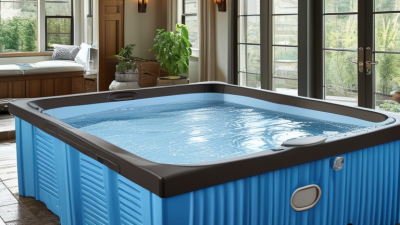
Plan daily water checks, cleaning, maintenance access, staff training, and clear guest instructions. These needs affect labor and operating costs, not just construction. A Wellness Hot Tubmay suit guests seeking warm-water relaxation, while a cold plunge serves a different preference; assess each separately. Leave room for queues and wet-floor controls. Small details matter. A pilot can reveal whether the facility works in real operating conditions before a permanent installation.
Minimum accessible clear dimensions to consider when assessing space for a hotel wellness facility
Planning note: These ADA benchmarks can help screen circulation and access around a proposed cold plunge. They are not pool-specific design requirements; confirm applicable building, plumbing, health, and accessibility codes locally, and assess guest demand separately.
Source: 2010 ADA Standards for Accessible Design, §§ 304.3.1, 403.5.1, and 404.2.3. View the standards.
A cold plunge pool should fit the guest journey, not just the floor plan. For a compact spa, a single-user basin may work better than a large communal pool. Check entry steps, handholds, deck drainage, and clear space for staff access. Details matter. A beautiful edge can still become awkward when towels, wet feet, and queues arrive.
Choose materials for frequent cleaning and steady exposure to water. Smooth, durable interior surfaces are easier to inspect, while slip-resistant flooring helps manage splash zones. For outdoor wellness products, consider shade, wind, leaves, and winter conditions before choosing a location. Outdoor settings can look inviting, but they may increase cleaning and maintenance work. That trade-off is easy to underestimate.
Technology should make operation predictable. Look for accurate temperature controls, clear status displays, filtration suited to expected use, and alerts for equipment faults. Plan where pumps and service panels will sit; a hidden unit is not convenient if technicians cannot reach it. Ask suppliers for maintenance schedules and written operating guidance, then review them with the hotel team. Guest instructions should be brief and visible near the pool. I would also test the layout during a busy shift—plans rarely show where people actually pause.
| Planning Dimension | Compact Indoor Plunge | Dedicated Indoor Pool | Outdoor Plunge Pool |
|---|---|---|---|
| Typical use | Private spa suite or low-throughput wellness room | Shared thermal circuit or hotel spa facility | Outdoor spa, garden, or poolside wellness area |
| Planning capacity | Usually 1 bather at a time | Commonly 2–4 bathers, depending on pool dimensions and operating policy | Commonly 2–4 bathers, with capacity set by usable water area and supervision needs |
| Illustrative water volume | About 300–700 L (80–185 gal) | About 1,000–3,000 L (265–790 gal) | About 1,000–3,500 L (265–925 gal) |
| Temperature planning | Adjustable set point; many facilities plan around 10–15°C (50–59°F) | Adjustable set point; provide clear temperature display and operating limits | Use active chilling where needed; account for seasonal air and water temperatures |
| Cooling technology | Integrated chiller may suit smaller volumes; confirm recovery time at expected use | Commercial chiller sized for pool volume, heat load, and peak bather demand | Chiller capacity should account for sun exposure, ambient temperature, and insulation |
| Water circulation and treatment | Provide circulation, filtration, and a suitable sanitation system for shared use | Design filtration and disinfection for bather load; include accessible sampling points | Use a treatment system suitable for outdoor debris and the facility’s sanitation plan |
| Monitoring and controls | Temperature display, sanitation checks, and documented operating procedures | Continuous temperature monitoring is useful; log water-quality checks and alarms | Weather-resistant controls, temperature monitoring, and clear staff check routines |
| Space and access | Allow room for safe entry, exit, cleaning, and equipment servicing | Plan circulation space, non-slip flooring, handholds, and an accessible route | Provide a stable, slip-resistant approach and protection from weather where appropriate |
| Installation considerations | Check floor loading, drainage, ventilation, electrical supply, and service access | Coordinate structural, plumbing, drainage, ventilation, and electrical requirements early | Assess foundation, drainage, freeze protection, weather exposure, and equipment location |
| Best fit | Hotels testing demand or offering a bookable, private wellness experience | Properties with established spa operations and consistent guest demand | Properties with suitable outdoor space and a year-round maintenance plan |
Planning note: Dimensions, capacity, and equipment requirements vary by design and local regulations. Confirm structural, plumbing, electrical, accessibility, ventilation, and water-treatment requirements with qualified professionals and the relevant authorities before installation.
The Global Wellness Institute’s 2024 Global Wellness Economy Monitor valued the sector at $6.3 trillion in 2023 and projected $9 trillion by 2028. For hotels, a cold plunge needs more than a compact tub. Plan plumbing, cooling, drainage, and electrical capacity together, before construction drawings are fixed. That coordination is easy to underestimate.
Specify a dedicated circulation and filtration loop, with accessible isolation valves and service clearance. Confirm the cooling unit’s heat rejection, ventilation, and sound levels against the actual plant-room conditions. Size drainage for the tub’s full discharge, and keep splash water moving safely to a suitable floor drain. Electrical protection, bonding, disconnects, and equipment locations should be reviewed by qualified professionals against applicable codes. The CDC’s Model Aquatic Health Code can inform aquatic-facility planning, but local requirements still need checking. Commission the system under load; a neat schematic may not reveal a hot, damp equipment room.
Tips: Mock up the service route before installing finishes. Check that staff can reach strainers, valves, and controls without moving the tub. Record water temperature and equipment alarms during commissioning. Small oversight? It happens. Revisit the plan with facilities staff before sign-off.
A cold plunge should feel controlled, not like a surprise. Keep the route from changing area to pool dry, well lit, and free of loose towels. Install non-slip flooring, stable handrails, and clear depth markings. Staff should explain entry and exit before a guest steps in. Keep the pool visible from an attended area, and set a simple response plan for distress. Small details matter.
Post concise usage guidance beside the pool: follow staff instructions, enter slowly, and leave if you feel unwell. Guests with health concerns should seek advice from a qualified healthcare professional before use. Avoid promising specific health benefits. Include a sensible limit for each session, based on professional operational guidance, and train staff to enforce it calmly. No glass nearby. Keep towels within reach.
Hygiene needs a written routine, not occasional attention. Ask guests to shower first, and keep people with open wounds or visible illness out of the water. Assign trained staff to check water conditions and sanitation systems at scheduled intervals, following equipment instructions and applicable local requirements. Record readings, cleaning, and maintenance in a log. In practice, the first traffic flow may not work; watch where guests pause, then adjust signs or staffing. Add “wellness routine equipment” to planning materials, but keep hygiene supplies separate from guest belongings.
A cold plunge needs more than a temperature setting; staff need clear, practiced procedures. Train attendants to explain entry and exit, monitor water conditions, and respond calmly if a guest feels unwell. Keep a simple log for temperature checks, cleaning, and maintenance. Staff should follow facility protocols and avoid giving medical advice. Guests with health concerns can be encouraged to consult a qualified clinician before participating.
Practice matters. Run short drills for slips, distress, and requests to stop. Make participation voluntary, explain that guests can leave at any time, and offer a comfortable alternative. No pressure. Signs should state the facility’s rules in plain language, including whether staff supervision is required.
Build cold plunges into wellness programs as an optional activity, not a promised treatment. A host might explain the session, point out the handrail, and check that guests understand the exit route. If hot tubs for wellness are also available, present each option separately rather than urging guests to alternate. Our first schedule may look tidy on paper, then prove awkward during busy check-in periods. Review guest feedback and staff notes, and adjust timing, supervision, or instructions when a real gap appears.
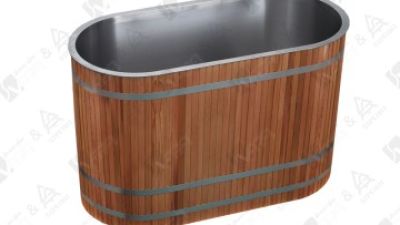
An oval Cold Tub can make recovery feel more personal: its capsule-shaped form offers room for two while fitting naturally into a home wellness routine. The interior’s durable 304 stainless steel is easy to clean and helps maintain cold water, making regular use more convenient. A 2022 systematic review in *PLOS ONE* assessed 11 studies involving 3,177 participants and found a reduction in stress reported 12 hours after cold-water exposure, while also noting that evidence for broader health benefits remains limited. Cold immersion may be a refreshing relaxation practice, but it should not be presented as a substitute for medical care or proven treatment.
For a measured first session, use comfortably cold water, enter gradually, and keep the initial immersion brief—around one to three minutes—while paying attention to how you feel. The National Center for Cold Water Safety advises caution because sudden exposure can trigger an involuntary gasp and rapid breathing. Avoid immersing alone, and get out if you feel dizzy, numb, confused, or unusually short of breath. After exercise, consider cold immersion as one option for perceived soreness rather than a guaranteed performance enhancer; people with heart or circulation conditions should consult a healthcare professional before trying it.
Match it to the guest journey, not just the floor plan. A single-user basin may suit a compact spa. Leave room for handholds, staff access, and wet towels.
Use slip-resistant flooring near splash zones. Check entry steps, handholds, and deck drainage. Test the layout during a busy shift. Plans can miss where guests pause.
Choose smooth, durable interior surfaces that are easy to inspect. Select flooring suited to repeated splashes and cleaning. Small surface details matter.
Account for shade, wind, leaves, and winter conditions. Outdoor settings may look inviting, but they can add cleaning work. That trade-off is easy to underestimate.
Look for accurate temperature controls, clear status displays, suitable filtration, and equipment-fault alerts. Plan accessible locations for pumps and service panels. Hidden equipment can complicate repairs.
Train attendants to explain entry and exit, check water conditions, and respond calmly if a guest feels unwell. Keep simple logs for temperature checks, cleaning, and maintenance. Practice short drills.
Make participation voluntary and explain that guests may leave at any time. Use plain signs for facility rules and supervision requirements. No pressure.
Present the plunge as an optional activity, not a promised treatment. Explain the handrail and exit route. Offer comfortable alternatives, and review staff notes and guest feedback. A schedule can look tidy on paper, then feel clumsy during check-in.
Adding Cold Plunge To Hotel Wellness Facilities can give guests a refreshing way to complement relaxation and recovery, while creating a distinctive addition to a hotel’s wellness program. Before installation, hotel teams should evaluate available space, likely guest demand, accessibility, and how the pool will fit alongside existing amenities. They can then select a design and cooling system suited to the facility’s capacity, operating needs, and intended guest experience.
Successful planning also requires coordinating water supply, temperature control, drainage, and electrical systems with qualified professionals. Clear access routes, suitable hygiene practices, and easy-to-understand usage instructions help support a comfortable and safe experience. Staff training is equally important: employees should know how to explain the facility’s procedures, monitor routine operations, and guide guests toward responsible use. By bringing these elements together, hotels can integrate cold plunges thoughtfully into wellness offerings and provide a consistent experience for guests.