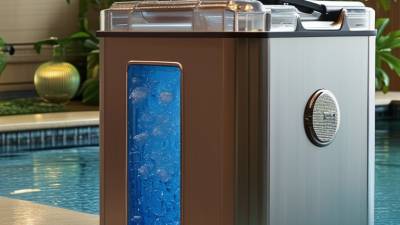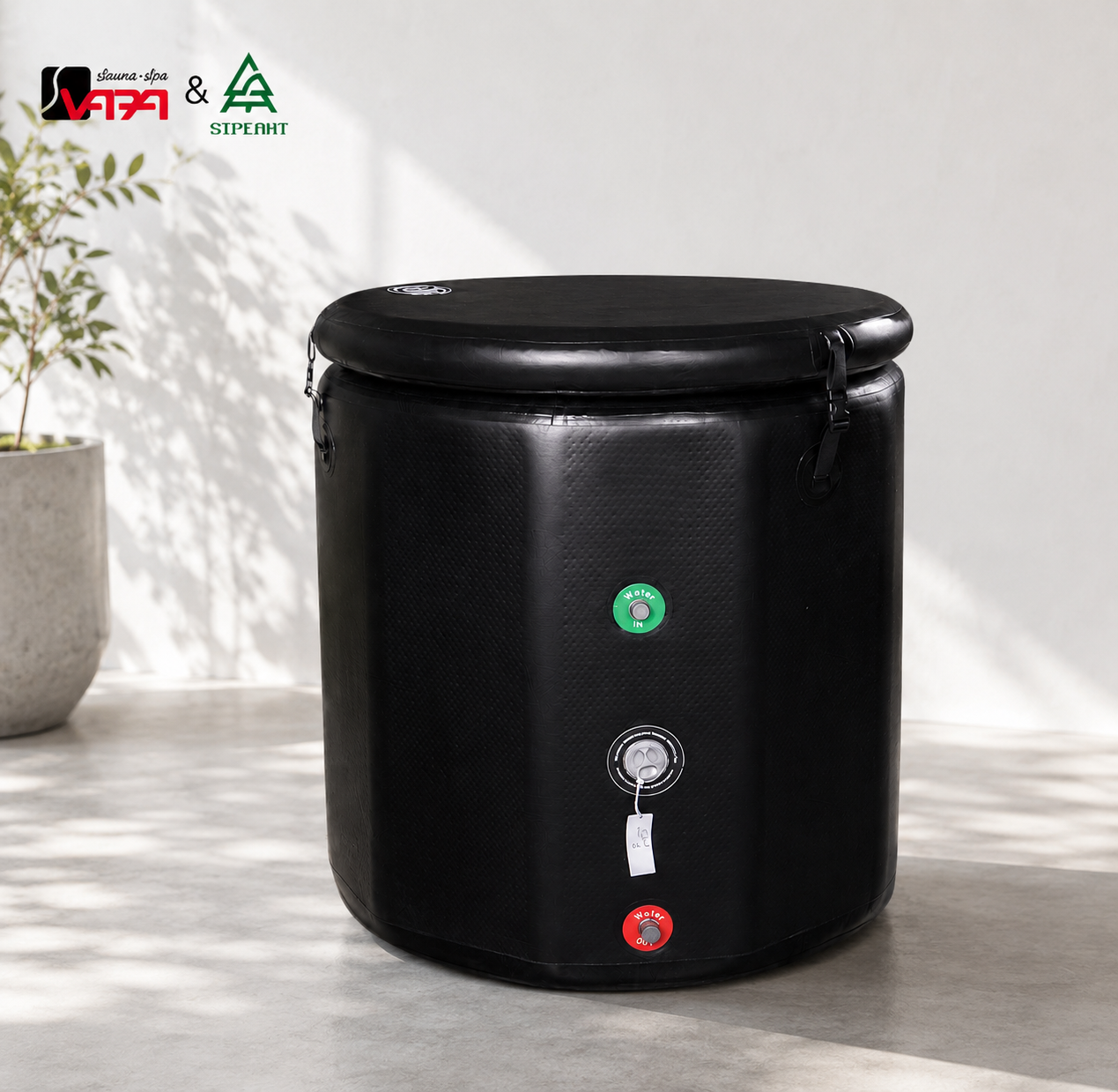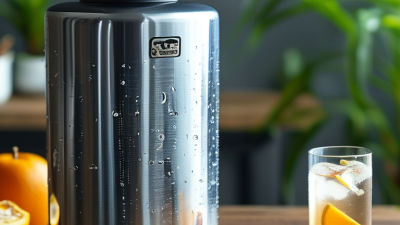
Deciding between a professional facility and a Home Cold Plunge tub can actually feel more complicated than you might think. When people talk about choosing between the two, they often consider stuff like price, space, hygiene, water control, maintenance, and what they’re hoping to get out of it for their recovery. In places like China, folks might compare compact imported systems with larger commercial tubs from brands like Plunge or BlueCube. But honestly, the best choice really depends on your daily habits — not just fancy marketing claims.
Dr. Susanna Søberg, who’s pretty well-known for her research on cold exposure, describes it as “a hormetic stressor.” Basically, she’s saying you should approach it carefully and thoughtfully. Cold water can feel super refreshing, but it’s not automatically suitable for everyone. If you’re thinking about trying it out, it’s smart to consider things like medical advice, water temperature, how long you stay in, and having someone there to supervise you if needed. Usually, a professional center has trained staff, tested filtration systems, and scheduled cleaning routines. On the flip side, a home setup offers you privacy, the convenience of jumping in whenever you want, and more repeated access. But then again, owning a system means you’ve got to stay on top of checking filters, sanitizing surfaces, and keeping the water quality safe.
So, the truth is, it’s not gonna be perfectly clean or perfect in every way.
A professional cold plunge might give you better ongoing support and more reliable operation, but it can also mean traveling to the facility, paying membership fees, and dealing with busy spaces. A home tub could fit nicely on a balcony or in a garden, but you’ll need to think about ventilation and drainage — those practical details really matter. Also, don’t forget about electricity usage, especially during winter months. That stuff adds up.
This guide will look at both options based on real experiences, technical performance, and how reliable they are in the long run. We’ll question some of those impressive specs, point out hidden maintenance costs, and highlight where each setup might run into issues. At the end of the day, neither solution automatically guarantees better recovery — it’s all about trading off pros and cons. The smartest choice is the one that fits your actual routine, your space, and your personal safety needs. Because, honestly, there’s no one-size-fits-all here — it’s about what works best for you.
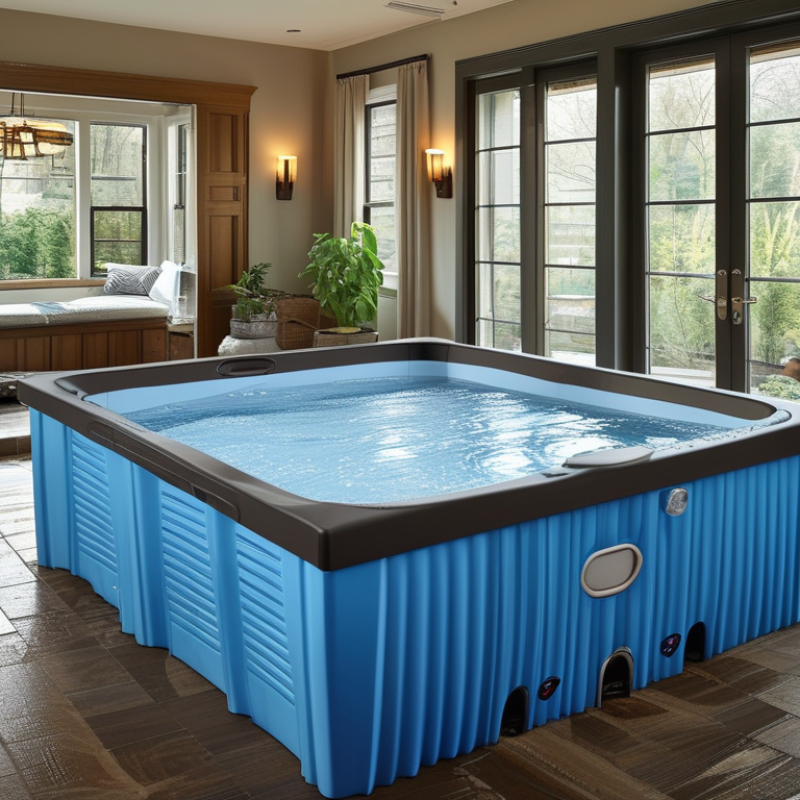
Cold plunge fundamentals begin with water temperature. Most setups operate between 10–15°C, a range that feels sharply cold without requiring extreme conditions. A reliable thermometer matters more than guesswork. Ice can create uneven temperatures, especially near the surface.
A home tub offers flexibility. You can control timing, water changes, and placement without leaving your property. However, insulation, filtration, drainage, and stable temperature control vary widely. I once assumed colder water meant better results. That assumption was too simple. Comfort, breathing control, and consistent use may matter more than chasing the lowest number.
Professional systems usually provide stronger construction, easier sanitation, and more precise temperature management. They may suit gyms, clinics, or spaces with professional sauna equipment. Home users may prefer a simpler tub with a secure cover and clear maintenance routine. Keep the water clean, check the temperature before entry, and avoid entering when feeling unwell. Start conservatively, especially if cold exposure is unfamiliar. Stop if breathing becomes difficult, dizziness appears, or discomfort feels abnormal. A cold plunge is not a test of toughness. The 10–15°C range is only a reference, not a universal target.
Professional Vs Home Cold Plunge Tub: Which Is Right?
Cooling performance depends on more than the displayed temperature. A 1°C setpoint can sound impressive, but water may warm quickly after use. Tub volume, insulation, room temperature, and lid quality all affect recovery. A calibrated thermometer can reveal differences between the control panel and the water near the seat.
A Home Cold Plunge usually suits individual use and moderate schedules. Its 0.5–1 HP chiller may maintain 3–4°C efficiently in a well-insulated tub. Reaching 1°C can take longer, especially in a warm garage. Smaller systems may also need recovery time between sessions. That detail is easy to overlook.
Professional units often use 1–2 HP chillers and larger heat exchangers. They can handle bigger water volumes and repeated use more consistently. However, higher power does not guarantee faster cooling in every setup. Poor airflow around the chiller can reduce performance. Noise and electricity use deserve attention, too. Real testing matters. Record the starting temperature, room temperature, and cooling time under similar conditions. I would not trust a single advertised number without those details. A 2 HP system may be unnecessary for one person, while a 0.5 HP unit may struggle with frequent use. Temperature stability matters more than a dramatic minimum setting.
Choosing between a home and professional cold plunge starts with water volume, not advertised cooling speed. A 200–500 L tub usually suits one adult, even after body displacement lowers the waterline. Less water means faster chilling, simpler refilling, and lower treatment demand. Space wins. However, a smaller reservoir may warm quickly between sessions in a hot room. Session frequency, ambient temperature, and filtration also influence temperature recovery.
Professional models commonly hold 500–1,500 L. This reserve can stabilize temperature during repeated use, but it increases cooling time, electricity consumption, and maintenance needs.
The CDC’s Model Aquatic Health Code emphasizes filtration, disinfection, circulation, and operational records for aquatic venues. Those controls remain relevant for shared recovery facilities.
A larger tank is not automatically cleaner. Poor maintenance scales with every litre.
Recovery claims require restraint. A systematic review in Sports Medicine reported that cold-water immersion may reduce perceived soreness, while longer-term adaptation effects remain context-dependent. Results are mixed across protocols.
For one carefully managed user, 200–500 L may be practical. For repeated shared use, 500–1,500 L offers more operational stability.
Measure temperature recovery with a calibrated thermometer. Track refill intervals, sanitizer checks, and daily user load.
The awkward part: my preferred size might change after one month of real use.
Choosing between a professional tub and a Home Portable Cold Plunge often starts with water hygiene. A clear surface proves very little. Skin oils, sweat, and warm storage conditions can quickly challenge a small water volume.
Mechanical filtration catches hair and visible particles, but it does not disinfect the water. Select a filter that supports steady circulation and easy replacement. Ozone can reduce organic contaminants, while UV can inactivate microorganisms passing through its chamber. Neither method leaves a lasting protective residual. They work best with proper filtration and regular water testing.
Free chlorine at 2–4 mg/L may suit some Cold Plunge Systems, but the correct range depends on equipment instructions and local requirements. Test free chlorine and pH with a reliable kit, not by appearance. Record readings before use, after heavy use, and following chemical adjustment. Keep the water moving.
Small details matter.
Professional systems often provide continuous circulation, automatic dosing, and maintenance records. Home units may require manual draining, cleaning, and filter changes. That difference is easy to underestimate. A portable tub stored under a cover can still collect debris around fittings and seams. UV bulbs also lose performance over time, even when they remain visibly lit. Ozone systems need correct contact time and ventilation. No single treatment removes every hygiene risk, and a simple routine may be more dependable than complicated equipment used inconsistently.
Choosing between a professional and home cold plunge tub starts with electrical demand. Many home units use standard household voltage, but larger chillers commonly require 220–240 V. Their compressors may draw 1–3 kW while running. Startup demand can briefly rise higher. Check the nameplate, breaker rating, and installation manual before buying. A dedicated circuit is often necessary, especially when pumps and chillers operate together.
Professional systems usually support frequent use, faster cooling, and larger water volumes. These features can increase power consumption. A home tub may use less energy when its cover stays sealed and the tub serves one or two users. A 2 kW chiller running for half an hour each hour consumes roughly 1 kWh during that period. Actual demand changes with outdoor temperature, water temperature, insulation, and cleaning cycles. Published wattage is not the whole picture.
Measure it directly. An electrician can verify cable size, grounding, and protection requirements under local electrical codes. Outdoor installations may need GFCI or RCD protection, a weather-resistant disconnect, and careful cable routing. Ventilation matters too; a cramped chiller compartment can reduce cooling efficiency. The awkward detail is maintenance. Dirty filters and blocked airflow may make a modest system work harder. I would leave the final connection to a qualified professional, even when the tub appears plug-and-play.
Choosing a professional or home cold plunge tub starts with compliance, not appearance.
In China, ask for the applicable GB standards and complete test reports.
GB 4706.1 covers general household appliance safety, but product-specific requirements may also apply.
A qualified laboratory should confirm insulation, grounding, leakage protection, and control-panel safety.
Do not accept a certificate alone.
For units sold in Europe, CE marking shows conformity with applicable EU requirements.
It is not a quality award or independent safety certification.
The European Commission’s 2023 Safety Gate report recorded 3,412 product alerts.
That figure shows why paperwork and traceable testing matter.
Request the EU Declaration of Conformity, technical file references, and test dates.
Check whether the documents match the exact model, voltage, and electrical configuration.
Water and electricity create a narrow margin for mistakes.
GB/T 4208, aligned with IEC 60529, defines IP protection ratings.
An IPX4 enclosure resists splashing, while IPX5 withstands water jets under defined conditions.
Neither rating guarantees safe immersion or protection from poor installation.
For commercial settings, inspect cable glands, drain paths, emergency isolation, and residual-current protection.
For home use, measure the outlet distance from the tub and keep plugs away from wet flooring.
A neat CE logo is not enough.
I would still question incomplete translations, mismatched serial numbers, and unusually cheap replacement parts.
Compliance checks can feel excessive, but one missing detail may matter more than a polished cabinet.
Choosing between a professional and home cold plunge tub starts with your routine, not appearance. A professional model makes sense for frequent sessions, multiple users, or shared facilities. It usually offers stronger filtration, larger water capacity, and easier drainage. Those features reduce daily interruptions, but they also increase installation and operating costs. For occasional personal use, a simpler home model may be more practical.
Count the users honestly. One person needs less space and water than a family or training group. Maintenance matters too. Check filter access, cleaning requirements, water treatment guidance, and replacement-part availability before buying. A neglected tub becomes inconvenient quickly.
Very quickly.
Measure the route to the installation area, not only the final corner. Door widths, floor strength, ventilation, and drainage can change the decision. If your routine also includes a Home Use Sauna, leave enough room for safe movement and cleaning. My first instinct would be to choose the larger tub, but that assumption can be wrong. Extra capacity may sit unused while consuming valuable space and budget.
A realistic budget includes delivery, electrical work, plumbing, insulation, and recurring maintenance. Review the operating instructions carefully, and ask a qualified installer to assess site requirements. For reliable ownership, match the tub to your actual frequency, household size, maintenance tolerance, available space, and spending limit.
Many setups operate between 10–15°C. The water feels sharply cold. This range is only a reference.
A thermometer gives a clearer reading than guesswork. Ice can create uneven temperatures, especially near the surface.
No. I once assumed colder meant better. Breathing control, comfort, and consistent use may matter more.
A home tub offers flexible timing and convenient placement. You can manage water changes without leaving your property.
Check insulation, filtration, drainage, temperature control, fittings, seams, and the cover. Small details matter.
Professional systems often provide stronger construction and precise temperature management. They may also support continuous circulation and maintenance records.
No. Clear water proves very little. Sweat, skin oils, and debris can still affect a small water volume.
Mechanical filtration catches hair and visible particles. It does not disinfect the water.
No. Ozone and UV have limits. They work best with filtration, testing, and regular cleaning.
Keep water moving and test free chlorine and pH. Record readings before use, after heavy use, and after adjustments.
Choosing between a Professional Vs Home Cold Plunge Tub depends on usage, space, maintenance capacity, and budget. Most cold plunge sessions use water around 10–15°C, while advanced systems may offer adjustable settings as low as 1–4°C. Home models commonly hold 200–500 liters and use 0.5–2 HP chillers, making them suitable for individual or occasional use. Professional units typically provide 500–1,500-liter capacity, stronger cooling performance, and faster recovery for frequent sessions and multiple users.
Water hygiene, energy demand, and safety are also important considerations. Filtration, ozone, UV treatment, and controlled chlorine levels of approximately 2–4 mg/L can support cleaner water when properly maintained. Many larger systems require 220 V power and may draw 1–3 kW during chilling. Buyers in China should check relevant GB requirements, CE markings, and suitable IP ratings, while also confirming installation space, drainage, electrical capacity, and service needs before selecting the right tub.