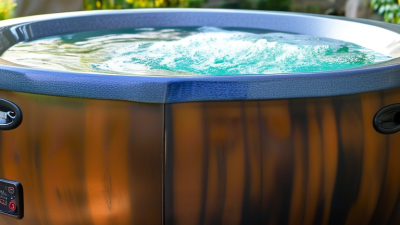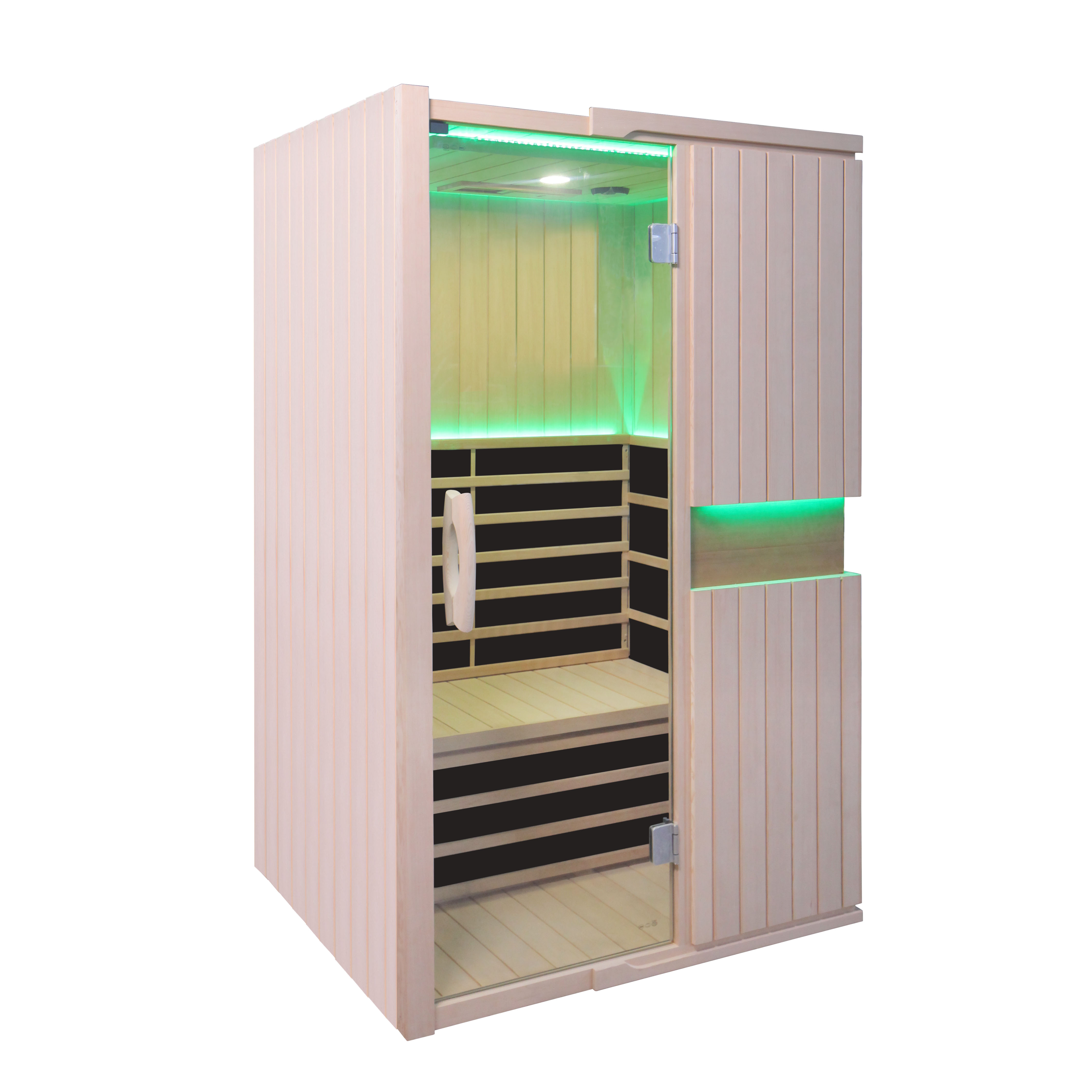
Deciding between a professional cold plunge tub and one for your home isn't just about comparing prices. Honestly, the bigger questions are: how often are you really going to use it? Where are you planning to put it? And what kind of support or maintenance are you okay dealing with? In this guide, I’ll break down the whole Professional versus Home Cold Plunge decision, covering practical stuff like water temperature control, filtration, insulation, drainage, electrical needs, and day-to-day upkeep.
Generally, a professional tub tends to cool the water more effectively, uses high-grade materials meant for heavy use, and has a larger capacity. Plus, they come with structured service options. These are usually perfect for gyms, clinics, recovery centers, or hardcore athletes who’re doing multiple cold sessions every day. But here’s the catch: they also need more space, careful planning for setup, and can be pretty pricey upfront.
On the flip side, a home unit feels a lot more personal — you can hop into cold water right next to your bedroom or workout area. And cleaning it is totally flexible; you clean it when it works best for you. That convenience? It’s a real plus.
But, honestly, convenience can sometimes hide some work. Homeowners often underestimate how often they’ll need to change filters, handle water sanitation, or deal with noise, especially if they’re using it during colder months. Smaller tubs tend to heat up quicker if you keep using them throughout the day. So, the decision isn’t always black and white. It really helps to dig into specifics—think manufacturer specs, maintenance routines, warranty details, and what other users have actually experienced.
And let’s not forget, cold exposure isn’t the same for everyone; if you’ve got health concerns, chatting with a medical pro before jumping in is probably a smart move. This whole thing isn’t about marketing hype — it’s about balancing performance with practicality. And honestly, the cheapest option upfront might end up costing more in repairs, accessories, or neglecting proper water care down the road.
At the end of the day, your best choice will depend on how often you plan to use it, the space you have, and how much responsibility you're willing to take on yourself.
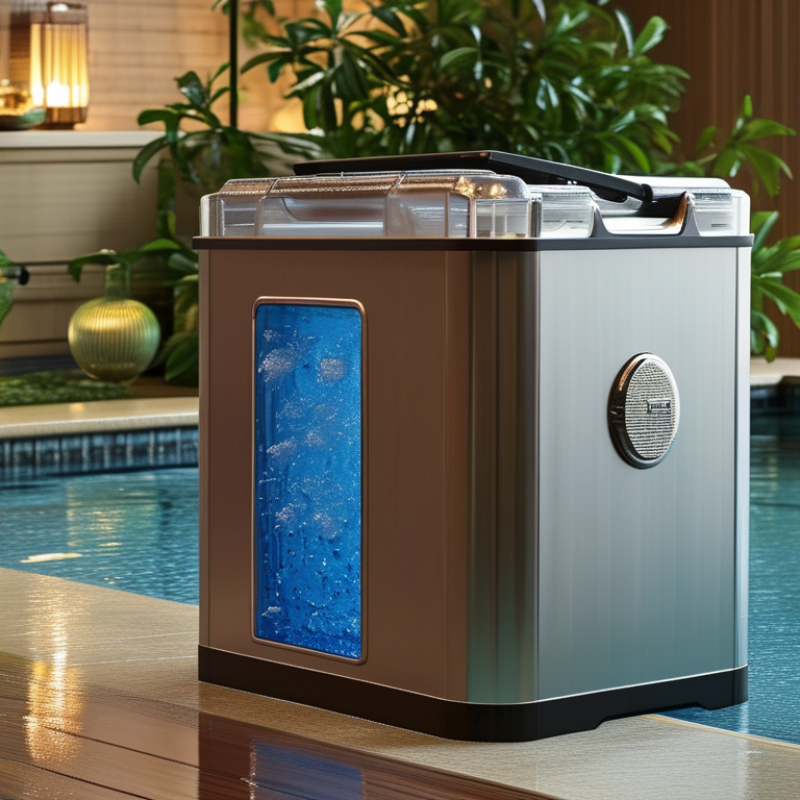
Professional and home cold plunge tubs serve different routines, spaces, and maintenance needs. A professional facility usually supports repeated daily use. It may include stronger filtration, controlled drainage, insulated construction, and scheduled sanitation. Staff can monitor water temperature and cleaning records. That structure matters when many people share one tub.
Home tubs offer privacy and easier access. A compact unit may fit beside a patio wall, while a larger model needs firm flooring and reliable drainage. At home, the owner handles water testing, filter changes, surface cleaning, and temperature checks. Do not assume cold water stays clean. It still requires consistent care. Electrical connections also need protection from moisture and should follow local safety requirements.
The experience can feel very different. In a professional setting, clear instructions and supervision may reduce confusion during the first session. At home, you control the timing, but you also make every decision. I have found that convenience can hide small problems, such as an awkward lid or a drain placed too far from the outlet. These details become noticeable after several uses.
A simple checklist helps: measure the space, confirm drainage, inspect insulation, and understand the cleaning process before buying. Cold exposure is not suitable for everyone, so people with medical concerns should seek qualified medical advice.
There is no perfect setup.
Choosing a professional cold plunge tub often means planning the room before selecting the equipment. Installation may require a level, load-bearing floor, nearby drainage, and a suitable electrical outlet. Some systems also need ventilation because pumps and cooling components release heat. Door width matters too. A large unit may not pass through a narrow hallway without partial disassembly.
Space is rarely just the tub’s footprint. Leave enough clearance to open covers, clean filters, and step in safely. A service gap behind the unit can prevent frustrating repairs.
In a dedicated wellness room, professional installation can support cleaner plumbing and more reliable water management. However, it usually requires more preparation, expense, and permanent space.
A home cold plunge tub may suit a patio, garage, or spacious bathroom. Measure every turn on the delivery route, not only the final corner. Check the floor’s capacity, especially in elevated buildings, and confirm that spilled water can drain safely. Keep the unit away from fragile flooring and exposed weather when the instructions require protection.
“ A common mistake is treating a compact tub as automatically convenient. It still needs hoses, power, maintenance access, and room to move around it. I would sketch the area with tape first, then test the walking path. The drawing may look fine. Real movement can prove otherwise. Professional guidance is useful when drainage, electrical work, or structural limits are unclear, while a simpler home setup may work when the space is accessible and well prepared. ”
Choosing a professional cold plunge tub is less about appearance than control. Temperature stability matters because displayed settings may not equal water temperature. The International Swimming Pool and Spa Code (2023) does not establish one universal cold-plunge temperature. Therefore, buyers should seek calibrated sensors, independent temperature readings, and high- and low-temperature alarms. A professional system may also record temperature changes, which helps staff identify cooling faults before use.
Filtration deserves equal attention. NSF/ANSI 50 covers circulation, filtration, and related aquatic equipment, but certification does not automatically prove complete water sanitation. Look for a documented turnover rate, accessible filters, and clear cleaning intervals. The CDC’s Model Aquatic Health Code recommends maintaining pH between 7.2 and 7.8 for treated recreational water, while disinfectant targets depend on the facility and water type (CDC, 2023). A home owner should test water regularly, not trust clear water alone. It can still be contaminated.
Safety details often reveal the real difference. The CPSC’s pool and spa safety guidance emphasizes secure covers, compliant drain protection, and preventing unsupervised access. Professional installations may include emergency shutoff buttons, slip-resistant entry areas, and controlled access. Home units can include these features, but installation quality varies. That is the uncomfortable part. A cheaper tub may perform well for months, then expose weak filtration or inaccurate sensors. I would verify test records, maintenance instructions, and service response before judging the tub by its cooling speed.
A practical comparison of temperature control, filtration, and safety features
The chart uses a five-point comparative rubric: 1 indicates limited capability and 5 indicates more advanced capability. Professional systems typically provide tighter temperature regulation, higher-capacity filtration, more automated sanitation, and broader safety monitoring. Actual performance varies by configuration, installation, maintenance, and usage frequency.
# Why Choose a Professional vs Home Cold Plunge Tub?
## Assessing Upfront Costs, Maintenance, and Long-Term Value
A home cold plunge tub usually costs less at purchase, but the invoice shows only part of the commitment. You may need a level base, nearby drainage, weather protection, and a safe electrical connection. Delivery can also add unexpected expense. I initially underestimated setup work. A simple-looking corner may require several hours of preparation.
Professional systems often carry higher upfront costs, yet they may include installation, filtration, insulation, and service support. These details affect daily maintenance. A reliable filtration system can reduce manual cleaning, while strong insulation may limit heat exchange during changing weather. However, “low maintenance” does not mean maintenance-free. Water still needs regular testing, cleaning, and careful temperature checks.
Long-term value depends on use, climate, and your tolerance for small repairs. A home unit may suit someone who enjoys monitoring water levels, replacing filters, and troubleshooting leaks. Professional equipment may be more practical for shared facilities or frequent use. Ask for clear warranty terms, replacement-part prices, energy requirements, and service response times. These details are easy to overlook.
A cheaper option can become expensive.
My own comparison would include five-year operating costs, not just the purchase price. That estimate will never be perfect. Electricity rates change, components fail, and habits shift. Still, writing down cleaning time, filter costs, water use, and expected repairs makes the decision more realistic.
| Evaluation Dimension | Professional-Grade Cold Plunge | Home Cold Plunge Tub | Long-Term Value Consideration |
|---|---|---|---|
| Typical upfront equipment cost | Approximately $4,000–$15,000+, depending on construction, cooling capacity, filtration, insulation, and controls. | Approximately $500–$5,000, including inflatable, stock-tank, insulated, and entry-level refrigerated options. | Home models generally require less capital; professional systems may offer better durability and automation. |
| Installation and site preparation | Often requires a level, reinforced surface, drainage plan, weather protection, and sometimes dedicated electrical work. Installation can add $500–$3,000+. | Many units can be assembled on a level outdoor or indoor surface. Electrical or drainage upgrades may still be necessary. | Check the electrical load, outlet type, water weight, access route, and drainage before purchase. |
| Temperature control | Usually provides active refrigeration, digital temperature control, and more stable water temperatures, commonly around 39–59°F (4–15°C). | May rely on ice, passive insulation, or a smaller chiller. Temperature stability varies considerably by design and ambient conditions. | Active cooling is more convenient but consumes electricity; ice-based systems may have lower purchase costs but higher recurring effort. |
| Water capacity | Commonly about 75–150 gallons, although commercial and multi-user models may be larger. | Commonly about 50–100 gallons; compact tubs may hold less and larger stock-tank designs may hold more. | Larger capacity can improve comfort but increases fill, heating or cooling, cleaning, and water-disposal requirements. |
| Filtration and sanitation | Typically includes a circulation pump, replaceable filter, and sometimes ozone or other supplemental sanitation. Chemical treatment may still be required. | Basic tubs may have no built-in circulation. Users may need a compatible filter, pump, sanitizer, or more frequent water changes. | Filtration reduces maintenance effort but does not eliminate the need to follow water-care instructions. |
| Routine maintenance time | Approximately 15–30 minutes per week for water testing, cleaning, filter inspection, and surface care when the system is used regularly. | Approximately 20–60 minutes per week, depending on whether the tub has circulation, filtration, and a fitted cover. | The value of automation depends heavily on how often the tub is used and how much hands-on maintenance the owner will tolerate. |
| Water replacement frequency | With appropriate filtration and sanitation, water may last several weeks to a few months; actual timing depends on use, water quality, and maintenance. | Ice-only or unfiltered tubs may require water changes more frequently, sometimes every few days to several weeks. | Frequent replacement increases water use, cleaning time, and cooling or ice costs. |
| Typical annual operating cost | Approximately $250–$900 per year for electricity, filters, sanitation supplies, water, and occasional service. Climate and usage can change this substantially. | Approximately $150–$1,200 per year. Ice-based models can have high recurring ice costs, while refrigerated models use electricity. | A lower purchase price does not always mean lower total cost, especially when ice, water replacement, or repairs are frequent. |
| Energy consumption | A refrigerated system may use roughly 2–8 kWh per day under varying conditions; outdoor temperature, insulation, cover use, and set point are major factors. | Passive or Ice Tubs use little direct electricity, while home chillers may have energy use similar to smaller professional systems. | Using a well-fitted cover and avoiding unnecessarily low temperatures can reduce energy demand. |
| Durability and expected service life | Rigid, insulated systems may remain serviceable for approximately 7–15 years with proper care, though pumps, seals, filters, and chillers may need replacement sooner. | Entry-level inflatable or lightweight tubs may last approximately 2–5 years; robust rigid tubs can last longer with careful use. | Durability should be evaluated alongside repairability, replacement-part availability, warranty terms, and exposure to weather. |
| Repair and replacement complexity | More components can mean higher repair costs, but modular pumps, filters, controls, and chillers may be serviceable rather than requiring full replacement. | Simpler tubs may be easier to replace, while low-cost materials can be difficult or uneconomical to repair. | Ask whether replacement parts are available and whether common repairs can be completed without replacing the entire unit. |
| Convenience and automation | Usually offers built-in circulation, scheduled cooling, temperature monitoring, insulated covers, and easier daily operation. | Convenience ranges from minimal setup to app-controlled cooling, depending on the configuration selected. | Automation has greater financial value for frequent users, shared households, or facilities where staff time matters. |
| Space and mobility | Often heavier and more permanent. A filled 100-gallon tub contains approximately 834 pounds of water, excluding the tub and user. | Many home models are easier to empty, move, or store, although filled weight remains substantial. | Confirm that floors, decks, balconies, and indoor surfaces can safely support the filled system. |
| Best fit by usage pattern | Frequent daily use, multiple users, fitness facilities, recovery centers, hospitality settings, and buyers prioritizing convenience. | Occasional or individual use, limited budgets, renters, first-time users, and buyers who accept more manual maintenance. | Estimate the cost per use over the expected service life rather than comparing purchase prices alone. |
| Illustrative five-year ownership cost | Approximately $5,250–$22,500+, combining equipment, possible installation, and five years of operating costs. | Approximately $1,250–$11,000, excluding replacement caused by damage or premature wear. | These are planning ranges, not quotes. Local electricity, water, climate, usage frequency, maintenance quality, and replacement cycles can materially change the result. |
Note: All figures are indicative U.S. consumer-market planning ranges and exclude taxes, financing, unusual construction, and professional medical advice. Cold-water exposure should be approached gradually and stopped if it causes pain, dizziness, breathing difficulty, or other concerning symptoms.
Choosing between a professional and home cold plunge tub starts with your recovery routine, not the tub’s appearance. A home unit may suit one person who wants brief, consistent sessions after training. A professional facility can fit shared use, scheduled guidance, and larger capacity. Match the tub to your real habits.
Capacity affects water temperature, cleaning time, and comfort. A compact tub uses less water and may cool more efficiently. It can feel restrictive for taller users, especially when knees or shoulders remain exposed. Larger tubs allow more movement, but they require more water, space, and maintenance. Measure the room, doorway, drainage, and electrical access before buying.
Be specific about your goal. An athlete may prefer quick access after demanding sessions. A household may need simple cleaning between users. A professional setting may better support several people, but privacy and availability matter. Hygiene procedures should be clear. So should emergency guidance.
My first assumption was that a larger tub always offered better recovery. That was too simple. Capacity cannot replace consistent sleep, sensible training, or medical advice. Cold immersion also carries risks, particularly for people with cardiovascular, circulation, or other health concerns. Ask a qualified healthcare professional before using it if you have a relevant condition. Track how you respond, and adjust your routine instead of copying someone else’s schedule.
Choosing the right cold plunge tub depends less on appearance and more on your daily routine. A home tub suits people who value privacy, quick access, and flexible timing. Check your available floor space, drainage, electrical supply, and water-changing routine before buying. A beautiful tub becomes inconvenient when it blocks a walkway or requires difficult cleaning.
Professional facilities may offer stronger temperature controls, regular maintenance, and staff guidance. They can suit users who prefer structured sessions and do not want to manage filtration or sanitation. However, travel time, booking schedules, and membership costs can affect consistency. A home setup may feel simpler, but responsibility shifts to you. Water quality, equipment checks, and safe entry still matter. My first instinct would be to choose the most advanced option, but lifestyle fit usually matters more than extra features.
Tips:
Try an honest test: imagine using the tub on a cold, busy weekday morning. If setup feels frustrating, the choice may need reconsidering.
: Check floor strength, drainage, electrical access, ventilation, and the delivery route. Measure every doorway and turn.
Allow room for safe entry, cover removal, filter cleaning, and repairs. The tub’s footprint is not enough.
Yes, if the floor, drainage, ventilation, and available space are suitable. Protect delicate flooring from spilled water.
Not necessarily. Hoses, power cables, maintenance access, and walking space still require room.
Narrow hallways, weak floors, poor drainage, and blocked service gaps often cause trouble. A quick sketch can mislead you.
It can offer privacy and flexible timing. You must manage water quality, cleaning, equipment checks, and safe entry.
Professional facilities may provide temperature controls, maintenance, and staff guidance. Travel time and schedules may reduce consistency.
Mark the proposed area with tape and walk around it. Try opening the cover and reaching the filters.
Keep a dry towel nearby and use a stable, non-slip surface. Follow the temperature guidance carefully.
Start cautiously and stop if you feel unwell. Seek qualified medical advice when health concerns exist. I may underestimate the adjustment period.
Choosing between a professional and home cold plunge tub depends on your space, recovery goals, budget, and preferred level of convenience. A Professional Vs Home Cold Plunge Tub Setup is often designed for frequent use, higher capacity, and advanced features such as precise temperature control, reliable filtration, sanitation systems, insulation, and built-in safety functions. However, it may require more installation space, specialized electrical planning, plumbing access, and a larger initial investment.
A home unit can be more accessible and practical for personal routines, especially when space, cost, and simple installation are priorities. When comparing options, consider water capacity, setup requirements, cleaning needs, energy use, maintenance time, and long-term durability. Matching the tub’s size and performance to your daily recovery habits will help prevent unnecessary expense. The right choice is the one that fits comfortably into your lifestyle while providing dependable temperature management, safe operation, and lasting value.