request to quote
Leave Your Message
0%

A sauna isn’t just a heated room — it’s a thoughtfully crafted combination of heat sources, materials, size, and how you actually use it. If you’re buying one, the best type really depends on your setup, energy availability, how much you’re willing to maintain, and who’s going to be using it. For example, a small infrared cabin might be perfect for a cozy wellness studio, while a classic Finnish Sauna could be just what a hotel needs if they want that authentic, intense heat experience. Small details matter too — things like how deep the benches are, how much space there is around the heater, ventilation, and even the feel of the wood under warm, dry air. You know, stuff you don’t really think about until you’re in there sweating it out.

Jari Laukkanen, a sauna researcher, has some good advice: just because certain health benefits are linked to saunas doesn’t mean everyone will get the same results. So, it’s smart to really compare specifications and chat with qualified pros about installation and safety. There’s no one-size-fits-all sauna here — what works for one person might not be right for you. That’s something to keep in mind.

In this guide, I’ll walk you through ten different types of Sauna Baths — from traditional wood-fired and electric models to infrared, steam, and even portable options. We’ll look at the practical differences, not just how shiny they look in photos. Keep in mind though, some features are hard to tell once they’re in use — labels don’t always tell the full story once the sauna has been used a few times. Before you make a decision, it’s a good idea to ask about operating instructions, what materials are used, warranty details, and how easy it is to get support if needed. Oh, and if you come across mentions of a “Ice Bath Machine Ice Bath Cold Plunge,” just a heads-up — that’s a different product category, not a sauna. Doing a little careful comparison really helps narrow down your options, but nothing beats an on-site assessment when it comes to making sure it’s exactly what you need.
Top 10 Sauna Bath Types for Global Buyers

How Sauna Baths Are Classified by Heat, Humidity, and Design

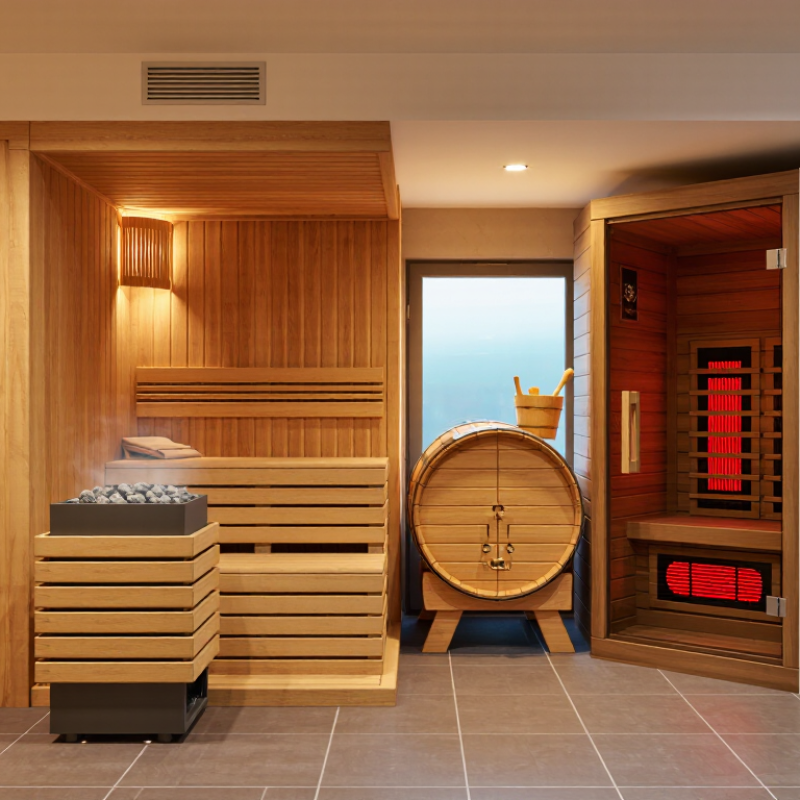
For global buyers, a Sauna Bath can be classified by heat source, humidity, and cabin design. Traditional Finnish-style rooms use heated stones and usually offer relatively dry air, though pouring water over the stones briefly raises humidity. Steam rooms rely on moist heat and feel noticeably damp. Infrared cabins warm users through radiant panels rather than heating the room in the same way. Hybrid models combine features, so product labels do not always describe the experience clearly.

**Tips:** Ask how heat is generated. Check ventilation, controls, cleaning access, and electrical requirements. Request clear installation drawings. Small details matter.

Design adds another useful layer. Indoor cabins may be compact, while outdoor models need weather-resistant construction and a suitable foundation. Barrel-shaped cabins can save space, but their curved benches may feel less comfortable for some users. Look closely at seating depth, door clearance, heater guards, and the materials touching skin. Specifications should identify wood types and included components. One awkward reality: “low humidity” and “gentle heat” are not standardized descriptions across sellers. Compare measurable product details, not adjectives alone. A showroom visit or detailed operating guide can reveal how the cabin feels in practice.

Traditional Finnish and Wood-Fired Sauna Baths

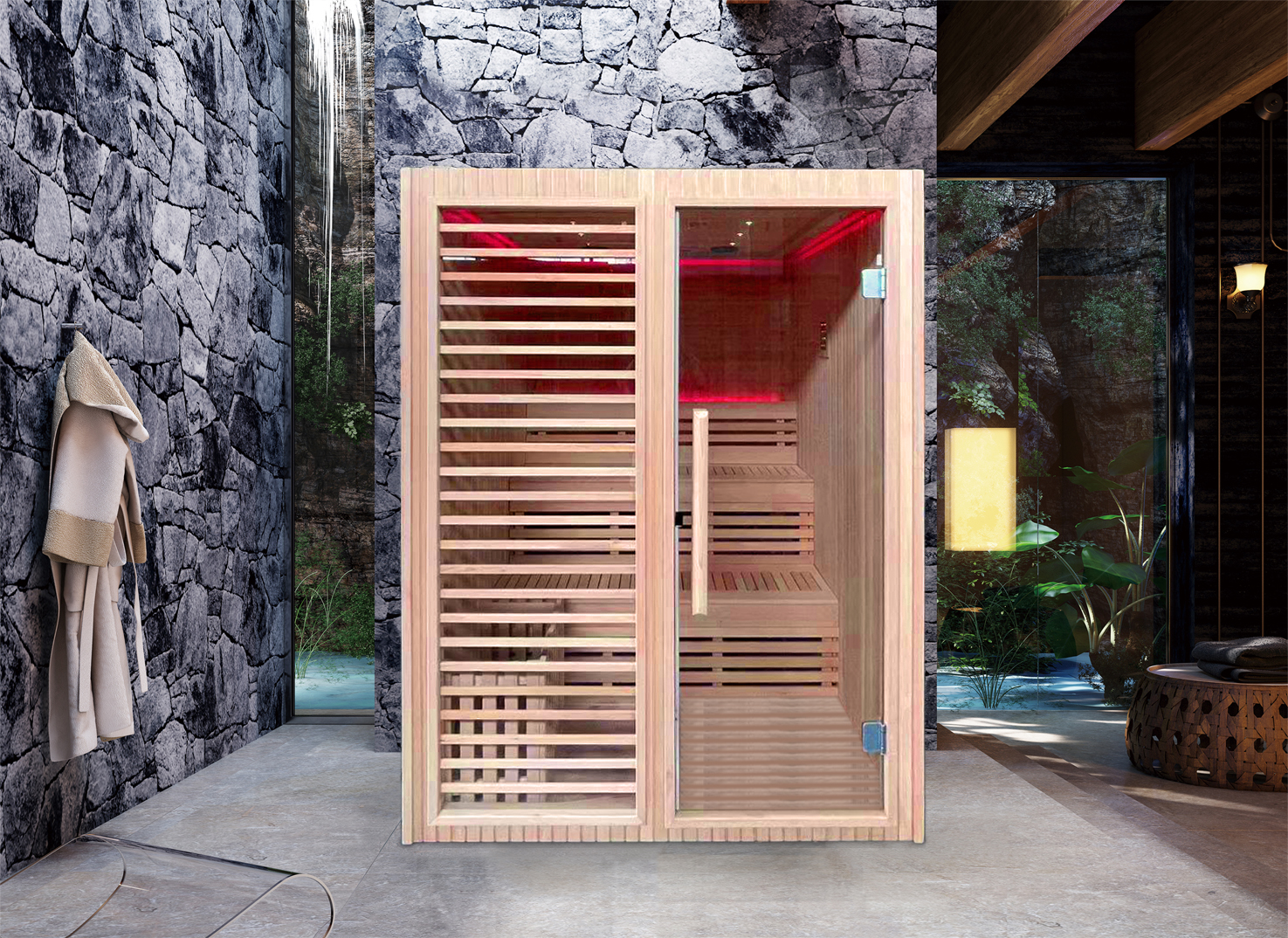
Traditional Finnish sauna describes a bathing tradition, while wood-fired describes how the heater is fueled; the terms can overlap. That distinction matters when comparing listings, because a Finnish-style room may use either an electric or wood-burning heater. Sessions typically involve dry heat, with water added carefully to heated stones for brief bursts of steam. Then comes the ritual.

A wood-fired model brings a visible flame, a slower warm-up, and the quiet work of tending fuel. Buyers should check heater capacity against room volume, insulation, ceiling height, and installation requirements. Ask how the chimney passes through the roof, which clearances are required, and whether local installation rules apply. Wood needs attention. Smoke control, dry storage, and ash removal are practical parts of ownership, not decorative details.

Before ordering internationally, confirm crate dimensions, door width, any electrical needs for controls, and exactly what the package includes. Timber species, bench layout, glazing, and ventilation can affect comfort and maintenance. A compact cabin may heat quickly, yet cramped benches can make longer visits awkward. That trade-off is easy to miss in a product photo. Read the details twice.

Electric, Infrared, and Carbon-Heated Sauna Baths

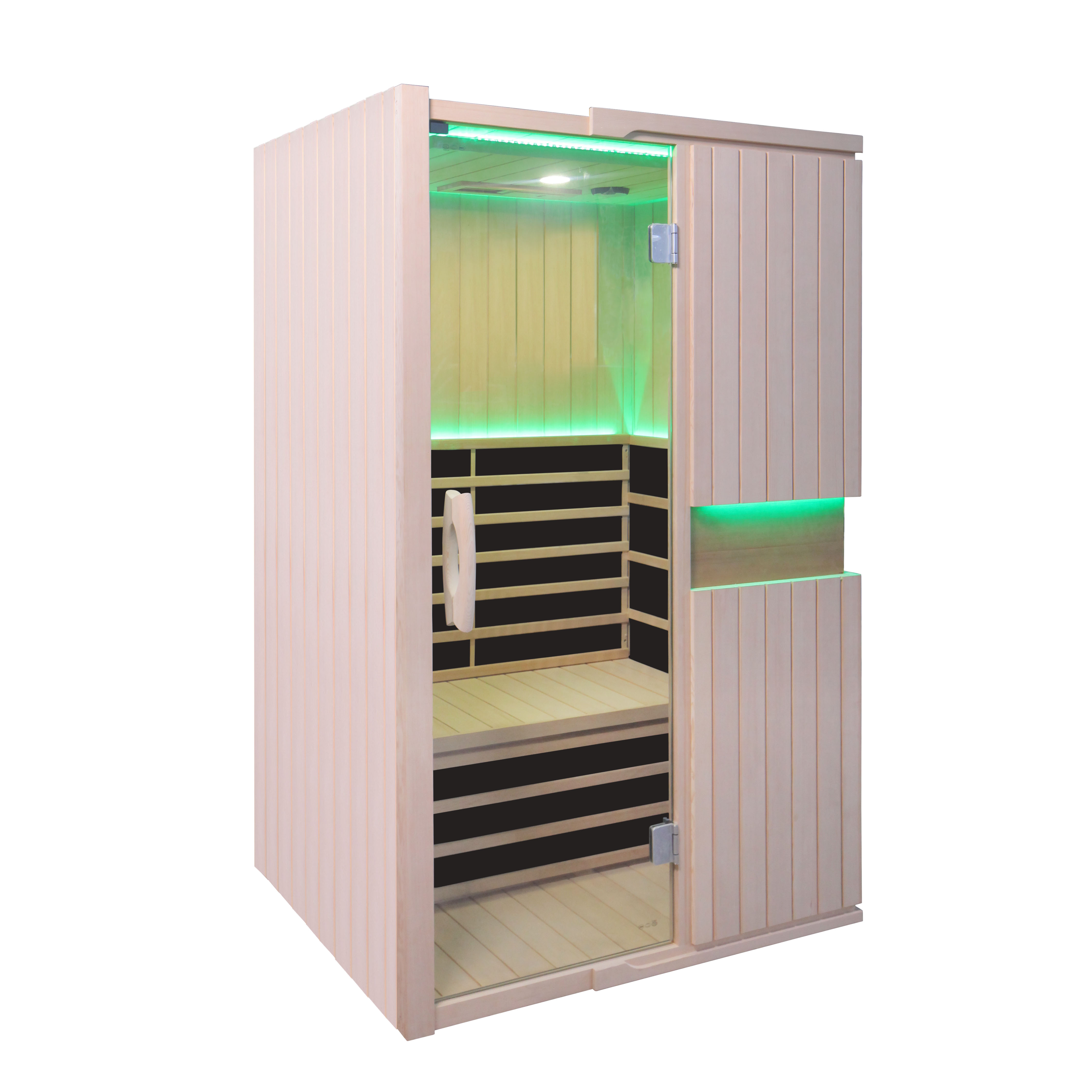
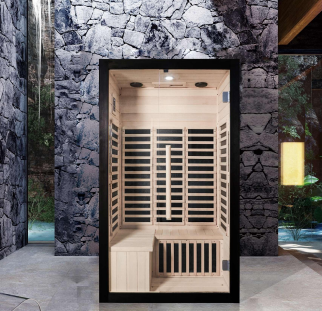
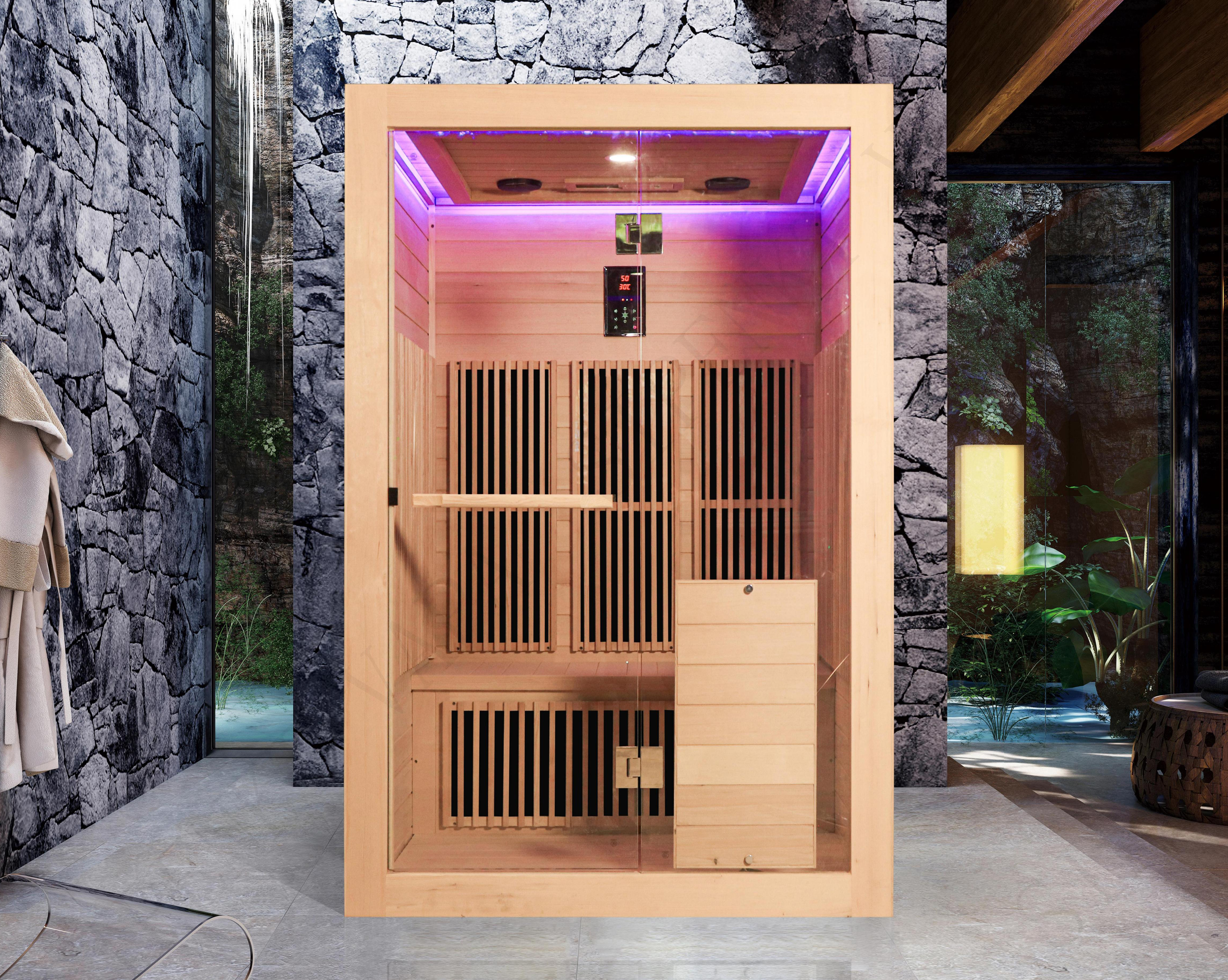
Electric, infrared, and carbon-heated sauna baths suit different spaces and routines. Electric models heat stones, creating a hot, humid burst when water is added. Check the heater’s rated output against cabin volume, electrical supply, and ventilation requirements. Infrared cabins warm users through radiant panels, usually at lower air temperatures than traditional stone saunas. Carbon panels are one infrared option; compare panel coverage, controls, and service access rather than relying on the material name alone. Small details matter. A bench that feels cramped can undermine daily use.

The Global Wellness Institute’s *Global Wellness Economy Monitor 2024* valued the worldwide wellness economy at $6.3 trillion in 2023; this is broad context, not a sauna-sales figure. For buyers, it supports careful product evaluation, not assumptions about performance. Ask suppliers for test documentation, installation requirements, warranty terms, and clear energy specifications. A Sauna Ice Bath Combo may save space, but keep wet-area drainage and safe movement between zones in view. I would not treat carbon heating as automatically superior: cabin design, controls, and upkeep can matter just as much. Some specifications still need clearer comparison.

Top 10 Sauna Bath Types for Global Buyers

Typical operating temperature ranges by sauna type (°C). Actual temperatures vary by design, settings, and installation.

Traditional Saunas generally operate at higher temperatures than infrared saunas. Steam baths use lower temperatures with high humidity; temperature alone does not indicate equivalent comfort or heat exposure.

Steam, Smoke, and Salt Sauna Bath Types

Steam, smoke, and salt describe different bathing experiences, though sellers sometimes use these labels loosely. A Steam Sauna runs at high humidity, with warm vapor beading on tile and glass. Its room, controls, drainage, and surfaces must suit repeated moisture. A traditional smoke sauna is heated by a wood-fired stove without a chimney; the room is aired thoroughly before bathing. The lingering scent is part of its character, not a reason to tolerate visible smoke.

Salt saunas usually mean rooms with salt blocks or panels, often paired with dry heat. They are not a distinct heater technology, and salt surfaces do not turn ordinary air into steam. For buyers, ask what the label means, request heating and ventilation specifications, and check how salt surfaces are protected from moisture. Regional naming differs. That can be confusing.

Tips: Match the room to your building’s ventilation and power capacity. Ask for installation drawings, cleaning instructions, and compatible materials. For smoke-heated designs, confirm the firing and airing procedure with the installer. Try the exact room before ordering, if possible. I wouldn’t choose by photos alone.

Top 10 Sauna Bath Types for Global Buyers — Steam, Smoke, and Salt Sauna Bath Types

Sauna Bath Type Typical Air Temperature Typical Humidity Heating Method Distinctive Features Buyer Considerations
Finnish Sauna About 70–100°C (158–212°F) Usually low between water pours; brief increases when water is poured on the stones Electric heater or wood-fired stove with sauna stones High-temperature bathing with optional bursts of steam, traditionally called löyly. Check heater sizing, ventilation, electrical requirements, clearances, and whether the installation is intended for electric or wood-fired use.
Smoke Sauna (Savusauna) Often around 60–90°C (140–194°F), with substantial variation Variable; influenced by the heated stones, room construction, and bathing practice A wood-fired stove heats the room without a chimney during heating; smoke is vented before bathing A traditional Finnish type known for its long heating process and wood-smoke aroma. Requires careful smoke venting, fire-safety planning, and appropriate site design. It is not a standard plug-in sauna installation.
Steam Room / Steam Sauna About 40–50°C (104–122°F) Near 100% relative humidity during operation A steam generator supplies water vapor to a sealed, tiled room Lower air temperature than a dry sauna, with a dense, humid atmosphere. Specify a vapor-resistant enclosure, waterproofing, drainage, ventilation, and generator capacity suited to the room volume.
Russian Banya Commonly around 60–90°C (140–194°F), depending on the bathing style Variable and often higher during water pours onto hot stones Typically a wood-fired or electric stove with a large mass of stones Heat-and-steam cycles are often combined with cooling breaks; venik whisking is a traditional practice. Stove and room design should suit the intended humidity, ventilation, stone load, and local fire-safety rules.
Turkish Hammam Often about 38–45°C (100–113°F), with warmer surfaces in some zones High, commonly close to saturation in the bathing area Heated floors, walls, and stone surfaces; some designs also use a steam generator A warm, humid bathing environment traditionally organized around heated stone and washing areas. Plan for waterproofing, drainage, heated surfaces, moisture control, and separate temperature zones where required.
Infrared Sauna Typically about 40–60°C (104–140°F) Generally low to moderate; humidity is not usually the main control setting Infrared emitters warm occupants and interior surfaces directly Operates at a lower air temperature than many conventional Finnish saunas. Compare emitter type, electrical load, cabin materials, control features, and documented safety certifications for the destination market.
Bio Sauna Often about 45–65°C (113–149°F) Commonly around 40–60%, depending on the system and settings Usually an electric sauna heater with controlled humidity, sometimes with a water reservoir or steam function A moderate-temperature option combining sauna heat with more humidity than a typical dry Finnish session. “Bio sauna” is not a single universal technical standard; confirm the exact temperature, humidity, and control specifications.
Salt Sauna Varies by installation; often designed within a moderate-to-high sauna temperature range Depends on the underlying sauna type and ventilation design Usually a conventional sauna heater combined with salt panels, blocks, or decorative salt surfaces Salt is an interior design feature; a salt wall does not by itself create a standardized sauna type or prove a health benefit. Ask how salt components are protected from moisture and heat. Verify any health-related claims independently.
Japanese Ganbanyoku (Hot-Stone Bath) Typically about 40–50°C (104–122°F) in the room Usually moderate; varies by facility and ventilation Heated natural stone or bedrock surfaces warm users lying on mats or towels A warm-stone bathing experience rather than a conventional heated-air sauna. Confirm surface-temperature controls, cleaning procedures, room ventilation, and whether the offering matches the intended sauna or spa category.
Herbal Sauna Often around 45–70°C (113–158°F), depending on the sauna system Varies; may be relatively humid when steam or infused water is used Usually a conventional sauna heater, with herbs or aromatic materials used in a controlled manner Herbal aromas are an optional feature; the heat and humidity profile comes from the underlying sauna design. Check material compatibility with the heater, ventilation, allergy notices, and local rules on fragrance or essential-oil use.

Note: Temperature and humidity figures are indicative operating ranges, not fixed standards. Actual conditions vary with equipment, room design, ventilation, climate, and bathing practice.

Portable, Outdoor, and Hybrid Sauna Designs

Portable, outdoor, and hybrid saunas serve different spaces and buying needs. Portable models suit renters, smaller homes, and buyers who need flexible installation. Check the packed dimensions, assembly steps, and power requirements before ordering. A compact unit still needs suitable ventilation and a stable, level surface.

Outdoor saunas offer more room, but weather protection matters. Inspect the roof, door seals, drainage, and exterior finish for your local climate. Ask how the structure ships and whether installation requires specialist help. Details vary by supplier, so confirm the specifications in writing. A beautiful cabin can be inconvenient if access to the garden is narrow.

Hybrid designs combine indoor or outdoor sauna spaces with features such as showers or cold-water tubs. Some buyers search for a Wooden Sauna Hot Tub Ice Bath arrangement, but each component needs its own space, maintenance plan, and safe access. Not every setup fits. I would compare layout drawings with actual measurements, then leave room for doors to open and people to move comfortably. Also consider power supply, cleaning access, and who handles repairs. These practical checks are easy to overlook, and I would not assume a product suits every climate or building without confirming its documented requirements.

How Global Buyers Compare Sauna Types and Installation Needs

Global buyers should compare sauna types by heat source, room construction, and site requirements—not by labels alone. A traditional Finnish cabin uses a heater and stones, so buyers must confirm the unit’s electrical supply, clearances, and ventilation against the installation manual. Infrared cabins usually need less room heating, but their power needs still depend on the model. Steam rooms demand careful waterproofing, vapor control, drainage, and ventilation. Outdoor barrel saunas also need a stable, weather-suitable base. Details matter.

The Global Wellness Institute’s Global Wellness Economy Monitor 2024 valued the broader wellness economy at $6.3 trillion in 2023 and projected $9 trillion by 2028. This is not a sauna-sales forecast; it signals a large wellness market, not proof that one sauna type will suit every buyer. Ask suppliers for technical drawings, heater load, material specifications, and local installation requirements before comparing quotes. Check door clearance and delivery access, too. An Ice Bath may share a wellness space, but it needs its own drainage and placement plan. A small oversight can become an expensive retrofit. Measure twice.

Sauna Temperature Trends: Insights from the Global Wellness Economy Monitor 2023

Sauna Temperature Trends: Insights from the Global Wellness Economy Monitor 2023

The Global Wellness Economy Monitor 2023 highlights the expanding role of wellness in everyday life, creating fresh interest in traditional practices such as sauna bathing. As more people seek ways to relax and support their well-being, attention is turning not only to sauna access but also to the experience itself—including temperature. Rather than treating maximum heat as the goal, many users are exploring comfortable, adjustable settings that suit different preferences and levels of experience.

This shift makes temperature control an important part of sauna design and use. A moderate setting can offer a gentler introduction, while experienced bathers may prefer a hotter session, provided they remain attentive to comfort and take breaks as needed. Consistent heating and straightforward controls can help users tailor each visit without relying on a single fixed temperature. These preferences reflect a broader wellness trend: people want routines that feel personal, approachable, and easy to adapt. As sauna use becomes part of more varied wellness habits, flexible temperature choices may help make the practice welcoming to a wider range of users.

FAQS

How do sauna baths differ by heat and humidity?

Traditional stone-heated rooms are usually dry, but water on hot stones briefly adds humidity. Steam rooms feel damp. Infrared cabins heat people with radiant panels.

What should I check before choosing an electric sauna?

Match heater output to cabin volume and electrical capacity. Check ventilation, controls, and installation needs. Small details matter.

How do infrared and carbon-heated cabins compare?

Infrared panels warm users without heating the whole room in the same way. Carbon panels are one option. Compare panel coverage, controls, and service access.

Are salt saunas a separate heating technology?

Usually, no. Salt blocks or panels are often paired with dry heat. Ask how the seller uses the term. Labels can be confusing.

What makes a steam room different from a dry sauna?

Steam rooms use warm vapor and develop high humidity. Tile, glass, drainage, and controls must handle repeated moisture.

What should buyers know about smoke-heated sauna rooms?

These rooms use a wood-fired stove without a chimney. They need thorough airing before bathing. Confirm the procedure with the installer.

What design details affect comfort in a sauna cabin?

Check bench depth, door clearance, heater guards, and skin-contact materials. Curved benches in barrel-shaped cabins may feel awkward. I would try one first.

What should I request from a sauna supplier?

Ask for installation drawings, energy specifications, cleaning instructions, warranty terms, and test documents. A showroom visit can help, but the exact room matters.

Conclusion

This guide explores the main Sauna Bath types available to global buyers, explaining how heat source, humidity, and design shape the experience and installation requirements. It covers traditional Finnish and wood-fired saunas, along with electric, infrared, and carbon-heated options. It also introduces steam, smoke, and salt sauna designs, highlighting how their distinct environments differ in warmth, moisture, and overall use.

Portable, outdoor, and hybrid models offer additional choices for buyers with different spaces and preferences. The article provides a practical framework for comparing these options, including heating methods, ventilation, available space, power or fuel needs, and installation conditions. By understanding these factors, buyers can select a Sauna Bath that suits their intended use, location, and maintenance expectations.
Olivia

Olivia

Olivia is a dedicated marketing professional based in Huizhou, China, where she plays a pivotal role in promoting her company's innovative products. With a strong background in scientific research and a passion for technological advancement, Olivia brings a wealth of knowledge and expertise to her......
Previous How Can Hotels Add Cold Plunge Pools to Wellness Facilities?