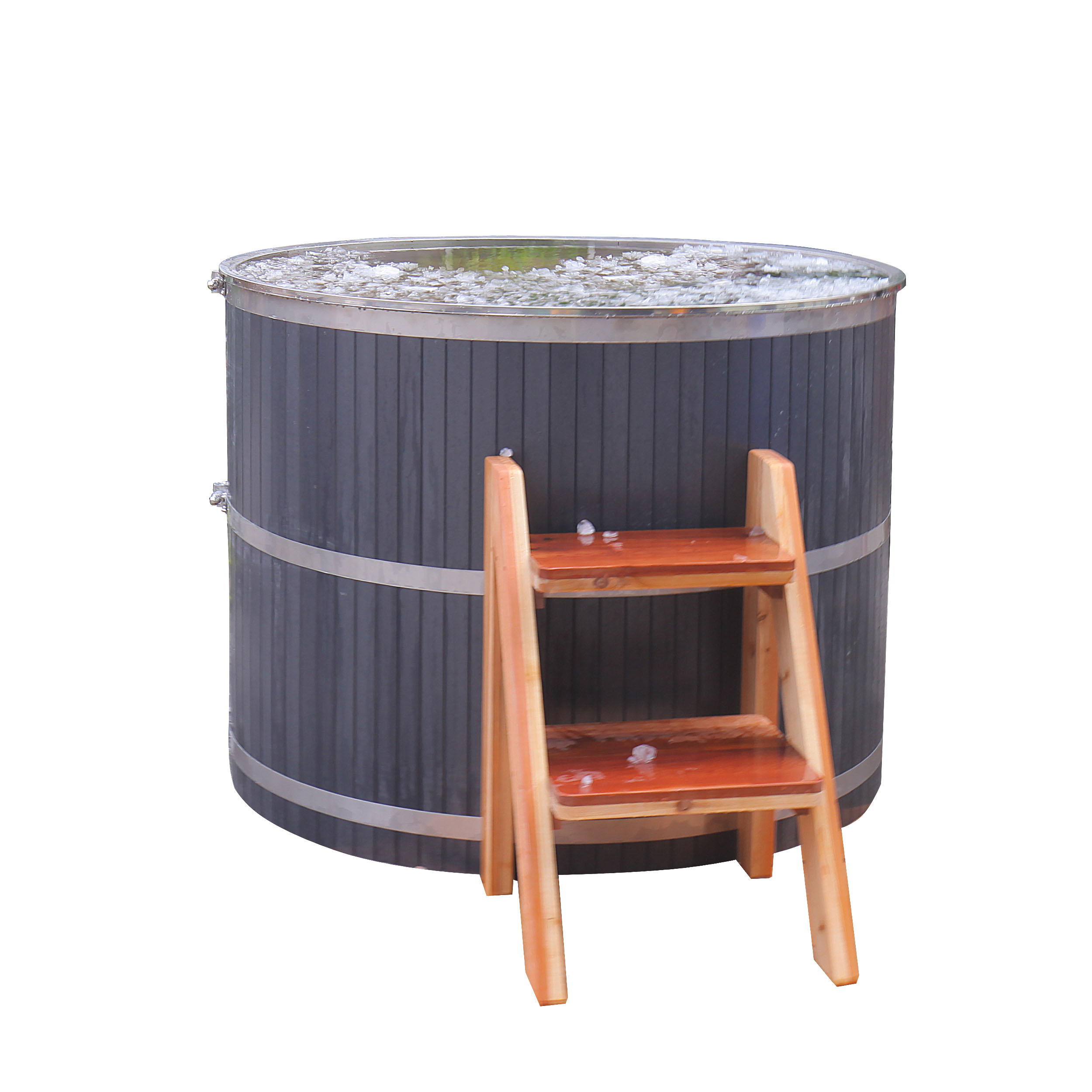
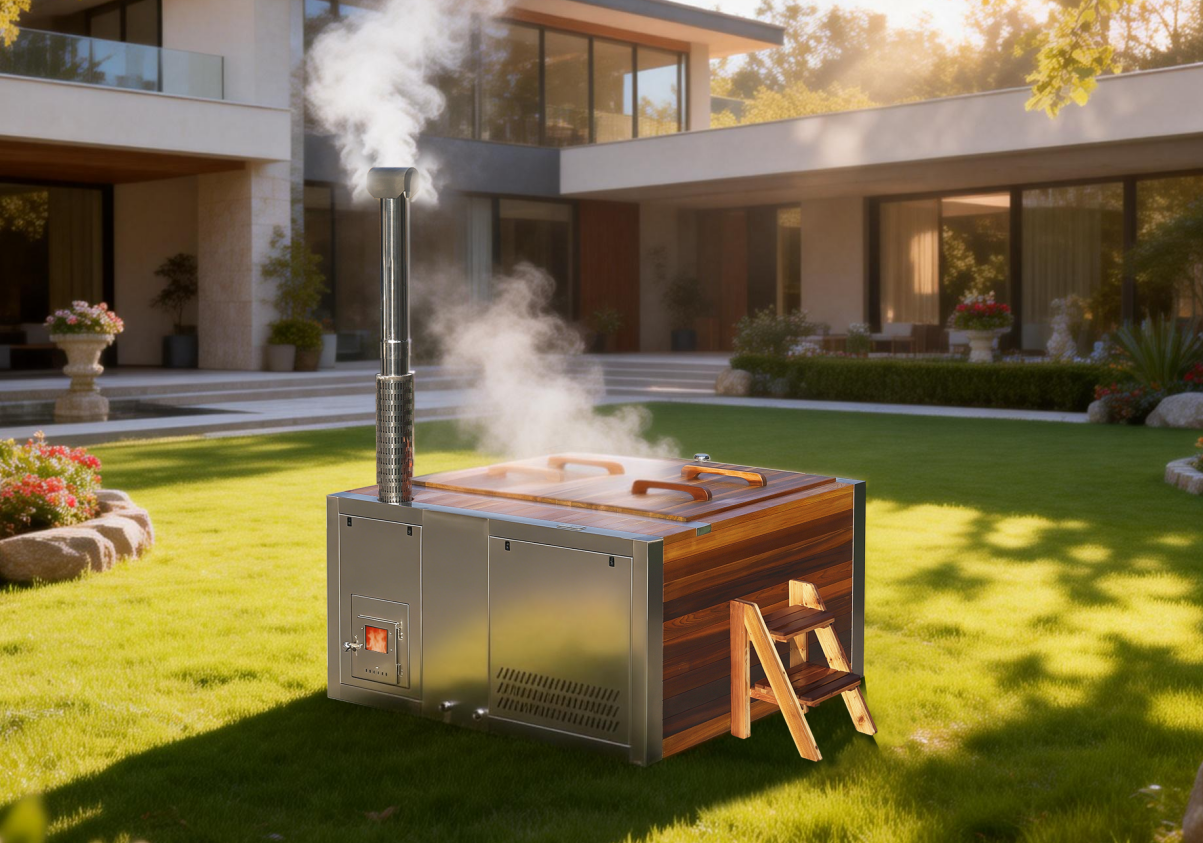
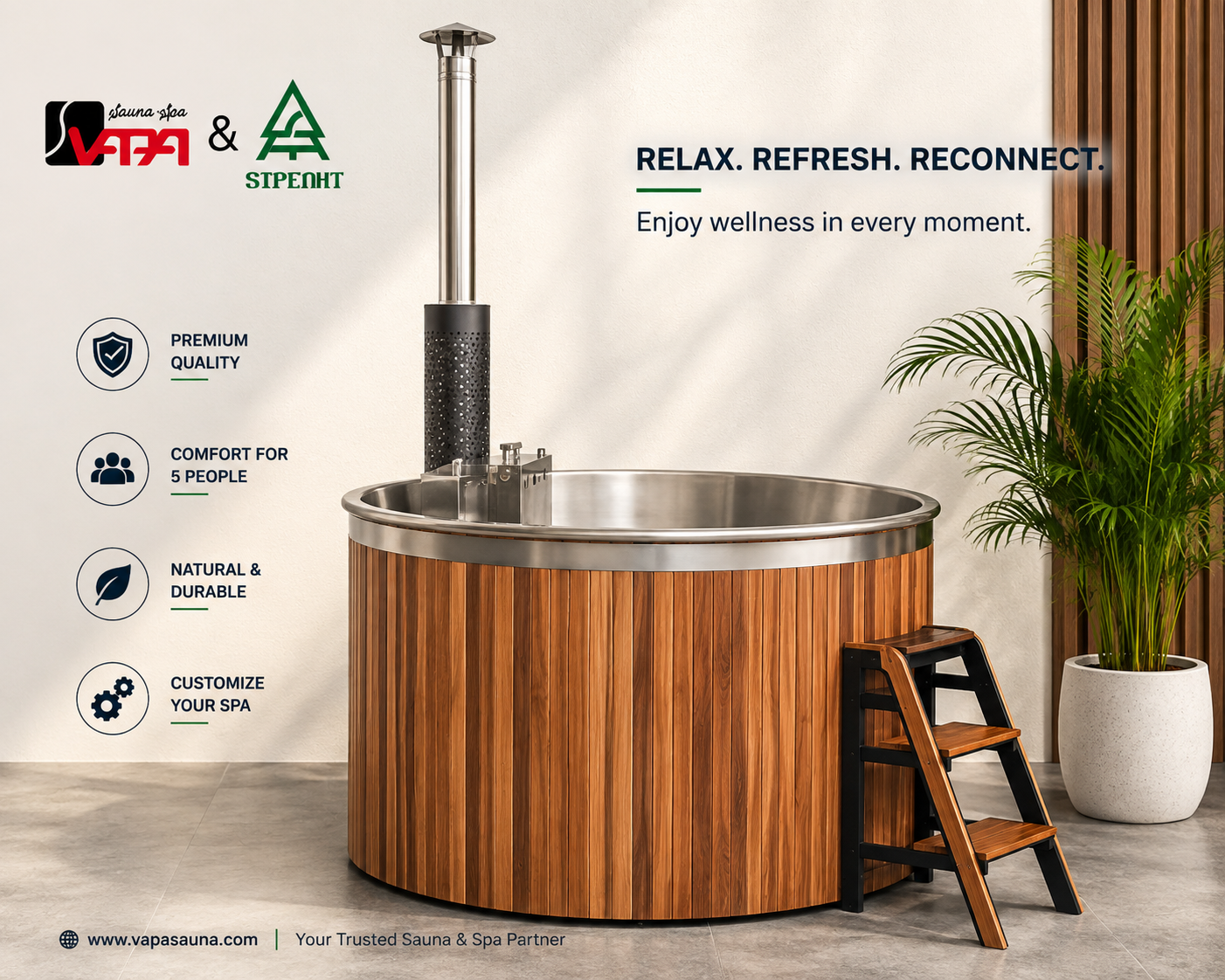
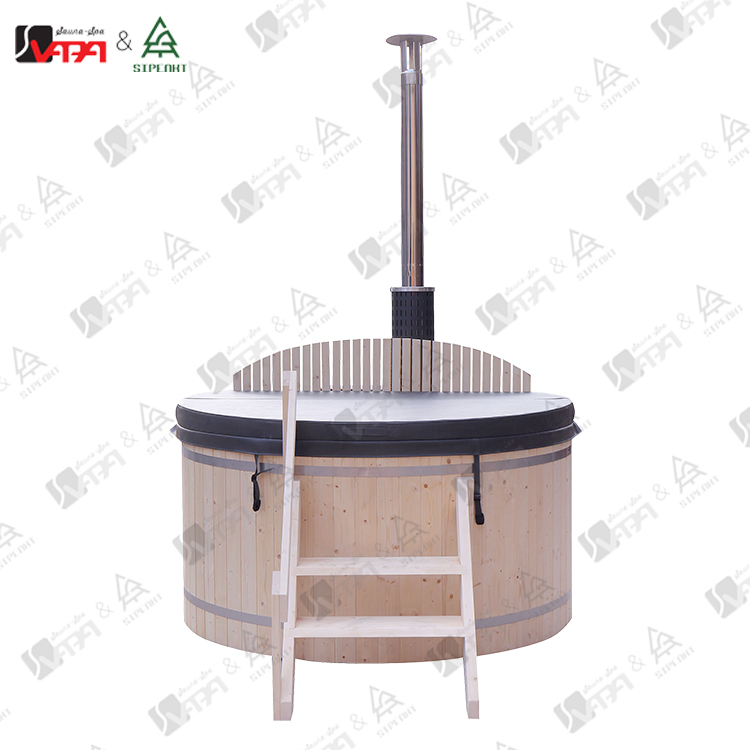
Picking out a Wood Hot Tub isn’t just about flipping through photos, checking prices, or falling in love with those pretty cedar panels. There’s a lot more to consider—stuff like the quality of the materials, how well it’s built, the kind of heating system it uses, water circulation, insulation, and even what kind of support you get after you buy. In this guide, I’m going to walk you through ten of the most notable brands and suppliers that serve folks who want these tubs for their home or even for commercial use.
We’ve taken a close look at things like cedar quality, how the staves are put together, what methods are used to prevent leaks, the kinds of heaters available, what’s involved with installation, clarity around warranty info, and what customers are saying. Some key names include Redwood Outdoors, Dundalk LeisureCraft, Northern Lights Cedar Tubs, TimberIN, and Almost Heaven Saunas—each bringing their own style and approach. Some really stick to traditional craftsmanship with wood, while others mix timber with modern features like advanced filtration and energy-efficient heating systems.
James Hunter, who’s a wood spa consultant with hands-on installation experience, points out, “A wood tub’s worth it if you’re patient; the real magic is in keeping the water balanced and taking care of it.” And honestly, that really hits the nail on the head. A gorgeous tub can still end up disappointing if owners forget about things like drainage, seasonal shifts, or regular cleaning. Wood naturally expands and contracts—that’s normal, but it does mean you need to pay attention.
We also look at hybrid products—those described by buyers as “Hot Tub Wood Steel Hot Tub”—which might have steel liners or reinforced frames hidden beneath the wood cladding. These tend to be lower-maintenance, but they might not look or feel quite as traditional. No brand’s perfect, though. Sometimes product pages don’t have all the details, and reviews can be all over the place. That’s why it’s a good idea to ask about the latest specs, heater info, delivery details, and warranty stuff before you make a move.
This comparison is really here to help you make a smart choice. It breaks down the pros and cons, highlights things you should ask about, and hopefully makes the whole process a bit less overwhelming when you’re thinking about investing in a wood hot tub.
Understanding Wood Hot Tubs and Their Main Applications
Wood hot tubs combine bathing, outdoor design, and traditional cooperage. They are commonly installed in private gardens, holiday cabins, wellness retreats, and small resorts. Grand View Research estimates the global hot tub market reached approximately USD 4.7 billion in 2023, showing strong demand for outdoor relaxation equipment. However, wood hot tubs remain a specialized segment, not a universal replacement for acrylic models.
Cedar, larch, and redwood are popular because they resist moisture and create a warm, natural appearance. The USDA Forest Products Laboratory’s Wood Handbook explains that wood expands and contracts as moisture changes. This matters during installation. A tub may need careful filling, controlled drying, and regular inspection.
In practical use, a covered backyard tub can support evening bathing, while a commercial unit may serve guests after hiking or sauna sessions. Water treatment, drainage, heater safety, and local installation rules still require professional attention. Wood feels authentic. It also demands patience.
Tips: Choose timber with stable moisture performance and food-contact-safe finishes. Place the tub on a level, load-bearing base. Leave space around the heater and drain. Check hoops, joints, and water clarity weekly. The Pool & Hot Tub Alliance’s industry guidance emphasizes documented maintenance and safe operating procedures. I would not promise effortless ownership; seasonal movement and occasional leaks are realistic concerns. But careful maintenance can preserve the tub’s function and its distinctive scent for years.
How China’s Wood Hot Tub Manufacturing Industry Is Organized
China’s Wood Hot Tub manufacturing industry is organized around specialized production clusters rather than one central factory model. Timber suppliers provide cedar, larch, or treated wood, while cooperage teams shape staves and machine locking grooves. Separate workshops often produce benches, covers, ladders, and drainage fittings. This division helps manufacturers manage different orders without rebuilding an entire production line.
Many factories operate through OEM and ODM arrangements. An importer may submit drawings, dimensions, packaging requirements, and heating preferences. The manufacturer then coordinates woodworking, metal components, insulation, and electrical assembly. Some suppliers make wooden tubs in-house but purchase heaters and pumps from qualified component producers. That arrangement can improve flexibility, but it also creates points for inspection.
Quality control usually follows several checkpoints. Workers inspect wood moisture, surface cracks, joint alignment, and water-sealing performance. Before shipment, teams may test the heating circuit, drainage outlet, protective packaging, and assembly instructions. Export departments also review labeling, installation documents, and destination-market requirements. Details matter here.
The structure is efficient, though not flawless. Communication gaps can affect custom dimensions or finish colors. Buyers should request production samples, material records, test reports, and clear responsibility for replacement parts. A reliable supplier answers specific questions with measurable details, not broad promises. On the factory floor, even a small uneven stave can influence assembly time, packaging stability, and the customer’s first impression.
Criteria for Evaluating China’s Top Wood Hot Tub Manufacturers
When evaluating China’s top wood hot tub manufacturers, start with documented production evidence, not polished photographs. Grand View Research estimated the global hot tub market at about USD 2.0 billion in 2022, with growth projected through 2030. That expansion increases supplier choice, but also raises verification risks. Ask for factory-audit records, batch traceability, and recent product test reports. Confirm whether timber species, moisture content, and treatment methods are recorded for each shipment.
Material performance deserves close attention. The International Trade Centre’s Trade Map can help compare export patterns, but trade volume does not prove manufacturing quality. Inspect sample staves for consistent thickness, clean joints, and stable hoop fittings. For a Wood Fire Hot Tub, examine the heater’s welds, chimney clearance, ash handling, and burn-test records. EN 17125 provides relevant safety and test guidance for domestic spas, hot tubs, and whirlpool spas. However, compliance claims should be checked against certificates and issuing bodies.
Small details matter.
Request a filled inspection checklist. Verify water-leak testing, packaging strength, spare-part availability, and written installation guidance. ISO 9001 certification may indicate controlled processes, yet it does not guarantee a durable tub. Supplier reviews can also mislead; I would weigh repeat-order evidence more heavily than ratings alone. Market reports differ in scope and methodology, so their forecasts are useful signals, not purchasing proof. A factory that answers technical questions clearly, including uncomfortable failures, often deserves deeper consideration.
Profiles of Ten Leading Chinese Wood Hot Tub Manufacturers and Suppliers
China’s wood hot tub sector includes manufacturers with different production strengths. The ten profiles examine suppliers by craftsmanship, equipment, materials, and export experience. One specializes in cedar staves, while another focuses on compact tubs for balconies. Several combine traditional woodwork with stainless-steel heating systems. Others provide outdoor models with insulated covers and reinforced bases.
Material control deserves close attention. Reliable suppliers should identify timber species, moisture levels, surface treatments, and hardware grades. Buyers can request sample sections, production photographs, and inspection records before placing large orders. Factory visits may reveal practical details, including clean storage areas, accurate cutting equipment, and careful leak testing. Details matter. A polished catalog proves little by itself.
The profiles also compare customization services. Some workshops adjust diameter, bench height, drainage position, or heating configuration. Others offer standard models with faster production schedules. Experienced exporters usually explain packaging methods, installation steps, spare parts, and shipping documents clearly. Their communication should remain consistent from quotation to after-sales support. Yet no supplier is perfect. Small finish marks, delayed replies, or unclear assembly instructions can still appear. Buyers should record these concerns and ask for written corrections. A dependable evaluation balances attractive design with measurable production evidence.
China Top 10 Wood Hot Tub Manufacturers and Suppliers - Profiles of Ten Leading Chinese Wood Hot Tub Manufacturers and Suppliers
| No. | Manufacturing Profile | Typical Production Region | Common Wood Options | Typical Internal Diameter | Heating Configuration | Waterproofing Structure | Typical MOQ | Typical Lead Time | Suitable Buyer Type |
| 01 | Profile A — Traditional Barrel Specialist | Zhejiang | Red cedar, spruce, pine | 1.5–2.0 m | External wood-fired heater; electric option | Tongue-and-groove staves with stainless-steel bands; optional liner | 1–5 sets | 20–35 days | Garden retailers and hospitality projects |
| 02 | Profile B — Outdoor Wellness Producer | Jiangsu | Thermally modified wood, spruce, pine | 1.6–2.2 m | Electric heater with digital temperature controller | Wood shell with EPDM or PVC liner | 1 set | 25–40 days | Private-label wellness and sauna distributors |
| 03 | Profile C — Compact Patio Tub Supplier | Shandong | Pine, spruce, cedar | 1.2–1.6 m | Compact electric heater; low-power configurations | Inner liner with treated timber exterior | 5–10 sets | 20–30 days | E-commerce sellers and urban homeowners |
| 04 | Profile D — Custom Project Manufacturer | Guangdong | Cedar, teak, thermally modified timber | 1.8–2.5 m | Electric, wood-fired, or hybrid system | Custom liner, insulation, filtration, and cover options | 1–3 sets | 35–60 days | Hotels, resorts, spas, and architectural projects |
| 05 | Profile E — Export-Oriented Barrel Tub Supplier | Fujian | Red cedar, Chinese fir, spruce | 1.5–2.1 m | External heater with circulation pump | Stainless-steel hoops and replaceable waterproof liner | 5–20 sets | 30–45 days | Importers and outdoor-living wholesalers |
| 06 | Profile F — Premium Cedar Tub Builder | Zhejiang | Western red cedar, clear cedar | 1.6–2.0 m | Electric heater with filtration and ozone options | Cedar shell with food-grade or spa-grade liner | 1–5 sets | 30–45 days | Premium residential and boutique hospitality buyers |
| 07 | Profile G — Sauna and Hot-Tub Combination Supplier | Jiangsu | Spruce, pine, cedar | 1.5–2.2 m | Wood-fired heater; optional sauna package | Timber staves, metal bands, drain assembly, optional liner | 1–5 sets | 35–55 days | Sauna dealers and wellness-resort operators |
| 08 | Profile H — OEM and Private-Label Producer | Shandong | Pine, spruce, cedar veneer finishes | 1.4–2.0 m | Electric heater; configurable control panel | Insulated liner system with removable service panels | 10–30 sets | 35–50 days | Online retailers and international private-label buyers |
| 09 | Profile I — Family-Size Outdoor Tub Manufacturer | Guangdong | Cedar, fir, thermally modified wood | 1.8–2.4 m | Electric or hybrid heating with circulation pump | Reinforced timber shell with liner and thermal cover | 1–5 sets | 30–50 days | Family-home, villa, and vacation-rental projects |
| 10 | Profile J — Project and Commercial Supplier | Fujian | Cedar, spruce, treated pine | 2.0–2.8 m | Commercial electric heating and filtration systems | Heavy-duty liner, insulated base, drain, and filtration package | 1–3 sets | 45–70 days | Hotels, campsites, resorts, and public leisure facilities |
Note: Specifications, minimum order quantities, and lead times are representative market ranges for Chinese wood hot-tub suppliers and should be confirmed with each supplier before purchasing.
Comparison of Product Designs, Materials, Features, and Customization Options
A practical comparison of ten leading wood hot tub manufacturers and suppliers should begin with product design. Round tubs suit social bathing, while compact square models fit narrow patios. Raised seating improves access, but it can reduce legroom. Some suppliers offer integrated benches, insulated covers, and external stoves. Details matter. I would inspect drain placement, ladder stability, and access for cleaning before judging appearance.
Wood choice strongly affects maintenance and service life. Cedar feels warm and produces a familiar aroma, while larch offers a firmer structure in many climates. Thermally treated boards can improve dimensional stability, but treatment quality requires verification. Stainless steel liners simplify cleaning, whereas traditional wood interiors create a more natural visual character. Wood is not uniform. Grain, moisture content, and joint precision deserve careful inspection.
Feature comparisons should include heating speed, water circulation, insulation, lighting, and control systems. A reliable supplier should provide clear specifications, installation guidance, warranty terms, and replacement-part support. Customization may cover diameter, seating layout, exterior stains, stove position, steps, and safety covers. However, customization can complicate repairs and increase delivery time. I would request material samples, technical drawings, and maintenance instructions before ordering. Local building and electrical requirements should also be checked with qualified professionals. Catalog images help, but they cannot confirm workmanship.
Quality Standards, Certifications, Pricing, and Production Capabilities
China’s wood hot tub manufacturers vary widely in quality, so supplier evaluation should begin with documented production controls. Ask for wood species, moisture targets, grain inspection records, and leak-testing procedures. Cedar, spruce, and other timbers perform differently in changing climates. The details matter.
Certifications require careful checking. ISO 9001 can indicate a structured quality system, but it does not guarantee product performance. Electrical heaters, pumps, and controls may require separate approvals for the destination market. Request valid certificates, test reports, and factory-issued traceability records. Do not accept copied logos or undated documents. Safety procedures should also cover the Wood Hot Tub Fire risk, especially around heaters, chimneys, insulation, and nearby combustible surfaces.
Pricing should include the tub, heater, cover, packaging, spare parts, shipping terms, and possible customization fees. A low quotation may exclude installation components or proper export packaging. Production capability is easier to verify through kiln-drying equipment, skilled assembly teams, batch records, and final water testing. Ask about monthly capacity, minimum order quantities, tooling, and realistic lead times. Photos help, but live video inspections reveal more. Some suppliers report impressive capacity without showing consistent quality records. That weakness deserves attention. A reliable sourcing decision should balance price, evidence, after-sales support, and repeatable workmanship rather than relying on a polished catalogue.
How to Select and Purchase a Reliable Chinese Wood Hot Tub Supplier
Choosing a reliable Chinese wood hot tub supplier requires more than comparing catalog prices. The Global Wellness Institute’s 2024 report valued the global wellness economy at $6.3 trillion in 2023. That growth attracts capable factories—and inexperienced traders.
Request the factory’s business license, export history, workshop video, and recent inspection records. Confirm who actually builds the tub. Ask for kiln-dried timber species, moisture targets, preservative details, and legal wood-traceability documents. A clear supplier should provide batch numbers and material certificates. Vague answers are warning signs.
Check construction details closely. Inspect a physical sample for tight staves, stainless-steel hoops, smooth sanding, drainage, and a replaceable liner or seal system. If the design includes a **Hot Tub Wood Stove**, request drawings, heat-output specifications, burn-clearance measurements, and installation instructions. Safety claims need supporting test documents, not attractive photographs. Compare the supplier’s specifications with relevant PHTA and ANSI guidance, then ask an independent laboratory to verify critical performance where necessary.
Get a written quotation covering packaging, spare parts, warranty limits, replacement seals, delivery terms, and inspection responsibility. A pre-shipment inspection is worth the cost. Check the crate: reinforced corners, moisture protection, and readable labels matter. One uncomfortable truth remains: the cheapest offer may hide weak timber seasoning or poor after-sales support. I would purchase a sample first, because even a polished factory audit cannot reveal every production inconsistency.
Wood Species Density Reference for Selecting a Reliable Hot Tub Supplier
The chart compares approximate oven-dry wood densities commonly referenced for wood hot tub construction. Higher density can indicate greater hardness and durability, while the final product quality also depends on moisture control, joinery, sealing, machining accuracy, and after-sales support. Values are approximate reference figures and may vary by growing region and timber grade.
Smart Control Pro: A Complete Guide to the Elliptical Wood & Stainless Steel Spa with Integrated Chiller
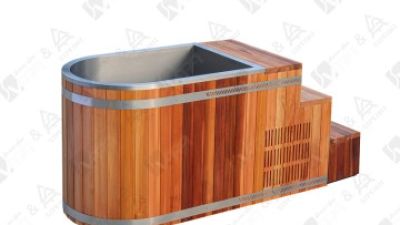
The Smart Control Pro elliptical spa combines natural wood styling with the durability of a stainless-steel interior, creating a compact wellness system for home recovery spaces. Its integrated chiller allows users to manage water temperature more precisely, while digital controls can simplify scheduling, monitoring, filtration, and maintenance reminders. The elliptical shape supports a comfortable standing or seated position and can make efficient use of limited floor space.
Material selection is central to long-term performance. Properly sealed wood can provide warmth and visual character, while stainless steel offers a smooth, corrosion-resistant surface that is easier to clean than many porous alternatives. A well-designed insulation system, dependable circulation pump, and accessible filter housing can also help reduce heat loss and routine maintenance. Users should look for clear temperature controls, safety shutoff functions, stable electrical protection, and straightforward access to service components.
Demand for home wellness equipment continues to grow alongside broader investment in preventive health. The Global Wellness Institute reported that the global wellness economy reached approximately $6.3 trillion in 2023 and is projected to approach $9 trillion by 2028. Within this trend, a smart elliptical spa can support convenient cold-water recovery, relaxation, and controlled hydrotherapy without requiring frequent visits to a commercial facility. Its blend of automated operation, stainless-steel durability, and wood-focused design makes it suitable for modern indoor or outdoor wellness settings.
FAQS
Request factory-audit records, batch traceability, and recent product test reports. Ask how each shipment records timber species, moisture content, and treatment methods. Photos are not enough.
Inspect sample staves for even thickness, clean joints, and secure hoop fittings. Check whether the wood feels dry and shows consistent surface treatment. Small gaps matter.
Examine heater welds, chimney clearance, ash handling, and burn-test records. Request written safety instructions and installation measurements. Do not rely on appearance alone.
No. A quality-management certificate may show controlled processes, but it cannot prove long-term durability. Verify certificates with the issuing organization. Evidence matters more.
Check water-leak testing, packaging strength, spare-part availability, and installation guidance. Inspect reinforced bases, drainage points, and protective covers when relevant. These details prevent expensive surprises.
Export volume shows market activity, not manufacturing quality. Ratings can be incomplete or misleading. Repeat orders provide stronger evidence, though they are not perfect either.
Some manufacturers adjust diameter, bench height, drainage position, and heating configuration. Others offer standard models with quicker production schedules. Faster is not always better.
Record delayed replies, finish marks, or unclear assembly instructions. Ask for written corrections, updated drawings, and confirmed inspection steps. Some problems remain. That deserves reflection.
Conclusion
This guide presents a practical overview of the Chinese Wood Hot Tub manufacturing industry, beginning with the structure, materials, heating systems, and common applications of these products in homes, hotels, resorts, wellness centers, and outdoor leisure spaces. It explains how manufacturers are evaluated through product quality, design capability, production experience, customization services, delivery performance, customer support, and compliance with relevant international standards. The article also outlines the major types of Chinese suppliers and compares their approaches to wood selection, insulation, heating methods, safety features, appearance, capacity, and installation requirements.
In addition, the guide summarizes typical quality certifications, pricing factors, production capabilities, order quantities, and lead times that buyers should consider when sourcing from China. It offers a clear framework for comparing suppliers and identifying the best match for a project’s budget, design preferences, operating environment, and after-sales needs. By reviewing these factors carefully, purchasers can make more informed decisions and establish reliable, long-term cooperation with a suitable Wood Hot Tub supplier.