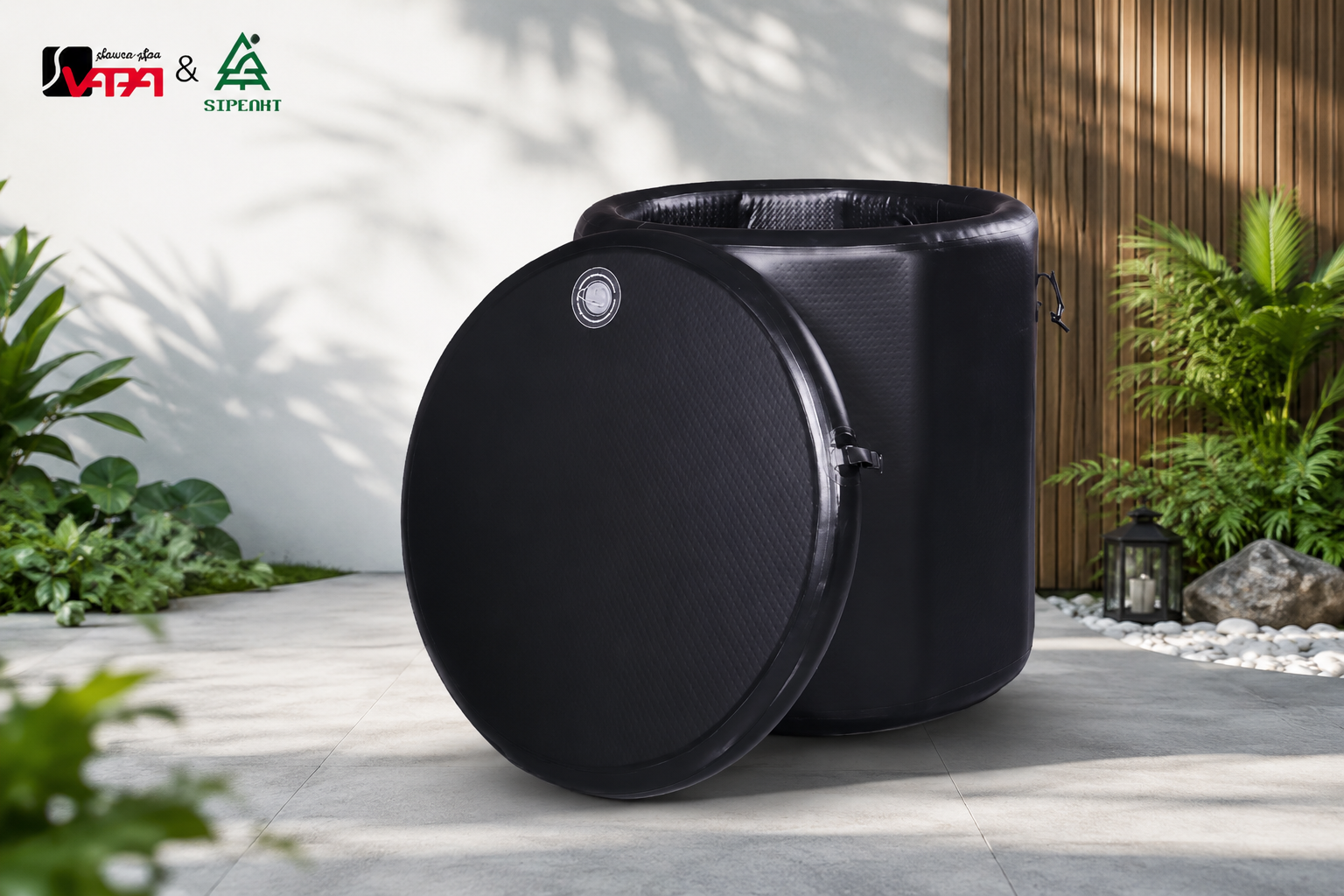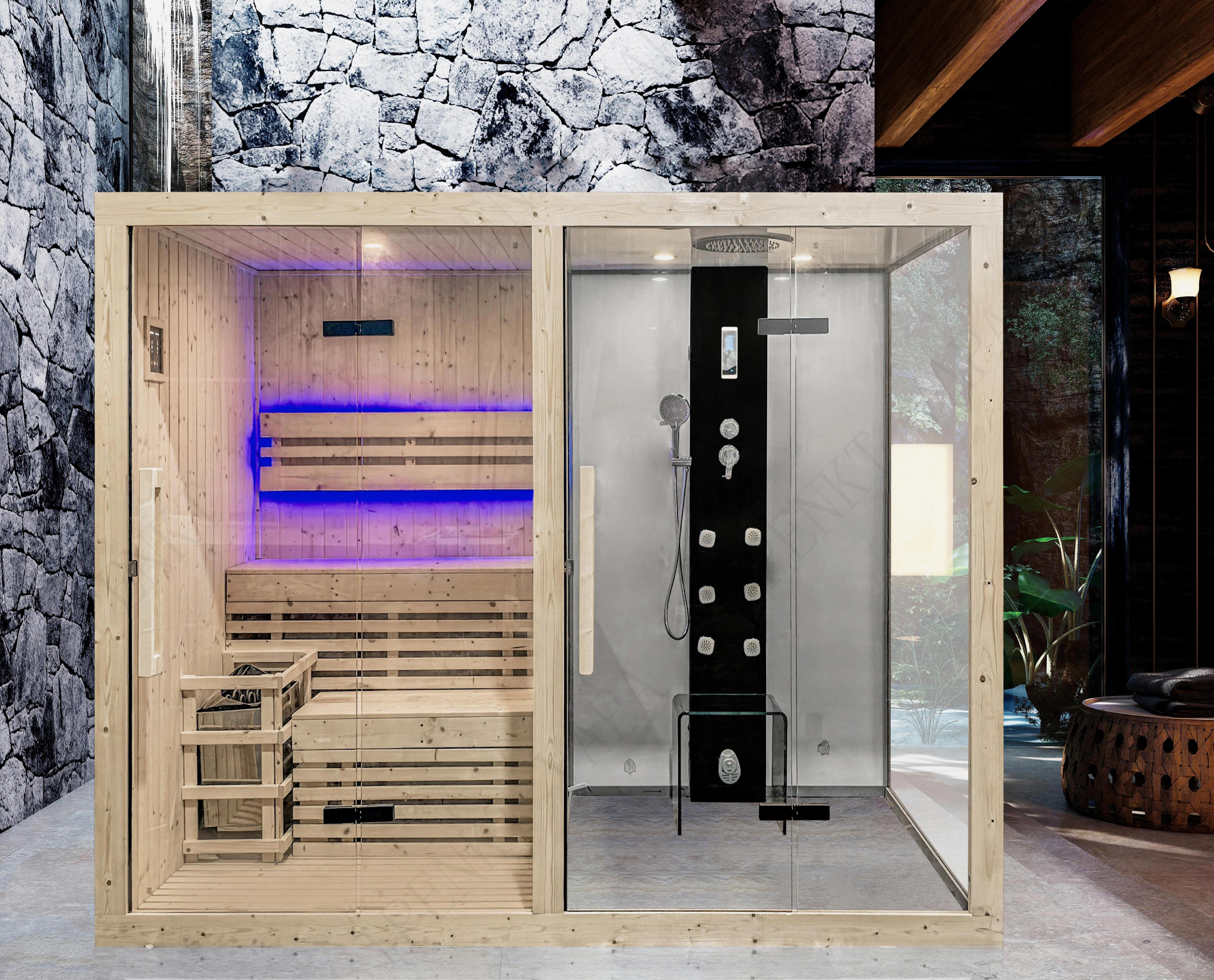
Adding a Cold Plunge to hotel wellness amenities is becoming a pretty popular upgrade for modern hotels. Guests aren’t just looking for comfy rooms and nice fitness areas anymore—they want experiences that help them recover and feel good. A cold plunge, especially when placed next to a sauna, steam room, or hot tub, can really stand out. The moment you step into cold water, you feel it immediately—the breath you see, the quick shock to your system—and that brief recovery can make the whole wellness vibe feel more real and tangible.
Dr. Susanna Søberg, a researcher and author focusing on cold exposure, calls cold exposure ‘a hormetic stressor,’ which basically means it’s a controlled stress that can help your body adapt. Her studies show that, if done right, Cold Therapy might support your body's resilience. But here’s the thing—hoteliers shouldn't go around claiming it’s some kind of cure-all. The real benefits come from good design, clean water, guest education, and responsible supervision. Things like clear temperature displays, non-slip floors, and straightforward guidance on how long to stay in—those tiny details really matter.
Including a cold plunge can also really help define a hotel’s wellness vibe. Imagine a guest finishing a morning workout, hopping into warm water, and then doing a quick cold immersion—that could turn into a memorable little ritual. But, heads up—it's not perfect. Some guests might find it super uncomfortable or feel stressed out by the whole thing. Others might expect personal coaching, which isn’t always feasible. Running a safe, clean, and well-supervised cold plunge requires real effort, staff training, and good communication about health warnings.
The best hotels treat cold plunging as an optional addition, not just some trendy gadget. They listen to guest feedback, get expert advice, and keep an eye on repeat usage and satisfaction. Having a beautiful pool alone isn’t enough—trust is built through attention to detail and making sure everyone feels safe and informed.
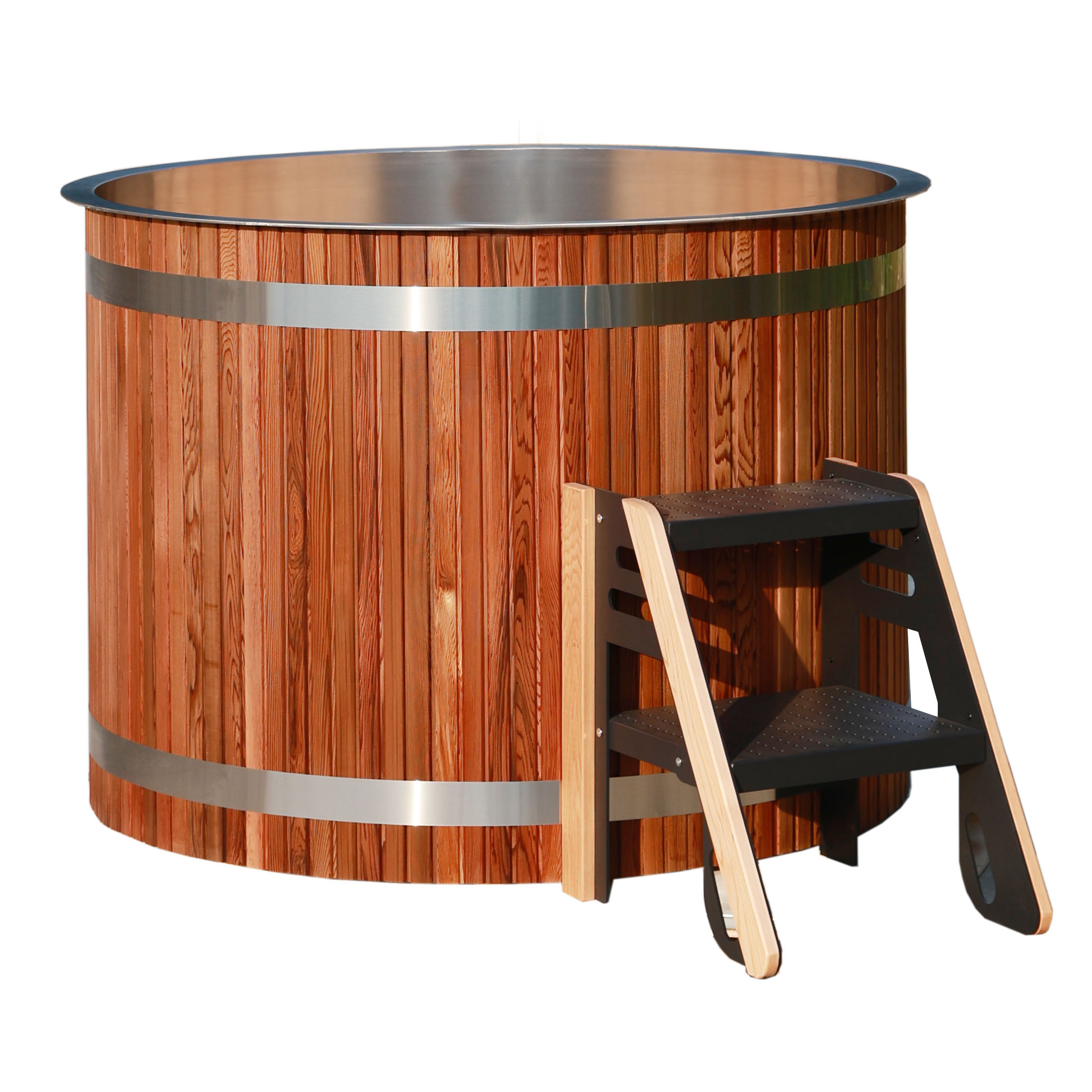
A cold plunge is a purpose-built tub filled with chilled water for brief, controlled immersion. In hotel wellness facilities, it usually sits near a sauna, steam room, or relaxation area. Guests step in gradually, keeping the experience short and deliberate. The cold can feel sharp around the ankles, knees, and shoulders. It is not always comfortable.
A well-managed facility treats the plunge as more than a decorative amenity. Staff should explain the water temperature, recommended duration, entry method, and emergency procedures. Clear signs should discourage jumping, breath-holding, or using the tub after alcohol. Water filtration, cleaning records, stable flooring, and visible supervision also matter. Not every guest should use a cold plunge. People with certain medical conditions should seek professional medical advice before trying one. Claims about guaranteed recovery or major health improvements need caution.
Tips: Enter slowly and hold the handrail. Keep your face above the water. Leave immediately if you feel dizzy, numb, confused, or unusually short of breath. Warm up naturally with dry clothing and a comfortable room, rather than forcing intense heat. Hotels should provide towels, seating, drinking water, and a clock nearby. The ideal setup is calm, clean, and transparent. A cold plunge may attract attention, but poor instruction can quickly weaken the guest experience.
Cold plunges work through a sharp, controlled exposure to cold water. The skin cools quickly, causing blood vessels to narrow and the sympathetic nervous system to react. Guests may notice faster breathing, alertness, and intense muscle tension within seconds. That sensation feels powerful. It is not automatically therapeutic.
A 2024 review in *Sports Medicine* found that cold-water immersion may reduce perceived muscle soreness after demanding exercise, but results vary by protocol and person. Evidence for broader wellness claims remains limited. The [Global Wellness Institute’s 2024 report](https://globalwellnessinstitute.org/industry-research/2024-global-wellness-economy-monitor/) valued the global wellness economy at $6.3 trillion in 2023. Meanwhile, the [2024 ISPA U.S. Spa Industry Study](https://experienceispa.com/research/) reported approximately $22.5 billion in spa revenue during 2023. These figures show strong wellness demand, not proof that every recovery trend works.
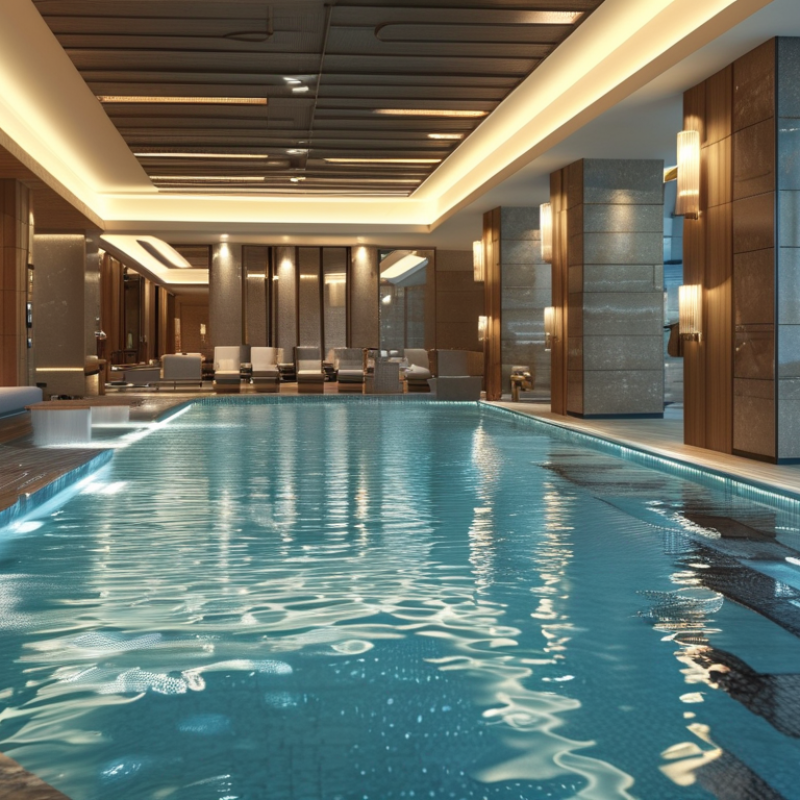
For hotels, the guest experience needs careful design. Picture a cool plunge beside a warm relaxation room, with non-slip flooring, visible timers, and trained staff nearby. Water quality requires documented testing and maintenance. Guests with cardiovascular conditions, circulation problems, or cold sensitivity should seek medical advice before using one. Sudden immersion can stress the heart. The evidence is mixed. A dramatic shiver is not proof of health improvement. Hotel operators should present cold plunges as an optional recovery ritual, not a medical treatment, and keep reviewing emerging research.
# Why Add Cold Plunge to Hotel Wellness Facilities?
A cold plunge can add a focused recovery option to hotel wellness facilities. Guests often use it after exercise, sauna sessions, or long travel days. Cold water may temporarily reduce the feeling of muscle soreness. However, research results vary, and individual responses differ. The experience can feel sharp, uncomfortable, and surprisingly energizing.
Mental benefits may be just as noticeable. Slow breathing becomes essential when the water feels intense. That brief challenge can encourage attention and body awareness. Some guests describe feeling alert afterward, though this response is personal. Not everyone finds it calming. That matters.
A well-designed area should support safe, informed use. Clear temperature displays, short recommended exposure times, non-slip flooring, and nearby towels are practical details. Staff should explain gradual entry and advise guests to stop if they feel dizzy, numb, or unwell. People with heart conditions, circulation concerns, pregnancy, or other medical questions should seek professional guidance before using cold immersion. A nearby Wellness Hot Tub can offer a gentler contrast, especially for guests who dislike sudden cold. Yet alternating heat and cold should not become a competition. Colder is not automatically better. Hotel teams should record water temperatures, inspect equipment, and review guest feedback regularly. The setup may look impressive, but comfort, hygiene, and responsible guidance deserve equal attention.
| Wellness Dimension | What Cold-Water Immersion May Do | Evidence-Based Data or Typical Range | Potential Guest Benefit | Recommended Facility Consideration | Safety Note |
|---|---|---|---|---|---|
| Post-exercise muscle soreness | Cold exposure can reduce local blood flow and nerve conduction, which may temporarily reduce pain perception and perceived soreness. | Research has reported lower delayed-onset muscle soreness at approximately 24–96 hours after exercise, although study quality and protocols vary. | May help guests feel more comfortable after hiking, cycling, skiing, fitness classes, or other physically demanding activities. | Position the plunge near recovery, stretching, sauna, or fitness areas and provide clear guidance on duration. | Reduced soreness does not necessarily mean faster tissue healing. Guests with injuries should seek professional advice. |
| Perceived recovery | Cold-water immersion may reduce the subjective feeling of fatigue after strenuous exercise. | Systematic reviews generally find benefits for perceived recovery, while objective performance results are mixed. | Can support a recovery-focused guest experience and encourage longer engagement with the hotel wellness program. | Present the plunge as a recovery option rather than a guaranteed performance-enhancement treatment. | Allow adequate warming afterward and discourage repeated exposures without rest. |
| Circulation and acute cardiovascular response | Cold water causes peripheral vasoconstriction and activates the sympathetic nervous system, producing an acute “cold-shock” response. | Heart rate and blood pressure may rise during initial immersion; the response is highly individual and can be intense in colder water. | Some guests may experience a feeling of alertness and physical invigoration. | Use gradual entry, handrails, visible timers, non-slip surfaces, and trained staff oversight. | People with cardiovascular disease, uncontrolled hypertension, significant arrhythmias, or other medical risks should obtain medical clearance before use. |
| Alertness and energy | Cold exposure stimulates sympathetic activity and can produce a short-term sensation of heightened alertness. | The immediate alerting effect is physiologically plausible, but evidence for sustained improvements in energy is limited. | May appeal to guests seeking an invigorating morning or post-workout ritual. | Offer short, conservative sessions and pair the experience with hydration and a comfortable warming area. | Cold plunging should not be used to counteract severe fatigue, alcohol effects, dehydration, or sleep deprivation. |
| Mood and stress perception | Cold immersion may influence arousal, perceived stress, and mood through intense sensory stimulation and autonomic activation. | Small studies and observational reports suggest possible short-term mood benefits, but evidence is not strong enough to treat depression or anxiety. | May provide a memorable mindfulness-style challenge and a sense of accomplishment. | Use wellness-oriented language such as “refreshing” or “invigorating,” not medical or mental-health treatment claims. | Guests who feel panicked, dizzy, numb, or short of breath should exit immediately and alert staff. |
| Exercise adaptation | Immediate cold immersion after resistance training may reduce some of the cellular signaling associated with muscle adaptation. | Repeated immediate use after strength training has been associated in research with smaller gains in muscle size or strength in some settings. | Guests can choose cold immersion for comfort and soreness management while avoiding it immediately after every strength session. | Provide timing guidance: consider using the plunge several hours after resistance training when maximizing adaptation is a priority. | Do not market the plunge as universally beneficial after all forms of exercise. |
| Typical operating temperature | Water temperature strongly influences the intensity of the physiological response. | A commonly used research and wellness range is approximately 10–15°C (50–59°F); colder water increases risk and is not automatically more effective. | Provides a clear, adjustable experience for first-time and experienced users. | Display the exact water temperature prominently and maintain it consistently with automated monitoring. | Avoid encouraging guests to chase extreme temperatures or prolonged exposure. |
| Typical exposure duration | Short exposures can provide the intended sensory and autonomic stimulus without unnecessarily increasing cold stress. | A conservative introductory protocol is approximately 1–3 minutes, with experienced users generally remaining within about 5–10 minutes depending on temperature and individual tolerance. | Short sessions fit easily into hotel schedules and support high facility turnover. | Use countdown timers, written instructions, and a clearly defined maximum session length. | Exit immediately for intense shivering, confusion, chest discomfort, loss of coordination, or numbness. |
| Sleep and relaxation routine | Cold exposure can be stimulating rather than relaxing for some people, while the later warming phase may feel calming. | Direct evidence for improved sleep from cold plunging alone remains limited and inconsistent. | May complement a broader sleep and recovery program when used at a personally comfortable time. | Offer guest choice rather than prescribing nighttime use; include warm towels, robes, seating, and hydration. | Guests should avoid using cold immersion when it causes prolonged stimulation, discomfort, or difficulty warming up. |
| Guest experience and differentiation | A cold plunge adds an interactive recovery ritual that can complement heat-based facilities, movement classes, and relaxation services. | The experiential value is practical rather than a guaranteed clinical outcome; guest satisfaction depends on safety, cleanliness, comfort, and instruction. | Creates a distinctive, shareable wellness activity without relying on medical claims. | Prioritize privacy, accessibility, water-quality controls, cleaning procedures, staff training, and clear user education. | Cold plunges should be supervised or monitored, with emergency procedures and a clear policy regarding alcohol and drug use. |
A cold plunge can turn a hotel wellness area into a memorable sensory experience. Guests notice the details: chilled water, clean timber, warm towels, and a quiet recovery seat nearby. The moment feels active, not passive. It can also encourage guests to spend more time using the facility. That matters as wellness travel expands. The Global Wellness Institute reported that the global wellness economy reached $6.3 trillion in 2023, with wellness tourism among its fastest-growing sectors.
The guest experience must lead the design. A plunge beside a sauna creates a simple contrast between heat and cold. Clear instructions, gradual entry options, and visible water-quality checks build confidence. Staff should explain that cold exposure is not suitable for everyone. It is not a medical treatment. Individual responses vary, and some guests may find it uncomfortable rather than refreshing. That honest caveat protects trust.
Hotels can pair the feature with outdoor wellness products, hydration stations, robes, and shaded seating. The International Spa Association’s 2024 industry study reported strong consumer demand across spa services, suggesting continued interest in structured recovery experiences. Still, a cold plunge should not become a decorative installation. Poor maintenance, crowded schedules, or unclear guidance can quickly damage the experience. Feedback cards and usage data can reveal whether guests return, leave early, or avoid the facility altogether. Small operational lessons matter.
Adding a cold plunge can strengthen a hotel’s wellness offering, but the installation needs careful planning. Guests should move easily from warming areas to the plunge without crossing busy corridors. A private, slip-resistant zone feels safer and more comfortable. Allow space for entry, exit, cleaning, and staff access around the unit.
The right equipment includes reliable temperature controls, water filtration, sanitation systems, drainage, and an emergency shutoff. Electrical components should be installed by qualified professionals. Ventilation also matters, especially in humid indoor rooms. Integrating the plunge with other wellness routine equipment can create a smoother guest experience. Operators should record cleaning checks and maintenance tasks. A beautiful installation can still fail when staff cannot service it easily.
Tips:
Measure the full operating footprint, not only the tank. Include walking clearance, storage, towel points, and accessible routes. Confirm floor loading and drainage before construction begins. Review local building, electrical, water, and accessibility requirements with qualified specialists. Keep instructions clear and avoid promising medical benefits. Guests need simple guidance, visible temperature information, and a way to request assistance. Some designs look efficient on paper but feel cramped during busy periods. A short trial with staff can reveal awkward doors, wet flooring, or poor sightlines before opening.
Cold plunges can strengthen a hotel’s wellness offer, but accessibility must guide the design. The Global Wellness Institute valued the global wellness economy at $6.3 trillion in 2023. That growth signals demand, not automatic safety. A plunge is not automatically wellness.
Water temperature, exposure time, and guest screening require clear controls. The World Health Organization’s 2024 drowning report estimates more than 300,000 drowning deaths annually worldwide. A hotel plunge is smaller, yet water still demands professional risk management. Cold-water shock can affect breathing and movement quickly, especially below 15°C, according to the Royal National Lifeboat Institution. Facilities should display temperature, time limits, contraindication warnings, and emergency instructions. Staff need documented training, active observation, and a written response plan. Guests should never enter alone. Medical advice may be appropriate for people with cardiovascular conditions, pregnancy, or medication concerns.
Accessibility needs more than a ramp. Provide a level route, non-slip flooring, stable handrails, and seating beside the water. A transfer bench or suitable lifting system can support guests with limited mobility. Controls should be reachable from seated positions, with large-print and high-contrast instructions. Offer alternatives, such as a cool shower or foot bath, without pressuring participation. The U.S. Access Board’s 2010 ADA Standards provide useful benchmarks for accessible routes, transfer spaces, and pool access, although local requirements vary. I would also audit real guest journeys, not only drawings. Someone may reach the plunge, then struggle to exit. That overlooked moment matters.
Safety Guidelines and Guest Accessibility
Accessibility benchmarks: The chart uses selected dimensions from the 2010 ADA Standards for Accessible Design as planning references in the United States. Local building codes and site-specific requirements should also be verified.
# Why Add Cold Plunge to Hotel Wellness Facilities?
A cold plunge can strengthen a hotel’s wellness offering, but installation is only the visible expense. The operating plan matters more. Before purchasing, assess floor loading, drainage, ventilation, electrical capacity, and guest circulation. A full basin needs reliable filtration and water-treatment controls. It also requires clear access for cleaning and inspection.
Budget for construction, water, energy, testing, staff training, and scheduled servicing. Utility costs vary by climate, equipment efficiency, and usage. Ask contractors for itemized quotes, including delivery, installation, commissioning, and replacement parts. Do not assume a premium finish guarantees durability. One planning mistake is placing the plunge too far from a drain. Small delays can then make routine cleaning awkward.
**Tips:** Keep a daily log for water readings, temperature, cleaning, and incidents. Train staff to recognize cloudy water, unusual odors, damaged seals, and unstable temperatures. Set a visible cleaning schedule. Provide towels and slip-resistant flooring. Explain safe use without making medical promises. Guests exploring hot tubs for wellness may expect the same cleanliness and service standards here.
Maintenance should include filter checks, surface inspection, water replacement procedures, and periodic professional review. Keep spare seals and basic tools on site. Plan for downtime; a neglected plunge can quickly affect guest trust. The most attractive feature may be the least successful if staff cannot maintain it consistently. Revisit the plan after opening, because real usage often differs from the forecast.
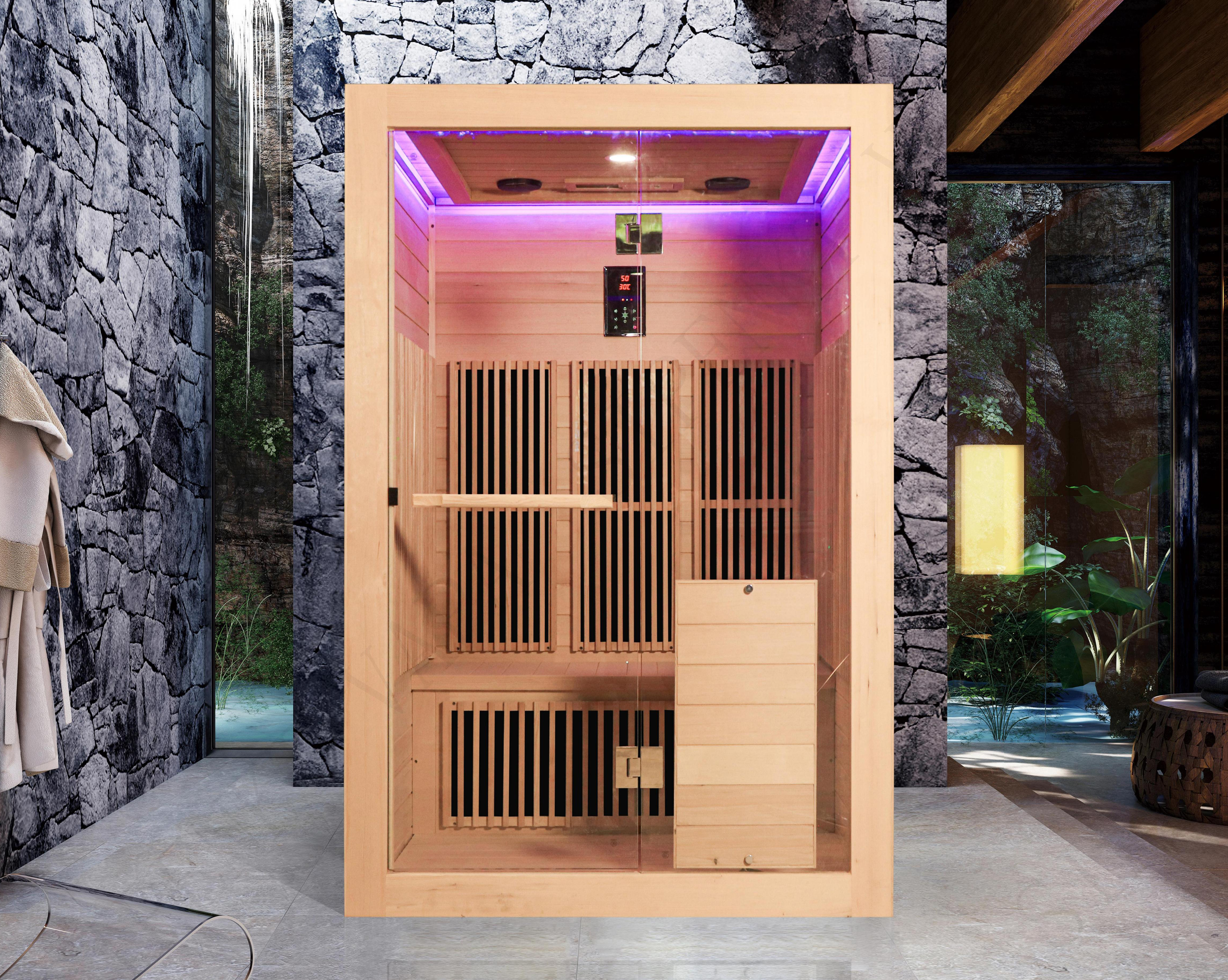
The CR60-90 reflects a contemporary approach to sauna design, where wellness, simplicity, and thoughtful use of space come together. Its clean proportions and modern visual language suit both private residences and hospitality interiors, while the enclosed structure helps create a calm, focused environment. Rather than treating a sauna as a purely traditional feature, this format presents it as part of a broader lifestyle centered on recovery, relaxation, and everyday self-care.
The 2024 Global Wellness Economy Monitor highlights the continuing expansion of wellness into home environments, personal routines, and design-led experiences. Against this background, the CR60-90 can be viewed as a practical response to changing expectations: users increasingly seek convenient ways to support physical comfort and mental restoration without leaving their living space. Contemporary sauna design therefore emphasizes intuitive operation, efficient proportions, natural textures, and an atmosphere that feels refined rather than overly decorative.
With its adaptable scale and understated appearance, the CR60-90 can complement a range of interior concepts, from minimalist apartments to dedicated wellness rooms. Its design encourages regular use by making the sauna experience feel accessible, integrated, and visually harmonious.
: It is a purpose-built tub filled with chilled water for brief, controlled immersion. It often sits near a sauna or relaxation room.
Enter slowly while holding the handrail. Keep your face above the water. Do not jump or hold your breath.
Keep the experience short and deliberate. The facility should display temperature guidance, timing advice, and emergency procedures.
Cold may feel sharp around the ankles, knees, and shoulders. Breathing can speed up, and muscles may tense within seconds.
No. Some evidence suggests reduced muscle soreness after exercise, but results vary. We should not pretend certainty.
People with heart conditions, circulation problems, cold sensitivity, or other concerns should seek professional medical advice first.
Leave if you feel dizzy, numb, confused, or unusually short of breath. Tell staff and warm up naturally.
The area should have non-slip flooring, a handrail, clear signs, towels, drinking water, and a nearby clock. Staff supervision also matters.
Reliable temperature control, filtration, sanitation, drainage, and emergency shutoff systems are essential. Qualified professionals should install electrical components.
Provide clear routes, staff access, storage, towel points, and enough room for entry and cleaning. A trial setup may reveal wet flooring or awkward doors.
Adding Cold Plunge To Hotel Wellness Facilities can create a distinctive, restorative experience for guests seeking practical ways to support physical and mental well-being. A cold plunge is a controlled immersion pool or tub filled with chilled water, commonly used after exercise, heat therapy, or relaxation sessions. Guests may use it to encourage a refreshing sense of recovery, increase alertness, and complement broader wellness routines. When thoughtfully introduced, it can strengthen a hotel’s wellness identity and make the guest experience more memorable.
Successful implementation requires careful planning. Hotels should select suitable equipment, provide adequate space, ensure reliable water treatment and temperature control, and design the area for privacy, comfort, and easy supervision. Clear safety guidance, gradual-use instructions, accessibility considerations, and staff awareness are essential for responsible guest use. Management should also evaluate installation costs, energy consumption, cleaning procedures, inspections, and ongoing maintenance. With balanced design and consistent operations, a cold plunge can become a valuable wellness feature that supports guest satisfaction while remaining safe, practical, and easy to manage.