- Home
- About Us
- Products
- News
- Certificates
- Download
- Contact Us
Leave Your Message
Thinking about getting a Hot Tub for your home? Well, the reason isn’t just about impressing guests at the showroom — it’s more about everyday comfort. A hot tub can totally transform a chilly evening into a cozy, relaxing ritual. Picture this: after a long day at work, you step outside, hear those gentle jets bubbling, and see steam lazily rising from the water. That kind of moment can really help you unwind and even turn into special quality time with your family.
Dr. Bruce E. Becker, a well-known expert in aquatic therapy, once said, “Water supports the body while allowing movement with less stress.” That really explains why so many folks love soaking in warm water. The buoyancy can lighten the load on your joints, and the heat helps loosen up tired muscles. But keep in mind, everyone’s different — results may vary. And just so you know, a hot tub isn’t a medical treatment. It’s more of a nice addition — something to use alongside advice from health pros.
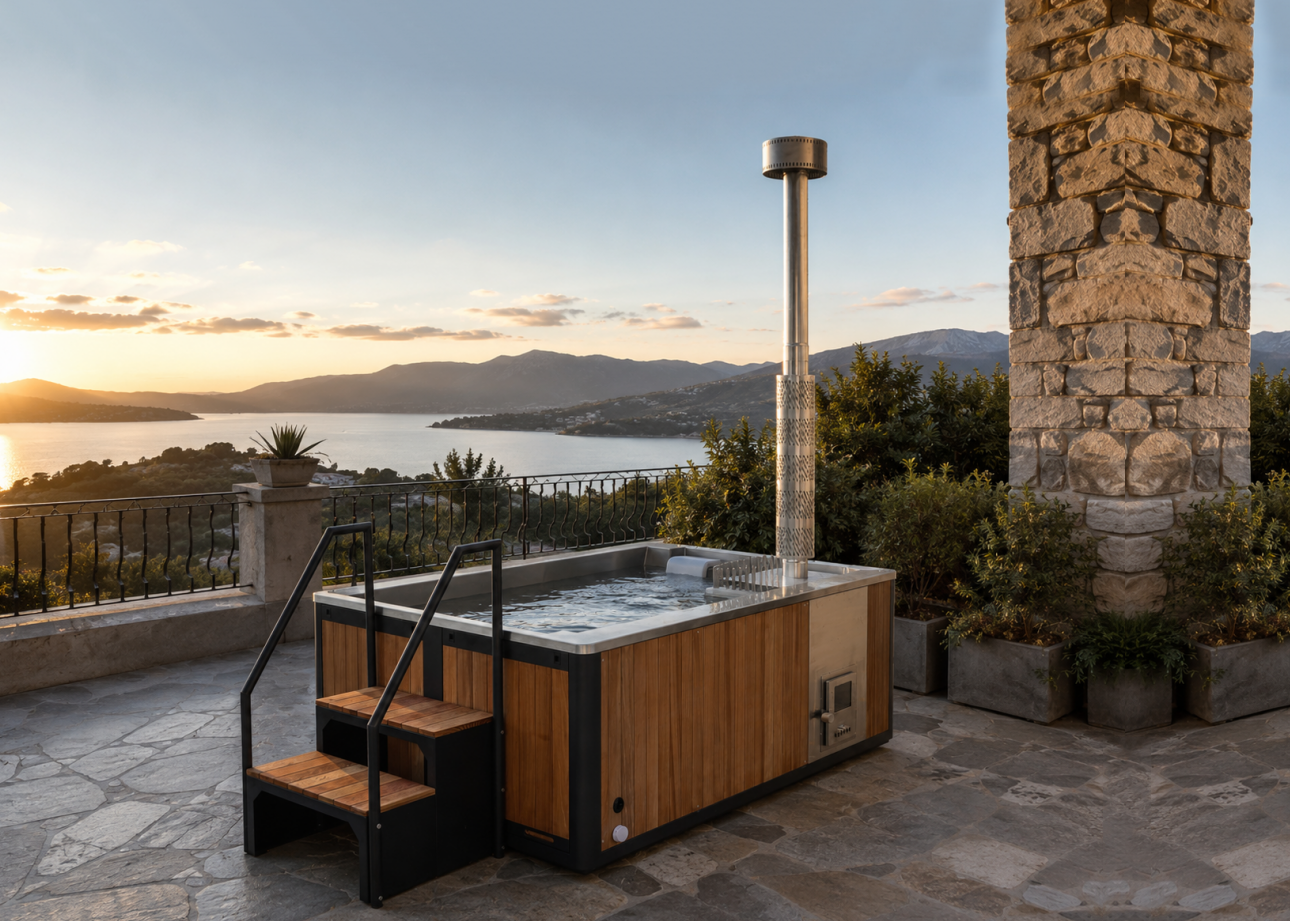
Making the right choice, though, takes some careful planning. Before buying, double-check electrical needs, drainage set-up, ventilation, and whether your foundation can handle it. It’s also good to compare insulation quality, circulation, filtration, seating comfort, and warranty support. For example, a Hot Tub Wood Steel Hot Tub might look amazing outside, but remember, its materials mean different upkeep — wood might need regular sealing, and steel could require attention to prevent rust. Neither is a total breeze.
Energy efficiency is another thing to think about, so look for a well-insulated cabinet and a sturdy cover. And don’t forget to ask about running costs, especially in your climate. Brands like Jacuzzi, Master Spas, and Hot Spring have a bunch of different models and solid service networks. Be sure to read some independent reviews — don’t just go on ads. The most beautiful, shiny model might look tempting, but it could end up being pricey and rarely used, which no one wants. So, pick a size that makes sense for your household — one that your family will actually enjoy and find easy to get into, with safe access and reliable water maintenance. Thoughtful planning now means that a hot tub can add real comfort, privacy, and just a little daily escape right at home.
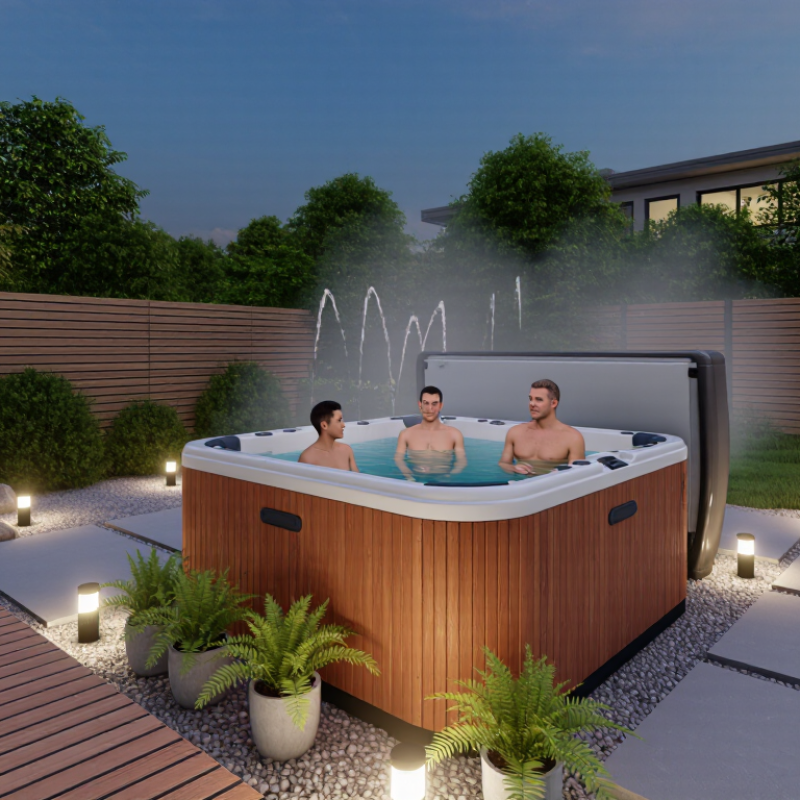
A home hot tub is a heated, insulated tub designed for regular use at home. It usually includes water jets, a circulation pump, a filter, and temperature controls. Some models sit outdoors on a prepared base, while others fit into indoor wellness areas. The water stays warm under a fitted cover, so the tub can be ready during a cool evening.
Choosing one involves more than enjoying warm water. The installation area needs a stable, level foundation, safe electrical service, and practical drainage. Outdoor placement also requires enough space to open the cover and reach the equipment panel. Indoor installation demands strong ventilation because humidity can damage walls, ceilings, and flooring. Local building and electrical requirements should be checked before delivery.
Small details affect daily ownership. Owners commonly test the water, rinse the filter, and clean the shell according to the manufacturer’s instructions. A cover helps retain heat and keeps leaves out. Water temperature should remain comfortable, not extreme. People with medical conditions, pregnancy concerns, or medication questions should ask a qualified healthcare professional before use. A hot tub is not a cure-all. It can also become expensive or inconvenient when maintenance is ignored. That honest trade-off deserves attention before choosing one.
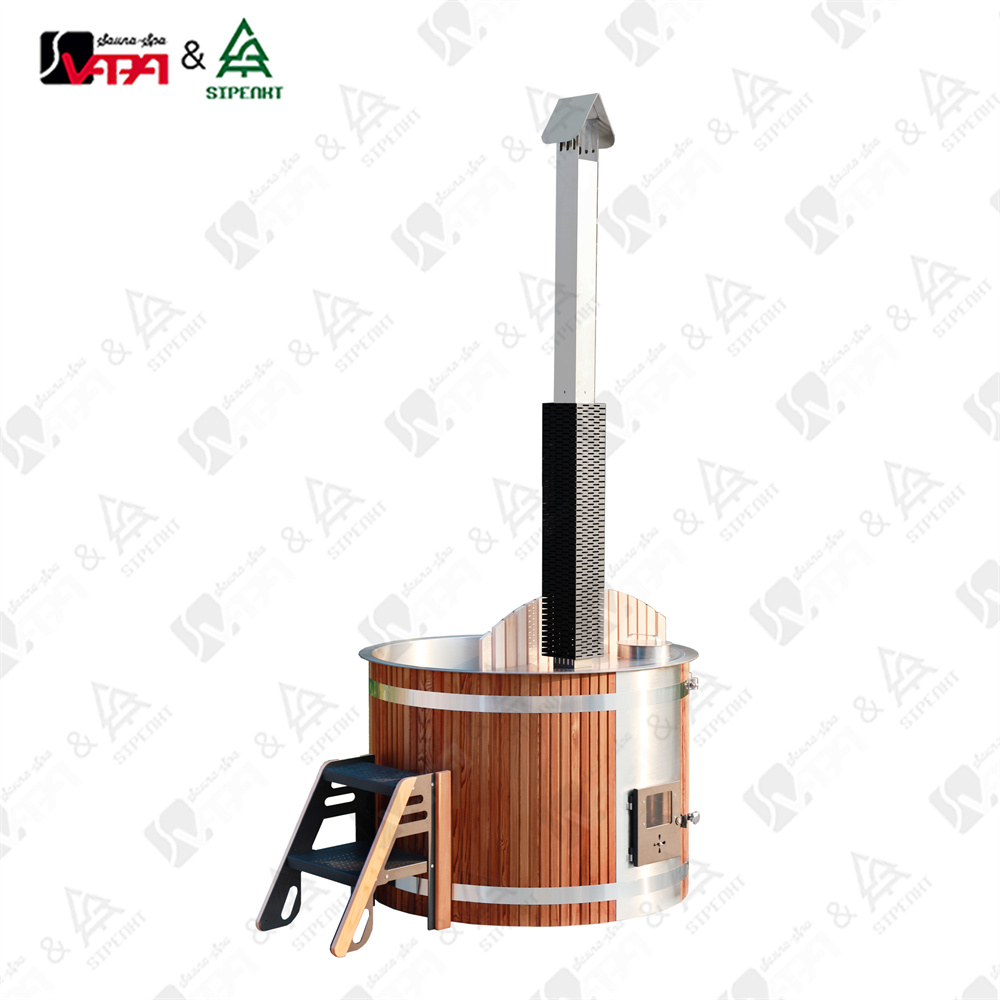
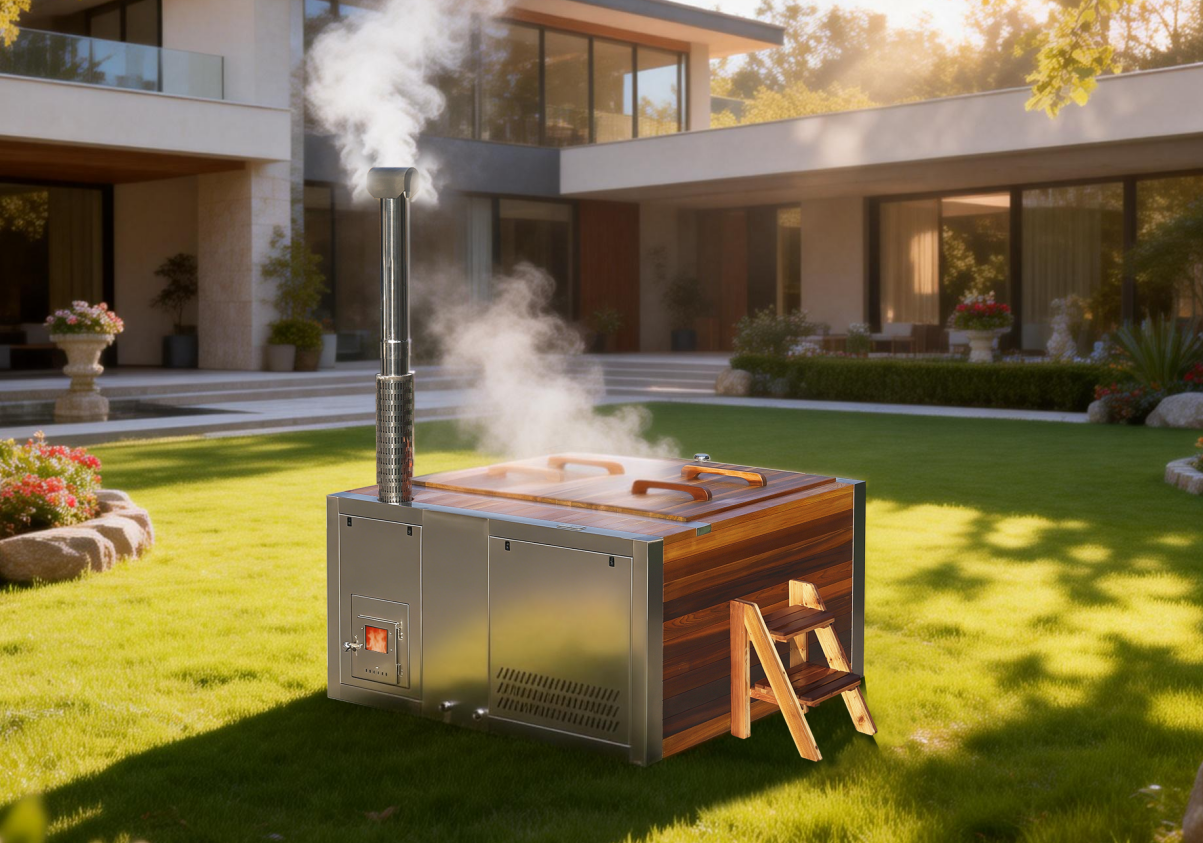
The VAPASAUNA HT021 Hybrid Hot Tub offers a smarter way to enjoy family wellness outdoors, combining the soothing comfort of warm water with a practical design made for everyday use. Its hybrid concept supports a more flexible experience, allowing families to create a relaxing outdoor retreat without turning wellness time into a complicated routine. Whether used after a busy day, during a quiet weekend, or as part of a family gathering, the hot tub provides a welcoming space to slow down and reconnect.
Designed with shared comfort in mind, it can become a natural centerpiece for gardens, patios, and other outdoor areas. Adults can unwind while children enjoy quality time nearby under proper supervision, helping the whole family build healthier relaxation habits together. The warm-water environment may also help ease everyday tension and encourage restful moments, while the outdoor setting adds fresh air and a stronger connection with nature. With thoughtful preparation, regular care, and responsible use, this hybrid hot tub brings convenience, comfort, and family-friendly wellness into one enjoyable outdoor experience.
Start with the people who will use it most often. A compact two-person tub may suit a small patio. Four to six seats offer more room, but require more water, energy, and cleaning. More seats are not always better.
Measure the tub area, steps, cover space, and maintenance access. Check gates, paths, corners, and uneven ground. A narrow entrance can create expensive delivery problems. Leave enough room to open the cover safely.
A filled tub can weigh several hundred kilograms. A qualified installer should inspect the base before delivery. The surface must remain stable and level. Do not rely on appearance alone.
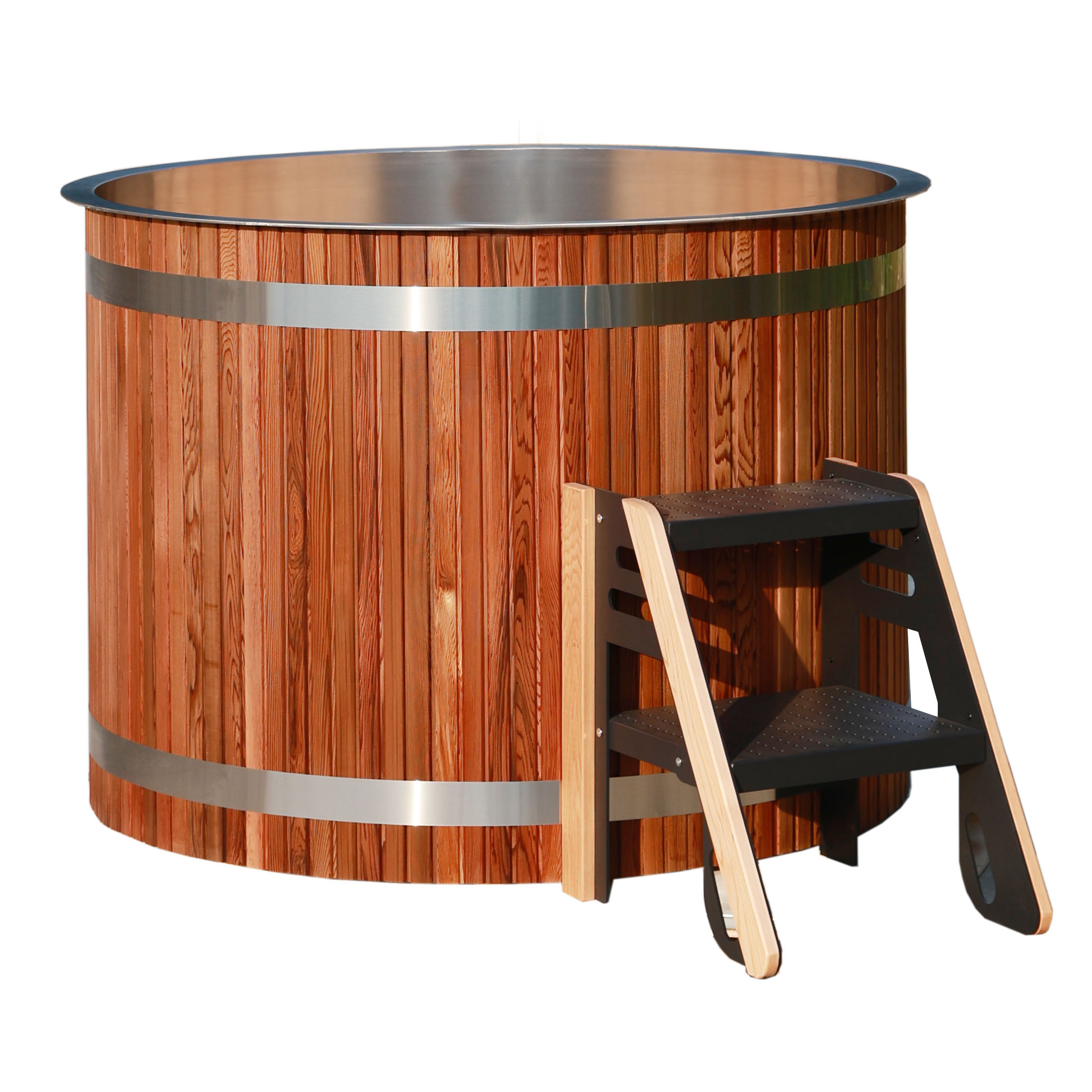
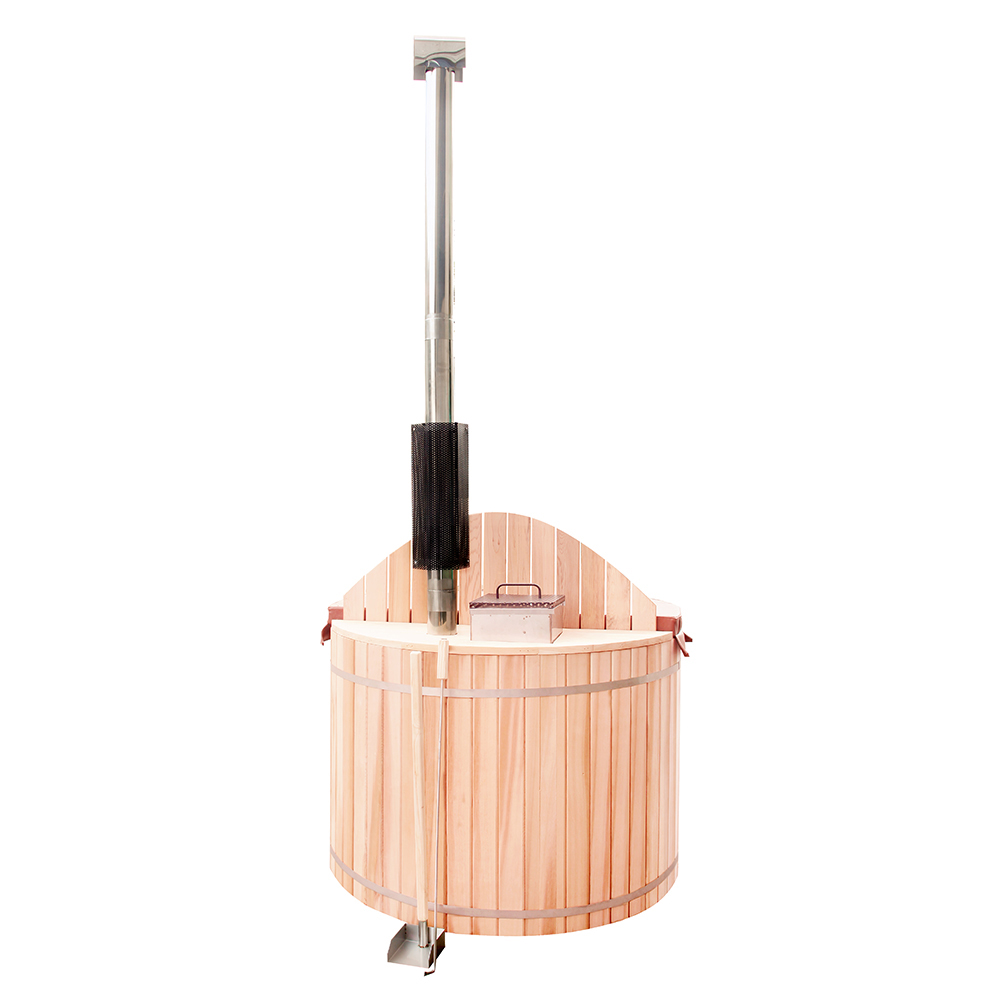
Acrylic tubs often provide molded seats and simple shell cleaning. Wooden tubs create a natural outdoor feeling. They may need closer attention to drainage, sealing, and water treatment. Inflatable tubs are easier to move, but support and insulation can vary.
Budget for electricity, filters, covers, water testing, cleaning supplies, and repairs. Professional electrical work may add another expense. I might underestimate monthly costs if I count electricity only. Small costs accumulate.
Weather, water temperature, insulation, and cover quality all affect energy use. Ask for clear operating information instead of trusting broad savings claims. A well-fitted cover helps retain heat when the tub is unused. Actual costs may differ at home.
Test water balance regularly and keep a written schedule. Clean the filter and wipe the shell as needed. Replace water according to care instructions. Small tasks are easy to forget.
Use a lockable cover when the tub is not in use. Supervise children and visitors near the water. Place non-slip flooring beside the entrance. Keep electrical connections dry. Store chemicals securely, follow labels, and never mix products.
Stop using the tub until you identify the cause. Check the water condition, filter, and equipment instructions. Contact a qualified professional when electrical or mechanical problems seem possible. Do not guess.
A Hot Tub can turn an ordinary home space into a convenient place for relaxation, recovery, and personal wellness. By combining warm water, comfortable seating, and soothing jets, it may help reduce everyday tension, support restful routines, and create opportunities to spend quality time with family or friends. Unlike occasional visits to a spa, a home hot tub offers flexible access whenever it fits your schedule.
Choosing the right model requires considering household needs, available space, seating capacity, and whether an indoor or outdoor installation is more practical. Buyers should also review foundation requirements, electrical and water connections, operating costs, cleaning routines, and essential safety features. Compared with options such as bathtubs, saunas, or relaxation rooms, a hot tub provides a distinctive combination of hydrotherapy and social comfort, but it requires regular maintenance and responsible use. Careful planning helps ensure the investment remains enjoyable, efficient, and suitable for the home.