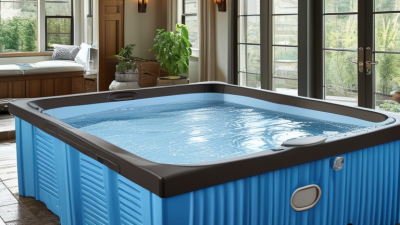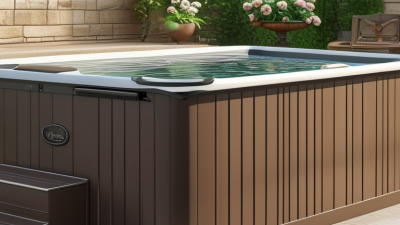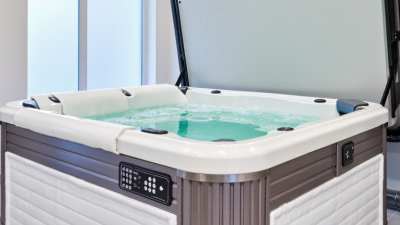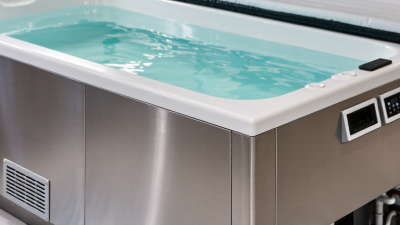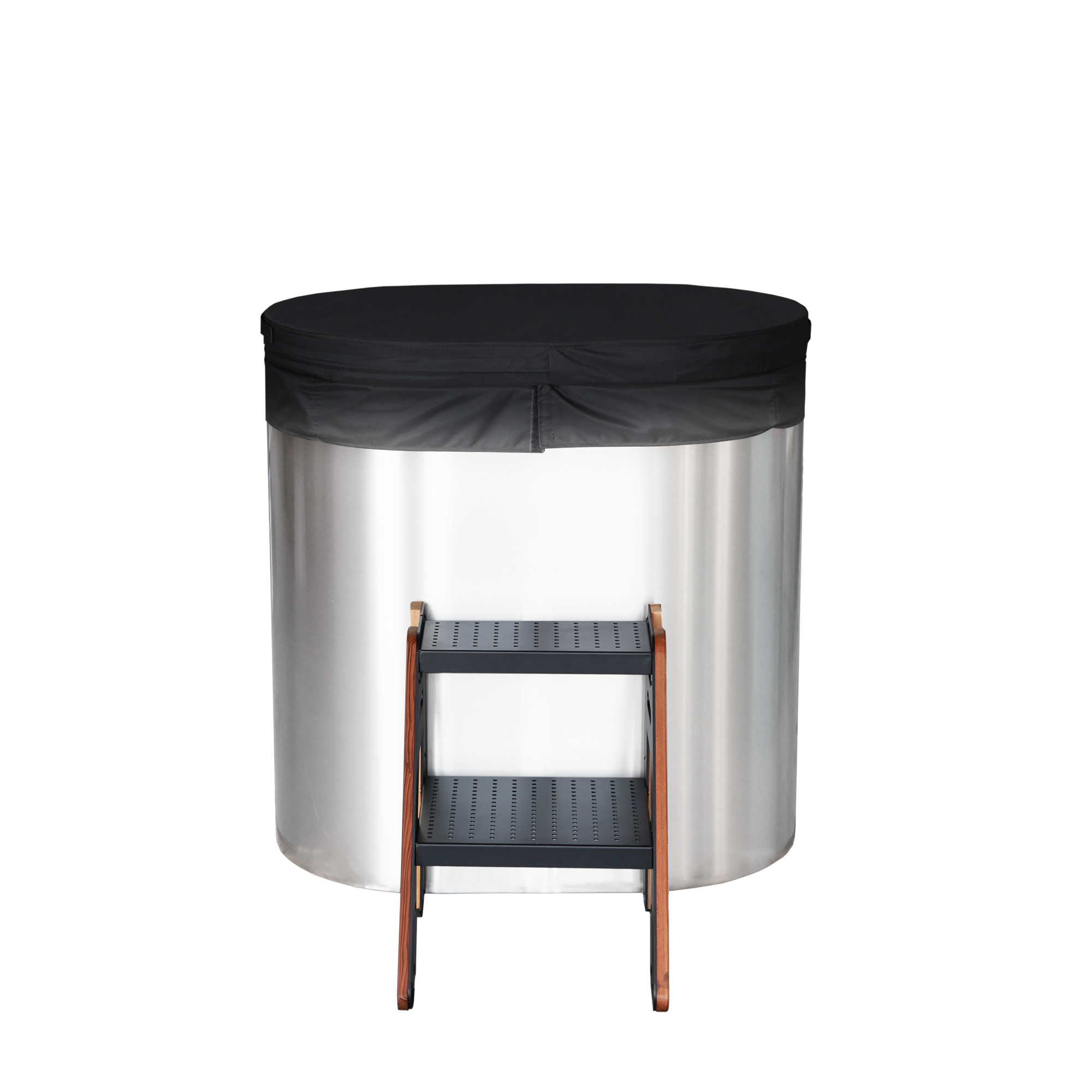
A Luxury Cold Plunge isn’t just a shiny basin placed next to a sauna — there’s actually a lot more to it. How you lay out the space impacts everything from circulation and drainage to electrical setup, user comfort, and maintenance down the line. That’s exactly why the Luxury Cold Plunge Tub Design Guide really matters. It helps turn those cool ideas into solid decisions you can feel good about before starting construction. Things like a quiet pump room, non-slip steps, and easy access for servicing often matter way more than flashy finishes. Sometimes, it’s the little details that count the most.
In this intro to Cold Plunge Design 2025, we look at how smart, thoughtful design can help create a safer, more relaxing routine. We’re talking about everything from the size of the tub, how water gets filtered, insulation, ventilation, lighting, and even how the plunge fits into its surrounding space. Material choices are also important — whether it’s sealed natural stone or corrosion-resistant fittings for those areas with constant water exposure. But keep in mind, performance is key. A beautiful tub that’s a pain to clean isn’t worth it, and a high-powered chiller is pretty useless if airflow, noise levels, or drainage weren’t carefully considered from the start.
The guide leans on manufacturer specs, best practices for installation, and real-world maintenance tips. It doesn’t claim there’s one perfect layout for everyone — because every property, climate, budget, and routine is different. Some suggestions might need tweaking after you check out your space or chat with a professional. And that’s actually a good thing — it leaves room for flexibility while still respecting local building codes and your personal needs. Think of this as a handy framework: use it to compare options, question those shiny claims, and design a luxury plunge spot that looks great and works smoothly for years to come.
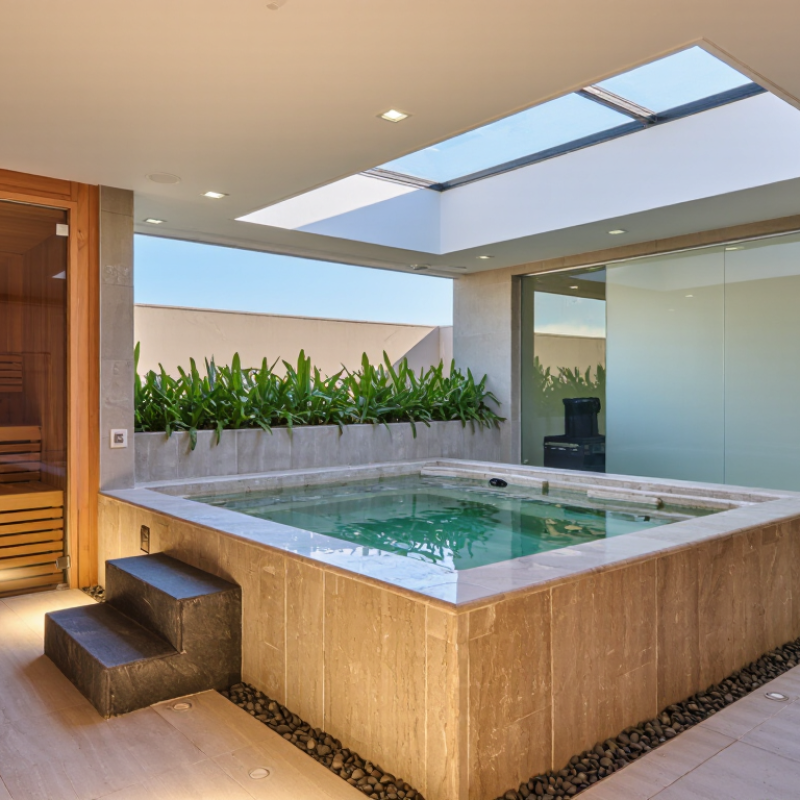
A luxury cold plunge tub combines refined appearance with dependable daily performance. Its design should feel calm, solid, and deliberate. Clean lines matter, but they are only the beginning. Durable insulation, stable water circulation, quiet operation, and precise temperature controls create a more trustworthy experience. A well-designed tub should also provide comfortable entry points, rounded edges, and a secure, non-slip surface. These details become noticeable during real use, especially when the room is dim or the floor is wet. Materials should resist moisture, staining, and repeated cleaning without looking tired.
Tips: Check the drainage route before installation. Leave enough space for maintenance access. Choose a clear temperature display. Test the lid with one hand. Pairing the tub with a New Design Sauna may create a cohesive wellness area, but the layout must still allow safe movement. Avoid choosing features only because they look impressive in photographs.
Luxury is not simply polished metal and soft lighting. It is thoughtful function. A quiet pump can feel more premium than decorative lighting. An easy-to-clean interior may matter more than an elaborate finish. I would also question oversized controls or complicated digital systems; they can introduce unnecessary frustration. Small imperfections remain possible. Condensation, water marks, and maintenance needs do not disappear with a higher price. A credible design guide should acknowledge these realities and explain how construction, access, and upkeep influence long-term value.
A luxury cold plunge tub is not defined by polished stone or dramatic lighting. Its design directly affects how consistently the system performs. A well-insulated shell helps reduce heat exchange with the surrounding room. A tightly fitted cover matters too. Even a small gap can increase the cooling workload and create condensation around the tub.
Water movement deserves close attention. Strategically placed inlets can reduce stagnant corners and distribute cooled water more evenly. An accessible filter chamber makes routine cleaning less frustrating. It should open without forcing users to move the entire tub. Clear controls also improve reliability. The temperature display should be readable beside the water, not hidden behind decorative panels. Quiet operation is valuable, but silence alone does not prove quality.
Small details shape the experience. A stable entry step, textured flooring, and secure handholds can make wet surfaces easier to manage. Rounded edges feel more considered than sharp corners. Drainage should be practical, with no shallow area where water remains after cleaning. Electrical components require suitable protection and professional installation.
Appearance can mislead. I have seen elegant designs that leave too little room for maintenance. That is a costly flaw. Before choosing a tub, inspect the service access, insulation details, circulation layout, and cleaning process. A luxury design should look refined, but it should also reveal thoughtful engineering when the panels come off.
A luxury cold plunge tub should be judged by its materials, not only its polished appearance. Marine-grade stainless steel resists corrosion and tolerates frequent cleaning. A durable composite shell can also work well when its surface stays non-porous and easy to inspect. Small details matter. Look for closed-cell insulation around the basin and plumbing. It helps reduce heat exchange and protects components from condensation.
Long-term use depends on serviceable features. A replaceable filter, accessible drain, and removable side panel can prevent minor problems from becoming expensive repairs. Temperature controls should be simple, readable, and protected from splashes. A secure, UV-resistant cover keeps debris away when the tub is unused. Electrical components require professional installation and compliance with local safety requirements. These choices matter even more beside an Indoor Sauna Design, where heat and moisture may change the room’s conditions.
Not all luxury lasts. A flawless finish can hide weak seals, awkward drainage, or difficult filter access. I would inspect the underside before buying, although many showrooms make that difficult. Ask how often seals need checking and whether replacement parts remain available. A slightly less decorative tub may serve better if technicians can reach its pump without dismantling the enclosure. Water quality also needs regular monitoring, rather than blind reliance on automated systems. A thoughtful design accepts maintenance as part of ownership, not as an embarrassing flaw.
Choosing the right luxury cold plunge tub begins with accurate measurements, not attractive photographs. Measure the installation area, doorway, pathway, and turning points before ordering. Leave enough room to remove the cover and reach service panels comfortably. A tight corner may look elegant, but maintenance becomes frustrating.
Consider the ground beneath the tub. A level, load-bearing surface helps distribute its filled weight safely. Concrete, reinforced decking, or another professionally assessed base may be suitable. Confirm drainage routes before installation, especially near walls, planting beds, or electrical equipment. Water should not collect around the tub after cleaning or emptying.
Placement also affects daily use. Morning shade can reduce glare, while some wind protection may make cold-water sessions more practical. Avoid placing the tub beneath messy trees or beside frequently used doors. Privacy matters, but total seclusion can reduce visibility and supervision. A simple screen may work better than a permanent enclosure. Transform your outdoor space with the VAPA HT010 Supreme Hot Tub. Experience luxury through thoughtful placement, not size alone.
Check local electrical and building requirements with qualified professionals. Follow the installation manual for clearance, drainage, and power specifications. I would also test the route with a cardboard outline first. It feels excessive. It can reveal a serious mistake early. When choosing between two sizes, remember that larger capacity usually demands more space, stronger support, and greater upkeep. Bigger is not automatically better.
A luxury cold plunge tub design guide should treat safety as a visible design feature, not an afterthought. The entry should have wide, stable steps, a secure handrail, and a slip-resistant floor. Rounded edges reduce the chance of painful impacts. Keep the surrounding deck clear and dry. A fitted cover can limit debris, prevent accidental access, and reduce evaporation when the tub is not in use.
Temperature controls need clear readings and simple adjustment. Users should never guess the water temperature. A visible emergency stop, reliable drainage, and professionally protected electrical connections are essential. Installation should follow local requirements and the equipment manufacturer’s instructions. Never use the plunge alone, especially during the first few sessions. Leave immediately if you feel faint, numb, confused, or unusually uncomfortable. Individual tolerance differs, and polished design cannot remove that risk.
Hygiene requires more than clear-looking water. Provide a smooth, non-porous interior that is easy to inspect and clean. Use suitable filtration and sanitation products according to their instructions. Test the water on a regular schedule, remove debris promptly, and drain and clean the tub as recommended for its usage level. Users should shower before entering and avoid bringing lotions, food, or outdoor dirt into the water. Even luxury hot tub suppliers may overlook the small details, such as a difficult-to-clean drain cover. That is worth reconsidering. A beautiful tub should make safe habits easier, not hide maintenance problems.
| Design Element | Recommended Specification or Data Target | Safety or Hygiene Function | Verification or Maintenance Frequency | Priority |
|---|---|---|---|---|
| Water Temperature Control | Adjustable operating range of approximately 10–15°C (50–59°F), with a clearly visible digital temperature display. | Supports controlled exposure and helps prevent unexpectedly cold water conditions. Users should select a temperature appropriate to their experience and health status. | Check the displayed temperature before every use; verify the sensor against a calibrated thermometer at scheduled service intervals. | Essential |
| Emergency Access and User Supervision | Provide an unobstructed exit, stable handholds, and sufficient clearance around the tub. Avoid designs that require a user to climb over a high wall. | Reduces the risk of delayed exit, slips, panic, and cold-related distress. Users should never use the tub alone. | Inspect the access route, handholds, and surrounding area before each session. | Essential |
| Non-Slip Surfaces | Use slip-resistant flooring on the tub entry area, steps, deck, and drainage path. Keep surfaces free of standing water, algae, oils, and loose mats. | Helps reduce slips and falls during entry and exit, when wet skin and cold exposure can affect balance. | Visual inspection before use; deep-clean and inspect for surface wear at least weekly or according to use intensity. | Essential |
| Rounded Edges and Ergonomic Seating | Use rounded internal corners, smooth contact surfaces, supportive seating, and a comfortable water depth that allows stable posture. | Reduces impact injuries and helps users maintain a controlled position without unnecessary strain. | Inspect the shell, seat, and fittings monthly and after any impact or modification. | High |
| Electrical Protection | Use a qualified electrician, residual-current or ground-fault protection, suitable outdoor-rated equipment, proper grounding, and installation compliant with local electrical codes. | Water and electricity create a severe shock hazard. Protective devices must be tested and installed according to the applicable jurisdiction. | Test protective devices according to local requirements and the equipment instructions; stop use if cords, outlets, or enclosures are damaged. | Essential |
| Water Filtration | Provide a serviceable mechanical filter sized for the tub volume and circulation system. Include an accessible filter housing and pressure or flow indication where practical. | Removes suspended particles, skin debris, and other contaminants that can reduce water quality and sanitizer performance. | Inspect regularly; clean or replace the filter when visibly soiled, flow decreases, or the manufacturer’s service interval is reached. | Essential |
| Water Circulation and Turnover | Design for continuous or scheduled circulation with a pump and plumbing system sized to the tub volume. The actual turnover rate should follow the equipment design and applicable local requirements. | Promotes even sanitizer distribution, prevents stagnant zones, and improves temperature consistency. | Confirm normal flow daily during operation; investigate unusual noise, reduced flow, or air in the system immediately. | Essential |
| Water Chemistry Monitoring | For sanitizer-treated water, maintain pH commonly within 7.2–7.8 and maintain sanitizer residuals within the range specified by the treatment system and local guidance. | Correct pH supports sanitizer effectiveness and helps reduce skin, eye, equipment, and corrosion problems. | Test before use and at least daily when the tub is in regular service; record results and adjust only with approved chemicals. | Essential |
| Sanitizer and Disinfection System | Use a properly sized chlorine, bromine, ozone, UV, or approved combined treatment system. A supplemental system does not automatically replace the need for a sanitizer residual. | Controls microorganisms introduced by bathers and the surrounding environment. Treatment must be validated for the specific water volume and operating conditions. | Check sanitizer residual according to the system instructions; shock or supplemental disinfection should follow the treatment plan, not guesswork. | Essential |
| Pre-Use Hygiene Controls | Provide a nearby shower or clear showering instruction, and require users to remove oils, lotions, cosmetics, and visible dirt before entering. | Reduces the organic load, improves sanitizer efficiency, and helps limit buildup on the shell and filter. | Apply before every use; clean shower and contact surfaces daily during frequent operation. | High |
| Drainage and Water Replacement | Include a complete drain, an overflow route, and floor drainage that prevents water from pooling around the tub. Establish a water replacement schedule based on bather load, testing results, and treatment capacity. | Prevents overflow damage and helps control contaminant accumulation that filtration and sanitization alone may not remove. | Check drainage before installation and after cleaning; replace water when chemistry cannot be stabilized or according to the treatment plan. | Essential |
| Tub and Contact-Surface Cleaning | Use non-porous, smooth, chemical-resistant surfaces with minimal seams and accessible corners. Clean with products compatible with the shell and water-treatment system. | Limits biofilm, scale, oils, and residue on surfaces that contact users and circulating water. | Wipe high-touch areas after use; clean the interior during water changes and deep-clean according to the sanitation plan. | High |
| Cover and Insulation | Use a secure, insulated, water-resistant cover that prevents unauthorized access and limits debris entering the water. | Improves hygiene, reduces heat gain or loss, limits evaporation, and adds an important access-control layer. | Secure after every use; clean and inspect the cover weekly and replace it if it becomes waterlogged or damaged. | High |
| Ventilation and Condensation Control | For indoor installations, provide adequate ventilation, moisture control, and water-resistant finishes around the tub. | Helps prevent mold, mildew, condensation damage, and slippery surrounding surfaces. | Check for condensation and odors daily in high-use areas; service ventilation equipment according to its maintenance schedule. | High |
| User Health Screening and Warnings | Display clear instructions advising users with cardiovascular disease, uncontrolled hypertension, pregnancy, circulation disorders, or other relevant conditions to consult a healthcare professional before use. | Cold-water immersion can trigger rapid changes in breathing, heart rate, and blood pressure. Clear warnings support informed and safer use. | Keep signage visible and review it whenever operating procedures or user groups change. | Essential |
| Session-Time Guidance | Provide a timer and recommend short, controlled sessions rather than prolonged exposure. Users should exit immediately if they experience chest pain, severe dizziness, confusion, numbness, or breathing difficulty. | Reduces the risk of excessive cold exposure and helps users recognize warning symptoms promptly. | Check the timer before each use; keep emergency instructions visible near the tub. | Essential |
| Water-Quality Records | Maintain a log for temperature, pH, sanitizer residual, filter cleaning, water replacement, repairs, and unusual test results. | Creates traceability and helps identify gradual changes before they become safety or hygiene problems. | Record every test and service action; review the log weekly during regular operation. | Recommended |
A luxury cold plunge tub is not defined by price alone. It is defined by control, materials, maintenance, and how naturally it fits the room.
The Global Wellness Institute reported that the global wellness economy reached $6.3 trillion in 2023. That growth encourages better home wellness spaces, but it also creates confusing price gaps.
For a practical comparison, begin with three budget levels.
Entry luxury may use a reinforced composite shell, insulated cover, and external cooling unit.
Mid-range designs often add quieter circulation, digital temperature control, filtration, and better drainage.
Premium models may use stainless steel interiors, concealed plumbing, built-in steps, and custom finishes.
More features do not always mean better performance. Sometimes, they mean more parts to service.
McKinsey’s 2024 Future of Wellness research found that 82% of U.S. consumers consider wellness a top or important priority.
Buyers should still measure the actual setting. A narrow balcony may need a compact tub with safe access and low visual bulk. A garden installation can support deeper insulation and discreet equipment housing.
Ask for operating noise, power requirements, water-change guidance, and service access. These details matter daily.
Cold water is only one part.
From practical installation experience, covers are often underestimated. A strong cover reduces debris and helps preserve temperature between uses.
I would also question glossy finishes; they can show water marks quickly. The most expensive design may look impressive, yet a quieter, simpler model could suit your routine better.
Check the specifications carefully, and leave room for maintenance costs.
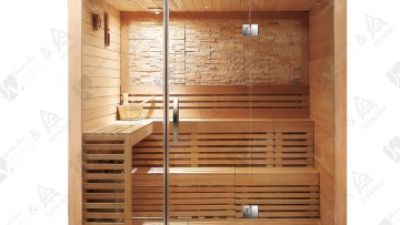
Bring the comfort of a wellness retreat into your home with a premium indoor sauna crafted from Canadian hemlock. Its naturally warm appearance, smooth texture, and pleasant wood character create a calming atmosphere that fits beautifully into a bedroom, bathroom, fitness area, or dedicated relaxation space. Designed for everyday family wellness, this home sauna offers a convenient way to enjoy personal quiet time without leaving the house.
The spacious interior provides room to relax after work, exercise, or a busy day, while the clean, modern design complements a variety of home styles. Gentle heat can help create a soothing environment for rest, mindful breathing, and post-workout recovery. With simple controls and a comfortable layout, it is easy for different family members to enjoy at their preferred pace and temperature.
Built for regular indoor use, this sauna combines practical construction with an inviting sense of luxury. The Canadian hemlock interior helps make each session feel warm and natural, turning an ordinary corner of the home into a private retreat. Whether used for a few peaceful minutes alone or shared as part of a family wellness routine, it encourages relaxation and a more balanced daily lifestyle.
Marine-grade stainless steel resists corrosion and frequent cleaning. Durable composite shells can also perform well when surfaces remain non-porous.
Look for replaceable filters, accessible drains, removable panels, and reachable pumps. Easy access can prevent small faults from becoming expensive repairs.
Measure the room, doorway, pathway, and turning points before ordering. Leave space for cover removal and service-panel access.
Use a level, load-bearing base. Concrete or professionally assessed reinforced decking may support the filled tub safely.
Choose a location with practical privacy, some wind protection, and clear drainage. Avoid messy trees and heavily used doorways.
Qualified professionals should check electrical requirements and local installation rules. Confirm drainage routes before water reaches walls, plants, or electrical equipment.
Compare materials, insulation, controls, filtration, noise, drainage, and service access. A higher price may add more parts, not better daily performance.
A secure, UV-resistant cover reduces debris and helps preserve temperature. Water quality still needs regular monitoring, even with automated systems.
Do not trust glossy photographs alone. Inspect seals, underside access, drainage, and filter replacement options before committing.
No. Larger tubs need more space, stronger support, and greater upkeep. Bigger is not always better.
A Luxury Cold Plunge Tub Design Guide explains how thoughtful design can transform cold-water immersion into a comfortable, reliable, and visually appealing wellness experience. It explores what makes a tub feel luxurious, including refined proportions, user-friendly controls, quiet operation, effective insulation, and a design that fits naturally into its surroundings. The guide also shows how construction quality influences cooling performance, energy efficiency, durability, and overall comfort.
It covers practical decisions such as selecting strong, hygienic materials, choosing the right tub size, and planning suitable indoor or outdoor placement. Important safety and hygiene elements include stable access, secure surfaces, easy drainage, water filtration, and simple cleaning routines. Finally, the guide compares luxury design options across different budgets, helping readers prioritize the features that matter most without sacrificing performance, longevity, or style.