

Stop Blindly Soaking in Ice Water: 8 Cold Plunge Mistakes to Avoid
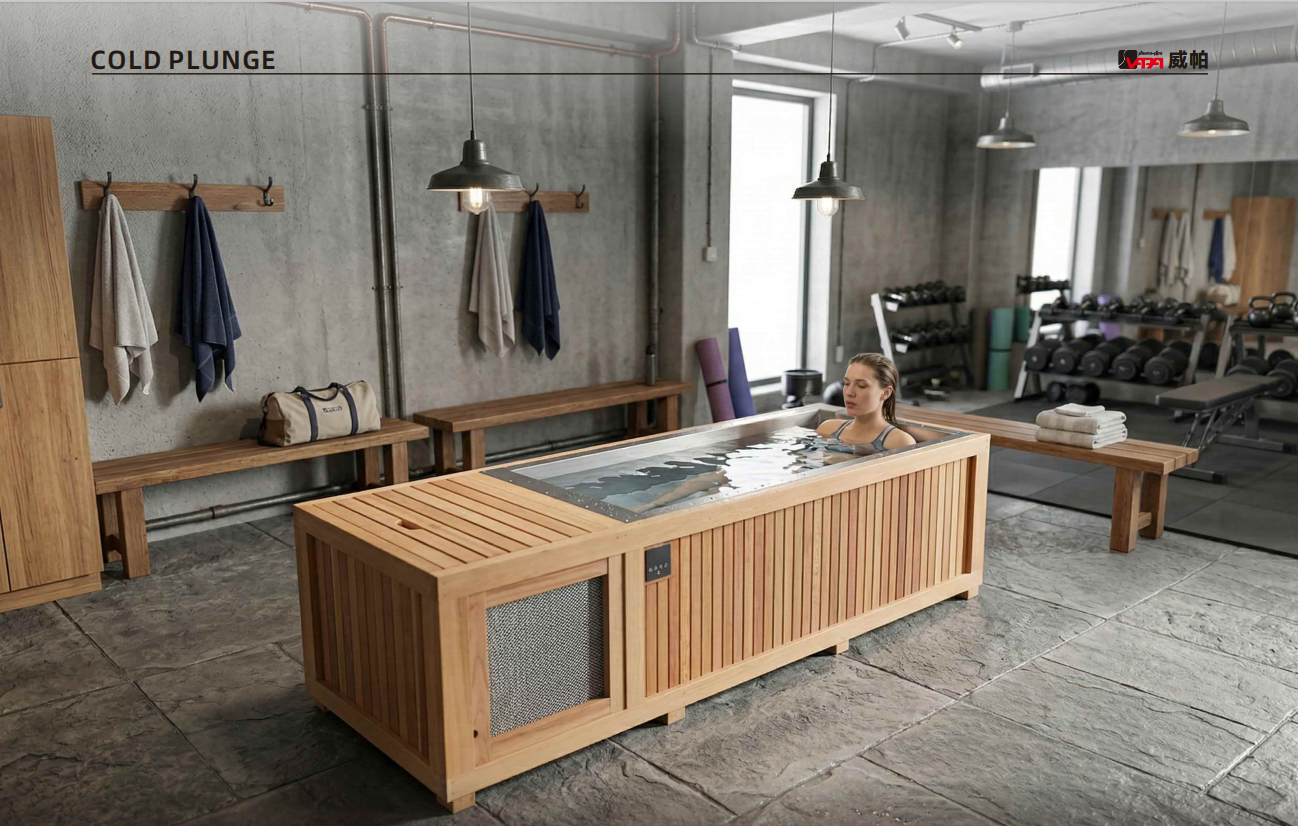
Do you think cold plunging simply means filling a tub with ice-cold water and forcing yourself to stay in it for a few minutes?
In reality, the quality of the equipment can have just as much impact on the overall experience as the water temperature itself. Poor temperature control, inconvenient drainage, difficult maintenance, excessive noise, and complicated repairs can quickly turn a promising wellness routine into a frustrating one.
Whether you are considering a Home Cold Plunge tub or planning a commercial wellness project, understanding the most common mistakes can help you choose equipment that is easier to use and maintain over the long term.
Mistake 1: Assuming Colder Water Is Always Better
One of the most common mistakes is choosing a cold plunge based only on its lowest achievable temperature.
Cold plunging should not be treated as a competition to reach the coldest possible water. Individual tolerance, experience, and intended use are different. Extremely low temperatures may also make it harder for some users to establish a consistent routine.
A thermostatic water chiller provides a more practical approach. Instead of repeatedly buying and adding large quantities of ice, the system can circulate and cool the water while maintaining a selected temperature.
What to Look For Instead:
Choose a cold plunge with adjustable temperature control and use a temperature and session duration that are appropriate for your experience level.
For more information about cold plunge equipment and configurations, see our Cold Plunge Product Range.
Mistake 2: Thinking Cold Plunges Are Only for Professional Athletes
Cold plunging is often associated with professional sports, but its applications are much broader.
Home users, fitness enthusiasts, wellness-focused households, and people creating dedicated recovery spaces may all consider cold plunge equipment as part of their routine.
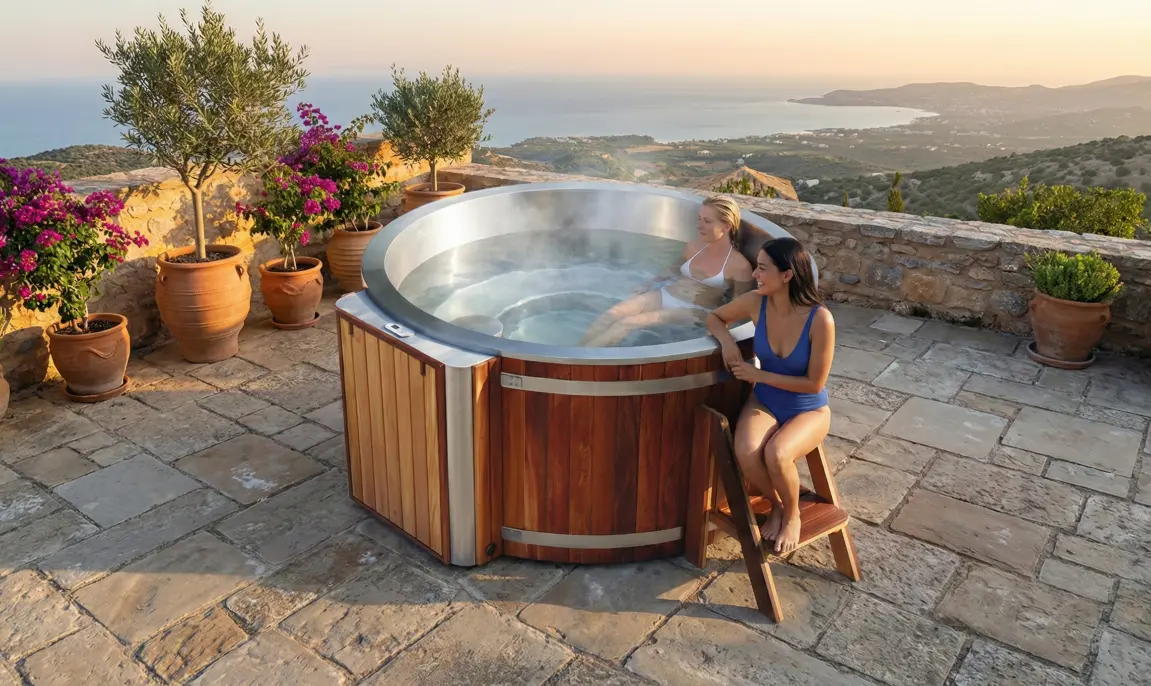
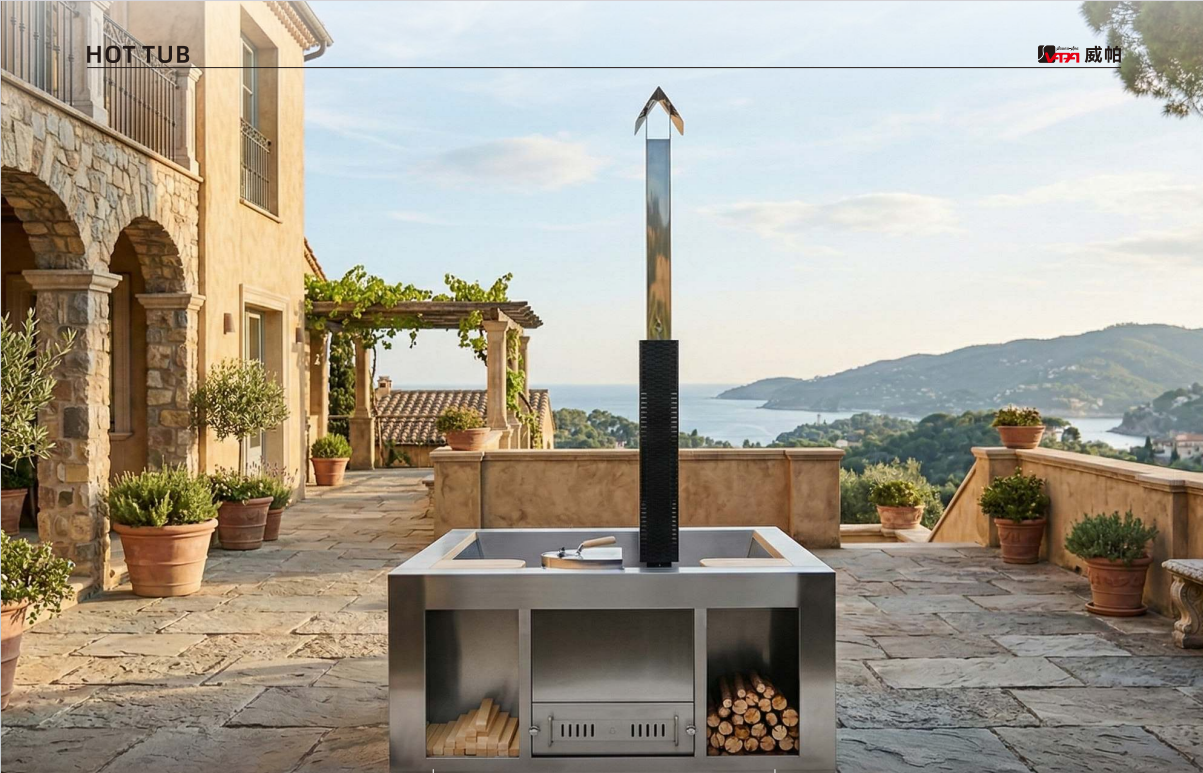
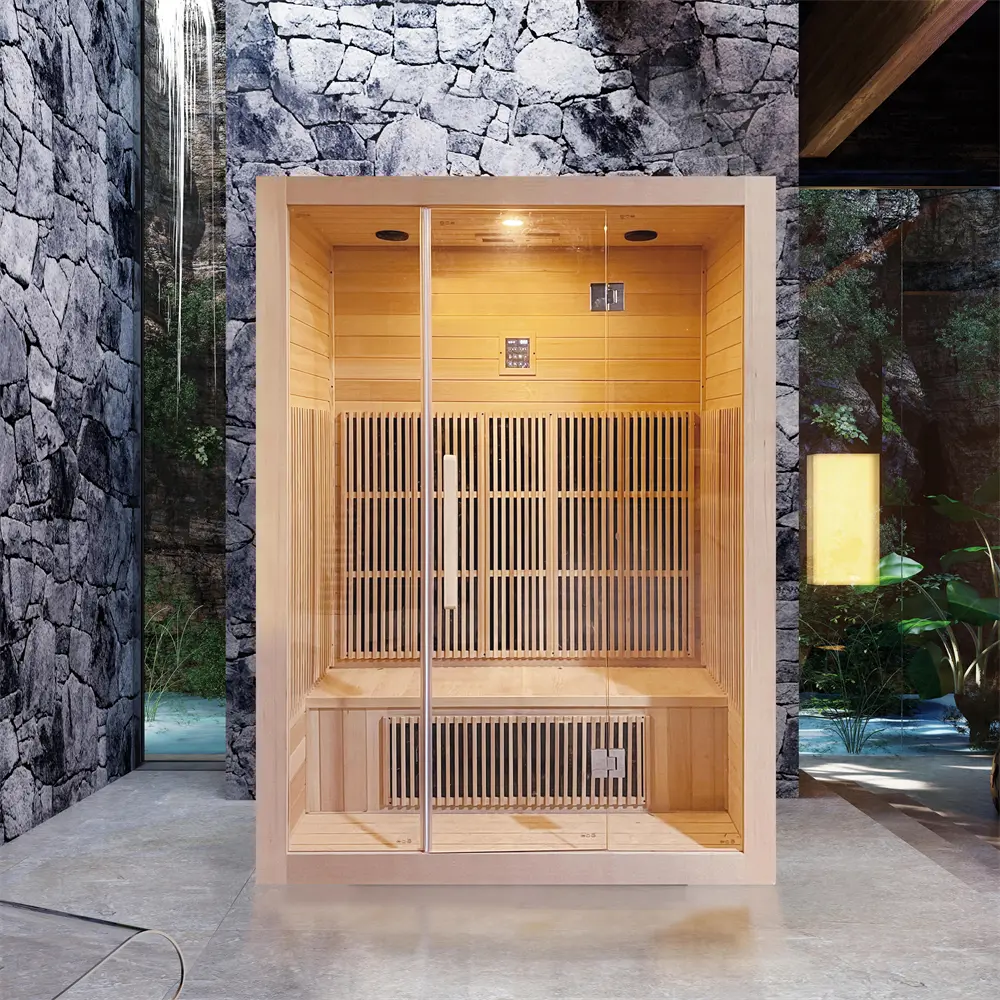
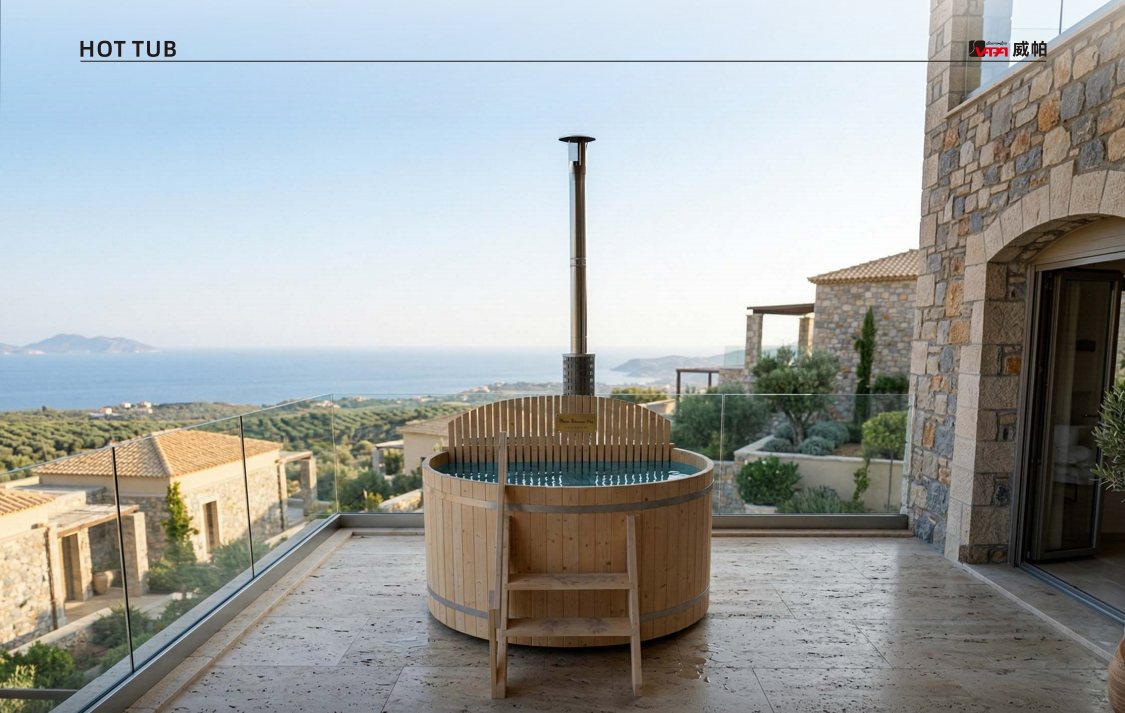
A cold plunge can also be combined with an Outdoor Sauna or hot tub to create a complete home wellness environment.
Commercial applications are equally diverse. Gyms, wellness centers, spas, hotels, resorts, and sports facilities may use cold plunge equipment as part of a broader wellness offering.
What to Look For Instead:
Select the tub size, cooling capacity, and configuration according to the number of users, available space, and expected frequency of use.
A residential cold plunge and a commercial cold plunge should not necessarily have the same configuration.
Mistake 3: Assuming Adding Ice to a Regular Tub Is Always Cheaper
Using a standard tub and adding bags of ice may seem like the cheapest way to start cold plunging.
However, the initial purchase price is only one part of the total cost.
Regular ice purchases require storage, transportation, and preparation. The final water temperature can also vary depending on the amount of ice added, the starting water temperature, and the surrounding environment.
Without circulation and filtration, frequent water replacement and cleaning may add even more work.
For users planning regular long-term use, a thermostatic cold plunge with an integrated cooling and circulation system may provide a more consistent and convenient solution.
What to Look For Instead:
Compare the total cost of ownership rather than only the initial purchase price. Consider electricity consumption, water management, maintenance requirements, replacement parts, and daily preparation time.
Mistake 4: Assuming Every Cold Plunge Is Prone to Leakage
Not every cold plunge leaks, but construction quality has a major influence on long-term reliability.
Leakage risks can be related to material quality, the number of joints, welding quality, sealing components, pipe connections, and drainage design.
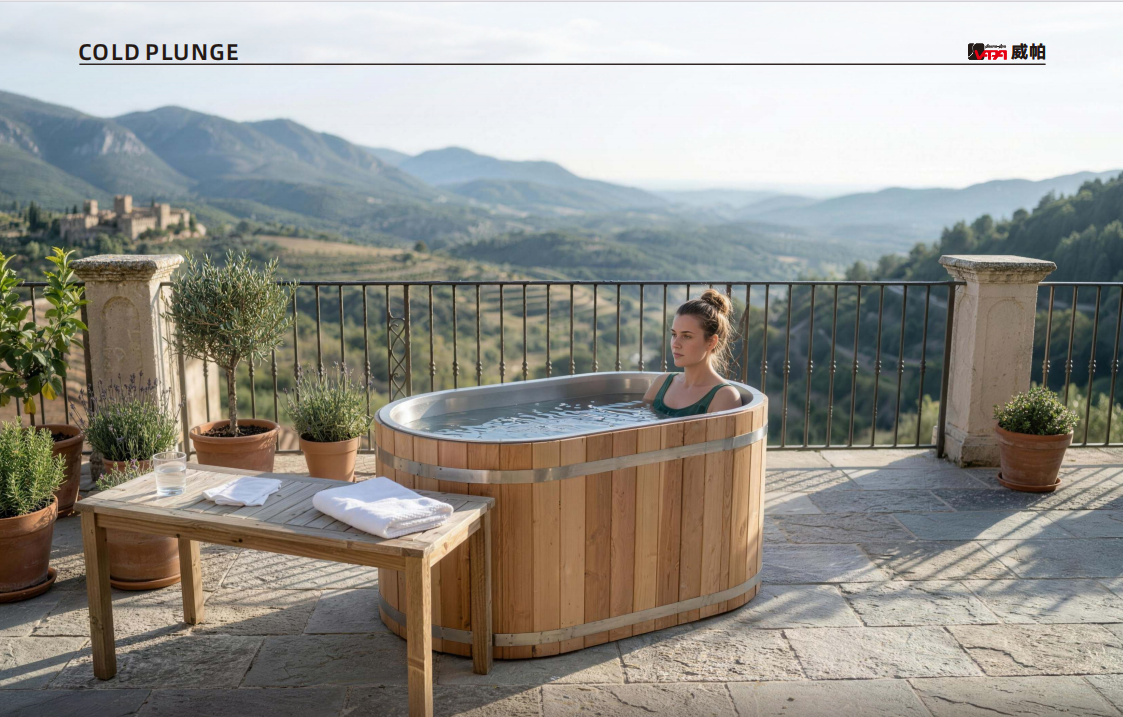
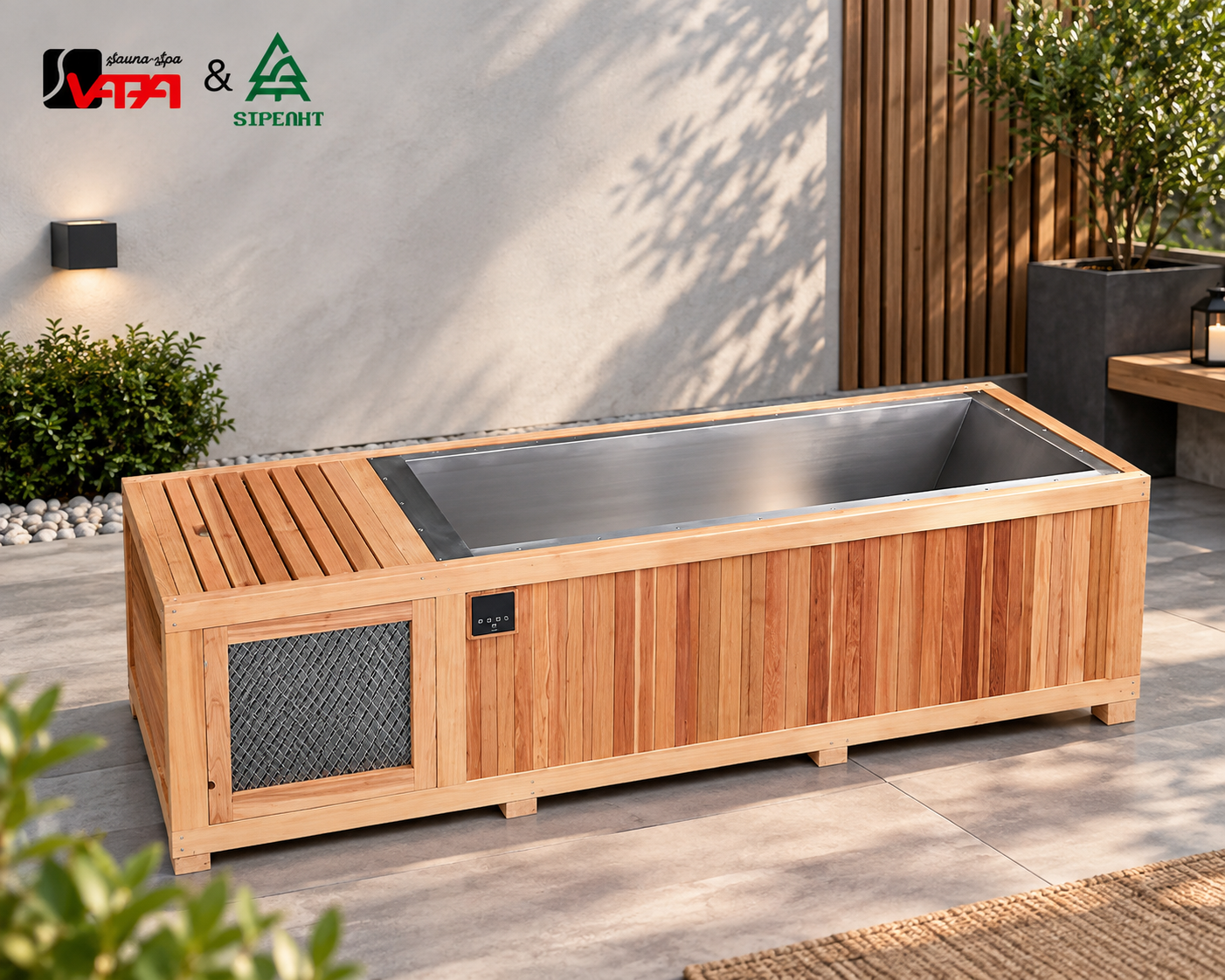
A well-constructed stainless steel liner can reduce unnecessary joints while providing a durable, corrosion-resistant, and easy-to-clean interior.
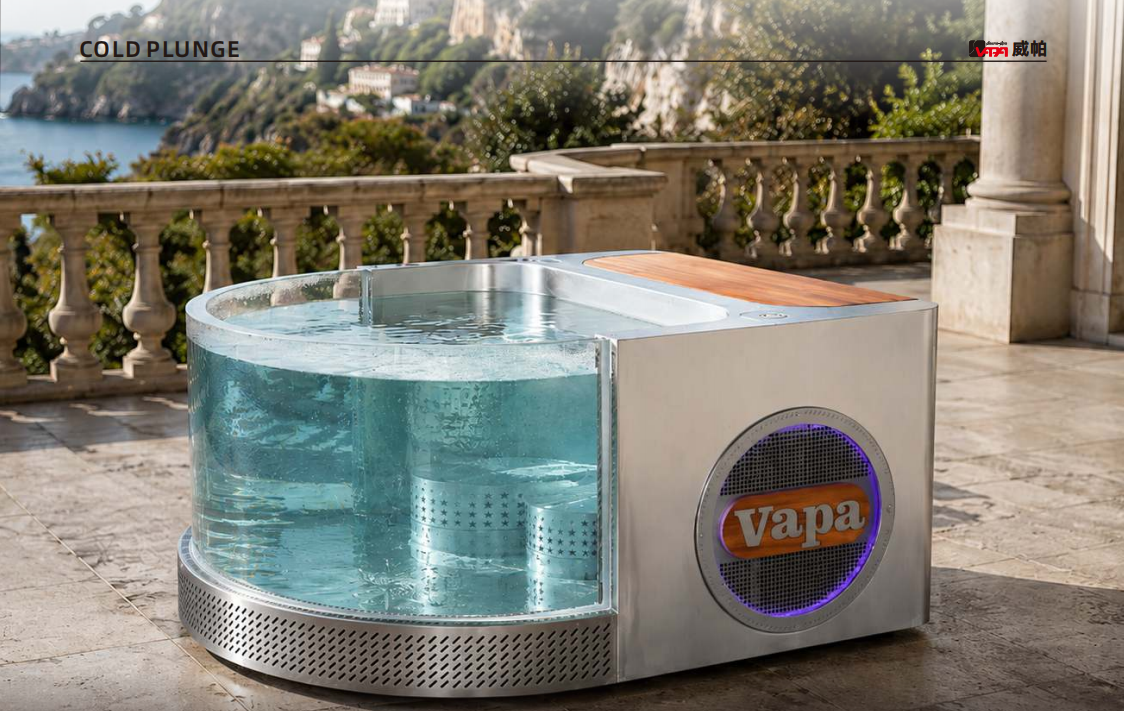
Vapasauna cold plunge designs use stainless steel construction together with outdoor-friendly materials such as red cedar on selected models, combining durability with a natural outdoor appearance.
What to Look For Instead:
Before purchasing, check the liner material, welding quality, corners, drainage connections, and pipe fittings rather than judging the tub only by its appearance.
Mistake 5: Assuming Installation Will Always Be Complicated
Another common misconception is that installing a cold plunge requires major plumbing or construction work.
Some systems do require additional assembly, pipe connections, or separate filtration components. Others are designed as more complete, pre-matched systems that simplify setup.
For residential users, simpler installation can reduce preparation time. For commercial projects, it can also shorten the time between delivery and operation.
What to Look For Instead:
Confirm exactly what is included with the equipment.
A complete package may include the water chiller, filtration system, circulation pipes, power connection components, and drainage accessories. Always check the required power supply and installation conditions before ordering.
Mistake 6: Assuming an All-in-One Design Is Always Better
Integrated cold plunges can provide a clean appearance by combining the tub, chiller, and filtration components into one unit.
However, compact integration does not automatically mean easier maintenance.
If the cooling system is difficult to access, a chiller failure may require more complicated servicing or transportation of the entire unit.
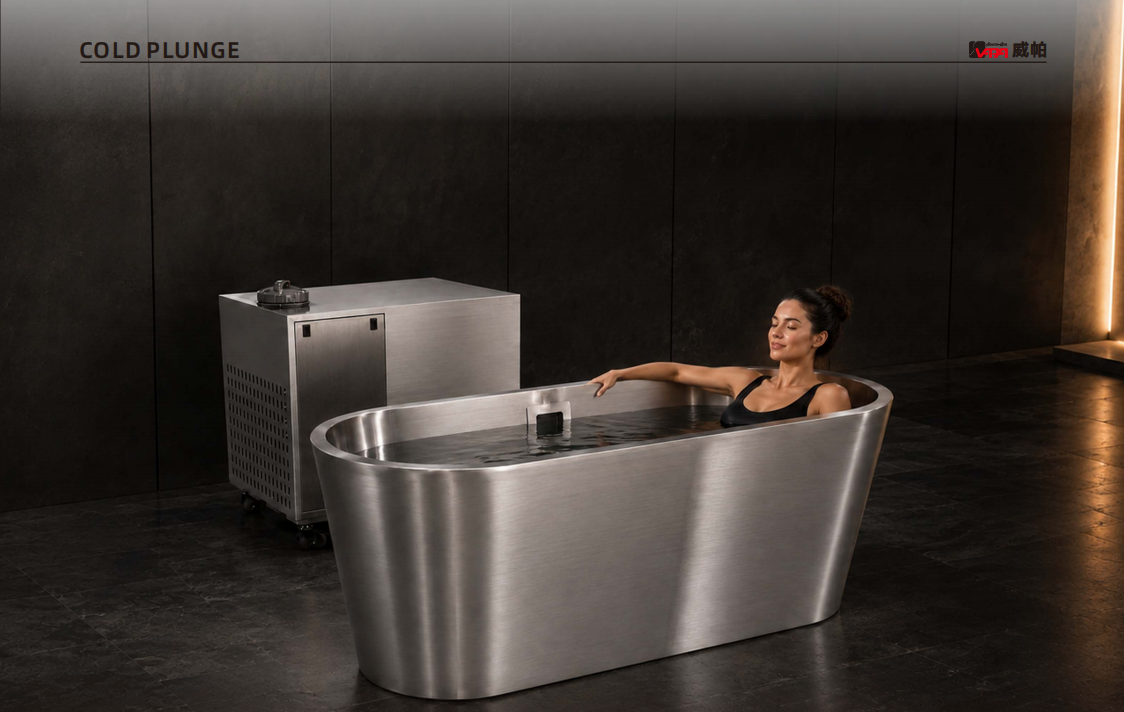
A standalone chiller separates the cooling equipment from the tub. When maintenance is required, the chiller can potentially be inspected, repaired, or replaced without moving the entire tub.
This can be particularly important for commercial facilities where equipment downtime directly affects daily operations.
What to Look For Instead:
If long-term serviceability is important, compare the cooling system structure and ask how the chiller can be accessed, repaired, and replaced.
You can also read our Cold Plunge Buying Guide for a broader comparison of maintenance-related considerations.
Mistake 7: Thinking Maintenance Only Matters After Problems Appear
Many buyers focus on the first few weeks of use and overlook what maintenance will look like months or years later.
Water replacement, filter cleaning, drainage, temperature management, and equipment servicing all become part of the ownership experience.
Poorly positioned drains may leave residual water in the bottom of the tub. Weak circulation can make filtration less effective, while inadequate insulation may cause the chiller to operate more frequently.
A well-designed system considers these factors from the beginning.
What to Look For Instead:
Before purchasing, check whether the cold plunge includes effective circulation and filtration, convenient drainage, suitable insulation, and accessible components for routine maintenance.
The easier these tasks are, the more practical the equipment becomes for regular use.
Mistake 8: Assuming a Higher Price Always Means Better Quality
Cold plunge prices vary widely, but price alone does not tell the complete story.
A low-cost model may use simpler materials or fewer accessories, while a more expensive model may include additional features, distribution costs, or brand premiums.
The better approach is to compare the actual configuration.
Look at the liner material, chiller type, temperature control, filtration system, drainage structure, insulation, included accessories, warranty, and after-sales support.
For projects purchasing multiple units, factory-direct supply can also simplify equipment matching and accessory configuration.
Vapasauna focuses on combining durable construction with practical system design, allowing buyers to evaluate the equipment based on its actual configuration rather than price alone.
What to Look For Instead:
Create a checklist before comparing suppliers and make sure you are comparing similar configurations.
What Makes a Cold Plunge Suitable for Long-Term Use?
A good cold plunge is not simply the one that reaches the lowest temperature.
For long-term use, buyers should consider:
-
Stable temperature control
-
Durable tub construction
-
Effective water circulation and filtration
-
Convenient drainage
-
Appropriate insulation
-
Accessible cooling components
-
Complete accessories
-
Reliable after-sales support
These factors influence how easy the equipment is to use, maintain, and operate over time.
Vapasauna cold plunge solutions are designed for both residential wellness spaces and commercial environments, with different configurations available for different installation and usage requirements.
How to Choose the Right Cold Plunge
Before purchasing a cold plunge, look beyond the advertised minimum temperature and headline price.
Consider how often the equipment will be used, where it will be installed, how many people will use it, how the water will be maintained, and how the cooling system can be serviced in the future.
The right cold plunge should not make cold-water therapy more complicated than it needs to be. A stable cooling system, practical water management, durable construction, and straightforward maintenance can make the difference between equipment that is occasionally used and a wellness system that becomes part of a long-term routine.
If you are looking for a cold plunge for your home, gym, hotel, spa, or wellness project, explore the Vapasauna Cold Plunge range and compare the available sizes and configurations.
Not sure which configuration is suitable for your project? Share your expected number of users, installation location, and target water temperature to determine the appropriate tub size, cooling capacity, and water management setup.