

Why Is My Hot Tub Heating So Slowly?
Common Causes, Quick Fixes, and When to Call a Professional
Waiting for a hot tub to reach the right temperature can be frustrating, especially when you are ready to relax after a long day. But slow heating does not always mean there is a problem with the heater.
Heating time depends on several factors, including heater power, water volume, starting water temperature, outdoor conditions, insulation, water circulation, and whether the cover is properly fitted.
So, how long should a hot tub take to heat up—and what should you do if yours seems unusually slow?
How Fast Should a Hot Tub Heat Up?
There is no single heating time that applies to every hot tub.
A typical Electric Hot Tub with a 4 kW heater may raise the water temperature by roughly 4°F to 6°F (2°C to 3.3°C) per hour under favorable conditions. Smaller plug-and-play models with lower-power heaters may heat more slowly.
If you are starting with a completely fresh fill, especially during cold weather, reaching a comfortable soaking temperature can take several hours or considerably longer. The actual heating time depends on the tub's size, water volume, starting temperature, heater capacity, insulation, and outdoor conditions.
For this reason, a newly filled traditional hot tub taking many hours to reach its target temperature does not necessarily indicate a malfunction.
However, if a hot tub that normally heats well suddenly begins taking much longer than usual, it is worth checking the system.
Why Is My Hot Tub Heating So Slowly?
1. The Heater Is in Economy or Low-Power Mode
Many modern hot tubs include energy-saving settings designed to reduce electricity consumption. Depending on the model, Economy, Sleep, or similar modes may limit when the heater operates or reduce heating intensity.
As a result, the water may take much longer to reach your selected temperature.
What to do:
Check your control panel for Economy, Energy Saver, Sleep, or similar settings. If you want the hot tub to heat continuously toward the selected temperature, switch to the manufacturer's recommended Standard or Ready mode.
Always follow the operating instructions for your specific model.
2. The Filter Is Dirty or Blocked
A dirty filter can restrict water circulation through the heating system.
Hot Tub Heaters rely on adequate water flow to transfer heat efficiently. When the filter becomes clogged with dirt, debris, body oils, or other contaminants, reduced water flow can affect heating performance.
In some systems, insufficient water flow can also trigger a safety protection mechanism that temporarily prevents the heater from operating.
What to do:
Remove the filter and inspect it regularly. Rinse it thoroughly with clean water and use a suitable filter-cleaning solution when deeper cleaning is needed.
If the cartridge is damaged, heavily worn, or no longer cleans properly, replace it according to the manufacturer's recommendations.
For more hot tub maintenance and troubleshooting advice, see Vapasauna's guide to common hot tub challenges and solutions.
3. Cold Weather Is Increasing Heat Loss
Outdoor temperature has a major effect on heating time.
When the surrounding air is cold, the hot tub loses heat more quickly through the water surface, shell, plumbing, and other exposed areas. Wind can increase heat loss even further.
This means that the heater may be operating normally while the water is gaining heat more slowly than expected.
What to do:
Keep the hot tub cover securely in place while the water is heating. Check that the cover fits properly and that its insulation has not become damaged or waterlogged.
During colder seasons, reducing unnecessary exposure to strong wind can also help reduce heat loss.
If you are choosing a new hot tub, insulation and heat retention are worth considering alongside heater power.
4. The Water Level Is Too Low or There Is an Airlock
Water circulation problems can also affect heating performance.
If the water level is below the manufacturer's recommended range, the circulation system may not operate correctly. An airlock in the plumbing system can create a similar problem by preventing proper water flow.
These issues can occur after draining, refilling, or performing maintenance.
What to do:
First, check that the water level is within the recommended range.
If the hot tub was recently drained or refilled and you notice weak circulation, unusual pump behavior, or heating-related error messages, an airlock may be present.
Follow the manufacturer's procedure for safely purging air from the system. If you are unsure how to do this, contact a qualified technician rather than opening electrical or mechanical components yourself.
5. The Heating Element May Be Worn or Damaged
Heating components can lose performance over time.
Mineral buildup, poor water chemistry, prolonged use, or general component wear can affect the efficiency of a heating element. In some cases, a failing heater may still produce some heat but at a significantly reduced rate.
What to do:
If the filter, water level, heating mode, cover, and circulation system all appear normal but the water is still heating unusually slowly, the heating system may require professional inspection.
A qualified technician can test the heater and associated electrical components to determine whether repair or replacement is necessary.
Don't Forget the Hot Tub Cover
One of the simplest ways to reduce heat loss is also one of the easiest to overlook.
Keep the hot tub cover securely in place whenever the tub is heating and when it is not being used.
A properly fitted insulated cover helps reduce heat loss from the water surface and can reduce the energy required to maintain the desired temperature.
If your cover is damaged, waterlogged, poorly fitted, or deteriorated, replacing it may improve heat retention.
How Can You Make a Hot Tub Heat Faster?
If your hot tub is taking longer than expected, start with these basic checks:
-
Make sure the heating mode is set correctly.
-
Keep the water level within the recommended range.
-
Clean the filter and maintain proper water circulation.
-
Keep the cover securely closed while heating.
-
Reduce unnecessary exposure to cold wind.
-
Check for error messages or signs of restricted water flow.
-
If the problem continues, have the heating system professionally inspected.
These simple checks can help distinguish normal heating time from a genuine equipment problem.
How Vapasauna Approaches Faster Heating
For users who want shorter waiting times, the heating system and overall hot tub design are important factors to consider when choosing a model.
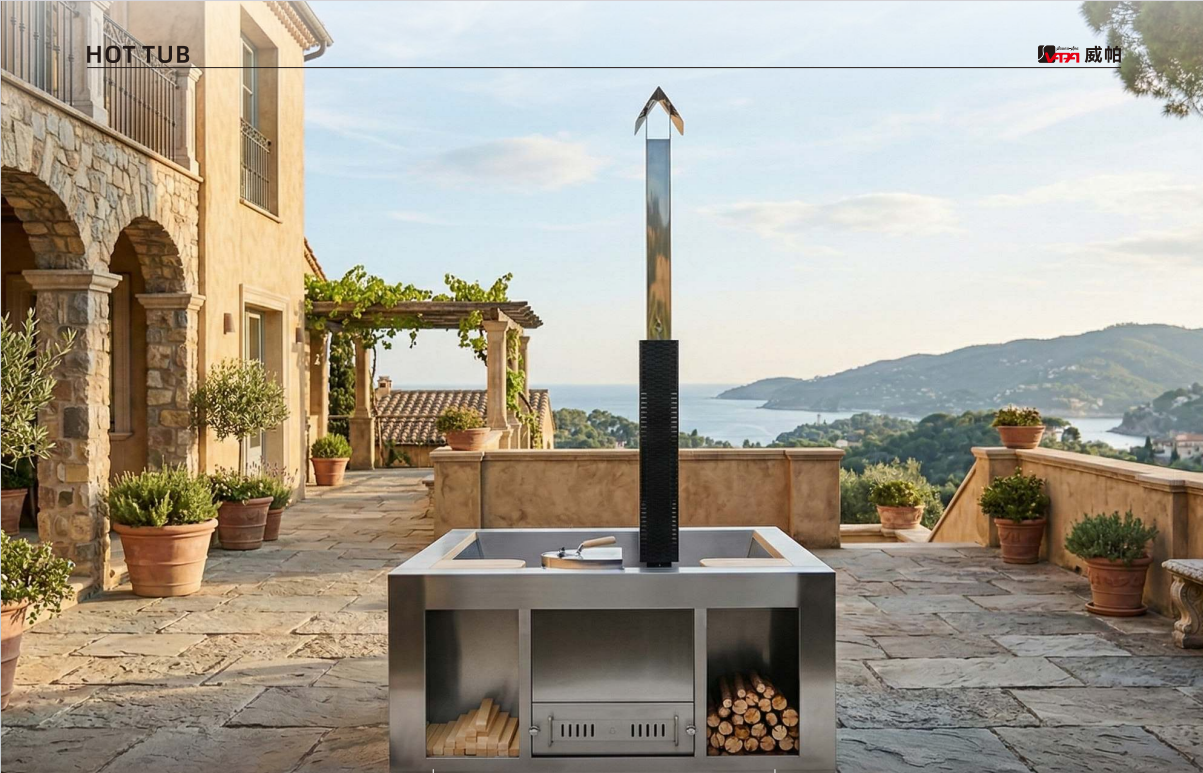
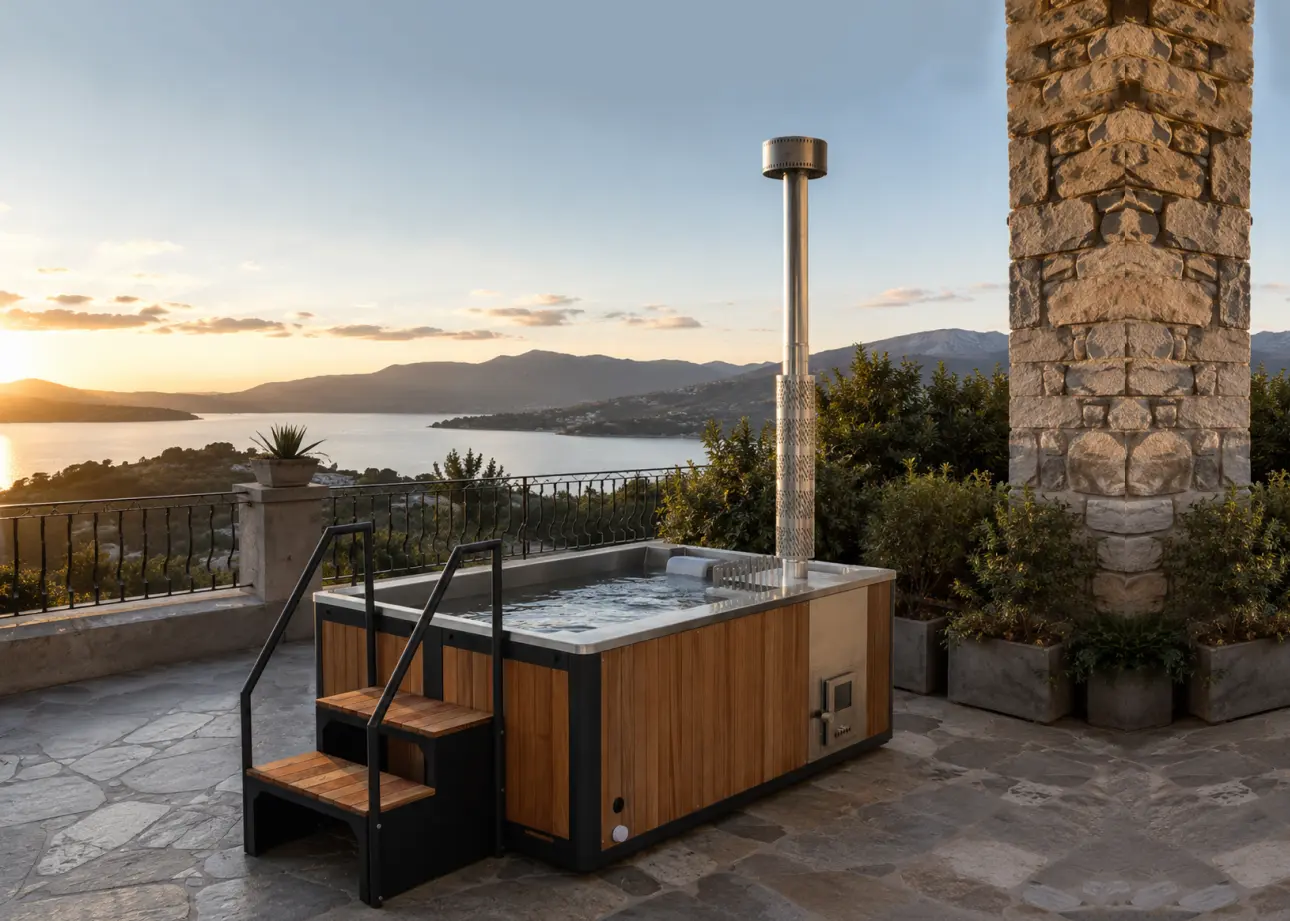
Vapasauna offers several hot tub configurations, including electric and hybrid models. Its hybrid temperature-controlled hot tubs combine wood-fired heating with electric heating, allowing the two systems to work independently or together depending on the application.
When rapid heating is required, the two heating systems can operate simultaneously. Under suitable conditions—including water volume, outdoor temperature, and starting water temperature—Vapasauna states that its hybrid system can reach a comfortable soaking temperature in approximately 40 minutes.
Once the desired temperature is reached, the wood-fired system can be turned off while the electric heating system and thermostat maintain the selected temperature.
This approach is particularly useful for users who want faster initial heating while still having convenient temperature maintenance afterward.
Vapasauna's product range also includes wood-fired hot tubs designed for rapid heating. For example, the VAPA HT009 and VAPA HT010 models list approximately 50-minute heating performance among their product features.
Actual heating time will vary according to the model, water volume, starting temperature, outdoor conditions, insulation, and operating method.
When Should You Call a Professional?
You can safely perform basic checks such as inspecting the cover, checking the water level, and cleaning the filter.
However, professional service is recommended if:
-
The hot tub still heats very slowly after basic checks.
-
The heater repeatedly trips the electrical protection.
-
Water-flow or heating error codes continue to appear.
-
The circulation system is not operating normally.
-
The hot tub recently developed a significant change in heating performance.
-
You suspect a damaged heating element, pump, control board, or electrical component.
For safety, electrical work involving the heater, control board, wiring, or other powered components should be performed by a qualified professional.
Final Thoughts
A hot tub that takes several hours to heat from a cold fill is not necessarily faulty. Heater power, water volume, starting temperature, weather, insulation, and water circulation all affect heating time.
However, if your hot tub suddenly starts heating much more slowly than it normally does, checking the heating mode, filter, water level, circulation, and cover is a good place to start.
And if fast heating is an important part of your buying decision, consider not only the heater's power, but also the hot tub's insulation, heating configuration, water circulation, and temperature-control system.
With the right combination of heating technology and design, you can spend less time waiting for warm water—and more time enjoying your hot tub.
Explore Vapasauna's hot tub collection to learn more about different heating configurations and hot tub designs.