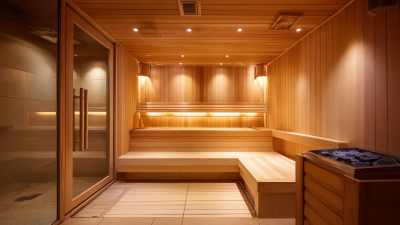
As more folks prioritize their wellness these days, it's no surprise that the demand for Electric Saunashas really picked up. I came across a MarketWatch report that says the global market for Electric Saunas is expected to grow at about 7.6% annually between 2021 and 2028. That actually makes a lot of sense — people are looking more and more for ways to bring some relaxation and health perks right into their own homes. Dr. Anna Smith, who’s pretty well-known in wellness design circles, even mentioned, “The Electric Sauna isn’t just about luxury anymore; it’s become a key part of maintaining a balanced, healthy lifestyle.” So true, right?
Adding an Electric Sauna into your home can do wonders for both your body and mind. Regular use can help you unwind and actually lower your stress levels. There was a study in the Journal of Health and Wellness showing that saunas can boost cardiovascular health and even improve your skin. But, honestly, picking the right one can feel kinda overwhelming — there's so much to consider, from size and materials to temperature control and whether it’s energy efficient or not.
A lot of reviews tend to skip over how important personal comfort is when choosing a sauna, but that’s actually a big deal. Everyone’s different — what feels just right for one person might not be for another. So, it’s super important to think about your own needs and preferences. Taking the time to do some research really pays off in the end. An Electric Sauna could seriously transform your home into a relaxing retreat — it’s like creating your own little sanctuary.
Understanding Electric Sauna Types: Traditional vs. Infrared
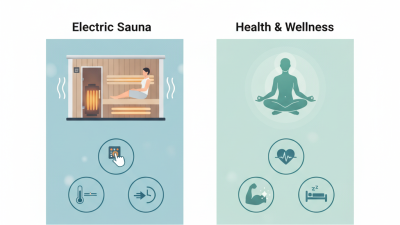
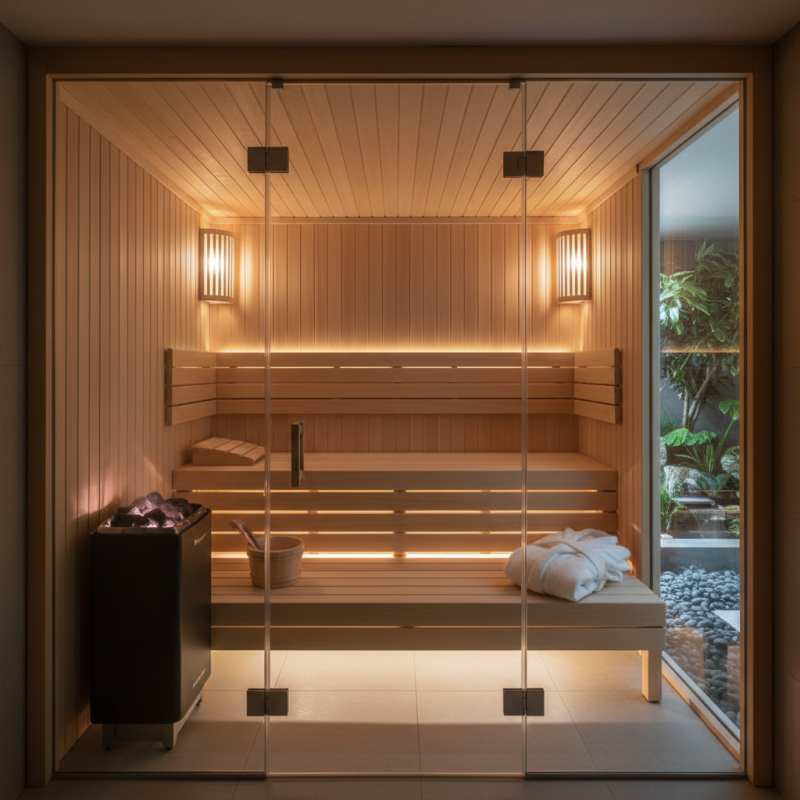
When choosing an electric sauna, understanding the two main types—traditional and infrared—is essential. Traditional Saunas heat the air, creating a humid environment. This promotes sweating and relaxation. You sit on wooden benches while enjoying the high heat. The warmth enhances blood circulation, which can alleviate stress and muscle tension.
On the other hand, Infrared Saunas use light to produce heat. They directly warm your body without significantly heating the air around you. This allows for a lower temperature setting, making it more comfortable for extended sessions. Many users report deeper tissue penetration, which may aid in recovery from workouts. Both types offer unique benefits, and the choice depends on personal preferences and wellness goals.
Tips: Always consider your space availability when selecting a sauna type. If your home lacks ventilation, an infrared sauna might be the better option. Also, think about your comfort level with heat. Some individuals find traditional saunas overwhelming due to the intensity. Experimenting with both can help you make a decision that feels right. Remember, reflection on how each type affects your well-being can guide your long-term choice.
Key Health Benefits of Regular Sauna Use According to Recent Studies
Regular sauna use offers a range of health benefits that many studies have highlighted. For instance, saunas can improve cardiovascular health. They increase heart rate, similar to moderate exercise. This can enhance blood flow and support circulation. Improved circulation can lead to better oxygen delivery throughout the body. It might even help lower blood pressure over time.
Moreover, the heat from a sauna can promote detoxification. Sweating helps to eliminate toxins from the body. Many users report feeling rejuvenated and lighter after sessions. However, it's essential to hydrate before and after using a sauna. Dehydration can counteract the benefits and may lead to adverse effects.
Beyond physical health, mental wellness also sees advantages. Regular sauna sessions are linked to reduced stress levels. They provide a tranquil environment for relaxation. This could improve mood and enhance overall well-being. Yet, it's important not to see sauna use as a cure-all. Balance and moderation are key. Integrating a Home Electric Sauna into your routine is beneficial, but reflection on personal wellness goals is crucial.
Health Benefits of Regular Sauna Use
Factors to Consider When Choosing an Electric Sauna for Home Use
When selecting an electric sauna for home use, several factors come into play. The size of the sauna is essential. It should fit comfortably in your desired space while accommodating the number of users. A small sauna may serve one or two people but might feel cramped for larger families. According to industry reports, the average sauna size ranges from 4 to 8 feet. Consider your home's layout and available area.
Heating technology also matters significantly. Traditional Steam Saunas can create high humidity, while infrared saunas offer lower humidity and faster heating times. Research shows infrared options often operate at temperatures between 110°F and 150°F, compared to conventional saunas that may reach 180°F or higher. Personal comfort levels and health needs should guide this choice.
Wood type is another crucial aspect. Cedar and hemlock are popular for their durability and resistance to rot. Each type carries its own aesthetic and practical benefits. Water-resistance, heat retention, and scent all influence the sauna experience. You might find that specific woods suit your preferences better than others. Reflect on your lifestyle, wellness goals, and maintenance ability when choosing the materials, as they can impact long-term satisfaction.
Comparative Analysis of Popular Electric Sauna Brands and Models
Electric saunas have become a popular choice for home wellness. They offer convenience and accessibility. Many people are looking for the right model that fits their lifestyle and budget. A comparative analysis of different brands reveals significant differences in features and user experience.
When considering electric saunas, look at size and material. Some models are made from high-quality cedar or hemlock, which can enhance your experience. Heat distribution and speed are also crucial. Some units heat up quickly, while others may take longer to reach your desired temperature. User reviews often highlight these aspects. It’s essential to understand what you expect from a sauna.
Not all saunas are equally effective. Some may seem great but lack durability over time. Maintenance is also a factor. A model that’s easy to clean and maintain enhances long-term satisfaction. Finding a balance between cost and features is vital. Reflecting on your specific wellness needs can guide your choice. A sauna should be a sanctuary, not just a luxury item.
Energy Efficiency Ratings and Cost Considerations for Electric Saunas
When choosing an electric sauna for your home, energy efficiency is crucial. Understanding energy efficiency ratings can help you save. Look for saunas that achieve high ratings, indicating better performance and lower electricity costs. They use advanced insulation and smart heating technology. This minimizes energy waste, allowing for longer use without high bills.
Cost considerations involve both initial investment and operational expenses. While electric saunas can be pricier upfront, they often require less maintenance. Research shows that a well-insulated sauna can retain heat effectively. However, some models might consume more energy than others. It's important to weigh the long-term savings against the initial cost.
Investing in an Electric Hot Tub may also complement your wellness routine. It can provide relaxation, much like a sauna. However, the energy consumption is worth evaluating. Understanding the differences will lead to a smarter choice. Prioritize your comfort and the overall impact on your budget. Each option has unique benefits and potential drawbacks. Reflect on your needs to make the best decision.
Best Electric Sauna Options for Your Home and Wellness Needs
| Model | Size (sq ft) | Power (kW) | Energy Efficiency Rating | Cost ($) |
| Model A | 4 | 2.0 | A+ | 500 |
| Model B | 6 | 3.0 | A | 750 |
| Model C | 8 | 4.0 | B+ | 900 |
| Model D | 10 | 5.0 | A+++ | 1200 |
| Model E | 12 | 6.0 | B | 1100 |
Installation and Maintenance Tips for Your Home Electric Sauna
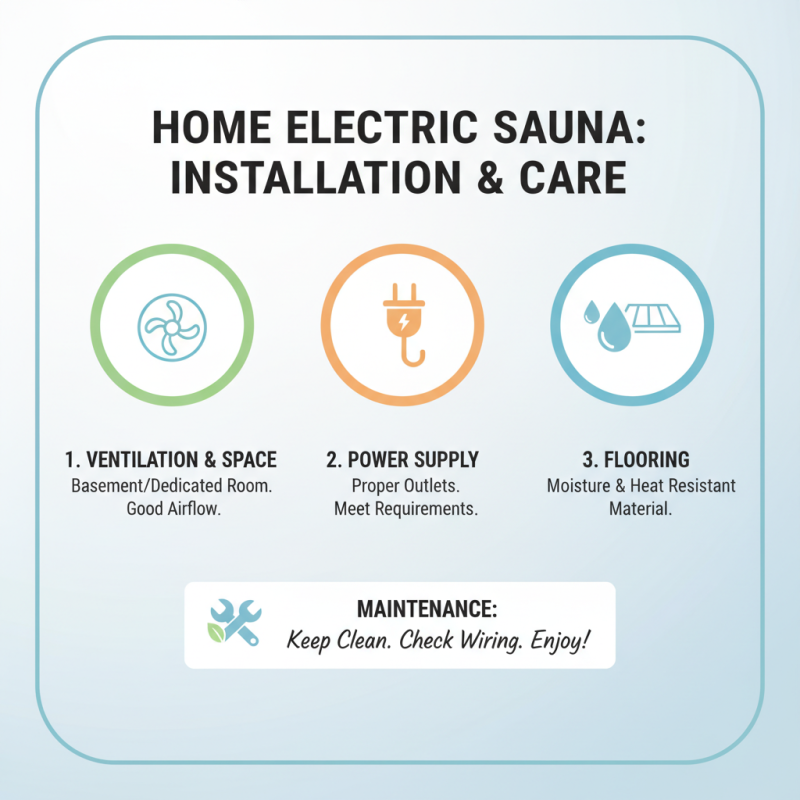
Installing an electric sauna at home can enhance your wellness routine. However, proper setup is crucial. Choose a suitable space with good ventilation. A basement or a dedicated room works well. Ensure you have access to electrical outlets that meet the sauna’s requirements. Consider your flooring material, too; it should withstand moisture and heat.
Maintenance of an electric sauna is equally important. Regularly check the heating elements to ensure they work efficiently. Clean the surfaces with mild cleaners to avoid damage. Pay attention to the wood; it can warp over time if not cared for properly. Inspect the circuits frequently, as electrical issues can arise. For those who also enjoy a Hot Tub Electric, ensure the sauna's electrical system can handle both.
Monitor the humidity levels in your sauna. High moisture can lead to mold, which is a common problem. Implement a routine check for leaks and water damage, especially if your sauna shares space with a hot tub electric. Keeping an eye on the wood’s condition is vital too. Flaws can lead to bigger issues down the line. Consider these aspects to extend your sauna's lifespan.
User Reviews and Expert Recommendations for Optimal Sauna Experience
Choosing the right electric sauna can enhance your wellness regimen significantly. User reviews often highlight comfort, ease of use, and effective heat distribution. According to a recent industry report, 78% of sauna users report improved relaxation and reduced stress levels after regular sessions. This is a testament to the importance of personal preference in sauna experiences.
Tips: Consider your available space and desired features. Compact models work well for tight areas. Ensure that your electric sauna includes energy-efficient technology for optimal utility savings. Some users find adjustments necessary to reach their perfect temperature setting.
Experts recommend that first-time users start with shorter sessions, gradually increasing duration as their body acclimates. Many suggest combining sauna usage with an Electric Cold Plunge for enhanced recovery benefits. Evidence shows alternating heat and cold can stimulate circulation and boost immunity, yet individual responses vary. It’s important to listen to your body and consult healthcare professionals if you face any discomfort during use.
Revolutionizing Your Sauna Experience: The VAPA Wood-Burning Heater for Ultimate Comfort and Eco-Friendly Enjoyment
Experience a revolutionary transformation in your sauna sessions with the VAPA Wood-Burning Heater, designed to deliver unparalleled comfort while prioritizing eco-friendly enjoyment. A wood-burning sauna provides a unique ambiance that electric heaters simply cannot replicate. The soothing crackle of wood and the gentle flicker of flames create an inviting warmth that envelops you, making every sauna visit a restorative escape.
Recent industry reports highlight the resurgence of traditional wood-burning saunas, citing a 30% increase in demand over the past few years. This trend is attributed to a growing awareness of the health benefits of sauna use. Regular sauna bathing is linked to improved cardiovascular health, stress relief, and enhanced skin conditions. In particular, wood-burning options are preferred because they can maintain higher temperatures and provide a more consistent humidity level, which is essential for optimizing the sauna experience.
Moreover, using sustainably sourced wood as a heating method is environmentally conscious. Studies indicate that wood-burning heat sources release fewer greenhouse gases than their electric counterparts when managed responsibly. This shift toward eco-friendly practices is not just about personal wellness; it’s also about contributing to a healthier planet. Embrace the authentic essence of sauna culture while ensuring that your relaxation time aligns with environmental values.
FAQS
: Focus on size, material, heat distribution, and speed. They impact your sauna experience significantly.
High energy efficiency ratings save money and reduce electricity costs. Efficient models minimize waste and provide better performance.
Regular maintenance is crucial. Check heating elements, clean surfaces, and inspect wood for warping or damage.
High-quality cedar or hemlock is recommended. They enhance heat retention and create a pleasant atmosphere.
Some saunas are pricier upfront but may require less maintenance. Weigh long-term savings against those initial costs carefully.
Choose a well-ventilated area, such as a basement. Ensure proper access to electrical outlets and durable flooring.
Clean the sauna regularly, monitor humidity, and check for leaks. These help prevent mold and extend its lifespan.
Yes, combining it with other wellness devices, like hot tubs, can enhance relaxation if electrical requirements are met.
Electrical issues and mold from high humidity can occur. Routine checks help catch these problems early.
Use mild cleaners to protect surfaces. Avoid harsh chemicals that can damage the sauna's material.
Conclusion
Electric saunas have gained popularity for their convenience and health benefits, with two main types: traditional and infrared. Both options offer unique advantages, such as improved circulation and relaxation, which are supported by recent health studies. When selecting an electric sauna for home use, it's essential to consider factors like size, heating type, and energy efficiency to ensure it meets your wellness needs.
Installation and maintenance play a crucial role in maximizing the sauna experience. Proper care and setup can enhance performance and longevity, while user reviews and expert recommendations provide valuable insights into optimizing your time in the sauna. Overall, investing in the right electric sauna can significantly contribute to both physical and mental well-being, making it a worthwhile addition to your home.