Picking out the perfect Hot Tub for your home can feel pretty overwhelming, right? I mean, did you know that according to the International Spa Association, more than 12 million households in the U.S. actually own a hot tub? That’s a ton of people enjoying those relaxing moments, which just shows how important it is to make the right choice. Sarah Thompson, an industry pro, even says, ‘Choosing the right hot tub isn’t just about comfort; it’s really about upping your overall lifestyle game.’
When you're on the hunt for a hot tub, stuff like size, features, and price definitely come into play. Prices usually range from around $3,000 all the way up to $15,000 depending on what you want. It's super important to think about what fits your space and what kind of experience you’re after. A smaller tub might save you some cash but could fall a bit short if you want to host friends or if you have a big family.
Most folks tend to focus pretty heavily on how a hot tub looks—and hey, aesthetics are fun—but don’t forget about how well it works, because that’s just as important. Turns out, nearly 30% of hot tub owners have run into problems with upkeep or repairs pretty soon after getting theirs. Spending a little extra time to dig into those details now can save you lots of headaches later. Remember, a hot tub isn’t just a quick buy; it’s something you’ll be enjoying for quite a while, so it’s gotta match your lifestyle and expectations through the long haul.
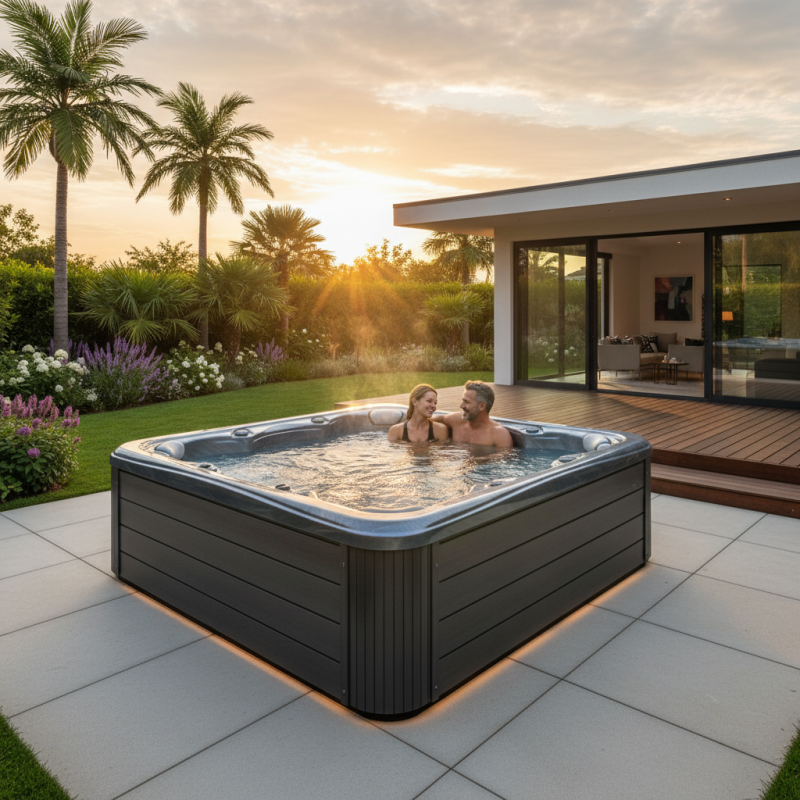
Choosing the right Hot Tub Spa for your home requires thoughtful consideration of various factors. First, consider the size. Hot tubs come in different dimensions. Measure your available space to ensure a proper fit. A hot tub that’s too large may overwhelm your area. On the other hand, a too-small spa may not accommodate your family or guests comfortably.
Next, think about the features you desire. Some hot tubs include massaging jets, lighting options, or water purification systems. Each feature adds a unique element to your relaxation experience. However, too many features can complicate usage. Simplicity can often lead to a more enjoyable experience. Maintain a balance between luxury and practicality.
Don't forget about energy efficiency. Look for hot tubs that use less energy but still provide good performance. This can save you money in the long run. Lastly, consider the maintenance involved. Some hot tubs require regular upkeep, while others are more user-friendly. Reflect on the time you can dedicate to care and choose accordingly. Balancing all these factors ensures that your hot tub choice will enhance your home life instead of being a burden.
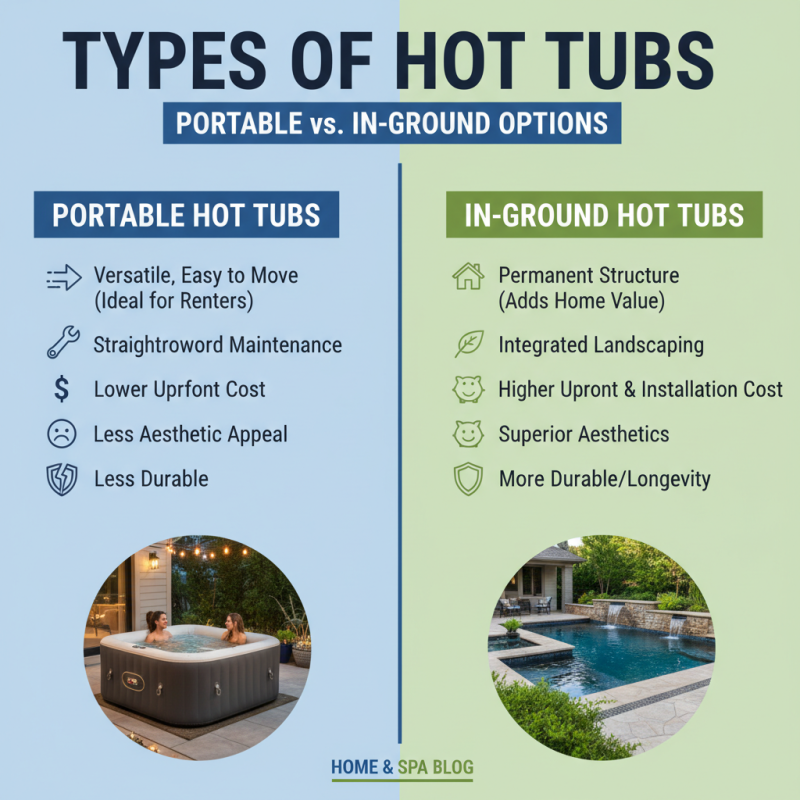
Choosing the right hot tub depends on various factors, notably whether to opt for a portable or an in-ground option. Portable hot tubs are versatile. They can be moved easily to different locations, making them ideal for renters. Maintenance is straightforward, and they often cost less upfront. However, they may not offer the same aesthetics or durability as in-ground hot tubs.
In-ground hot tubs provide a more luxurious experience. They can be customized to fit your yard and aesthetic. Installation requires more effort and investment, but the durability can be worth it. These hot tubs usually integrate well into landscapes, enhancing property value. It's essential to consider your long-term goals when choosing between these options.
**Tips:** Consider the space available at home. Measure your yard to avoid surprises. Think about who will use the hot tub. A larger family may need more space. Finally, reflect on your budget. Both types have associated costs. Therefore, plan accordingly to avoid overspending.
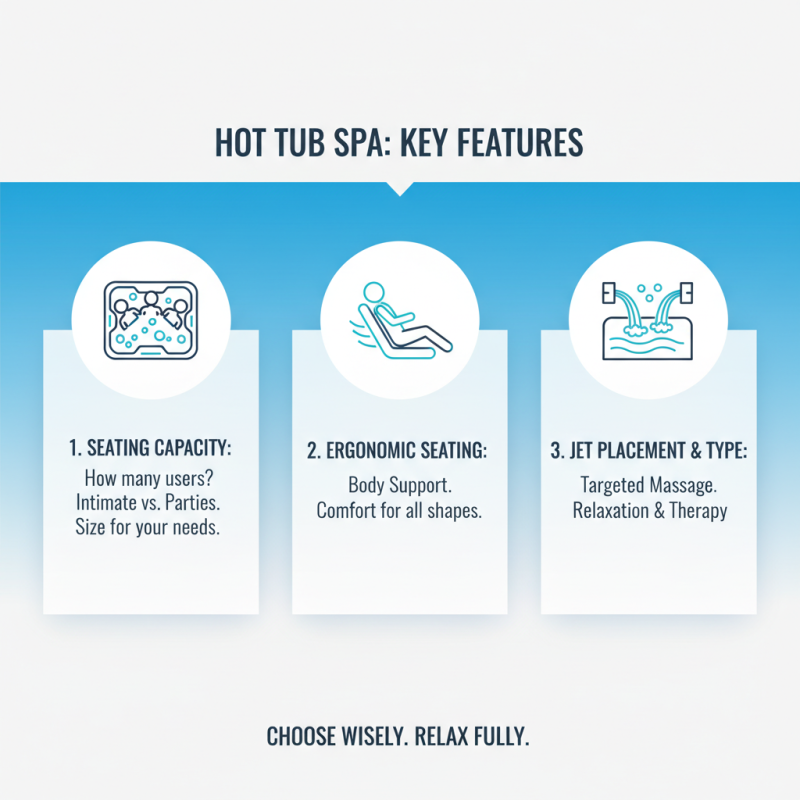
When choosing the best hot tub spa, focusing on key features is essential. One important aspect is the seating capacity. Consider how many people will usually use it. A smaller hot tub may be cozy for intimate gatherings but could feel cramped during larger parties. Look for ergonomic seating that supports various body types for a more comfortable experience.
Another critical feature is the water quality system. A good spa should have a reliable filtration system. This ensures clean water with less effort. Check for options like ozone or UV purification. They help reduce the number of chemicals needed, contributing to healthier bathing. Also, consider the insulation. High-quality insulation keeps the water warm and reduces energy costs.
Finally, examine the build materials. Hot tub wood can offer an aesthetic appeal, but durability is also key. Look for wood that is treated to withstand moisture and temperature changes. Inspect the construction for solid craftsmanship; lower-quality materials may lead to problems over time. Make sure the warranty reflects the manufacturer’s confidence in their product.
Evaluating hot tub sizes and capacity is essential for any homeowner. You must first measure your space. Consider where you want to place it. This could be on a deck, patio, or in a garden. Accurately measuring the dimensions helps avoid surprises later on.
Next, think about how many people will use the hot tub regularly. A smaller model may suffice for two people. Larger families or social gatherings require models with more capacity. Examine seating arrangements too. Some tubs offer bench seating. Others have individual seats for more privacy. Balance size with your needs.
Don't forget maintenance access. Will you need space to cover or clean the hot tub? Consider pathways and room for steps. If you have tight spaces, you may feel cramped later. It's necessary to visualize how the hot tub fits into your lifestyle. Each choice impacts your enjoyment and satisfaction. Reflect on your long-term needs to make the best choice.
When selecting a hot tub spa, energy efficiency and operating costs are essential factors. According to a report by the Australian Institute of Refrigeration, Air Conditioning and Heating, heating a hot tub can account for up to 70% of its overall energy usage. This highlights the importance of choosing models that feature effective insulation and energy-efficient pumps. A well-insulated hot tub can save owners approximately $300 annually, promoting long-term cost benefits.
Smart technology has emerged as a game-changer for energy savings. Some models allow remote monitoring and adjustments through apps. This feature helps manage energy consumption when the hot tub isn't in use. A recent study from the U.S. Department of Energy indicates that hot tubs equipped with energy-efficient features reduce operational costs by 30% compared to older models. This statistic underscores the potential savings when investing in newer technology.
Consider the importance of local climate as well. Areas with harsh winters may see increased operating costs due to heating demands. A poorly insulated hot tub may lead to increased energy expenditures, counteracting its cost-saving features. Evaluating construction materials and insulation quality is crucial. Investing wisely can lead to a Hot Tube Cedar that serves both comfort and efficiency in the long run.
Choosing the right hot tub spa involves understanding maintenance needs. Each model has distinct requirements that can influence your decision. A study by the Association of Pool & Spa Professionals highlights that neglecting maintenance leads to higher long-term costs. Regular upkeep is essential.
For entry-level hot tubs, basic maintenance might mean weekly water testing and monthly filter cleaning. These spas often require less effort. However, advanced models with hydrotherapy jets may need weekly chemical balancing and more frequent filtration. The differences can be stark. A poorly maintained spa can cause health hazards and equipment failure.
Consider the long-term commitment. A hot tub that needs extensive upkeep might deter regular use. According to Consumer Reports, owners often underestimate the effort required. Regular maintenance may include draining and refilling the spa every three to four months. Ignoring this can lead to bacteria growth and costly repairs. Being aware of these needs will help you make an informed choice.
When choosing a hot tub spa, safety features are critical. According to the American Spa Association, nearly 73% of spa-related injuries are preventable with proper safety measures. One crucial aspect is adhering to compliance standards, such as those set by the ASTM International. These standards guide manufacturers in creating hot tubs that minimize risks like electric shock and overheating.
Look for features like non-slip surfaces, built-in handrails, and safety covers. A deep, non-slip entry step can help prevent falls. Many Hot Tub Outdoor models include temperature controls to ensure water doesn’t exceed safe limits. The CDC recommends maintaining water temperatures below 104°F to avoid heat-related illnesses. Regular water balance checks also ensure safe, clean usage.
Compliance with local regulations can vary. Some regions mandate safety barriers around hot tubs to prevent accidents. This can be a significant consideration for outdoor installations. While many spas claim to meet compliance standards, it's essential to request verification. Doing so can protect you from potential hazards. Safety should always be a priority, especially when investing in a hot tub for your home.
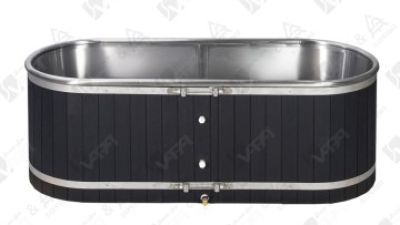
In today's fast-paced world, the importance of outdoor spaces for relaxation and well-being cannot be overstated. Modern design trends emphasize creating soothing environments that extend our living areas outdoors. This trend has paved the way for luxurious outdoor features, particularly elliptical wood and stainless Steel Hot Tubs, which not only elevate the aesthetic of a space but also promote wellness through hydrotherapy. The sleek lines and organic forms of these tubs harmonize with nature while providing a perfect retreat from daily stressors.
The appeal of hot tubs lies in their ability to foster a serene atmosphere where individuals and families can unwind and reconnect. The integration of natural materials, like wood, with durable stainless steel enhances longevity and style, marrying form and function beautifully. As more homeowners invest in their outdoor environments, the demand for these modern hot tubs grows. They serve as a focal point for outdoor gatherings and offer a personal oasis for rejuvenation, proving to be an essential addition to revitalizing outdoor spaces. Embracing trends in wellness and design, these hot tubs become not just a luxury, but a pathway to improved mental and physical health.
: Think about how many people will use it. A smaller tub is cozy but might feel cramped for larger groups.
A reliable filtration system keeps the water clean. Options like ozone or UV help reduce chemical use and improve health.
Good insulation keeps water warm and lowers energy costs. This is essential for long-term savings and enjoyment.
Choose durable materials that can handle moisture and temperature changes. Good craftsmanship ensures longevity.
Entry-level spas might need weekly water tests and monthly filter cleaning. Advanced models require more frequent upkeep.
Ignoring upkeep can lead to higher costs and health hazards. Regular maintenance prevents equipment failure and bacterial growth.
Be prepared to drain and refill your hot tub every three to four months. Regular care is crucial for safe use.
Focus on quality materials and regular maintenance. Neglect can quickly lead to costly repairs and reduced enjoyment.
Yes, lack of maintenance can increase long-term expenses. Owners often underestimate the time and effort needed.
Many underestimate the regular maintenance efforts required. This often leads to neglect and eventual issues with their spa.
When choosing the best Hot Tub Spa for your home, consider several key factors to ensure a satisfying experience. First, evaluate the types of hot tubs available—portable options offer flexibility, while in-ground options provide a more permanent installation. Think about the size and capacity that will fit your space, as well as essential features such as jets, lighting, and control systems that enhance usability.
Additionally, understanding the energy efficiency and operating costs of different models can significantly affect your long-term enjoyment. Maintenance requirements also vary, so it's crucial to select a hot tub that aligns with your lifestyle. Lastly, prioritize safety features and compliance standards to ensure a secure environment for all users. By carefully assessing these factors, you can select a Hot Tub Spa that meets your needs and enhances your home.