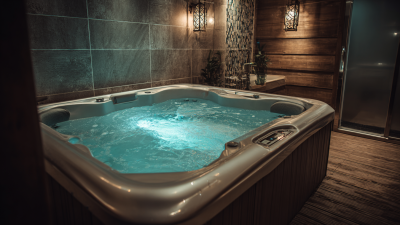
You know, the demand for hot tub products is just going up like crazy. In fact, the global market hit around $2.97 billion in 2021, and industry reports from Research and Markets suggest this growth isn’t slowing down anytime soon. More folks are investing in their relaxation and wellness, and that’s why models likeHot Tub Wood Steel Hot Tub are becoming super popular. They’re not just pretty to look at, but also pretty durable — a combo that people love.
On the flip side, navigating the whole CE certification process for wholesale products can be a real headache. Lots of companies tend to overlook some key certification standards, which can cause serious delays — I’ve seen up to 30% of manufacturers fail to get everything sorted on their first try. It’s really important to understand what’s needed both technically and legally, especially when you’re dealing with the EU market. Getting certified isn’t just about ticking boxes; it’s about making sure your product is safe and your customers are happy.
As the industry keeps evolving, so do the rules and certifications. Staying on top of the latest requirements and best practices is a must, no excuses. Many manufacturers also underestimate how important quality control really is. Skipping that step can lead to poor performance and unhappy customers, which is never good for business. So, having a solid, proactive approach to CE certification can really set your brand apart in a crowded market. Trust me, it’s worth the effort!

Understanding CE Certification: The Standard for Hot Tubs in Europe
CE certification is crucial for hot tubs in Europe. It demonstrates compliance with safety, health, and environmental regulations. Hot tubs without CE marks face barriers in the European market. In 2020, approximately 25% of hot tubs failed initial CE compliance testing, highlighting the importance of understanding these standards.
Tip: Ensure your hot tub meets the EU's low voltage directive. This covers electrical safety. Compliance minimizes risks during operation and prevents costly recalls. According to industry data, 15% of non-compliant products lead to significant financial losses.
It's essential to conduct thorough testing before applying for CE certification. Many manufacturers overlook this step, leading to increased scrutiny from authorities. A proactive approach to quality assurance can save time and resources in the long run. Regular audits and modifying production processes can significantly enhance compliance efforts.
10 Essential Tips for Wholesale CE Certification of Hot Tubs
| Tip Number | Tip Description | Importance Level |
| 1 | Understand the CE marking requirements for hot tubs. | High |
| 2 | Ensure compliance with safety standards (EN 60335-1). | High |
| 3 | Assess potential electrical hazards in design and construction. | Medium |
| 4 | Conduct risk assessments for materials used in hot tubs. | High |
| 5 | Prepare technical documentation to support CE marking. | High |
| 6 | Test prototypes rigorously before mass production. | High |
| 7 | Stay updated on changes to EU regulations affecting hot tubs. | Medium |
| 8 | Consider market-specific regulations in various EU countries. | Medium |
| 9 | Implement quality control measures in the manufacturing process. | High |
| 10 | Work with CE certification consultants if needed. | Medium |
Key Components of Hot Tub Design Impacting CE Compliance
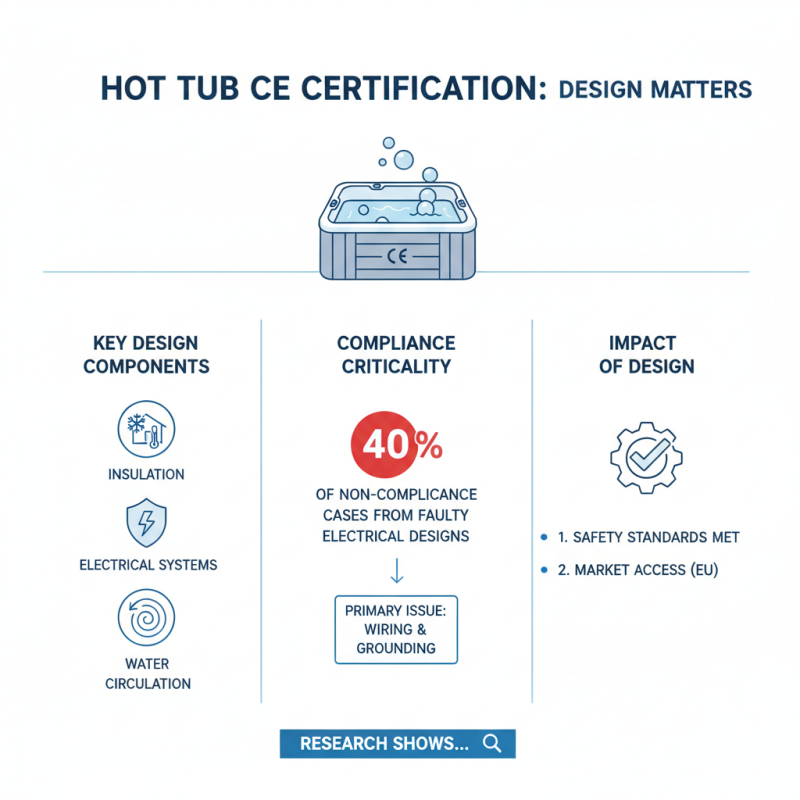
When it comes to securing CE certification for hot tubs, the design plays a crucial role. Key components such as insulation, electrical systems, and water circulation mechanisms significantly influence compliance. Research shows that around 40% of non-compliance cases stem from faulty electrical designs. This highlights the importance of proper wiring and grounding.
Additionally, the materials used in tub construction, including those in Wooden Tub Hot Tubs, are vital. A study found that inadequate insulation can lead to energy inefficiencies. This not only affects certification but also impacts consumer satisfaction. Not enough manufacturers consider the long-term performance of insulation material.
Further, safety features must meet strict guidelines. Unfortunately, many designs overlook important aspects like emergency shut-offs or child safety locks. It is clear that a thoughtful approach to these design elements can enhance CE compliance. Neglecting these may satisfy initial requirements but could pose risks down the line. This reflects an industry-wide need for better awareness and improvement in design practices.
Safety Standards: EN 60335-2-60 and Its Role in Hot Tub Certification
When it comes to Hot Tubs, safety standards are crucial. The EN 60335-2-60 standard specifically addresses the safety of electrical appliances for swimming pools and hot tubs. Its guidelines help manufacturers ensure that their products meet essential safety requirements. Failure to comply can lead to serious consequences, including product recalls and legal actions.
One key tip for successful wholesale CE certification is conducting rigorous testing. Manufacturers should test their hot tubs in various conditions. Regular checks prevent overheating or electrical malfunctions. A study by the International Electrotechnical Commission indicates that nearly 30% of non-compliant products fail due to inadequate testing.
Another vital aspect is documentation. Keep meticulous records of every step in the certification process. This includes design specifications, test results, and compliance checklists. It can prove invaluable during audits. Incomplete documentation can cause delays and complications in certification. Additionally, it's advisable to work closely with accredited testing laboratories. They can provide insights on potential pitfalls.
Last, have a proactive approach to feedback. Customer complaints often highlight overlooked issues. Addressing them promptly can improve product safety and customer trust. Staying informed about updates to EN 60335-2-60 is crucial. Regulations evolve, and manufacturers must adapt to maintain compliance.
Impact of EU Regulations on Wholesale Hot Tub Quality Assurance
The impact of EU regulations on wholesale hot tub quality assurance is significant. Recent reports indicate that compliance with these regulations can improve safety and customer satisfaction. Notably, the EU's EN 17125 standard addresses thermal performance, ensuring efficient heating and energy use. This regulation is crucial as it influences the design and manufacturing processes.
However, many wholesalers grapple with meeting stringent requirements. A staggering 40% of hot tub manufacturers have reported compliance challenges. These obstacles can lead to increased production costs and potential delays in market entry. It’s not uncommon for businesses to overlook minor details, impacting their overall quality assurance process.
Moreover, the environmental regulations mandated by the EU push for eco-friendly materials. While this is a positive step, transitioning to sustainable options can be complicated for many wholesalers. Reports suggest that investing in eco-friendly technology can increase initial costs by up to 15%. Yet, it may attract a more conscious consumer base in the long run. Balancing compliance with innovation remains a critical challenge for the industry.
Testing Procedures: Essential Measures for CE Certification Success
When pursuing CE certification for hot tubs, understanding testing procedures is crucial. The process often begins with product design evaluation. Ensure that all components comply with relevant directives. Testing involves checking electrical safety, water quality, and heat performance. Inadequate reporting on these aspects can lead to failed certifications. It's essential to keep detailed records throughout the testing phase.
Conducting performance tests on a Sap Hot Tub is no easy task. Manufacturers must simulate real-life usage scenarios. This comprehensive testing can reveal potential safety hazards. For instance, do the heating elements function properly under different conditions? Small errors can lead to significant safety concerns. Observing the water circulation system is equally vital. Poor circulation can provoke discomfort and hygiene issues.
Documentation is another critical step in the certification process. Each test must be meticulously recorded. Inaccurate data can jeopardize certification approval. It’s important to review each testing phase and reflect on any inconsistencies. Failing to address these can result in repeated testing and delays. The journey towards CE certification requires diligence and attention to detail, especially when dealing with products like the Sap Hot Tub.
Documentation Requirements for Wholesale Hot Tub CE Certification
When pursuing CE certification for wholesale Spa Hot Tubs, understanding documentation requirements is crucial. Every market has unique regulations. Gathering complete and accurate documentation is essential. Manufacturers must prepare product specifications, including materials and technical standards. A clear product description aids in swift processing.
Testing reports are another vital component. These reports validate compliance with safety and performance standards. Ensure that the reports are up-to-date and performed by recognized labs. Missing or outdated reports can delay the certification process. Also, check any additional requirements based on specific countries or regions.
Lastly, don't underestimate the importance of labeling. Labels must include necessary safety and usage information in the appropriate language. Invest time in reviewing these details. Mistakes on labels can lead to costly corrections. Collaboration with legal experts or certification bodies may be beneficial for complex cases.
10 Essential Tips for Wholesale CE Certification of Hot Tubs
Market Trends: Consumer Demand for CE Certified Hot Tubs in 2023
In 2023, the consumer demand for CE certified hot tubs is rising. More buyers seek assurance of safety and quality. This trend reflects a growing awareness of health and environmental factors in leisure products. People want hot tubs that meet strict European standards. CE certification signifies compliance. As consumers become more informed, suppliers must adapt.
To cater to this trend, brands should focus on clear communication about certification processes. Providing detailed information can build trust. It’s vital to highlight safety features prominently. Ensure all specifications are transparent. This helps potential buyers make informed choices.
Obtaining CE certification can be challenging. It involves rigorous testing. Manufacturers must ensure their hot tubs meet health and safety guidelines. Additionally, understanding ever-evolving regulations is crucial. Pay attention to market demands. Adaptation and compliance are key to success in this sector. Listening to consumer feedback is just as important. It can reveal areas for improvement in products.
Exploring the Benefits of Cold Therapy: A Deep Dive into the Vapasauna CT014 Ice Tub for Optimal Recovery
Cold Therapy has gained significant attention for its ability to enhance recovery, particularly among athletes and fitness enthusiasts. One of the most effective tools for this purpose is an innovative cold tub that provides precise temperature control, which is essential for optimizing the benefits of cold therapy. The CT014 cold tub, for instance, features a built-in water pump and chiller, allowing users to set temperatures ranging from a refreshing 3°C to a more moderate 42°C. This versatility enables users to tailor their cold therapy sessions to meet their specific recovery needs.
Constructed with a robust 1.5mm thick stainless steel inner shell, this cold tub promises durability and excellent corrosion resistance. The choice of materials not only enhances its longevity but also ensures that it can withstand rigorous use over time. For anyone looking to maximize the benefits of cold therapy, investing in a quality cold tub can significantly elevate the recovery experience. Whether it's reducing inflammation after an intense workout or alleviating muscle soreness, the right cold therapy solution plays a crucial role in maintaining overall physical well-being.
FAQS
: The service aims to provide users with essential information and support. It helps navigate various challenges.
Anyone facing difficulties can find this service helpful. Individuals and communities can gain valuable insights.
Accessing the service is straightforward. Users can simply visit the website or contact support directly.
You can ask about various topics. Common queries include advice, guidance, and troubleshooting tips.
There is no strict limit. However, excessive queries may lead to slower response times.
Yes, personalized advice is available. Share your specific situation for tailored responses.
Response times may vary. Most inquiries are answered within 24 hours.
If issues persist, follow up for further assistance. We strive to improve and address all concerns.
Yes, users are encouraged to provide feedback. This helps us refine our service continually.
Certainly! Sharing is encouraged. More users can lead to a broader knowledge base and support network.
Conclusion
The article "10 Essential Tips for Wholesale CE Certification of Hot Tubs" provides a comprehensive overview of the crucial aspects involved in obtaining CE certification for hot tubs, a requirement for compliance within the European market. It begins with an explanation of CE certification and its importance as a safety standard, particularly emphasizing the EN 60335-2-60 safety standards that specifically apply to hot tub design.
Further, the article outlines key components of hot tub design that affect compliance, including safety measures and quality assurance dictated by EU regulations. It details the essential testing procedures that ensure success in the certification process and highlights the necessary documentation that wholesalers must prepare for compliance. Lastly, it touches on current market trends, indicating a growing consumer demand for CE certified hot tubs in 2023, which underscores the importance of adherence to certification standards for wholesale distributors aiming to meet market expectations.