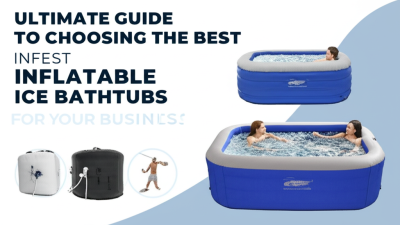
You know, more and more folks in both the sports and wellness worlds are catching on to the benefits of Cold Plunge therapies. It’s pretty amazing—recent research is showing that exposing your body to cold can really help speed up recovery, cut down on muscle soreness, and boost your mental health overall. I read a report in the International Journal of Sports Physiology and Performance that said athletes who add Cold Plunge routines into their training tend to recover about 20% faster than those who don’t. It’s no wonder demand is kicking up for effective recovery methods, especially in high-stakes sports where every second counts. Here at Huizhou VapaSauna and Swimming Pool Equipment Co., Ltd., we totally get how important these findings are. That’s why we’re all about offering new and innovative Cold Plunge solutions in our top-notch facilities. Our team’s got over 20 years of experience, and we’re really passionate about helping athletes and wellness enthusiasts boost their performance with proven, science-backed recovery techniques.
Understanding Cold Plunge Therapy: Key Benefits for Athletes and Wellness Seekers
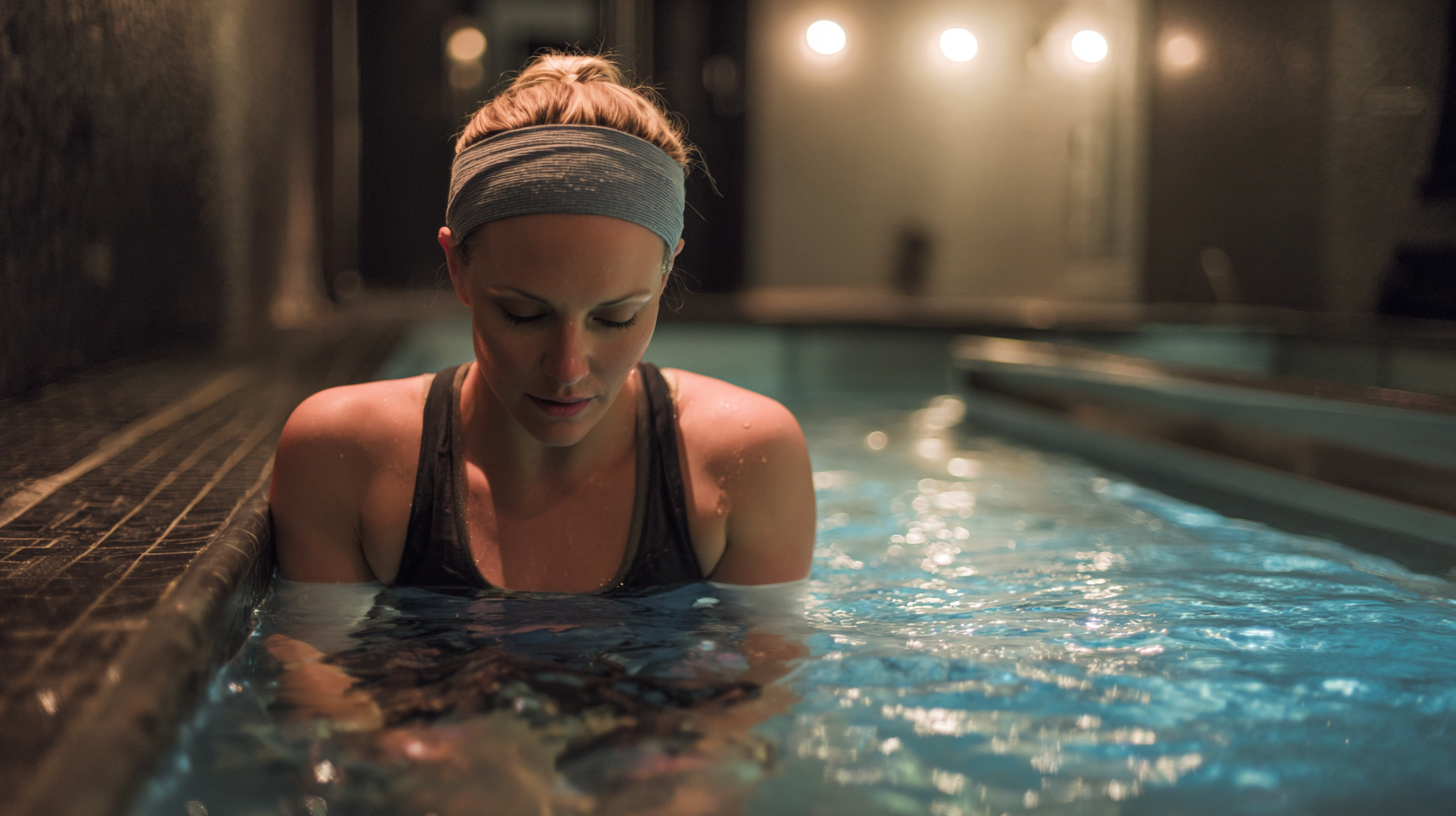
cold plunge therapy has really been gaining traction, especially among athletes and folks into wellness stuff. There's just something about jumping into cold water that seems to do wonders—like speeding up recovery by easing sore muscles and reducing inflammation after tough workouts. When athletes take the plunge, their blood vessels tighten up a bit, which helps cut down swelling and clear out all those built-up metabolic wastes. Plus, it’s said to trigger the release of endorphins, those feel-good chemicals, giving you almost a rush of well-being or even a little euphoria—that’s why many people find it so refreshing for both the body and mind.
**Here’s a quick heads-up if you’re thinking about trying cold plunges:**
1. **Take it slow:** If you're new to this, don’t go all in right away. Start with just a minute or two, then build your way up once your body gets used to it.
2. **Find Your sweet spot:** Look for water temperatures somewhere around 50°F to 59°F (that's about 10°C to 15°C). It’s a good range that gives you the benefits without pushing things too far.
3. **Breathe deep:** When you’re in the cold, really focus on your breathing. Slow, deep breaths can help you stay calm, manage the shock better, and make the experience way more comfortable.
Adding cold plunge therapy into your routine could totally change the game, not just for recovering faster but also for building mental toughness. It’s definitely worth considering if you're serious about your fitness and wellness journey.
Unlocking Recovery: The Science Behind Cold Plunge Benefits for Athletes and Wellness Enthusiasts
| Benefit | Description | Target Audience |
| Reduced Muscle Soreness | Cold plunges can decrease delayed onset muscle soreness (DOMS) after intense workouts. | Athletes, Fitness Enthusiasts |
| Improved Recovery Time | Cold exposure promotes faster recovery between training sessions, allowing for more frequent performance. | Athletes, Coaches |
| Enhanced Circulation |
Cold Therapy helps enhance blood circulation, which can aid in recovery and performance. | Wellness Seekers, Athletes |
| Increased Mental Resilience | Regular cold plunges can improve mental fortitude and stress management. | Wellness Enthusiasts, Athletes |
| Boosted Immune Function | Exposure to cold may help stimulate the immune system, enhancing overall health. | General Public, Athletes |
The Science of Cold Exposure: How Cold Water Affects Muscle Recovery and Inflammation
Lately, more and more athletes and wellness buffs are turning to Cold Water Immersion as a pretty effective recovery trick. It’s all about how it helps your muscles bounce back faster and cut down on inflammation. There’s some solid research showing that jumping into cold water can cut muscle soreness by up to 20% after really intense workouts. One study published in the Journal of Sports Sciences even found that athletes who tried cold water therapy experienced way less delayed onset muscle soreness—basically, the muscle pain and stiffness that creeps in a day or two after exercising—compared to those who skipped it. So, this method really seems to speed up recovery times and get you back in the game sooner.
And it’s not just about easing soreness. Cold exposure actually helps tame the inflammatory response in your body. A review published in the European Journal of Applied Physiology points out that cold water immersion lowers the levels of certain pro-inflammatory compounds—cytokines—that tend to stretch out recovery and can contribute to muscle damage. When you go into cold water, your blood vessels constrict right away and then open back up, helping to clear out waste products and deliver fresh nutrients to your muscles. All of that adds up to faster healing and feels pretty good, too! With all this science backing it up, taking a cold plunge isn’t just a trendy thing—it’s a legit strategy for boosting recovery and supporting overall wellness.
Optimal Duration and Frequency: Tips for Maximizing Cold Plunge Benefits
Cold plunge therapy has really become pretty popular, especially among athletes and folks into wellness stuff. Honestly, jumping into cold water can do wonders for helping your muscles recover—think less soreness, smaller inflammation, and getting back to your best faster. If you wanna get the most out of it, it’s good to understand the best time and how often you should do it.
Most experts say that staying in cold water—around 50 to 60 degrees Fahrenheit—for about 10 to 15 minutes usually hits the sweet spot. Anything longer might be too much for your body to handle all at once. And as for how often, doing cold plunges after tough workouts or races is a solid plan—it helps your body bounce back quicker so you can hit it hard again sooner.
Some tips to really make cold plunges work for you:
- Timing matters: Try to jump in the cold right after your workout—this way, you’ll help ease muscle soreness and speed things up.
- Be consistent: Making cold water therapy a regular part of your week—like 2 or 3 times—is key to seeing the benefits stacking up.
- Tune in to your body: Keep an eye on how you’re feeling—if it’s uncomfortable or overwhelming, don’t hesitate to tweak the duration or frequency to suit your needs.
It’s all about listening to your body and finding what works best for you. Give it a shot, and you might be surprised at how much it can help!
Mental Health Boost: The Psychological Advantages of Cold Water Immersion
You know, cold water immersion has really been catching everyone's attention lately, especially when it comes to its mental health benefits—whether you’re into fitness or just curious about wellness stuff. People say that hopping into Ice Baths or cold showers regularly can actually help you chill out more, reduce stress, and even get better sleep. It’s pretty wild how plunging into cold water triggers your brain to release certain chemicals that boost your mood and knock down anxiety levels. That lingering feeling of calm? Yeah, that’s what a cold shock can do for you. It’s especially awesome for folks dealing with high-stress situations or pushing themselves through intense workouts all the time.
**Some tips if you wanna give cold water immersion a shot:**
- Start small—like, just 1 to 3 minutes at first. That way, your body gets used to it, and you won’t freak out. Then, as you get more comfortable, you can totally extend the time.
- Try breathing deeply while you’re in there. It sounds simple, but breathing exercises really help you stay calm and make the experience a lot more manageable.
- Make it a habit. Seriously, consistency is key. Do it weekly, and over time, you’ll probably notice those mental health perks stacking up.
So yeah, give it a shot—you might be surprised at how much a little cold water can do for your overall vibe.
Unlocking Recovery: The Science Behind Cold Plunge Benefits for Athletes and Wellness Enthusiasts
This chart illustrates the perceived benefits of cold water immersion for athletes and wellness enthusiasts, highlighting aspects such as muscle recovery, mental clarity, reduction in inflammation, stress relief, and improved sleep quality.
Integrating Cold Plunges into Your Routine: Practical Guidelines for Athletes and Wellness Enthusiasts
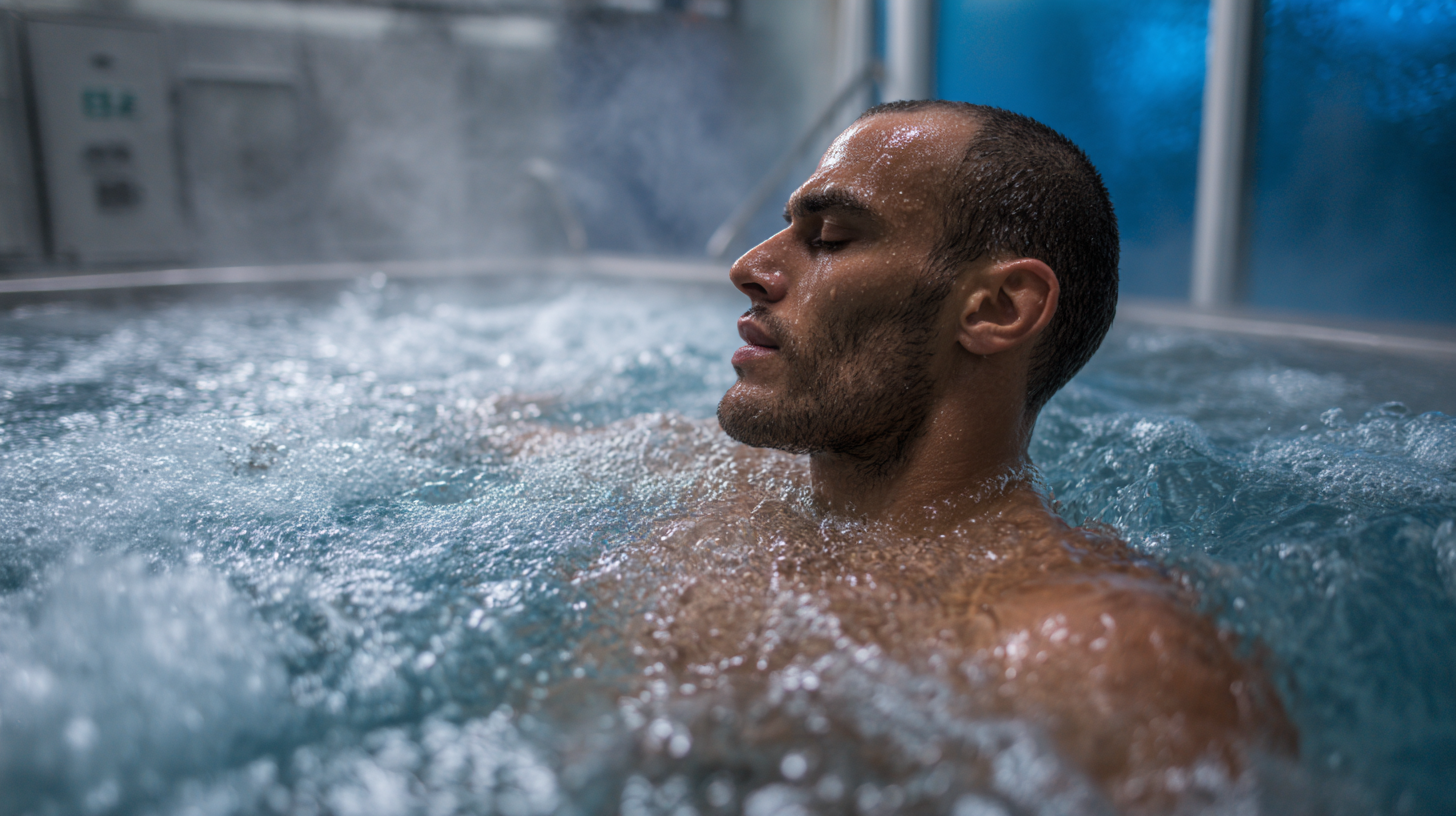 Adding cold plunges into your usual routine can really do wonders for recovery and just feeling overall healthier. Whether you're into sports or just like to keep active and chill, setting aside some time for cold exposure is pretty important. Don't worry about jumping right into the deep end—start with shorter sessions, like 2 to 5 minutes, so your body has a chance to get used to the cold without freaking out. It’s often best to do this after a workout or even on your rest days—this way, you’re helping your muscles recover without overdoing it and avoiding unnecessary soreness.
Oh, and to get the most out of it, try mixing cold plunges with other recovery tricks—like stretching or foam rolling. These help boost blood flow and speed up muscle repair. Bonus tip: doing some breathing exercises during your cold plunge can really help you stay comfortable and build mental toughness too. Keep at it regularly, and you’ll not only see physical benefits but also strengthen your mind. It’s a pretty awesome addition to any workout or wellness routine, trust me.
Safety Precautions: What You Should Know Before Taking the Plunge
Before you jump into the world of cold plunges, it’s really important to get a handle on the safety stuff so you can actually enjoy it without worries. First off, you should honestly take a good look at your health — if you have any underlying issues, especially with your heart or circulation, it’s a smart move to chat with a doctor before trying this out. And don’t rush into it; start slow. Dip your toes in (literally) with shorter cold water sessions, then gradually build up the time. It helps your body and mind get used to that icy chill without overwhelming you.
Also, picking the right spot is more than just a good vibe — safety should come first. Find a place that’s free from strong currents or anything that might be dangerous. And honestly, always go with a buddy or at least have a plan in case something happens. Knowing the signs of hypothermia — like shivering, confusion, or extreme fatigue — is super helpful so you can spot trouble early on. As long as you keep safety in mind, you’ll be able to enjoy all the cool benefits of cold water therapy without putting yourself at risk.
FAQS
: Cold water exposure can reduce muscle soreness by up to 20% after intense exercise and helps in faster recovery.
Cold water immersion decreases the production of pro-inflammatory cytokines, which can prolong recovery and contribute to muscle damage.
Experts recommend a duration of 10 to 15 minutes in cold water, ideally between 50°F to 60°F, for effective outcomes.
It is suggested to integrate cold plunges into your routine 2 to 3 times a week, especially after intense workouts or races.
The best time to take a cold plunge is immediately after workouts to help reduce muscle soreness and expedite recovery.
Yes, cold plunges can be paired with other recovery modalities, such as stretching or foam rolling, to enhance blood circulation and muscle repair.
Beginners should start with shorter sessions of about 2 to 5 minutes to allow their bodies to acclimate to the cold exposure.
Incorporating breathing techniques can help manage discomfort during cold plunges and enhance mental resilience.
Yes, the recommended water temperature range for cold plunges is between 50°F to 60°F.
Regularly integrating cold plunges into a routine not only supports physical recovery but also helps develop mental toughness.
Conclusion
Cold plunge therapy has really taken off among athletes and wellness buffs alike, and it’s no wonder why — people are raving about the benefits. If you’ve ever wondered how dunking into cold water actually helps, this article digs into the science behind it. Basically, immersing yourself in cold water can speed up muscle recovery and fight inflammation, which can really help you feel better physically. We also chat about how long you should stay in the cold and how often to do it, so you get the most bang for your buck. But it’s not just about the physical stuff — there’s also a lot to gain mentally. Cold water immersion can boost your mood and resilience, giving you that mental edge you might be looking for.
If you’re thinking about giving cold plunges a shot, don’t worry — we’ve got some practical tips to help you do it safely and effectively. And because we’re passionate about wellness, Huizhou VapaSauna and Swimming Pool Equipment Co., Ltd. is here to support you. We use the latest manufacturing techniques and have a skilled team to get you top-notch cold plunge solutions that can really help with recovery and overall well-being.