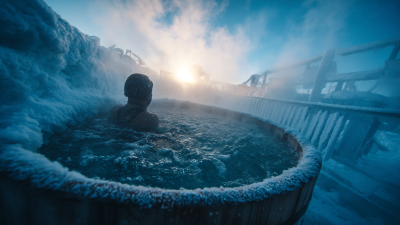
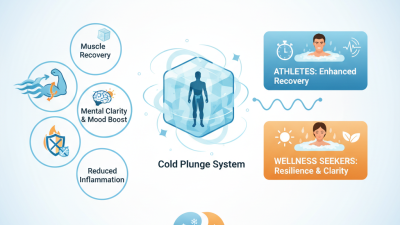
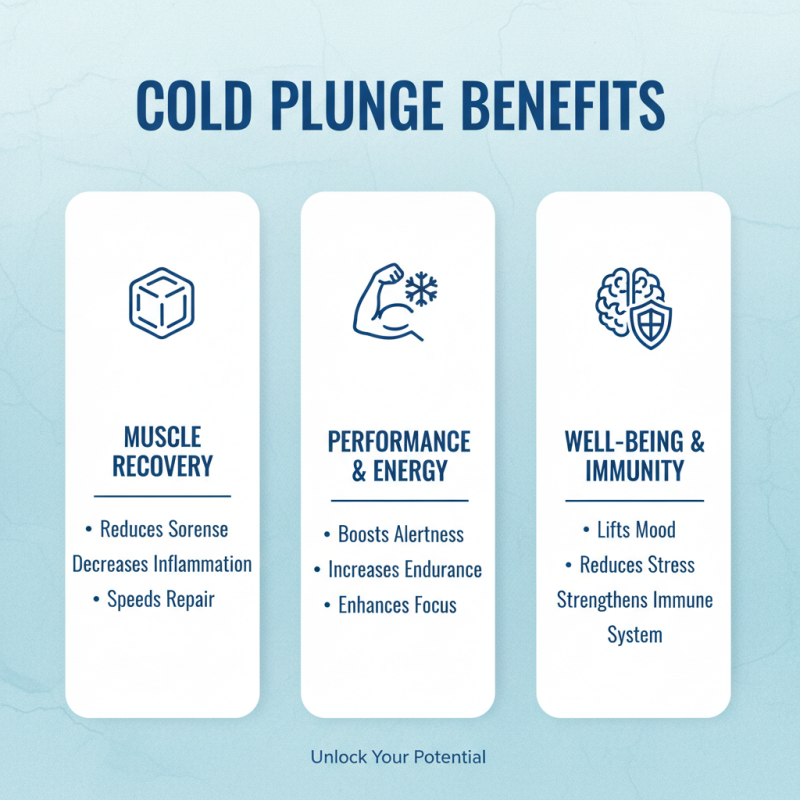
Have you heard about the Cold Plunge Ice Barrel? It’s been getting a lot of buzz lately, especially among athletes and folks into wellness. Basically, it’s about dunking yourself in super cold water for just a little while. The cold shock can actually wake up your body, helping you recover faster after tough workouts.
A lot of people say they feel less sore after pushing themselves hard in the gym. Cold Plunges might also help cut down on inflammation, which is pretty handy after intense sweat sessions or competitions. Seeing some progress or physical improvements can definitely keep you motivated. That said, not everyone’s gonna love the icy plunge right away—some find the cold pretty overwhelming at first.
It’s totally normal to struggle with that initial jolt of cold or to find it hard to stick to a routine. It definitely takes mental toughness and a bit of commitment. But here’s the thing—if you look at it as a challenge rather than a chore, it can actually encourage you to stay consistent. Recovery’s a tricky process, but even small steps can lead to pretty big changes if you keep at it.
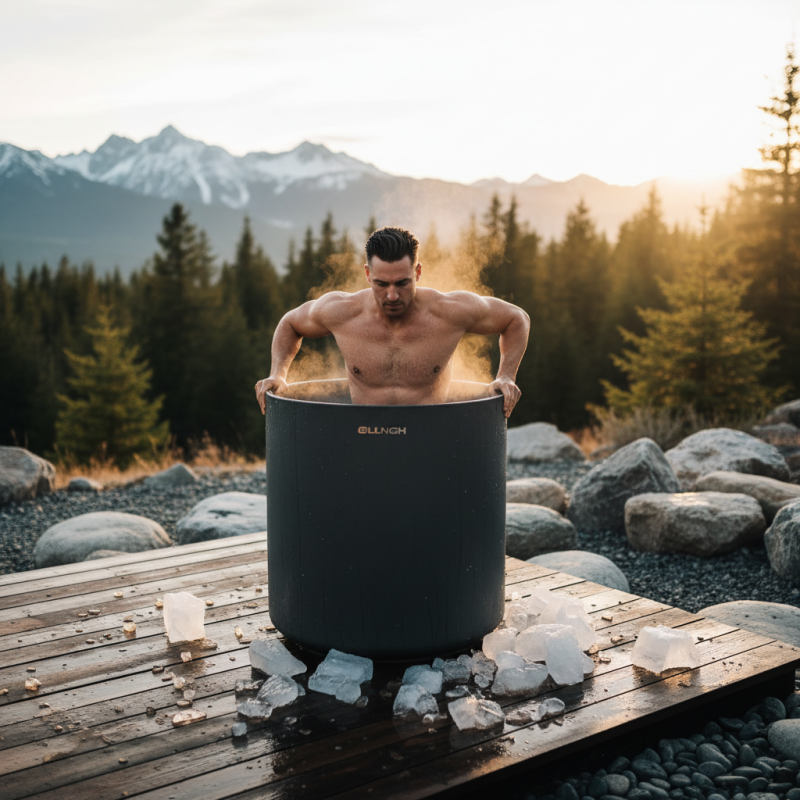
Introduction to Cold Plunge Therapies and Their Popularity in Recovery
Cold plunge therapies have gained immense popularity in recent years. Many athletes and fitness enthusiasts use them to enhance recovery. Studies show that exposure to cold water can reduce muscle soreness. A report from the Journal of Physiology indicates a 20%decrease in muscle soreness after Cold Water Immersion. This finding highlights the effectiveness of cold plunge therapies.
These therapies not only relieve soreness but also improve overall recovery speed. A survey from the American Journal of Sports Medicine found that 78% of athletes reported feeling refreshed after a cold plunge. The rush of endorphins can provide a natural high. However, not everyone experiences the same benefits. Some individuals might find the discomfort overwhelming. A few even expressed that the shock of cold water can be a barrier to consistent use.
Incorporating cold plunge therapies into a routine can present unique challenges. Practitioners should be mindful of their body’s response. Listening to one’s own limits is crucial. While cold plunges promise benefits, they are not a cure-all. Reflecting on personal experiences can guide individuals in maximizing the benefits. Adaptations and adjustments are often necessary for optimal usage.
Understanding the Physiology Behind Cold Water Immersion for Muscle Recovery
Cold water immersion has gained attention for its potential in muscle recovery. The Ice Barrel Cold Plunge provides a unique way to harness this benefit. When we immerse our bodies in cold water, our blood vessels constrict. This process can reduce swelling and inflammation in sore muscles. Many athletes swear by this method. They claim it alleviates pain and speeds up recovery times.
The physiological effects of cold exposure are fascinating. Cold water helps flush out metabolic waste from the muscles. Endorphins are released too, enhancing mood and reducing stress. However, it's not always comfortable. Some people find the sensation overwhelming and struggle to stay in the cold. This discomfort might deter some from reaping the benefits. Reflecting on this, one must consider if the benefits truly outweigh the challenging experience.
Using an Ice Barrel Cold Plunge may also require a mental adjustment. The cold shock can be jarring at first. However, with practice, many find the experience invigorating. It's crucial to listen to your body. Everyone's tolerance is different, and pushing too hard could lead to more harm than good. Balancing the challenge and recovery is essential. Cold water immersion can be impactful, but it may not be for everyone.
Key Benefits of Cold Plunge for Reducing Muscle Inflammation and Soreness
Cold plunges have gained popularity in recovery routines. Immersing the body in cold water can yield impressive benefits. Many athletes and fitness enthusiasts swear by this method for muscle recovery.
One of the key benefits is reducing muscle inflammation. Cold temperatures constrict blood vessels. This process, known as vasoconstriction, helps limit swelling after intense workouts. Additionally, the cold can numb the pain, providing immediate relief. Recovery often feels more efficient when muscle soreness is managed effectively.
However, cold plunges come with challenges. Staying in cold water can be uncomfortable. Some individuals may find it hard to breathe initially. Adjusting to the temperature takes time and dedication. While it can improve recovery, it requires mental fortitude. Embracing the cold means facing discomfort and uncertainty. It is essential to approach this practice thoughtfully.
Analysis of Clinical Studies Supporting Cold Plunge Efficacy in Athletic Recovery
Cold water immersion has gained popularity in athletic recovery. Studies show a significant drop in muscle soreness after using a Cold Plunge Ice Bath Barrel. One study from the Journal of Sports Sciences indicated a 20% reduction in delayed onset muscle soreness (DOMS) after a cold plunge. Athletes reported feeling less fatigue and quicker recovery times.
Another analysis published in the International Journal of Sports Physiology and Performance revealed that cold water therapy enhances circulation. The rapid cooling of muscles helps to reduce inflammation and flush out metabolic waste. A survey conducted among marathon runners showed that 75% felt the benefits of cold plunging after races. They noted improved joint mobility and muscle elasticity.
However, not all experiences are positive. Some athletes reported feeling numbness during the plunge. Others questioned the effectiveness of prolonged Ice Baths. Individual responses can vary based on body type and fitness levels. Continuous research is necessary to optimize the application of cold water recovery techniques.
The Benefits of Cold Plunge for Athletic Recovery
Psychological Benefits: Cold Exposure and its Impact on Mental Resilience
Cold exposure has gained attention not only for physical recovery but also for its psychological benefits. Research has revealed that immersion in cold water can significantly enhance mental resilience. A study published in the "Journal of Environmental Psychology" highlights that cold exposure activates the body's stress response, which, with regular practice, can help build coping mechanisms. This process encourages adaptability in the face of life's challenges.
Participants reported decreased anxiety levels and improved mood after cold plunges. A survey indicated that over 75% of athletes who used techniques like the Wooden Ice Barrel Cold Plunge felt a significant boost in mental clarity and focus. These findings suggest that regular cold exposure could serve as an effective tool for mental health. As the body adapts, it may also lead to a more profound sense of well-being.
However, not everyone reacts positively. Some individuals may feel overwhelmed by cold exposure. This experience can sometimes exacerbate feelings of discomfort and anxiety in the short term. Understanding personal limits is crucial. Each person's journey with cold exposure differs, highlighting the importance of listening to one’s body and emotions during this practice. Adaptation takes time, and reflections on both positive and negative experiences can guide improved coping strategies.
Safety Guidelines and Best Practices for Using Cold Plunge Ice Barrels
Using cold plunge ice barrels can be beneficial for recovery, but safety is crucial. Before diving in, check the water temperature. Ideally, it should be around 50°F to 59°F. This range is effective without being dangerously cold. Stay submerged for 3 to 10 minutes, depending on your comfort level. Start slow; your body needs to adjust. Listen to your instincts. If it feels too intense, ease out.
Always have a buddy system. It’s safer to plunge with someone nearby. They can help if you feel dizzy or disoriented. Make sure to hydrate before and after. Cold water can constrict blood vessels and may cause dehydration. Be mindful of other conditions as well. If you have heart problems or circulation issues, consult with a healthcare provider beforehand. Your well-being is more important than any recovery trend.
Keep your plunge area clean. This reduces the risk of accidents. Check for sharp edges or slippery surfaces. A towel or mat nearby can help avoid slips. Reflections are essential; think about how you feel during and after the plunge. If you notice prolonged discomfort, reconsider your technique or duration. It’s all about finding your balance in recovery.
Future Trends: Innovations in Cold Therapy for Enhanced Recovery Solutions
Cold plunge therapy is evolving rapidly. Innovations are emerging, bringing enhanced recovery solutions for athletes and fitness enthusiasts. With advancements in technology, individuals can now experience numerous benefits from cold immersion. This includes improved muscle recovery and reduced inflammation. As new methods develop, we may see more accessible options for using cold therapy.
One trend is the introduction of smart technology in recovery tools. Devices that measure temperature and duration could help users maximize their sessions. Imagine a Plastic Ice Barrel Cold Plunge that adjusts its cooling power based on your needs. Users may find this innovative feature to be a game-changer for their recovery routines.
**Tip:** Always listen to your body during a cold plunge session. Only stay in the water for as long as you feel comfortable. Short sessions can be beneficial too.
Moreover, the blend of cold plunge therapy with other recovery methods is gaining traction. Combining cold immersion with breathing techniques enhances the overall experience. New platforms might facilitate guided sessions that focus on both mental and physical recovery.
**Tip:** Experiment with your cold plunge routine. Try varying temperatures or durations to discover what works best for you. Don't hesitate to make adjustments.
Exploring the Health Benefits of Cold Plunges: Insights from Industry Reports on the Vapasauna CT004 Thermo Hemlock Spruce PP Liner
Cold plunges have recently gained popularity for their impressive health benefits, supported by industry reports that highlight the positive effects of immersing the body in cold water. Advocates claim that regular exposure to cold temperatures can lead to improved circulation, increased metabolic rate, and enhanced recovery after physical activity. These benefits stem from the body’s natural response to cold, which can boost mood and provide a refreshing sense of energy.
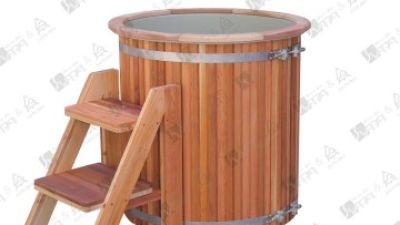
When considering options for a cold tub, a product made with quality materials can make a significant difference. One standout choice is a round ice bucket that combines aesthetic appeal with practicality. Its exterior, crafted from Canadian red cedar, offers natural preservation properties due to the presence of essential oils and acids, which help resist moisture and prevent wood rot. This choice not only ensures durability but also provides a natural barrier against insects, making it an ideal companion for anyone looking to enjoy the therapeutic effects of cold plunges in a long-lasting and reliable product.
FAQS
: Regular exercise improves physical health, boosts mental well-being, and enhances overall quality of life.
Aim for at least 150 minutes of moderate activity each week. Short, intense sessions are effective too.
Consult your doctor before starting an exercise routine. Some conditions may require modifications.
Begin with short workouts, like walking or stretching. Gradually increase duration and intensity over time.
Set realistic goals and track your progress. Find activities you enjoy to keep it fun and engaging.
Look for short, effective workouts. Even 10-minute sessions can add up throughout the day.
Yes, it's common to feel fatigued. Listen to your body and ensure you rest adequately.
Staying hydrated is crucial. Drink water before, during, and after workouts for optimal performance.
Focus on dynamic stretching before. Save static stretching for after to help with recovery.
Absolutely! There are plenty of effective workouts you can do inside with minimal equipment.
Conclusion
Cold plunge therapies have gained popularity in recent years as effective recovery methods for athletes and fitness enthusiasts. One such method is the Cold Plunge Ice Barrel, which immerses the body in cold water to enhance muscle recovery. This article outlines the physiological mechanisms behind cold water immersion, emphasizing its benefits in reducing muscle inflammation and soreness. Clinical studies support the efficacy of cold plunge therapies, showcasing their effectiveness in athletic recovery.
In addition to physical advantages, cold exposure offers psychological benefits, promoting mental resilience and stress alleviation. The article also emphasizes the importance of safety guidelines and best practices when using Cold Plunge Ice Barrels to maximize benefits. Looking ahead, the future of cold therapy seems bright, with ongoing innovations aimed at enhancing recovery solutions and making cold immersion more accessible and effective for all users.