Lately, Cold Plunge Wood has been catching more and more people's attention, and honestly, there’s good reason for that. This natural material, often used in wellness routines, offers a pretty unique way to give your mind and body a little boost. More folks are leaning towards holistic ways to stay healthy these days, and Cold Plunge Wood fits right into that vibe. It’s this cool (literally!) experience that can help you relax, recover, and feel pretty amazing overall.
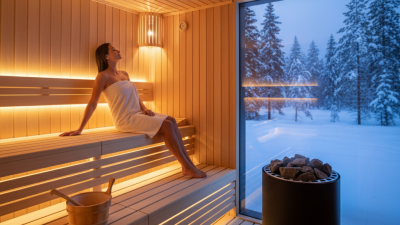
What makes Cold Plunge Wood really appealing is how it can help you feel recharged. Picture yourself taking a plunge into cool water, surrounded by the warm, rustic charm of wood – it’s pretty hard not to feel your mood lift just from that. But it’s not just about the physical experience; it’s also a mental reset. That said, I get it—starting out can be a bit intimidating or uncomfortable. And that’s totally normal. The key is to acknowledge those feelings and just go with it.
Diving into the benefits of Cold Plunge Wood also reminds us of how connected we are with nature. It’s a little pause in the chaos of everyday life, helping us reflect on our wellness journeys. Every dip can serve as a gentle reminder to prioritize self-care. From boosting circulation to easing stress, there’s a lot to gain. But hey, don’t expect overnight results. It’s all about keeping an open mind and giving yourself some time and patience to discover what works best for you.
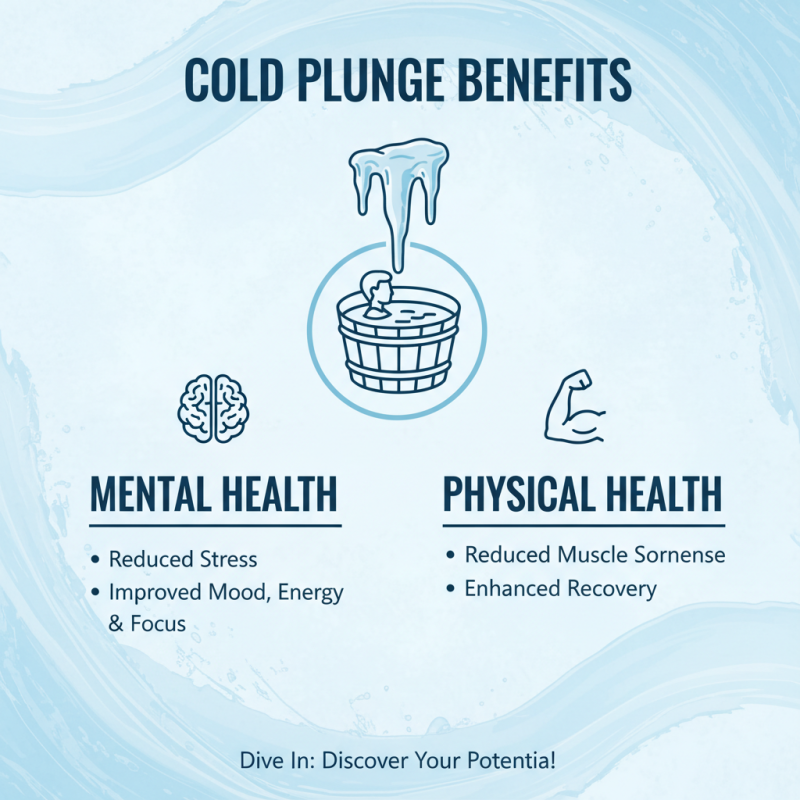
Cold plunges, also known as Cold Water Immersion, have gained attention in wellness circles. This practice involves immersion in cold water, often below 60°F (15°C). Research shows a significant impact on mental and physical health. A study published in the Journal of Health Psychology found that cold water immersion can reduce stress and improve mood. Participants reported feeling more energized and focused after just a few minutes in cold water.
The health benefits of a cold plunge extend beyond mood enhancement. According to data from the American College of Sports Medicine, cold exposure can aid muscle recovery, reducing soreness by up to 20%. Athletes often use this method to speed up recovery time after intense workouts. Cold water triggers vasoconstriction, which decreases inflammation and removes metabolic waste.
However, cold plunging isn't suitable for everyone. Individuals with certain health conditions, like cardiovascular issues, may need to avoid it. Also, acclimatization is crucial. Beginners often face discomfort initially, which can discourage continued practice. Pushing through the cold may emphasize resilience, but it's essential to listen to your body. Finding the right balance can lead to lasting benefits in wellness.
Cold water therapy has gained popularity for its numerous health benefits. The science behind it reveals fascinating mechanisms. When you immerse yourself in cold water, your body reacts instinctively. Blood vessels constrict, leading to improved circulation once you warm up again. This process boosts oxygen delivery to your muscles and organs.
Research shows that consistent exposure to cold water can reduce inflammation. It may enhance recovery after intense workouts. However, many people find it challenging to embrace such extreme temperatures. It's important to listen to your body’s signals. Some may struggle with feelings of anxiety or discomfort during the plunge.
Despite its growing recognition, cold water therapy isn’t for everyone. Personal experiences can vary significantly. Some find immense joy in the refreshing shock, while others feel overwhelmed. It’s crucial to consider individual tolerance levels. Embracing cold water may lead to positive changes, but a cautious approach is needed.
cold plunge therapy has gained popularity for its role in muscle recovery. The benefits are supported by a growing body of research. A study published in the Journal of Physiology found that cold water immersion can reduce muscle soreness by up to 20%. This is crucial for athletes and fitness enthusiasts. It helps to speed up recovery between intense workouts.
When muscles are exposed to cold, blood vessels constrict. This process reduces inflammation and decreases swelling. As the body warms up again, blood rushes back in. This helps flush out metabolic waste products. A report from the National Institutes of Health notes that cold exposure can enhance circulation, which is vital for recovery.
However, cold plunging isn't perfect. Some people find it uncomfortable. The initial shock can be daunting. It's also essential to time your exposure wisely. Too frequent sessions may lead to decreased effectiveness. It requires careful reflection on personal tolerance levels and goals. Listening to your body is key. Cold plunges can be a valuable tool, but they're not a one-size-fits-all solution.
Cold water exposure has gained traction as a wellness practice. It can bring noticeable mental health benefits. The shock of cold water stimulates the body, triggering a release of endorphins. These natural chemicals enhance mood and promote feelings of happiness. Many people report feeling a rush of energy after a cold plunge. It’s an invigorating experience that can help dispel feelings of fatigue.
The practice also encourages mindfulness. When stepping into cold water, it's impossible to think about anything else. The focus shifts to the breath and the present moment. This can offer an escape from daily stressors and anxiety. Cold plunges create an opportunity for self-reflection. One might feel overwhelmed or anxious initially, but facing that discomfort is powerful. It teaches resilience, which is essential for mental well-being.
Regular exposure to cold water can help improve mood over time. Some individuals may struggle with consistency. It’s tempting to stick to comfortable routines. However, engaging with challenging experiences is where growth often occurs. Each plunge offers a chance to embrace discomfort and build mental strength. Through this practice, clarity and calmness can be cultivated, even on the toughest days.
Cold plunge practices offer a promising approach to enhance immune function. Immersing the body in cold water stimulates circulation. This process can increase white blood cell production. A study by the University of Michigan found that regular cold exposure boosts immunity by as much as 29%. Such findings remind us that a shift to colder routines can be beneficial.
Beyond the physical effects, cold plunges can be a challenge for many. The initial shock of cold water can be a mental hurdle. However, overcoming this discomfort can reinforce resilience, promoting mental health. A report from the Journal of Applied Physiology indicates that improved mental toughness correlates with enhanced immune response.
Some people might wonder if cold plunges might be too much for their bodies. It’s essential to listen to one's body and adjust accordingly. Experimenting with shorter durations can provide a safer introduction. Engaging in cold plunge practices might not feel immediately rewarding, creating moments of doubt. Yet, the potential for increased immunity and overall wellness is something worth exploring.
Cold plunges have gained popularity for their role in alleviating stress. Immersing the body in cold water provides immediate relief. The shock of cold water triggers a rush of adrenaline. This response can lead to enhanced mood and clarity. Many people report feeling invigorated and refreshed after a cold plunge.
The benefits extend beyond just a momentary thrill. Regular exposure to cold water promotes resilience. It challenges the body and mind to adapt. Over time, individuals may notice a greater ability to handle stress. The cold acts as a reset button, allowing for reflection. It creates a space where one can rethink daily stresses. Yet, not every plunge is pleasant. Some find it daunting and uncomfortable. That discomfort can often be a teacher, urging us to confront our limits.
In our fast-paced world, finding calm is essential. Cold plunges offer a unique way to engage with that calm. They invite us to experience discomfort in a safe environment. The practice connects us with our breath and body. Opening our minds to such experiences can lead to profound insights about our stressors and how we manage them.
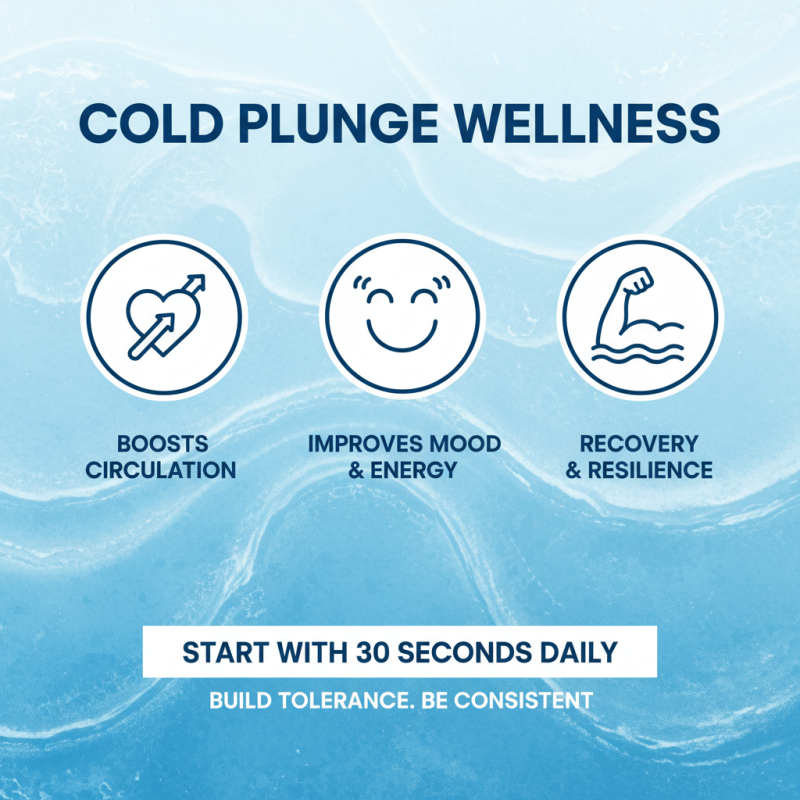
Incorporating cold plunge therapy into your daily routine can yield significant benefits for your overall wellness. Research indicates that regular exposure to cold water can boost circulation and improve mood by increasing endorphin levels. Many wellness practitioners recommend starting with just 30 seconds in The Cold Plunge. Gradually increase your time to build tolerance. Finding a consistent schedule, such as early morning or after workouts, can help establish a habit.
Listening to your body is essential. Some days, immersion can feel more challenging than others. It’s okay to adjust your time or take a break. Cold plunges may lead to discomfort, but they can stimulate mental resilience. The Mental Health Foundation reports that such practices can reduce stress levels significantly, helping you feel more centered.
Consider pairing your cold plunge with deep breathing exercises. This combination can enhance relaxation and further engage the parasympathetic nervous system. Allow space for reflection during and after each session. Track your progress and feelings in a journal. This not only helps identify changes but also fosters a deeper connection to your wellness journey.
: Mindful eating helps improve digestion and satisfaction. It encourages awareness of hunger cues. This practice can change eating habits.
Focus on your food. Chew slowly. Notice flavors and textures. Eliminate distractions while eating. This requires effort and patience.
Recognize that guilt is normal. Reflect on your feelings. Practice self-compassion. Find balance in your meals and snacks.
Identify triggers that lead you to eat. Journaling can help. Engage in other activities or seek support from peers.
Yes, many people face challenges. It's okay to have ups and downs. Being aware is the first step to change.
Eating too quickly can lead to indigestion. Slow down your pace. It allows better digestion and enhances enjoyment of food.
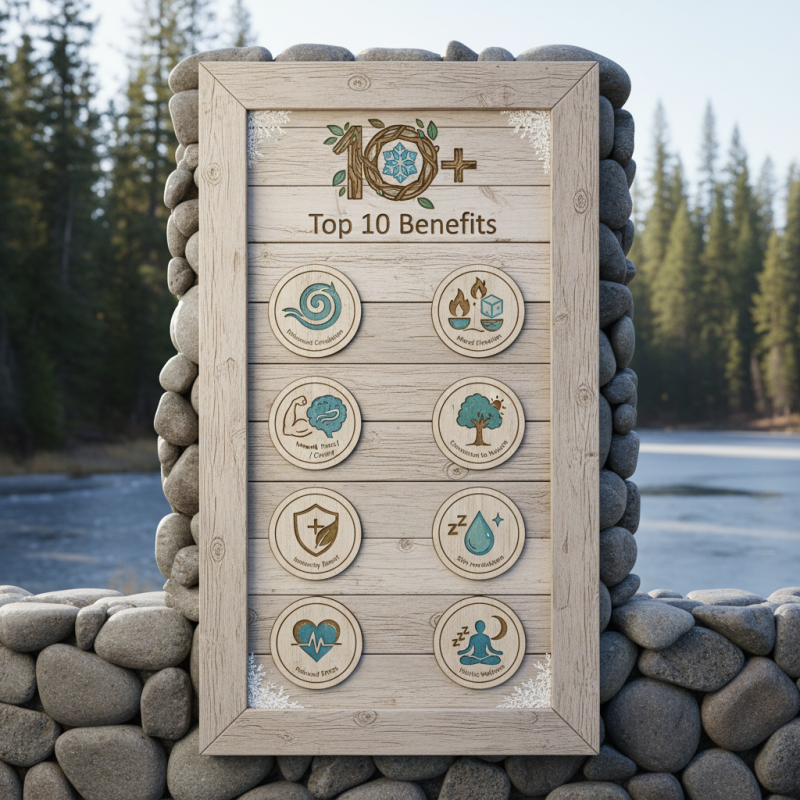
Cold Plunge Wood offers a range of health and wellness benefits that can significantly enhance physical and mental well-being. This article explores the concept of cold water therapy, emphasizing its advantages such as muscle recovery promotion and improvements in mental health through regular exposure to cold temperatures. The science behind cold plunge practices reveals how they can enhance immune function and reduce stress, making them an effective tool for overall health optimization.
Incorporating cold plunge sessions into your routine can be straightforward and rewarding. Practical tips are provided to help individuals seamlessly integrate this revitalizing practice into their daily lives, ensuring they reap the extensive benefits of Cold Plunge Wood. Whether you are an athlete seeking recovery or someone looking to boost mental clarity and resilience, the cold plunge experience represents a powerful ally in achieving holistic wellness.