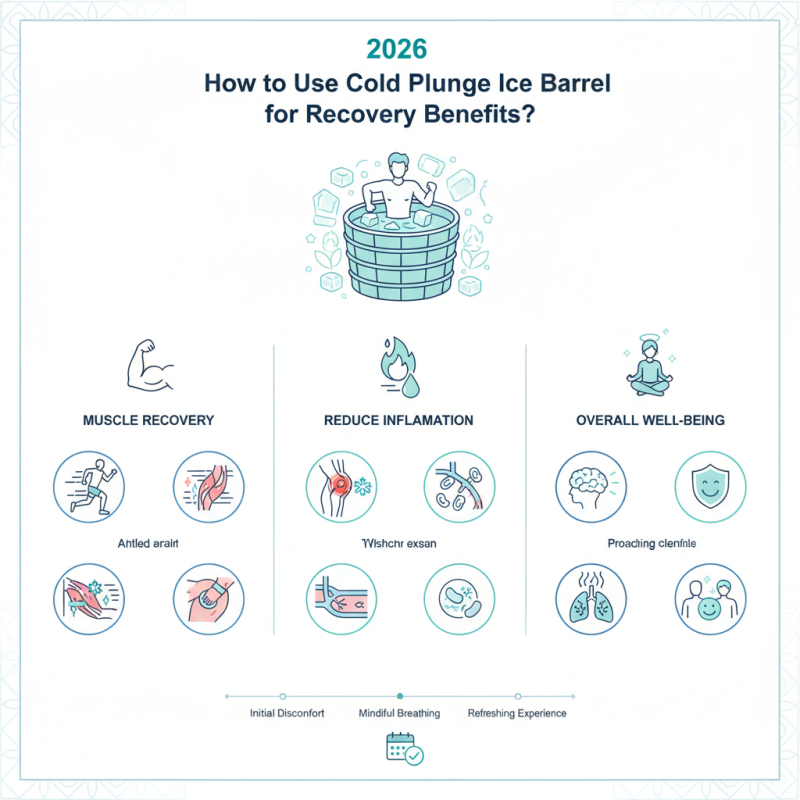
Lately, the **Cold Plunge Ice Barrel** has become pretty popular, especially with athletes and folks into wellness. Everyone's curious about what it can do. Basically, it’s about taking a cold plunge that’s supposed to help your muscles recover, cut down on inflammation, and boost your overall sense of well-being. But here's the thing—it's not just about jumping in. You really wanna be mindful and focus on your breathing. At first, yeah, it might feel a bit uncomfortable—like, who wouldn't expect that? But if you stick with it, it can turn into a surprisingly refreshing experience. Just picture that icy chill wrapping around you—it’s pretty invigorating! Yeah, the idea of jumping into freezing water can seem a little intimidating, but honestly, it can be pretty transforming too.
And here’s a tip: consistency is everything. It’s not a quick fix you do once and forget about. Some people find it tough to keep up with a routine, but honestly, the effort is so worth it. The first few times might be rough, but as you get used to it, the benefits just keep growing. Embracing the cold can even bring you more clarity and build resilience over time.
So, yeah, it's all about sticking with it—even when it’s not easy—and letting your body adapt. Trust me, the payoff is pretty awesome in the long run.
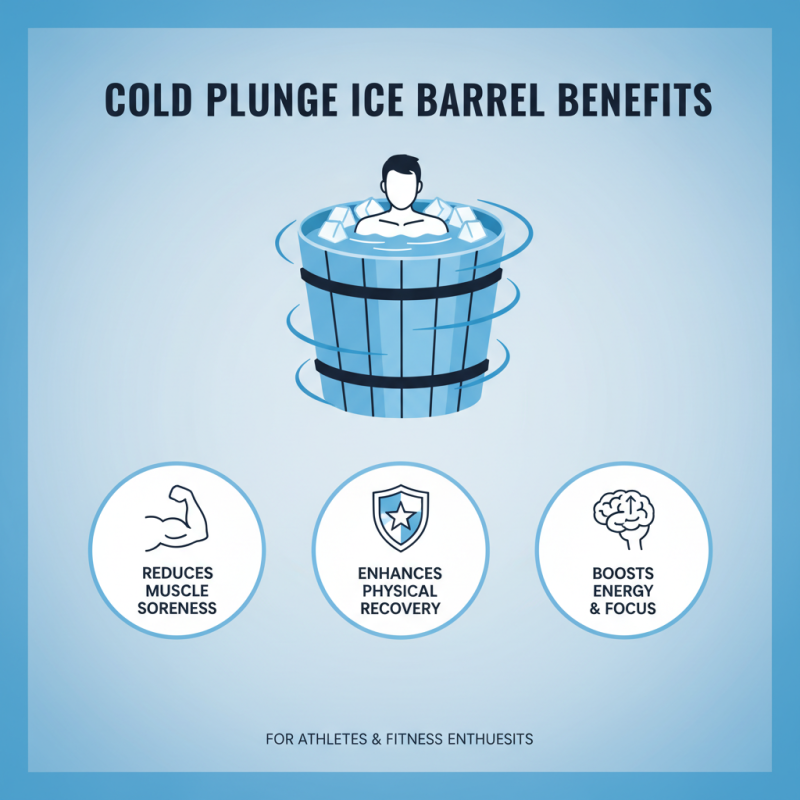
Cold plunge ice barrels offer unique recovery benefits. They are designed for athletes and fitness enthusiasts. The practice involves submerging oneself in cold water. This method is believed to enhance physical recovery and reduce muscle soreness.
When using a cold plunge ice barrel, immersion time is crucial. Staying in the cold should typically last between 5 to 10 minutes. Beginners might find this challenging at first. The initial shock can be quite intense. However, many discover the invigorating effect it brings over time.
Understanding how cold exposure affects the body is vital. The cold triggers blood vessels to constrict, reducing inflammation. This process helps in faster recovery after intense workouts. It’s important to listen to your body. Some may require more time to adapt. Others might feel refreshed right away. Finding the right balance of cold exposure requires patience and self-reflection. Enjoy the journey of discovering what works for you.
Cold water therapy has gained popularity for its recovery benefits. It’s rooted in science, with numerous studies supporting its effectiveness. Cold exposure can reduce inflammation and muscle soreness. This can be especially helpful after intense workouts. The chilling effect constricts blood vessels, helping to flush out metabolic waste.
Using a cold plunge or ice barrel requires preparation. The shock of cold can be daunting, yet it's manageable. Start with shorter sessions. Gradually increase the time spent in the cold. Your body needs to adapt to the temperature. It's not always easy; some days you’ll feel overwhelmed. This discomfort can lead to growth.
The experience of Cold Therapy offers reflections on mental resilience. You may question your motivations and discomfort levels. Embracing this moment can enhance your mental fortitude. Each plunge into the icy water can become a stepping stone for personal challenges. It's not just about muscle recovery but also about cultivating a stronger mindset.
Setting up a cold plunge ice barrel at home can be quite straightforward. You’ll need a flat, stable surface. Look for a space that’s easy to access. This could be in your backyard or a garage. Ensure there’s enough room for you to maneuver around it safely. You might want to have a towel and some non-slip footwear nearby. These small details help enhance your experience.
Next, fill the barrel with cold water. Ice can be added for extra chill. Pay attention to the temperature. Ideally, aim for around 50°F to 59°F. It's chilly, yes, but not unbearable. Many people find 3 to 5 minutes is a good starting point. Make sure to listen to your body. If it's too uncomfortable, don't hesitate to get out and warm up.
Reflect on your setup regularly. Is the location still convenient? Are you consistent with your plunges? Not every day will feel perfect. Some days, it’ll be tempting to skip. Remember, the key is in the routine, even when it feels tough. Enjoy the journey of recovery, and adjust as needed. Your home setup should serve you well in the long run.
cold plunge therapy has gained popularity for its recovery benefits. Studies show that cold exposure can reduce muscle soreness by up to 30%. This benefit is crucial for athletes and fitness enthusiasts alike. However, using a cold plunge effectively requires attention to best practices.
Start with a temperature range between 50°F to 59°F for optimal results. Immerse yourself for 10 to 15 minutes. This duration is generally considered effective for achieving desired recovery effects. Many users find it hard to endure the cold at first. It’s natural to feel discomfort, but gradual exposure can help. Perhaps try starting with shorter periods and progressing over time.
Listening to your body is key. Not everyone reacts the same way. Some may experience numbness or shivering. These sensations are signs of your body adjusting. Reflecting on your comfort and experiences can guide future sessions. Maintaining consistency is important but should not come at the expense of safety. Use a timer to keep sessions in check and avoid overexposure. Finding the right balance may take some time, and that’s okay.
Timing and duration play a crucial role in optimizing the benefits of cold plunge therapy. Research indicates that exposure to cold water helps reduce muscle soreness and improves recovery. Ideally, staying in cold water for 10 to 15 minutes strikes a good balance. A study published in the Journal of Sports Science revealed that temperatures between 50°F and 59°F (10°C to 15°C) are ideal for recovery. Times shorter than 10 minutes may not yield significant benefits, while exceeding 20 minutes can lead to hypothermia.
Listening to your body is essential. Some individuals may find they feel better with shorter cold exposure. Professional athletes often use a 12-minute guideline, but personal tolerance levels can vary. It’s recommended to focus on how your body feels. If you experience discomfort or numbness, you may need to reconsider your duration.
Cold water therapy is not universally beneficial. It can slow down recovery for some individuals, especially if done excessively. Balancing between cold exposure and other recovery methods is important. Proper timing and understanding your limits are crucial for maximizing the positive effects of cold plunges.
| Recovery Method | Optimal Duration (minutes) | Temperature Range (°F) | Frequency (per week) |
|---|---|---|---|
| Cold Plunge | 10-15 | 50-59 | 2-3 |
| Ice Bath | 8-12 | 32-40 | 1-2 |
| Contrast Bath | 15-20 | 50-59 for cold; 100-104 for hot | 2-4 |
| Cryotherapy | 3-5 | -200 to -220 | 2-3 |
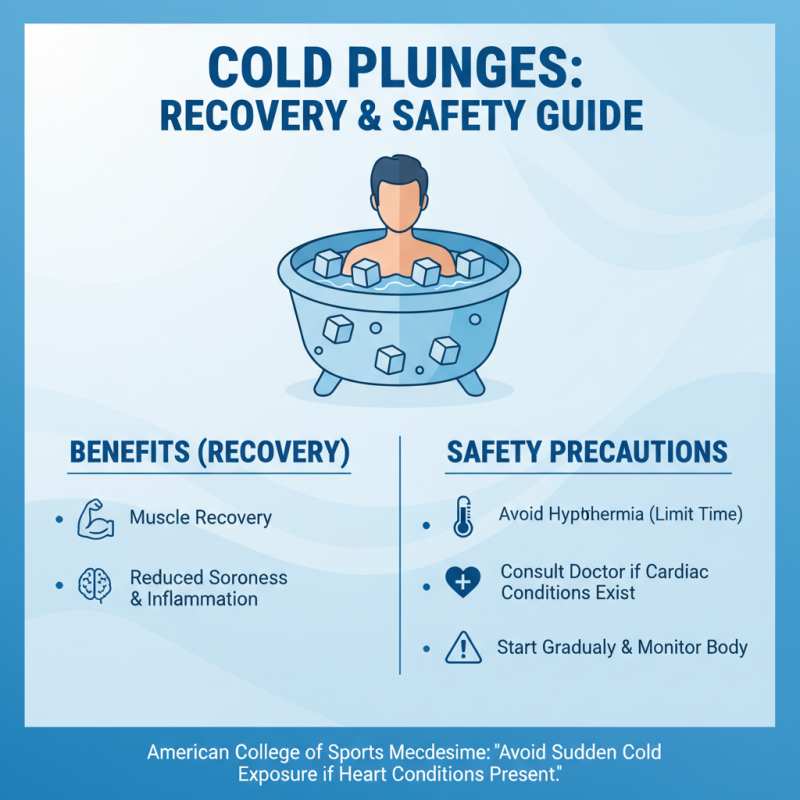
Cold plunges can enhance recovery. However, safety is crucial. Improper use may lead to adverse effects. Research shows that cold exposure can quickly lower body temperature, potentially causing hypothermia. The American College of Sports Medicine advises individuals with cardiovascular conditions to avoid sudden cold exposure. Even a brief immersion can stress the heart.
Before using a cold plunge, assess your health status. Pregnant women and those with circulation issues should avoid cold water therapy altogether. In 2022, a report indicated that around 30% of individuals experienced discomfort after cold exposure. This highlights the need for caution. Start with shorter durations. Five minutes is often a good starting point. Monitor how your body responds throughout.
Remember, not everyone benefits equally. Some report increased soreness instead of relief. This can be discouraging. If you feel pain or persistent discomfort, consult a healthcare professional. Embrace cold plunges for recovery, but always prioritize your safety.
Combining cold plunges with other recovery techniques can amplify benefits. Cold water therapy helps reduce inflammation. Studies show it can decrease muscle soreness by up to 23% when used correctly. This is vital for athletes recovering post-training or competition.
Incorporating practices like active recovery, stretching, and hydration can enhance the effects of cold plunges. Active recovery engages muscles lightly, promoting blood flow. Stretching post-plunge can further calm the muscles. A study from the Journal of Sports Sciences indicates that hydration supports bodily functions, making recovery more effective.
However, cold plunging isn't without its drawbacks. Some individuals find the temperatures uncomfortable, risking inconsistent usage. Monitoring your body’s response is crucial. Overuse of cold therapy may impede muscle growth. It’s essential to balance cold exposure with warm recovery methods. Listening to your body ensures a tailored recovery approach for optimal performance.
: It is designed to enhance daily routines and improve overall quality of life.
Anyone looking to simplify tasks or boost efficiency in their daily activities.
It is suitable for all ages, but younger users may adapt more quickly.
Some users report minor discomfort during initial use. This usually fades with time.
Results can vary. Some users notice changes in days, while others take weeks.
Yes, but observe how your body responds. Mixing different products can sometimes be tricky.
Overusing it too soon or not following instructions can lead to disappointment.
Yes, many retailers offer a satisfaction guarantee. Check terms before purchase.
Contact support for help. They can provide troubleshooting tips and solutions.
Sharing is possible, but personal comfort and hygiene should be prioritized.
The "Cold Plunge Ice Barrel" is an innovative tool designed for individuals seeking to enhance their recovery through cold water therapy. This article outlines the fundamentals of using these barrels, delving into the scientific principles that support the benefits of cold exposure on recovery processes. It provides a comprehensive guide on setting up your own Cold Plunge Ice Barrel at home, including best practices for optimal usage.
Furthermore, the article discusses essential aspects such as timing and duration of cold exposure, ensuring users know how long to stay in cold water for maximum benefits. Safety precautions and contraindications are also addressed, highlighting the importance of understanding one’s health before engaging in cold therapy. To further enhance recovery, the article suggests combining cold plunges with other recovery techniques, ultimately promoting a holistic approach to wellness and revitalization.