request to quote
Leave Your Message
0%

You’ve probably heard about the whole craze surrounding Sauna Houseslately, right? They’re not just about getting warm—they're about some pretty impressive health perks too. I recently came across a report from the International Sauna Association that mentioned how regular sauna sessions could cut down your risk of heart problems by about 27%. Pretty wild, huh? It really shows how a Sauna House could be a great way to boost your heart health.

Dr. Anna Lindström, a well-known wellness guru, even says, “The Sauna House is more than just a place to relax; it’s a route to better health.” That really hits home for lots of folks looking to unwind and feel better. Honestly, after just a few visits, many people swear they notice less muscle tension and a happier, more relaxed mind. The whole vibe—with warm, soothing heat and just the right amount of humidity—makes it so inviting, whether you’re after physical recovery or just some mental clarity.

Of course, not everyone gets the same benefits. Some folks might find the heat a bit overwhelming or just not their thing, and that’s totally okay. It really depends on your personal health and comfort levels. A Sauna House is kind of like a personal journey—everyone’s experience can be different, and that’s what makes it special. It’s all about finding what works best for you and your wellbeing.


What is a Sauna House and How Does it Benefit Your Health?

What is a Sauna House?

What is a Sauna House and How Does it Benefit Your Health?

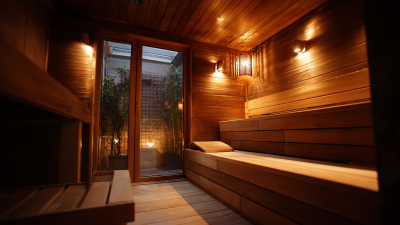
A sauna house is a space designed for relaxation and heat therapy. Traditionally, it features wooden benches and is heated with a stove or infrared heaters. The environment usually reaches temperatures between 150°F and 195°F (65°C to 90°C). This warm atmosphere helps to induce sweating, which is believed to cleanse the body of toxins.

Research indicates that regular sauna use can improve cardiovascular health. A study published in the Journal of the American College of Cardiology found that using a sauna 4–7 times a week correlated with a 50% lower risk of cardiovascular disease. Additionally, saunas can aid in muscle recovery after workouts, making them popular among athletes. However, it's important to stay hydrated and listen to your body during a sauna session.

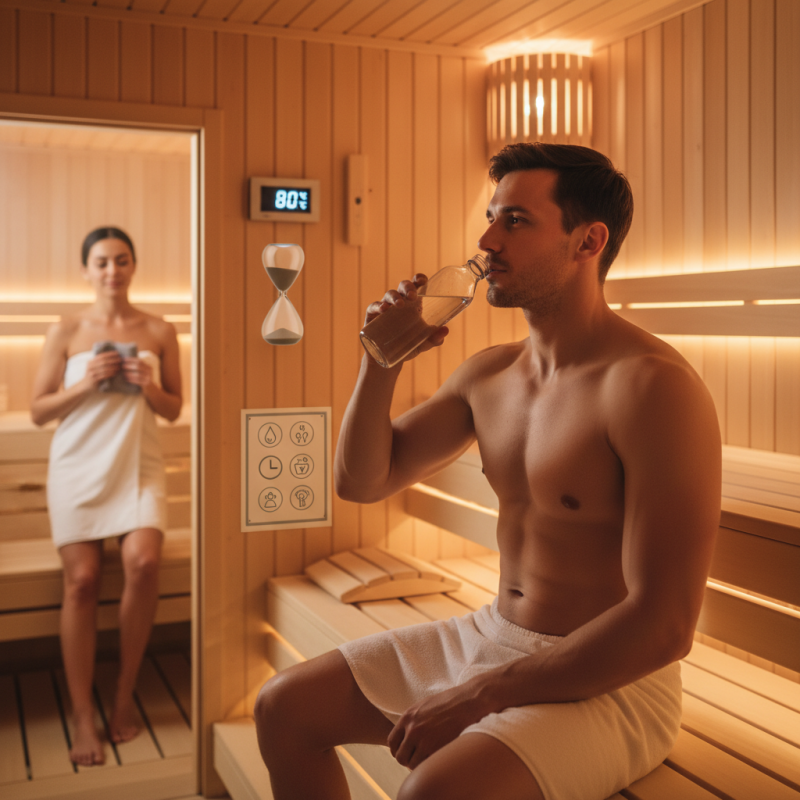
**Tip:** Start with shorter sessions, around 5–10 minutes. Gradually increase the duration as you become comfortable. Always drink water before and after to avoid dehydration.

While many enjoy saunas, they may not be suitable for everyone. Some individuals might experience discomfort due to high temperatures. If you feel dizzy or unwell, it's crucial to exit immediately. Always consult a healthcare provider if you have underlying health conditions. Sauna houses, despite their benefits, require mindful usage to really enjoy their potential.

History and Cultural Significance of Sauna Houses

A sauna house is deeply intertwined with cultural traditions. Originating in Finland, it serves as a communal space. Families gather here to relax and socialize. The very act of sitting in a sauna fosters connection.

Historically, sauna houses were built near homes. They acted as washing spaces and places for rituals. The heat from a Dry Sauna encourages physical relaxation. Participants often engage in mindfulness as the heat envelops them. This soothing experience allows reflection and introspection. The ambiance can feel sacred, almost like a retreat from the outside world.

However, not everyone embraces the sauna experience. Some find the heat overwhelming or claustrophobic. Others may struggle to connect with the ritual. Despite this, the sauna remains a vital part of many cultures. Its significance endures, promoting health and wellness. The importance of coming together, even in discomfort, can lead to personal growth.

Different Types of Sauna: Traditional vs. Infrared

When exploring sauna options, it's essential to understand the differences between traditional and infrared saunas. Traditional Saunas use heated stones to warm the air, creating a humid and steamy environment. This method provides aWet Sauna experience that many find relaxing. The humidity helps to open pores and promotes sweating, which can aid in detoxification. However, the intense heat may not suit everyone.

On the other hand, infrared saunas utilize infrared heaters to emit light that gets absorbed by the skin. This type of sauna raises body temperature without heating the surrounding air as much. Many people prefer this method because it feels more tolerable. Infrared saunas can penetrate deeper into the skin, potentially providing unique health benefits. The experience is often more personal and less communal than in a traditional setting.

Each sauna type presents its unique advantages. Choosing one depends on personal comfort and health goals. It's necessary to reflect on your individual reactions to heat and humidity before deciding. Have you ever felt dizzy in a Wet Sauna? That might guide your choice. Both options offer a relaxing atmosphere, but your health needs should lead the way.

Health Benefits of Regular Sauna Use

Sauna use has gained popularity due to its numerous health benefits. Research shows that regular sauna sessions can improve cardiovascular health. A study published in the Journal of the American College of Cardiology found that individuals who used saunas 4-7 times a week had a 50% lower risk of cardiovascular events compared to those who used them less frequently.

In addition, saunas can aid in muscle recovery. Heat increases blood flow, reducing soreness and promoting healing. Athletes often note improved performance after regular sauna use. The Journal of Science and Medicine in Sport emphasizes that post-exercise sauna use can enhance recovery time significantly. Sweating can also help remove toxins from the body. This natural detoxification can make a notable difference in overall wellness.

However, it is essential to listen to your body. Sauna use may not suit everyone, especially for those with certain health issues. Some might experience dizziness or dehydration. Ensuring proper hydration before and after a sauna session is crucial. Consulting a healthcare provider beforehand can also help tailor sauna use to individual health needs.

How to Use a Sauna for Maximum Benefits

Using a sauna can unlock numerous health benefits. To maximize these effects, the method of use is crucial. The ideal sauna session lasts between 15 to 20 minutes. Staying hydrated is essential. Drink water before and after your session. This helps to replenish lost fluids. Industry reports suggest that regular sauna use can improve cardiovascular health. A study from the Journal of the American College of Cardiology emphasizes that frequent sauna bathing reduces the risk of heart disease by 27%.

Finding the right temperature is important. Most saunas operate between 150°F to 195°F (65°C to 90°C). Start at a lower temperature if you’re new. Gradually increase it as your body acclimates. During your session, focus on your breathing. Deep, steady breaths can enhance relaxation. Don't be discouraged if you feel overwhelmed at first. Personal reflection is key. Consider how your body reacts to the heat. After your session, cool down slowly. This contrast can boost circulation.

Experimenting with the Sauna Box design can also improve your experience. The enclosed space helps retain heat effectively. Create a calming atmosphere with soft lighting or serene music. Remember, everyone’s experience varies. Some might find relief quicker than others. Listen to your body and adjust as needed. Embrace the journey of wellness through sauna use.

Health Benefits of Sauna Use

Safety Considerations When Using a Sauna

What is a Sauna House and How Does it Benefit Your Health?

Using a sauna can provide numerous health benefits, but safety should always come first. It's essential to hydrate properly before stepping into the heat. Water helps prevent dehydration during a sauna session. Overheating can occur if you stay inside for too long. Most experts recommend limiting your time to 15-20 minutes. Remember, feeling dizzy is a sign to exit immediately.

Tent Saunas offer a unique experience. They can be portable and easy to set up in most environments. However, ensure there is proper ventilation. Poor airflow can lead to discomfort or increased heat stress. People with health issues, like heart conditions, should consult a physician before use. It’s essential to listen to your body and not push your limits in a sauna.

Saunas can help with relaxation and detoxification, yet one must tread carefully. The temperature can climb quickly, and unfamiliarity can lead to mistakes. If it's your first experience in a tent sauna or any sauna, take time to understand how your body reacts. It’s a journey of self-discovery, where reflection on personal limits matters greatly.

Tips for Creating a Home Sauna Experience

Creating a home sauna experience can be rewarding. A sauna helps reduce stress and improves circulation. According to a study published in the Journal of Human Hypertension, regular sauna use can lower blood pressure. It’s essential to consider a few key tips while designing your sauna space.

Select a suitable room that is well-ventilated. Many people choose to convert a small bathroom or spare room. The space should maintain a temperature range of 150 to 195 degrees Fahrenheit. Adding proper insulation is crucial. It keeps the temperature stable. Use natural materials like wood, which enhances the atmosphere. Cedar and pine are great choices.

Incorporate elements like soft lighting and soothing scents. Aromatherapy can elevate the experience. Consider using essential oils such as eucalyptus or lavender. A few potted plants can bring life into the space as well. Keep the sauna tidy and organized to promote a calming environment. Remember, the goal is relaxation. It’s okay if the setup isn’t perfect. Tailor the sauna experience to suit your needs and preferences.

FAQS

: What is a sauna house?

: A sauna house is designed for relaxation and heat therapy. It usually has wooden benches and is heated.

What are the typical temperatures in a sauna?

Saunas typically reach temperatures between 150°F and 195°F (65°C to 90°C). This heat promotes sweating.

How can sauna use benefit cardiovascular health?

Regular sauna use can improve cardiovascular health. It may lower the risk of heart disease significantly.

How often should I use a sauna?

It’s recommended to use a sauna 4–7 times a week for health benefits. Adjust based on personal comfort.

What should I do if I feel uncomfortable in a sauna?

If you feel dizzy or unwell, exit the sauna immediately. Listen to your body during sessions.

Should I drink water before and after sauna use?

Yes, staying hydrated is crucial. Drink water before and after to avoid dehydration during sauna sessions.

What is the difference between traditional and infrared saunas?

Traditional saunas create a humid environment, while infrared saunas use light to heat your body directly.

Can everyone enjoy sauna sessions?

No, saunas may not be suitable for everyone. Individuals with certain health conditions should consult a provider first.

How should I start my sauna experience?

Start with shorter sessions of about 5–10 minutes. Gradually increase the duration as you feel more comfortable.

What should I reflect on when choosing a sauna type?

Consider your personal comfort with heat and humidity. Past experiences, like dizziness, can guide your choice.

Conclusion

A Sauna House is a specially designed space for enjoying the therapeutic benefits of sauna bathing, a practice with deep historical roots and cultural significance across various regions. There are different types of saunas, including traditional steam saunas and modern infrared options, each offering unique experiences and health benefits. Regular use of a Sauna House can promote relaxation, improve circulation, and aid in detoxification.

To maximize the benefits of sauna use, it’s important to understand how to use a sauna correctly, including optimal temperature settings and duration. Safety considerations should also be taken into account, ensuring a comfortable and safe environment. For those interested in creating their own home sauna experience, there are several tips and ideas available to enhance this wellness practice. Overall, a Sauna House serves as a valuable retreat for enhancing both physical and mental well-being.


Sophia

Sophia

Sophia is a dedicated marketing professional with extensive expertise in the field, currently driving the growth and visibility of a leading manufacturing company located in Huizhou, China. With over 10,000 square meters of state-of-the-art manufacturing facilities and a strong team of more than 20......
Previous Exploring the Future: 2025 Market Trends and Leading Examples for the Best Electric Sauna