Lately, more and more athletes and wellness buffs have been jumping on the Ice Bathtub trend. Honestly, it’s become a pretty popular go-to for recovery and feeling refreshed. Using an ice bath isn’t just about soothing sore muscles—there’s a bunch of other perks too. When you dip into those cold temps, it can boost your blood flow, cut down on inflammation, and help you bounce back faster after tough workouts. That’s why a lot of people see it as an essential part of their fitness routines.
Looking ahead to 2025, the focus on overall wellness is really shifting toward more holistic approaches. Because of that, more folks are trying out different recovery methods, and ice baths are definitely up there. They’re not just good for your body but also help boost your mental strength—making it easier to handle stress and fatigue. In this article, I’ll explore different ways you can add ice baths into your self-care routine, highlighting why they matter for your health and well-being overall. Once you get the hang of the benefits and some best practices, you’ll be better equipped to make the most out of this invigorating, therapeutic practice.
Ice bathing, often regarded as a critical practice in recovery and wellness, has gained significant attention in recent years. According to research published in the *Journal of Sports Sciences*, Cold Water Immersion can lead to a marked reduction in muscle soreness following intense physical activity. In a meta-analysis involving multiple studies, participants who engaged in ice baths reported a 20-25% decrease in perceived soreness compared to those who rested or engaged in active recovery methods. This effect is largely attributed to the vasoconstriction and subsequent vasodilation that cold exposure induces, which helps to reduce inflammation and enhance blood flow after the body warms up again.
Furthermore, a study from the *International Journal of Sports Physiology and Performance* revealed that ice baths can enhance recovery markers, including plasma creatine kinase levels—a key indicator of muscle damage. Athletes who regularly incorporated ice bathing into their recovery protocols exhibited lower levels of this biomarker, suggesting that the practice could aid in mitigating muscle damage and accelerating recovery times. Such findings underscore the potential of ice baths not only for athletes but also for anyone engaged in rigorous physical activity, making it an accessible tool for improving overall wellness and physical resilience.
| Benefit | Description | Scientific Evidence | Recommended Duration |
|---|---|---|---|
| Reduces Muscle Soreness | Ice bathing helps to decrease delayed onset muscle soreness (DOMS) post-exercise. | Multiple studies indicate a significant reduction in soreness after ice immersion. | 10-15 minutes at 10-15°C |
| Enhances Recovery | Promotes faster recovery times by reducing metabolic damage. | Research shows improved recovery metrics in athletes using cold water immersion. | 15-20 minutes post-exercise |
| Decreases Inflammation | Cold temperatures reduce swelling and inflammation in tissues. | Clinical trials support ice baths in reducing inflammation markers. | 10-15 minutes as needed |
| Improves Mental Toughness | Exposure to cold can enhance mental resilience and focus. | Studies suggest a correlation between cold exposure and increased mental toughness. | 5-10 minutes for beginners |
| Boosts Circulation | Cold exposure causes blood vessels to constrict and then dilate, enhancing blood flow. | Research indicates improved circulation following cold exposure. | 10-15 minutes per session |
Ice baths have gained popularity as a recovery method among athletes and fitness enthusiasts, mainly due to their physiological effects on muscle recovery and inflammation. When the body is submerged in ice-cold water, blood vessels constrict, leading to reduced blood flow, which helps decrease inflammation and muscle soreness. This process also aids in flushing out metabolic waste products, allowing for quicker recovery times between intense workouts or competitions.
For those considering incorporating ice baths into their recovery routine, here are some tips to maximize benefits. First, it's advisable to limit the duration of ice baths to 10-15 minutes to avoid adverse effects from prolonged exposure to cold. Secondly, maintaining a temperature between 50-59°F (10-15°C) is generally recommended to strike a balance between comfort and effectiveness. Lastly, be sure to warm up gradually after the bath to promote blood flow back to the muscles and enhance the recovery process.
In addition to their physical benefits, ice baths can also contribute positively to mental wellness. The shock of cold water can invigorate the mind, helping to reduce stress and anxiety levels. As you immerse yourself in the ice bath, focus on controlled breathing and mindfulness to enhance the overall experience and maximize the benefits for both your body and mind.
Ice bath therapy has gained significant traction among athletes and wellness enthusiasts for its potential recovery benefits. The optimal duration for an ice bath typically ranges from 10 to 15 minutes, according to research published in the Journal of Sports Science and Medicine. This timeframe is essential to ensure that the body receives the anti-inflammatory effects without the risk of hypothermia or excessive discomfort. Temperatures around 50°F to 59°F (10°C to 15°C) are recommended to strike a balance between intensity and efficacy, allowing muscle recovery while minimizing the shock to the system.
Research indicates that exposure to cold can lead to decreased muscle soreness and improved recovery markers following intense exercise. A study from the International Journal of Sports Physiology and Performance suggests that athletes who incorporate ice baths into their recovery routine can experience a 20% reduction in delayed onset muscle soreness (DOMS). This data underscores the importance of adhering to the optimal duration and temperature guidelines to maximize the therapeutic benefits of ice baths. By carefully monitoring their exposure time and temperature, users can enhance their recovery process and promote overall wellness effectively.
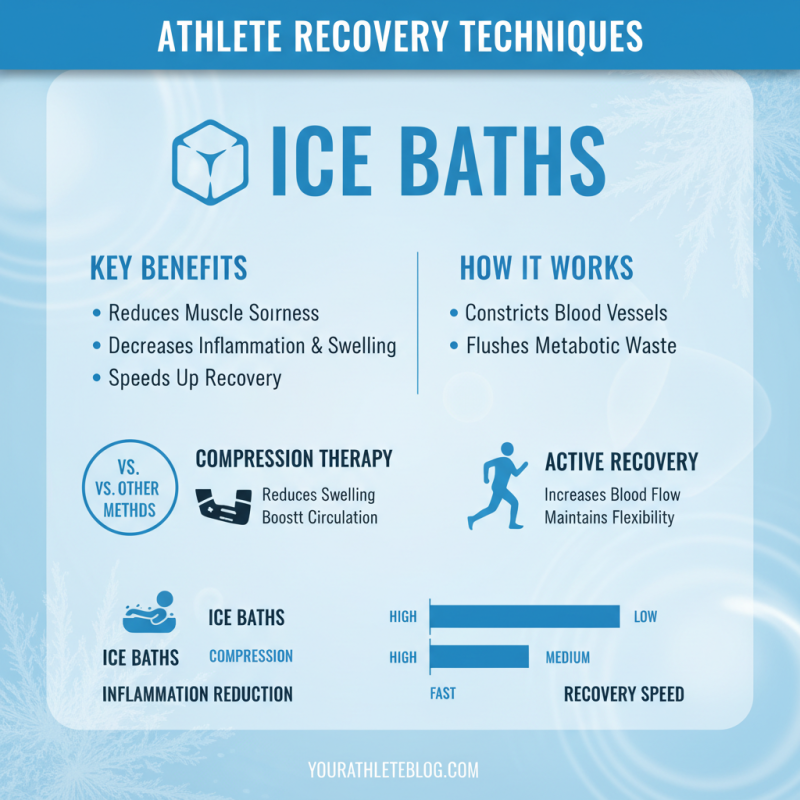
Ice baths have gained significant popularity among athletes as a recovery technique, particularly due to their potential benefits in reducing muscle soreness and enhancing recovery after intense training sessions. When comparing ice baths to other recovery methods, such as compression therapy and active recovery, there are distinct advantages that ice baths present. One of the primary benefits of ice baths is their ability to constrict blood vessels, which helps diminish swelling and inflammation, ultimately leading to a quicker recovery time.
On the other hand, while compression therapy can promote circulation and reduce muscle fatigue, it may not offer the same immediate relief from inflammation as ice baths do. Active recovery, which involves low-intensity exercise post-workout, can also improve blood flow and aid recovery, but it may not address acute soreness as effectively as cold exposure. Athletes often consider the intensity of their workouts and individual recovery needs when choosing a method. Ice baths can serve as a powerful tool in their recovery arsenal, particularly in the face of high-impact training and competitions, providing a unique approach that distinguishes it from more passive methods.
Ice bathing is increasingly recognized not only for its physical benefits but also for its profound impact on mental and emotional well-being. Research indicates that exposure to cold water can stimulate the production of norepinephrine, a neurotransmitter that plays a critical role in mood regulation. A 2018 study published in the "Journal of Clinical Psychology" found that individuals who regularly engaged in ice baths reported lower levels of anxiety and improved overall mood compared to those who did not, underscoring the psychological benefits of this practice.
Furthermore, the mental clarity achieved through ice bathing has been associated with enhanced focus and resilience. The initial shock of cold water triggers a physiological response that increases heart rate and metabolic rate, which can lead to a state of alertness. A study by the University of Portsmouth highlighted that participants who practiced cold exposure reported heightened levels of focus in subsequent tasks, suggesting that ice bathing can serve as an effective tool for mental fortitude. This aligns with findings from the "International Journal of Environmental Research and Public Health," which suggested that regular cold exposure could contribute to improved emotional resilience, helping individuals better manage stress and adverse situations.
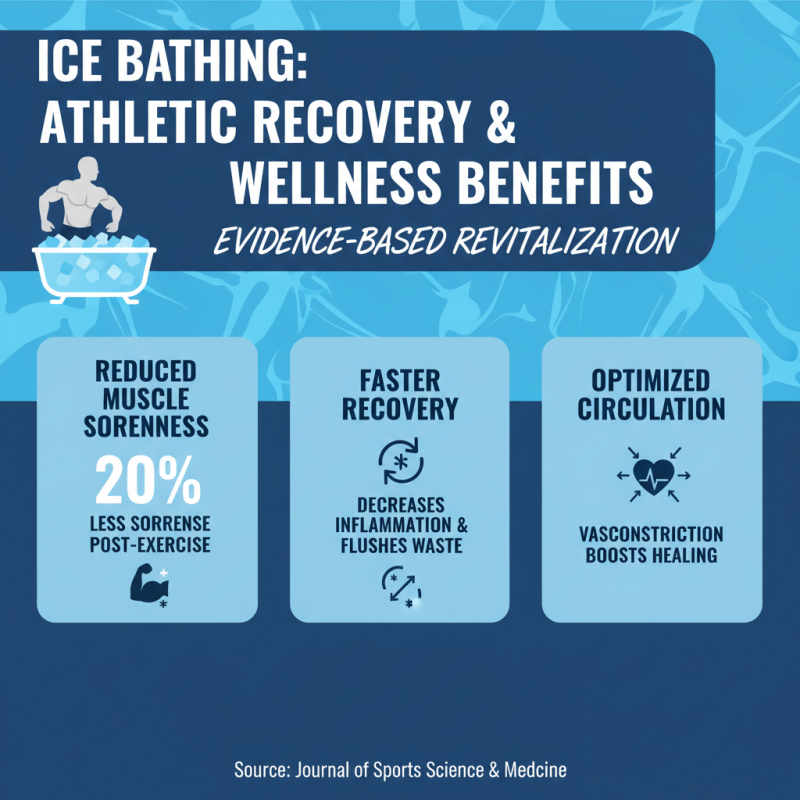
Recent evidence-based studies have highlighted the significant wellness benefits associated with ice bathing, particularly for athletes and active individuals. Research published in the "Journal of Sports Science & Medicine" revealed that cold water immersion can reduce muscle soreness by up to 20% when used immediately after intense exercise. This therapeutic practice promotes vasoconstriction, which helps decrease inflammation and speed up recovery by flushing out metabolic waste.
In addition to its physical benefits, ice bathing has been linked to enhanced mental health outcomes. A study conducted by the "International Journal of Environmental Research and Public Health" found that participants who engaged in regular ice baths reported lower levels of stress and anxiety. The shock of cold water stimulates the release of endorphins, providing an immediate mood boost. Furthermore, regular exposure to cold is associated with improved resilience and enhanced mental clarity, making ice baths a potent tool for overall well-being. As these studies continue to emerge, the application of ice baths within recovery protocols is becoming increasingly supported by scientific evidence.
When considering the use of ice bathtubs for recovery and wellness, it's crucial to prioritize safety and understand specific contraindications. Individuals with certain medical conditions should exercise caution before engaging in ice bath therapy. Those with cardiovascular issues, like hypertension or heart disease, may experience adverse effects due to the sudden temperature change, which can strain the heart. Similarly, individuals with diabetes or conditions that impair circulation should be mindful, as their bodies may not respond well to extreme cold.
In addition to existing medical conditions, public safety is paramount when using ice bathtubs. People should be aware of the risks of hypothermia, which can occur if exposure to cold is prolonged. It's recommended to limit ice bath sessions to 10-15 minutes and to always monitor body temperature. Moreover, those who are pregnant, have recently undergone surgery, or have skin conditions like frostbite or severe eczema should avoid ice baths altogether, as the cold water could exacerbate existing issues. Consulting with a healthcare professional before use is essential to ensure that individuals can safely incorporate ice baths into their recovery regimen.
: Ice baths help in muscle recovery by constricting blood vessels, reducing blood flow, decreasing inflammation and muscle soreness, and flushing out metabolic waste products, which leads to quicker recovery times.
It is advisable to limit the duration of ice baths to 10-15 minutes to avoid adverse effects from prolonged exposure to cold.
A temperature between 50-59°F (10-15°C) is generally recommended to balance comfort and effectiveness during ice baths.
Gradually warming up after an ice bath is important to promote blood flow back to the muscles and enhance the recovery process.
Ice baths can help reduce stress and anxiety levels, invigorate the mind, and provide a mood boost due to the release of endorphins stimulated by the shock of cold water.
Research indicated that cold water immersion can reduce muscle soreness by up to 20% when used immediately after intense exercise.
Regular ice bathing has been linked to lower levels of stress and anxiety, improved resilience, and enhanced mental clarity.
Ice baths promote recovery by facilitating vasoconstriction, which decreases inflammation and accelerates the removal of metabolic waste from the muscles.
Focusing on controlled breathing and mindfulness while in the ice bath can enhance the overall experience and maximize benefits for both body and mind.
Emerging evidence-based studies are increasingly supporting the application of ice baths within recovery protocols due to their documented physical and mental health benefits.
Ice bathtubs have gained popularity as a recovery tool for athletes and fitness enthusiasts due to their scientifically supported benefits for physical and mental wellness. The physiological effects of ice baths include reduced muscle soreness and inflammation, which enhance the recovery process post-exercise. Research suggests that optimal temperature and duration—typically between 10 to 15 degrees Celsius for 10 to 15 minutes—are key for maximizing these benefits.
In addition to physical recovery, ice bathing also offers mental and emotional advantages, such as improved mood and resilience. A comparative analysis reveals that while ice baths are effective, they are one of many recovery techniques available. It is crucial to understand safety considerations and contraindications before incorporating ice bathtubs into a wellness routine, ensuring a safe and beneficial experience for all users.