Cold Plunge sessions are really catching on in wellness circles lately. Honestly, they offer a pretty cool, different way to boost recovery and overall health. Jumping into cold water can be such an energizer—it’s surprisingly invigorating! A lot of athletes and fitness buffs swear by the benefits, like better circulation and less muscle soreness. Plus, that chilling shock can actually help build mental toughness too.
If you make Cold Plunge a regular thing, you might notice your mood lift and your energy spike. Science backs this up; research shows exposing yourself to cold can cut down on inflammation and even improve your sleep patterns. The water temps can vary, but the real trick is consistency—stick with it, and you’ll start to feel pretty awesome afterward. People often say they leave the sessions feeling refreshed and ready to take on whatever’s next.
That said, it’s super important to be cautious. Not everyone reacts the same way — some folks might feel uncomfortable at first, and that’s totally normal. Take your time to get used to it, and really listen to your body. Embrace a bit of the discomfort, but always prioritize safety. For many, this cold immersion isn’t just about physical benefits — it often brings surprising clarity and strength too. It’s kind of a game-changer in the recovery journey, honestly.
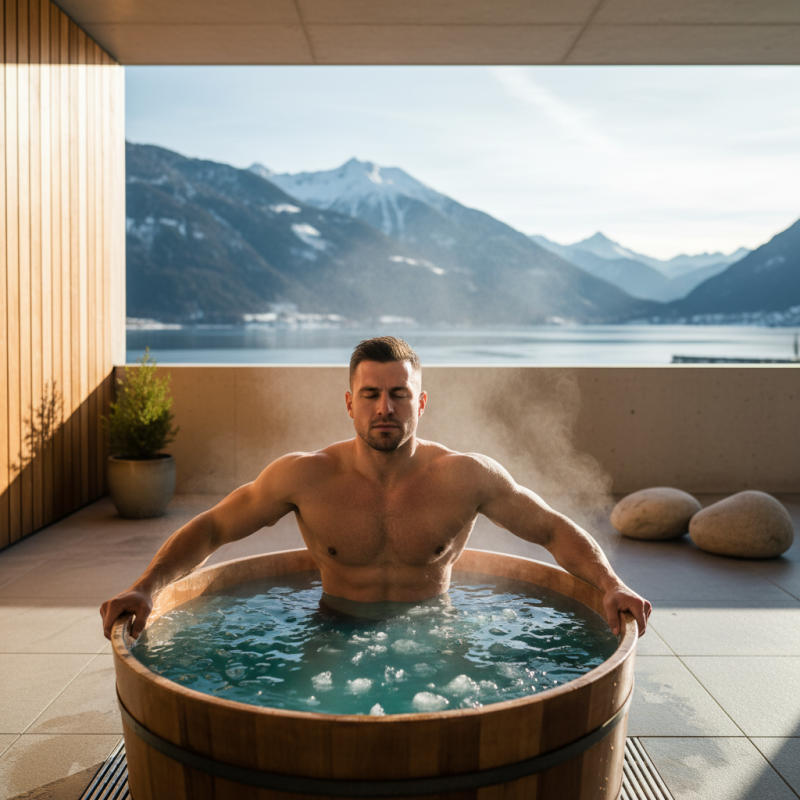
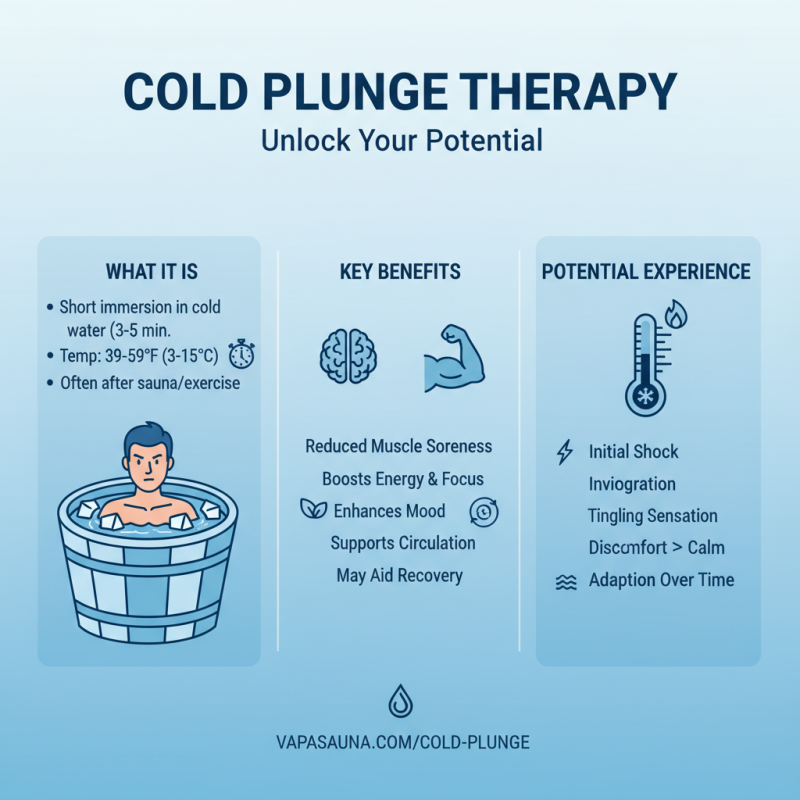
Cold Plunge therapy has gained attention for its potential health benefits. In essence, this technique involves immersing oneself in cold water for a short duration. Many people find this practice refreshing, while others experience discomfort. The immediate shock of cold can trigger a range of physiological responses. You might feel invigorated or, on the contrary, you may find it mildly uncomfortable at first.
The primary appeal of cold plunge therapy lies in its ability to reduce muscle soreness and improve recovery times. Athletes often use it after intense workouts. As the cold water constricts blood vessels, it can help decrease inflammation. However, not everyone responds the same way. Some individuals may find the experience daunting or unappealing. It's essential to approach it mindfully, especially if you're new to cold exposure.
Incorporating cold plunge therapy into your routine can enhance well-being. Research indicates that it may boost mood and energy levels. However, the effectiveness can vary based on individual preferences and tolerances. It's important to listen to your body and reflect on your experience. What works wonders for one person might not be suitable for another. Cold plunge therapy presents an opportunity to explore personal limits while reaping potential health benefits.
Cold Water Immersion, also known as anIce Cold Plunge, has a rich historical background. Ancient cultures utilized cold water for recovery and health benefits. The Greeks and Romans, for instance, had thermal baths that included cold plunges. These practices date back thousands of years, showing a long-standing belief in the benefits of cold exposure.
In Asia, cold water rituals were commonplace. Traditional Chinese medicine used cold water to improve circulation and support overall wellness. In northern climates, communities embraced icy waters for resilience and vitality. These historical practices highlight a collective understanding of the invigorating power of cold water.
Modern research now supports these traditional beliefs. Athletes frequently incorporate cold plunges into their recovery routines. However, the approach to Cold Therapy can vary greatly. Not everyone responds positively to cold exposure. Some might find it uncomfortable or even detrimental. Reflecting on individual experiences is essential.
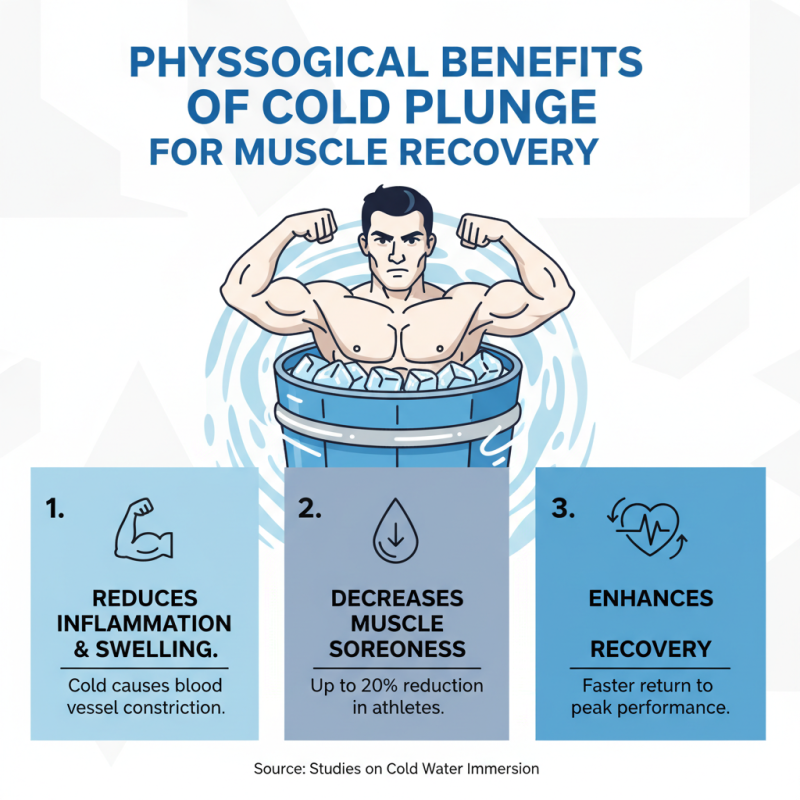
Cold plunges have gained attention in the fitness community for their ability to enhance muscle recovery. When exposed to cold, blood vessels constrict. This helps reduce inflammation and soreness after intense workouts. Studies show that cold water immersion can decrease muscle soreness by up to 20% in athletes.
The physiological benefits extend beyond just pain relief. Cold exposure triggers the release of norepinephrine, a hormone linked to improved mood and focus. A report published in the Journal of Sports Medicine highlights that consistent cold exposure can lead to better overall recovery times. Athletes report feeling revitalized, which may help them push harder in future training sessions.
Despite these benefits, not everyone responds positively to cold plunges. Some may find the shock too intense, leading to discomfort or a more pronounced stress response. It's essential for individuals to gauge their reactions and adjust accordingly. Listening to your body remains crucial in optimizing recovery strategies.
Cold plunge practices have gained recognition for their mental health benefits. Immersing oneself in cold water triggers physiological responses. The sudden chill causes an immediate release of adrenaline. This surge can awaken the mind and improve focus. Many users report feeling revitalized after a cold plunge. It creates a mental clarity that’s hard to achieve through other methods.
Moreover, regular exposure to cold water may reduce symptoms of anxiety and depression. The shock of cold can disrupt negative thought patterns. As a result, this practice encourages mindfulness and present-moment awareness. It compels individuals to concentrate on their breath and sensations. However, not everyone may find this experience pleasant. Some initial discomfort can be daunting, leading to hesitation in starting.
Establishing a consistent routine can help. Over time, the body and mind adapt to the cold. This adaptation can foster resilience and increase emotional well-being. Personal reflection during these sessions can enhance self-awareness. Cold plunges provide a space for introspection, promoting mental health growth. Embracing both the challenge and the payoff is essential for those pursuing this practice.
Cold plunges have gained popularity for their recovery benefits and overall health improvements. However, first-time users must be aware of certain safety considerations. The American Council on Exercise reports that exposure to cold can significantly lower heart rate and blood pressure. This response can pose risks for those with cardiovascular issues. Monitoring your body's reactions is crucial during the initial plunges.
For beginners, starting with short immersions is advisable. A duration of 1 to 3 minutes is a good starting point. Building tolerance gradually helps prevent shock to the system. It's common to feel discomfort in the beginning. Additionally, ensuring a safe exit strategy from the plunge is important. Have a warm towel or blanket ready nearby, as the transition back to warmth can be jarring.
Hydration plays a key role in cold plunging. Drink water before and after your session. The National Athletic Trainers' Association highlights that proper hydration minimizes adverse effects. For those seeking enhanced recovery, combining cold plunges with techniques like Cold Plunge Rub can improve outcomes. Listening to your body is essential; if you feel dizzy or excessively cold, exit the plunge immediately.
Cold plunges have emerged as a popular recovery tool among athletes and health enthusiasts. Incorporating cold plunges into your routine can significantly enhance recovery and overall well-being. Research indicates that exposure to cold can reduce inflammation and speed up muscle repair. According to a study published in the Journal of Sports Medicine, athletes who used cold water immersion after training reported nearly a 50% decrease in muscle soreness.
To effectively integrate cold plunges into your recovery routine, start with shorter sessions of 2-5 minutes. Gradually increase your time as your body adapts. Timing is crucial; aim for cold exposure within 30 minutes post-exercise for optimal benefits. If you find the cold challenging, consider combining it with deep breathing techniques to improve your comfort level.
Tip: Always listen to your body. Some individuals may experience discomfort or numbness after prolonged exposure. Factors such as individual tolerance levels and environmental conditions play a significant role in how your body reacts. Records from sports scientists indicate that not everyone will achieve the same results from cold plunges, so it’s essential to reflect on your experiences. Individualized recovery strategies often yield the best results.
Cold plunge therapy has surged in popularity for enhancing recovery and boosting health. Many athletes and fitness enthusiasts swear by its benefits. Research shows that cold exposure can reduce inflammation and improve muscle recovery. In fact, a study published in the Journal of Sports Science indicates that cold water immersion can decrease muscle soreness by 20% after intense workouts.
When considering cold plunge equipment, individuals often explore various options. From portable Cold Plunge Tubs to specially designed Cold Dry Plunge units, the choices can be overwhelming. Each type offers unique features. Portable options cater to those with limited space, while larger models are ideal for dedicated recovery spaces. Not everyone adapts well to icy conditions, though. Some experience discomfort or find it difficult to sustain longer durations.
Alternatives to cold plunge therapy also capture attention. Ice baths and cold showers provide similar benefits. Yet, they might lack the sustained exposure that a proper cold dry plunge offers. Users often question their choices, weighing the effectiveness of each method. Gathering insights from experienced users can lead to more informed decisions about recovery routines. While embracing cold plunge therapy, remember to listen to your body and adjust your practices accordingly.
: Cold plunge therapy involves immersing oneself in cold water briefly. It can feel refreshing or mildly uncomfortable.
It may reduce muscle soreness and improve recovery times for athletes. However, individual responses can vary widely.
Cold plunges can release adrenaline, leading to improved focus and mental clarity. Some users feel revitalized afterward.
Yes, it may reduce symptoms by promoting mindfulness and disrupting negative thought patterns. Initial discomfort might be a barrier.
Options include portable tubs and larger cold plunge units. Each choice has unique features to consider.
Ice baths and cold showers offer similar benefits. However, they may not provide the same sustained exposure as a cold plunge.
It's best to approach it mindfully, especially for beginners. Listening to your body is crucial as discomfort can arise.
Establishing a consistent routine helps the body adapt over time. Personal reflection during sessions fosters greater self-awareness.
Hesitation is common. Consider starting with shorter exposure times and gradually increasing as comfort develops.
Effectiveness can vary. Gathering experiences from others enhances informed decisions about recovery practices.
Cold Plunge therapy has gained popularity as a powerful method for recovery and overall health enhancement. This practice involves immersing the body in cold water, which boasts a rich historical background in various cultures for its therapeutic benefits. The physiological advantages of Cold Plunge include improved muscle recovery through reduced inflammation and enhanced circulation, while its mental health benefits can help alleviate stress, anxiety, and improve mood.
For those considering Cold Plunge, it is crucial to understand safety precautions, especially for first-time users. Gradually incorporating Cold Plunge into a recovery routine can maximize its benefits. Various equipment options and alternatives are available, making this restorative practice accessible to a wide audience. Embracing Cold Plunge can significantly contribute to both physical and mental well-being.