- Home
- About Us
- Products
- News
- Certificates
- Download
- Contact Us
Leave Your Message
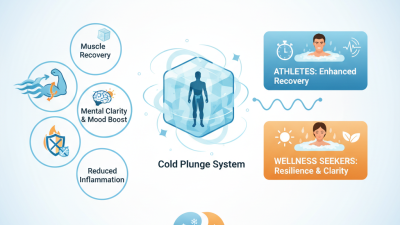
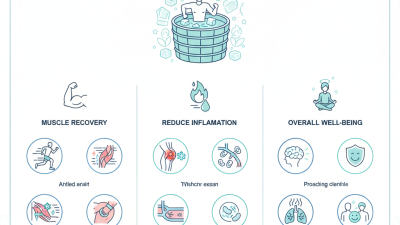
Lately, I’ve noticed more folks jumping on The Cold Plunge bandwagon in the recovery and wellness scenes. It’s pretty interesting—according to a study from the National Institutes of Health, exposing your body to cold water can actually give your immune system a little boost and help your muscles recover faster. Athletes and fitness buffs are using these cold baths as a quick, simple way to cut down on muscle soreness and inflammation — it’s like an extra tool in their recovery toolkit.
On the flip side, some research from the American Journal of Physiology shows that Cold Water Immersion can pick up the pace of recovery. But, heads up—it's not all sunshine and rainbows. While many rave about how energizing it feels, some folks might find it uncomfortable or even a bit anxiety-inducing. So, it’s really important to listen to your body and know your own limits. Cold plunges can definitely have some great physical benefits, but getting used to cold exposure is a bit of a process—it takes time and patience.
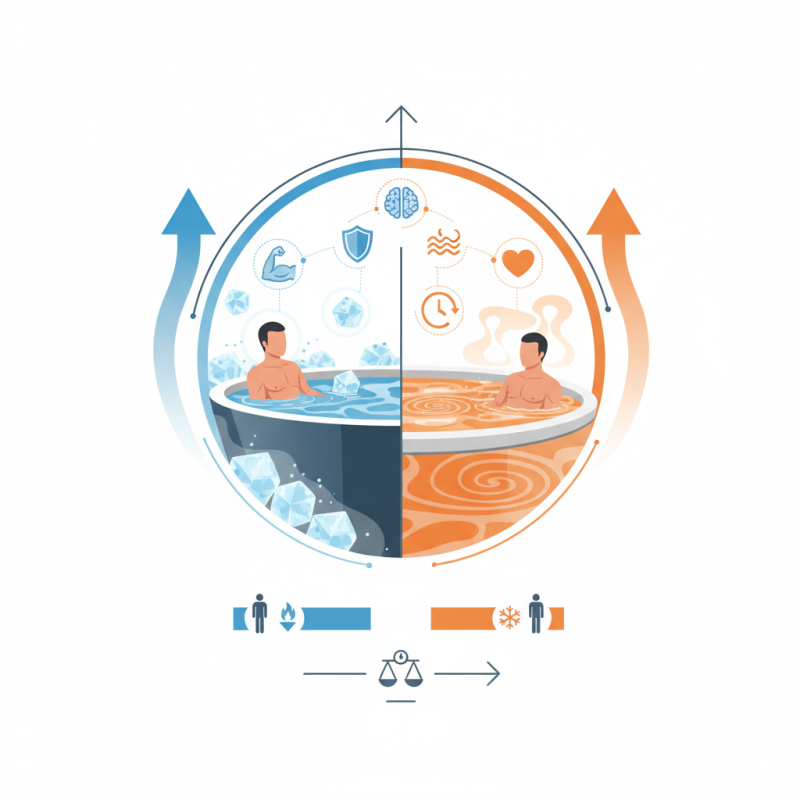
And if you're thinking about stepping it up with equipment like the Cold Plunge Hot Plunge combo, that could make the experience even better. Just keep in mind, investing in such gear should be done thoughtfully—you want to match it to your needs and be aware of any risks. Honestly, at the end of the day, wellness is all about finding what feels right for you, prioritizing your comfort and safety. When you strike that balance, cold plunges can really become a handy part of your recovery routine.
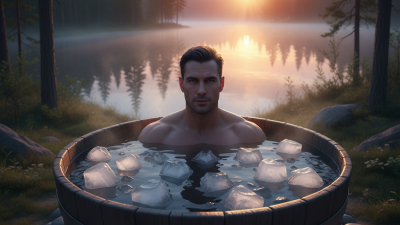
Cold Plunge therapy has gained popularity in recent years. Its origins can be traced back to ancient cultures. The Greeks and Romans embraced cold baths for recovery. They believed that cold water had healing properties. This practice evolved through time, gaining modern recognition in wellness circles.
The cold plunge is not just a trend. It offers tangible health benefits. Many athletes use it after intense training sessions. They immerse themselves in icy water, seeking relief from soreness. This technique stimulates blood circulation and reduces inflammation. However, not everyone finds it easy. The shock of cold water can be overwhelming for beginners. Some people struggle with the mental aspect of endurance.
Despite its benefits, the cold plunge isn't for everyone. Individuals with certain health conditions should approach it cautiously. It's essential to listen to your body. Experimenting with duration and temperature is key. Gradual exposure can enhance the experience. Many find they gain more confidence with time. The journey with cold plunge therapy can be transformative, fostering resilience and mental strength.
| Aspect | Description | Health Benefits | Usage Tips |
|---|---|---|---|
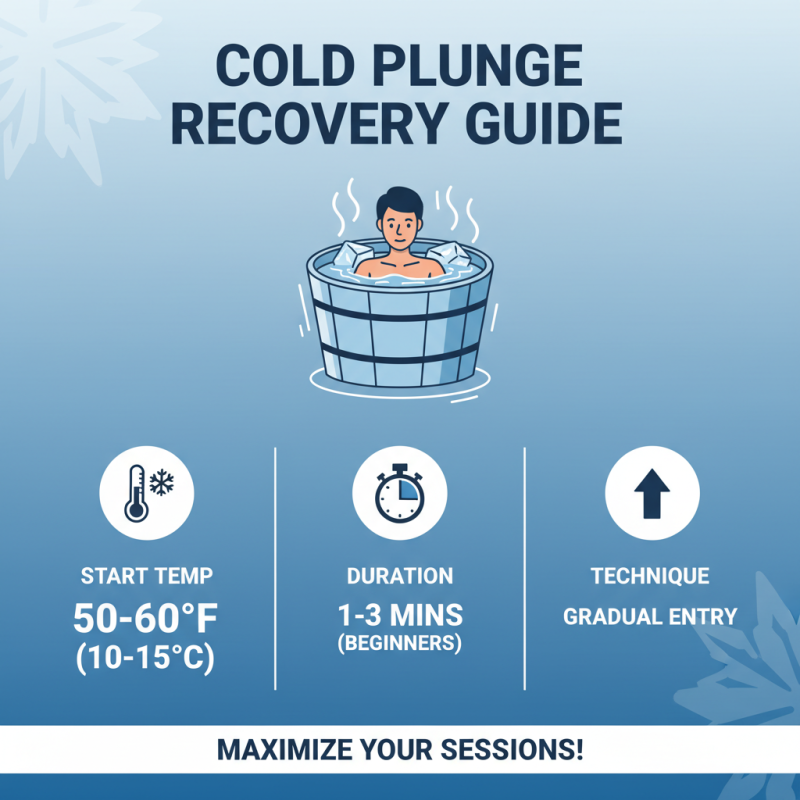
| Definition | Cold plunge refers to immersion in cold water for recovery. | Reduces muscle soreness and inflammation. | Start with short sessions of 1-2 minutes. |
| Origins | Historically used in various cultures for therapeutic purposes. | Enhances circulation and detoxifying effects. | Gradually acclimate your body to colder temperatures. |
| Ideal Temperature | Typically between 50°F to 59°F (10°C to 15°C). | Can improve sleep quality. | Use after workouts for optimal recovery. |
| Duration | Recommended duration varies from 1 to 10 minutes. | May boost mental clarity and focus. | Stay hydrated before and after the plunge. |
Cold therapy has gained substantial traction in the athletic community, primarily due to its significant impacts on recovery and performance enhancement. Recent studies indicate that cold water immersion can effectively reduce muscle soreness, inflammation, and accelerate muscle recovery post-exercise. According to a report published by the Journal of Sports Science and Medicine, athletes who underwent cold exposure showed a reduction in delayed onset muscle soreness (DOMS) by up to 20% compared to those who did not use cold therapy. This emphasizes the importance of integrating cold therapy into regular training schedules for optimal performance.
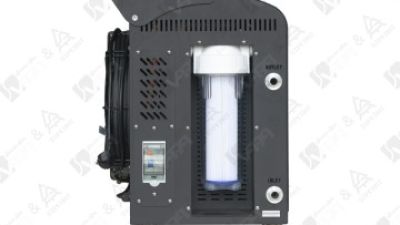
The Vapasauna VP-A10 Series Cold Tub Chiller, featuring a powerful 1HP SAA cooling system, is designed with cutting-edge technology to enhance the cold therapy experience. This integrated chiller includes a user-friendly touch screen interface and allows for convenient adjustments via Wi-Fi. Athletes can easily control the temperature of the water, providing a customizable recovery environment that can be heated or cooled according to their needs. Utilizing such advanced technology ensures that athletes can optimize their recovery protocol effectively while also adapting the therapy to their specific requirements.
As cold therapy continues to be a focal point in athletic recovery programs, the blend of innovative cooling solutions like the Vapasauna VP-A10 and the scientific backing of its benefits presents a compelling case for any athlete looking to enhance their performance and well-being. With better recovery processes, athletes not only improve their physical condition but also increase their training efficiency, setting the stage for greater achievements in their sporting endeavors.
: The article aims to provide essential information on the topic. It discusses various aspects and details.
You can implement the ideas in practical situations. Think of specific scenarios to make them relevant.
Yes, the content is supported by various studies and observations. However, personal experience may vary.
People often oversimplify the subject. Some believe it’s easy, but it requires dedication and understanding.
Most of it is credible, but always cross-check details. Not all sources may be equally reliable.
You may encounter obstacles and setbacks. Reflecting on these can lead to personal growth and learning.
Cold Plunge therapy has gained popularity as a method for recovery and enhancing overall health, rooted in ancient practices of cold water immersion. Understanding its origins and benefits is crucial, as the science behind cold water exposure indicates it can reduce muscle soreness, improve circulation, and boost mood by triggering physiological responses. Preparing for a Cold Plunge involves essential tips and safety measures to maximize effectiveness and minimize risks.
To integrate a Cold Plunge into your recovery routine, specific techniques can be employed to ensure optimal results. Additionally, it’s important to address common misconceptions surrounding cold water therapy and to be aware of potential risks involved. By approaching Cold Plunge sessions with proper knowledge and respect for your body’s limits, individuals can harness the full spectrum of health benefits that this practice offers.